

 |
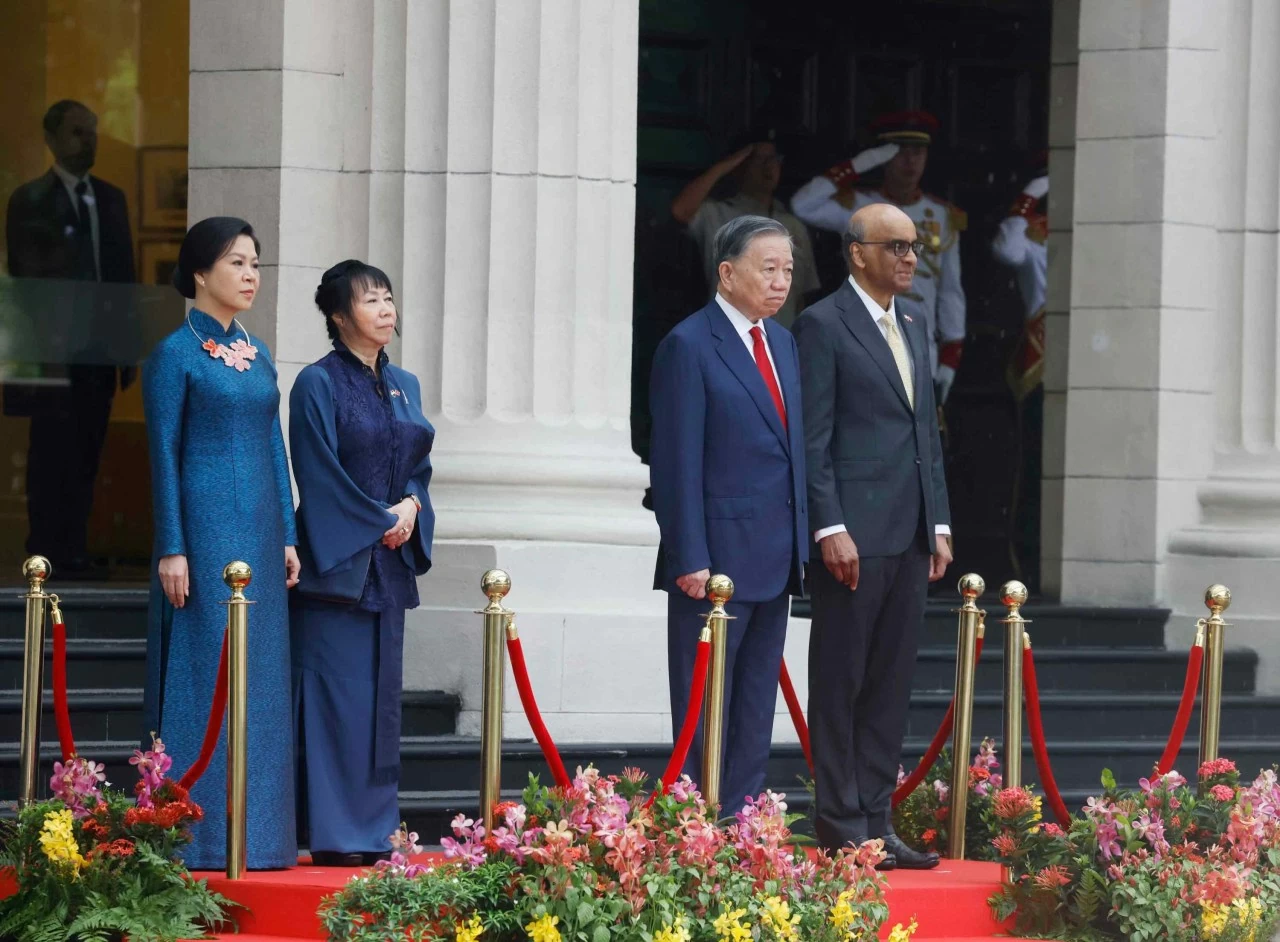
| General Secretary and President To Lam and Singaporean President Tharman Shanmugaratnam stand on the honor platform, listening to the military band play the national anthems of both countries during the solemn welcoming ceremony on the morning of May 29. (Source: VNA) |
Vietnam and Singapore upgraded their partnership to a Comprehensive Strategic Partnership in 2025, opening a new chapter in their bilateral relationship. Shortly after, Singaporean Prime Minister Lawrence Wong visited Vietnam and held numerous meetings with the General Secretary , the President, and the Prime Minister of Vietnam.
Now, the State visit to Singapore by General Secretary and President To Lam from May 29-31 is expected to further implement and concretize the framework of the Comprehensive Strategic Partnership between the two countries.
Three things that make up a unique personality.
Based on her observations and experiences during her tenure, Ambassador Cao Thi Thanh Huong pointed out three key factors that constitute the unique character of this relationship. First, the Ambassador emphasized strategic political trust, which is not something that develops naturally but is built upon goodwill and strategic vision from both sides over many periods.
Vietnam is the first and only country in ASEAN with which Singapore has established a Comprehensive Strategic Partnership to date, with numerous exchanges of delegations and high-level contacts.
In particular, cooperation through party channels between the Communist Party of Vietnam and the People's Action Party (PAP) of Singapore has been increasingly strengthened.
Vietnam and Singapore share similar approaches on many regional and international issues, and cooperate closely within the framework of ASEAN and other regional and international forums.
"Both countries share a common vision regarding development direction and strategic interests in maintaining a peaceful and stable environment, freedom of navigation, international law, and ASEAN's central role in an open, transparent, inclusive, and rules-based regional architecture," Ambassador Tao Thi Thanh Huong affirmed.
Secondly, the strategic economic alignment between Vietnam and Singapore is a unique feature not found in any other ASEAN country. Ambassador Tao Thi Thanh Huong noted that the two countries have leveraged their potential and strengths to promote cooperation on a mutually beneficial basis, complementing each other for shared development.
Over the years, Vietnam and Singapore have effectively leveraged their unique advantages to promote mutually beneficial cooperation. Despite being the smallest country in ASEAN, Singapore is currently the largest investor from the bloc in Vietnam and ranks second among the 147 countries and territories with investment activities in Vietnam.
To date, Singaporean businesses are implementing more than 4,500 active projects with a total registered capital of nearly US$92 billion, present in 18 out of 21 economic sectors in Vietnam.
The Vietnam-Singapore Industrial Park (VSIP) has also developed incredibly impressively over the past 30 years (1996-2026). According to diplomats, what is even more impressive is that the VSIP network is shifting from traditional industrial parks to new-generation VSIPs with green, smart standards, focusing on renewable energy, high technology, biotechnology, artificial intelligence (AI), etc.
The two countries are also stepping up cooperation in the digital economy, technology connectivity, innovation, startups, green transformation, and the development of financial centers. Ambassador Tao Thi Thanh Huong stated that the combination of Singapore's strengths in capital, technology, and governance with Vietnam's advantages in market, human resources, and growth potential is creating new impetus for cooperation.
This close relationship is also reflected in the field of food security. Given that Singapore imports approximately 90% of its food needs, Vietnam has become one of Singapore's strategic partners in food security after the two sides signed a Memorandum of Understanding on rice trade cooperation.
The third factor contributing to the depth of bilateral relations, as mentioned by Ambassador Tao Thi Thanh Huong, is cooperation in human resource training. Vietnam is currently the country receiving the most support from the Singapore Cooperation Programme (SCP), with over 22,000 officials at all levels having been trained since 1992.
These programs not only contribute to improving the quality of human resources but also strengthen connections, trust, and mutual understanding between the two countries. Currently, the training content is also being expanded to new areas such as digital transformation, innovation, modern governance, and green development.
"It can be said that the unique character of the Vietnam-Singapore relationship is forged from political will, strategic trust, economic ties, and a forward-looking development vision, making it one of the most successful bilateral relationships in ASEAN," Ambassador Tao Thi Thanh Huong affirmed.
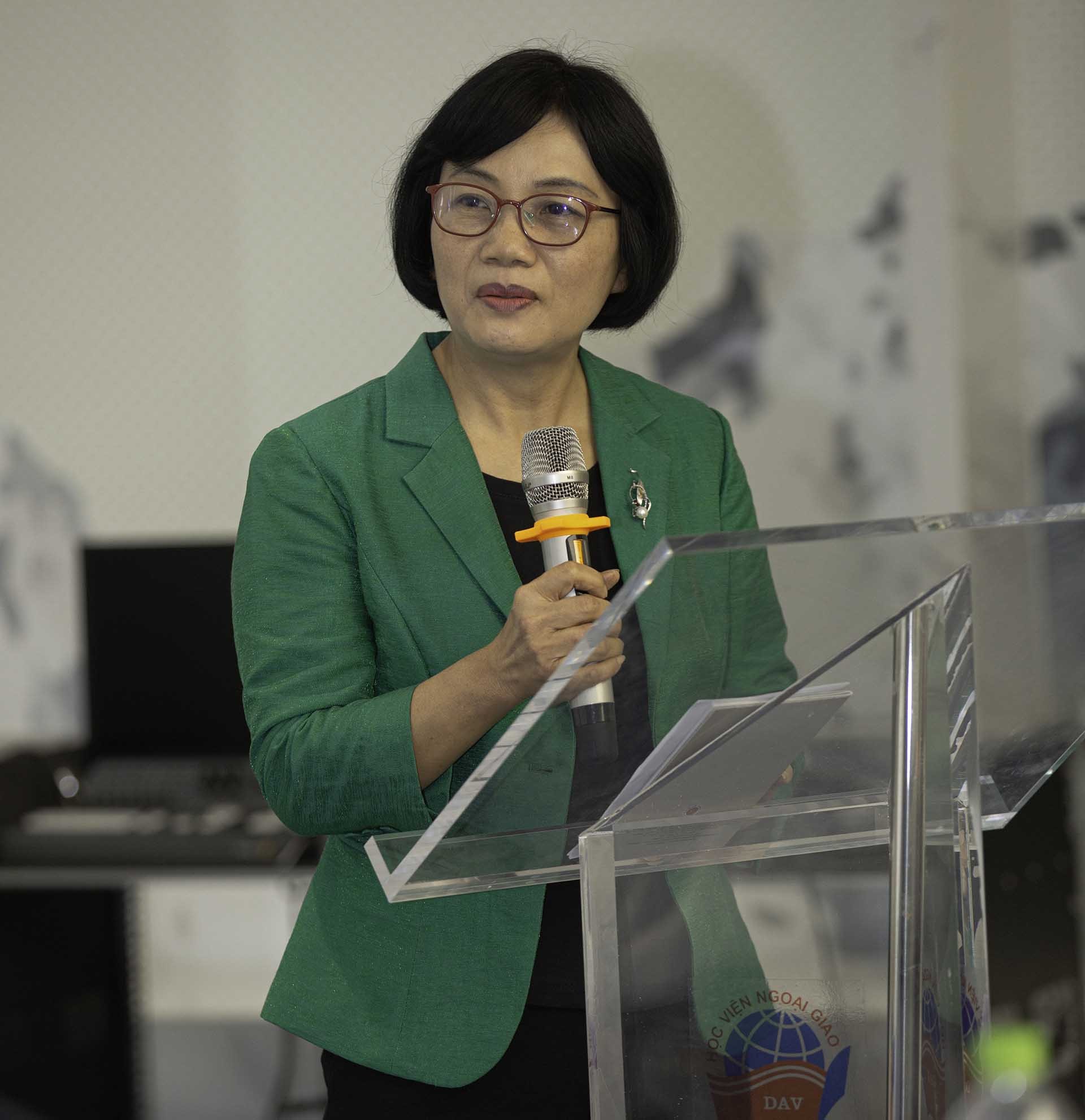 |
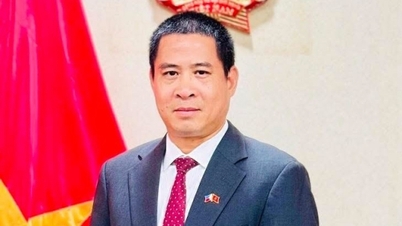
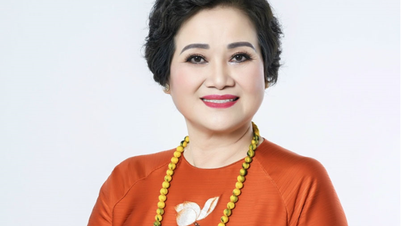
| Former Vietnamese Ambassador to Singapore, Tao Thi Thanh Huong. (Source: Vietnam National Academy of Foreign Affairs) |
Lessons about difference
Discussing Vietnam's goal of building an international financial center, Ambassador Tao Thi Thanh Huong stated that the biggest lesson from Singapore is the synchronized combination of institutions, human resources, market confidence, and risk management capabilities. The core foundation of this is a transparent institutional system and regulations that closely align with international standards.
Singapore has created an attractive investment environment thanks to its consistent policy and legal system, effective protection of investor rights and intellectual property rights, and reliable dispute resolution mechanisms. This is a key factor in attracting large capital flows from around the world.
In terms of market confidence, stable macroeconomic policies and a long-term vision reassure large financial institutions that they can invest without fear of changes in the rules of the game. Strict controls on money laundering and market manipulation help Singapore maintain its position as a "safe haven" for global capital.
The ambassador also highly appreciated Singapore's risk management capabilities, demonstrated through the implementation of Regulatory Sandbox mechanisms for the fintech sector, and the application of modern technology in monitoring, forecasting, and early response to systemic risks.
Another indispensable factor is a high-quality workforce. According to her, a financial center needs not only capital but also a team of internationally qualified professionals. Singapore's strong investment in financial human resources and its generous compensation policies have attracted global financial experts and elites to work and live there.
However, the lesson from Singapore's success lies not in copying existing models, but in always creating differentiation and uniqueness. The island nation had a strategic vision, positioning Singapore as a leading financial center in the region and realizing this vision through a strategy of specialization and anticipating capital flows.
Expectations from the international community
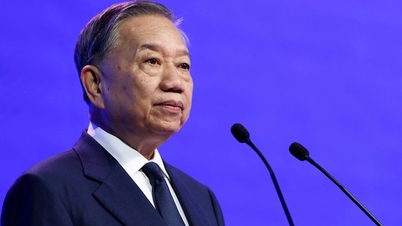
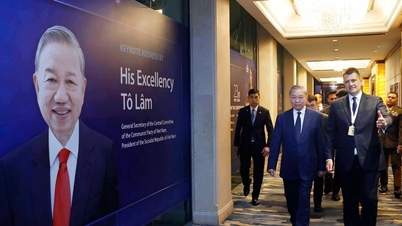
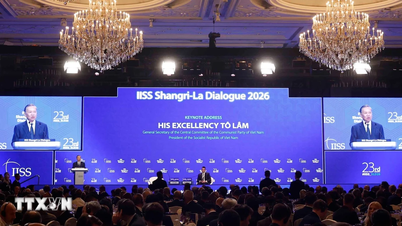
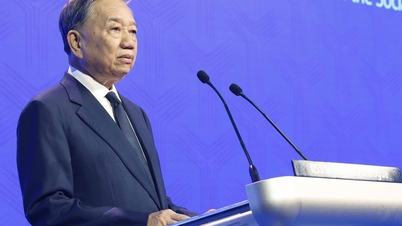
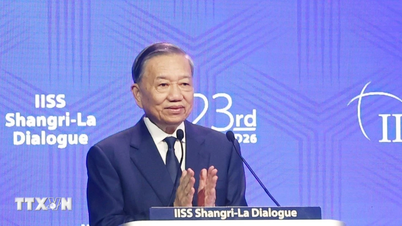
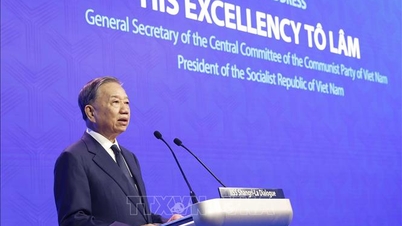
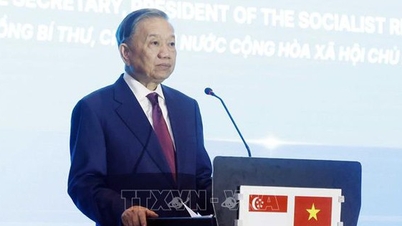
During his state visit to Singapore, General Secretary and President To Lam will deliver his first keynote address at the Shangri-La Dialogue.
The Shangri-La Dialogue is the leading security forum in the Asia-Pacific region, organized annually in Singapore by the International Institute for Strategic Studies (IISS). It brings together many of the world's leading leaders, defense ministers, scholars, and strategic experts. The forum has great prestige and influence on regional peace and security issues.
Ambassador Tao Thi Thanh Huong stated that being invited to deliver the keynote address at the Shangri-La Dialogue demonstrates both the international community's respect and high regard for Vietnam's role, and contributes to enhancing Vietnam's position and prestige. Vietnam is not only present at the Dialogue but has become a key player, contributing to shaping the rules of the game.
The participation and most important speech of General Secretary and President To Lam at the Shangri-la Dialogue also shows that Vietnam is ready to play a more active role in contributing to resolving current instabilities. This also reflects the recognition and high appreciation of other countries for Vietnam's independent, self-reliant, peaceful, cooperative, and developmental foreign policy.
This is also an opportunity for the General Secretary and President of Vietnam to convey a message about Vietnam's foreign policy – a policy of diversification, multilateralism, being a reliable partner, and a responsible member of the international community.
According to the Ambassador, in the context of a world undergoing profound changes, countries are looking forward to Vietnam's sharing of its strategic vision and approach to security and development challenges, regional and international issues; they expect Vietnam, in its active role, to contribute initiatives and efforts to promote stability, help resolve instabilities, and foster development cooperation in the region and around the world.
Source: https://baoquocte.vn/chat-rieng-cua-moi-quan-he-viet-nam-singapore-399317.html
![[Image] Pleasant weather helps students enter the 10th grade entrance exam with confidence.](https://vphoto.vietnam.vn/thumb/1200x675/vietnam/resource/IMAGE/2026/05/29/1780034401612_ngay-1-thi-lop-10-minh-duy-8-5009-jpg.webp)

![[Photo] Ba Lang An Lighthouse - the "eye of the sea" amidst the "rock museum" of Quang Ngai province.](https://vphoto.vietnam.vn/thumb/1200x675/vietnam/resource/IMAGE/2026/05/29/1780038698840_anh-man-hinh-2026-05-29-luc-14-10-42.png)




















































Comment (0)