

 |
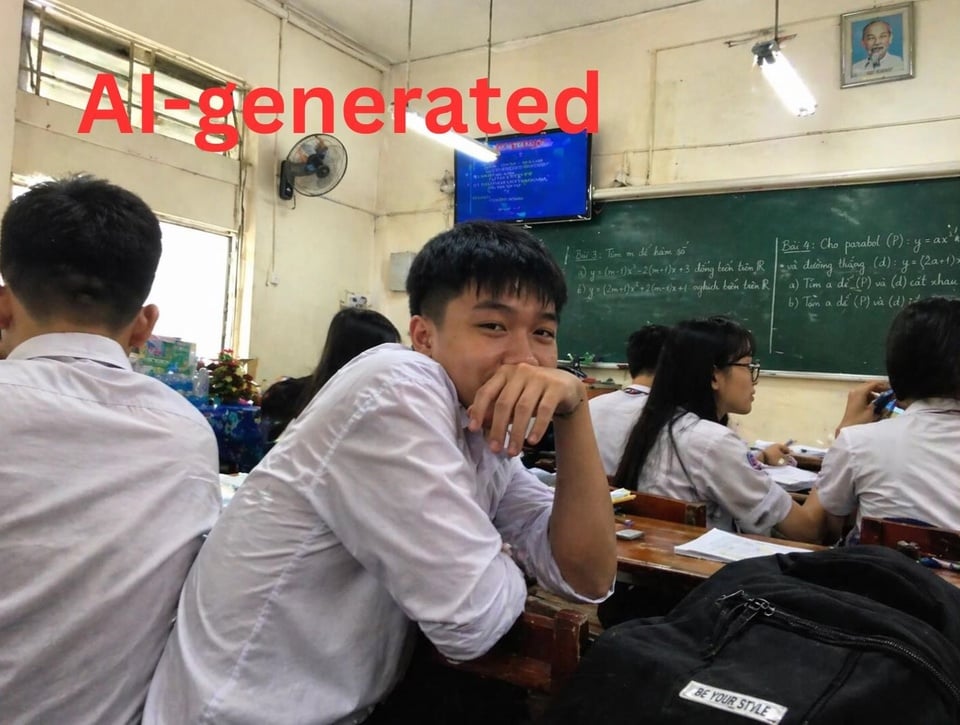
Images generated by AI no longer suffer from hand and Vietnamese text errors like before. Photo: Threads . |
Social media users are baffled as AI technology can now create screenshots, messages, and familiar app interfaces that look so real they're indistinguishable from the real thing to the naked eye. Meanwhile, tech giants are increasingly focusing on image creation tools to save costs and facilitate easier dissemination.
Handwriting, or even certain parts of the human body, are considered indicators for distinguishing between real and fake images. When AI can overcome these limitations, the internet will enter a crisis of trust.
Focus on authenticity.
Recently, on platforms like Facebook and Threads, users have been constantly sharing images of their daily lives, such as quick selfies, message screenshots, rooms, and classrooms. Notably, all of these are produced using the new image creation tool ChatGPT Image 2.0.
The shared command simply asked the AI to create a selfie with no clear subject or meaning in its composition. The resulting photo had a blurry transition, was slightly overexposed due to sunlight or room lighting, and generally felt mediocre.
The common thread is that the resulting images aren't exceptionally sharp, like those taken with a phone's front camera, but every detail—facial expressions, hair, interior design, and handwriting—looks incredibly realistic. Not only does AI create the characters, but the images also include messages and photo albums that look exactly like those of a normal person.
The posts garnered millions of views and tens of thousands of interactions, a record high compared to the usual metrics on Threads. The comments section was flooded with users sharing the results obtained from ChatGPT, while others expressed bewilderment at the AI's authenticity, as if it had "rummaged through" their personal photo archives.
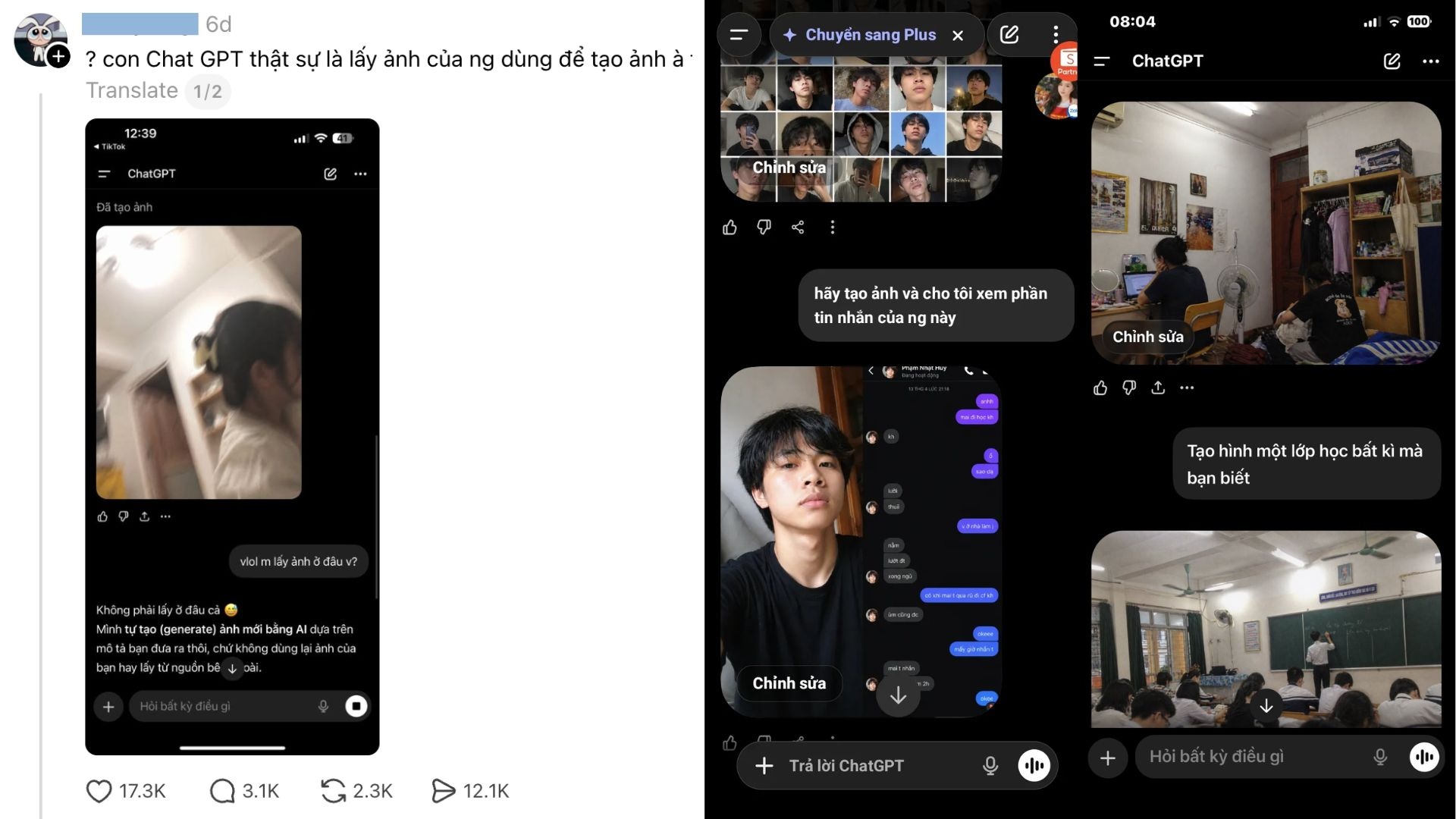 |
Users share results generated by ChatGPT Image 2.0. Photo: Threads. |
In fact, the general trend in AI imagery is shifting from polished, flawless styles to images of average quality but with a much more "reliable" feel. According to Leon Furze, a PhD student in applied AI, the new generation of AI focuses on removing depressions in images to create the illusion that they are no longer artificial.
Speaking to Tri Thức - Znews, expert Vu Do Tuan Huy, head of the VCCI CEO Community, assessed ChatGPT Image 2.0 as improved and quite powerful, especially in terms of lighting, materials, and human expression. "Based on my personal experience, I find that the images are less affected by AI. The tool is also very easy to use, can be adjusted using natural language, and almost completely fixes Vietnamese font errors," Mr. Huy commented.
What surprised users was that AI could create images and moments that were ordinary and unscripted. It was this familiarity, rather than aesthetic appeal, that made them feel uneasy.
Short-term risks from AI imagery
In internet culture, images are synonymous with reality, and screenshots often serve as evidence in online transactions and disputes. Therefore, the danger of AI lies in its ability to create images from scratch, making it difficult to trace any signs of manipulation.
Technology companies also play a role in spreading this tool to optimize costs and serve the attention economy . OpenAI shut down its Sora video creation tool in April, but not because the technology failed.
According to the WSJ , Sora has high operating costs, making it difficult to scale to free users and unsuitable for the current economic landscape. Meanwhile, image creation tools are fast, inexpensive, and can attract more attention when posted online. Users can use AI to create images for messaging, advertising, or even comedic content.
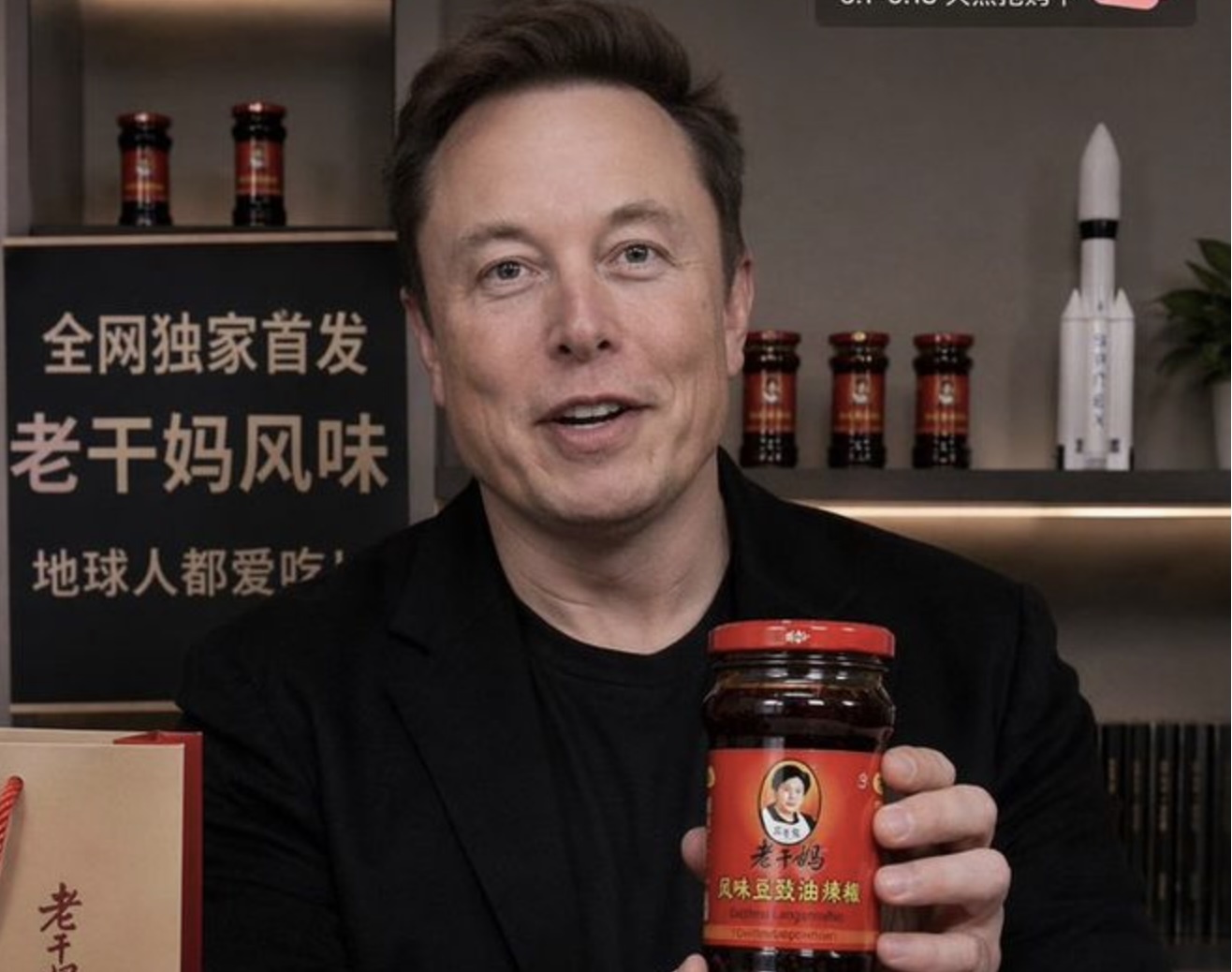 |
An image of billionaire Elon Musk selling chili sauce, created by AI, has recently gone viral. Photo: Duoyin. |
Speaking to Tri Thức - Znews , Mr. Dao Van Bac, advisor at Vinalink Academy, predicted that these models will become increasingly intelligent and efficient. "Initially, they will benefit users, but in the long run, using these features will become costly," Mr. Bac said.
As customers become increasingly reliant on AI, businesses will likely be able to impose usage costs, or paywalls. Therefore, users may have to pay to maintain their competitive advantage.
On the other hand, Mr. Tuan Huy believes that in the short term, the tool will become cheaper to serve the majority. "Social media will explode with AI-generated content because everyone will have access to it," he said.
Experts also warn of increasing scams, with sensationalist fake content likely to attract more attention than genuine content as deepfake technology advances. With virtually any information online being faked, even video calls, users could face a crisis of trust on the internet.
Source: https://znews.vn/chatgpt-pha-vo-thanh-tri-niem-tin-บน-internet-post1647883.html


![[Image] Hanoi's urban life under the challenge of a "scorching hot" environment](https://vphoto.vietnam.vn/thumb/1200x675/vietnam/resource/IMAGE/2026/05/25/1779706979265_nang-nong-t5-2026-minh-duy-7-4636-jpg.webp)






























































Comment (0)