

According to petrochemical companies, disruptions to oil shipments from the Middle East have led to a severe shortage of naphtha – a crucial petroleum product used in the production of plastics and chemicals for the semiconductor industry. Naphtha prices in Asia have nearly doubled compared to before the conflict erupted.
As a result, the prices of many plastic products such as bags, food containers, plastic cups, and packaging materials have risen sharply. This has raised concerns about a potential shortage of packaging for essential consumer goods such as instant noodles, beverages, cosmetics, and medical products.
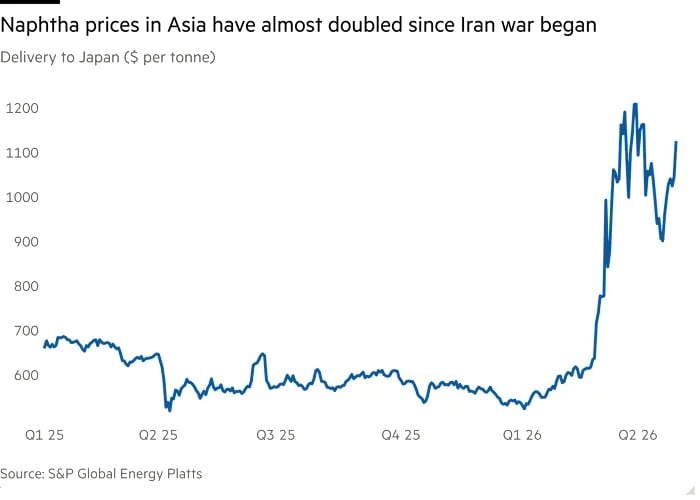 |
| The price of naphtha shipped to Japan has nearly doubled since the Iran conflict (Photo: S&P Global Energy Platts) |
In Indonesia, one of the world's largest consumers of plastic, packaging material suppliers have warned of the risk of having to cease operations due to an inability to find sufficient naphtha supplies. Arif, an employee at the Toko Durga Plastik packaging materials store in Jakarta, said that current inventory is very low and finding new sources is almost "impossible."
Pressure from rising plastic prices is expected to further exacerbate inflation in many Asian economies that rely heavily on imported energy. Indonesia currently imports almost all of its naphtha, primarily from the Middle East. Meanwhile, Japan imports approximately 44% of its naphtha and over 90% of its crude oil from this region.
Many major petrochemical companies in Asia have been forced to cut production. Indonesia's Chandra Asri Group declared force majeure due to difficulties in sourcing raw materials. In Japan, Mitsubishi Chemical and Mitsui Chemicals have also reduced their capacity. Taiwan's Formosa Petrochemical issued a similar announcement.
According to the Japan Petrochemical Industry Association, the operating capacity of ethylene producers – a raw material used to manufacture food wrap and many other plastic products – is currently at only 68.6%, the lowest level ever recorded.
Calbee Inc., a Tokyo-based manufacturer of potato chips and breakfast cereals, announced that starting May 25th, it will switch the packaging of 14 products to a black and white design to reduce materials and printing costs. One of the company's popular products, the "usu shio" lightly salted potato chips, previously used vibrant colors like orange, red, and yellow. However, the new packaging is minimalist, featuring a black and white background and monochrome lettering.
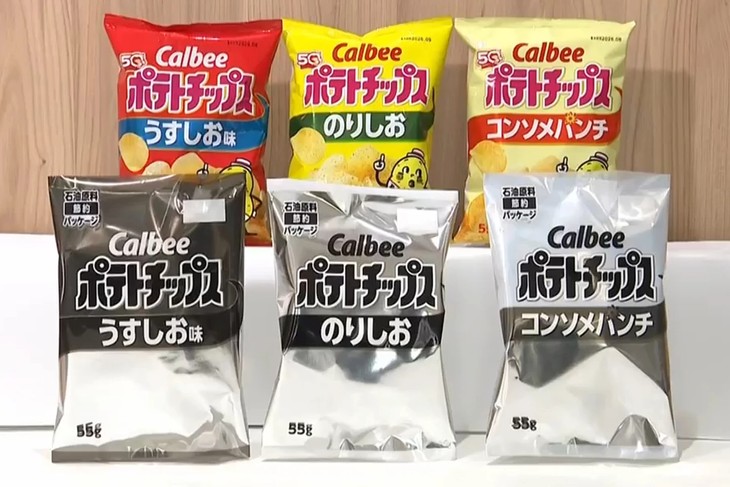 |
| Calbee potato snack packaging is now printed in black and white instead of the previous red and yellow. (Photo: AP) |
Meanwhile, South Korea is also facing pressure from shortages of medical supplies such as syringes and intravenous fluid bags due to hoarding and declining plastic packaging supplies. The director of a medium-sized hospital in southern Seoul said that large hospitals are still maintaining supplies thanks to long-term contracts, but many smaller clinics have begun to experience low inventory and slow deliveries due to product scarcity in wholesale and online markets.
Experts warn that if the conflict in the Middle East continues, the global petrochemical supply chain could face more severe shocks, directly impacting consumer prices and manufacturing in many Asian countries.
Source: https://thoidai.com.vn/chau-a-doi-mat-nguy-co-thieu-nhua-tram-trong-221446.html

![[Photo] General Secretary and President To Lam presides over the meeting to approve the draft report on the results of the second inspection by the Politburo of the Standing Committee of the Hanoi City Party Committee.](https://vphoto.vietnam.vn/thumb/1200x675/vietnam/resource/IMAGE/2026/05/26/1779789811432_a2-bnd-4430-9620-jpg.webp)





































































Comment (0)