


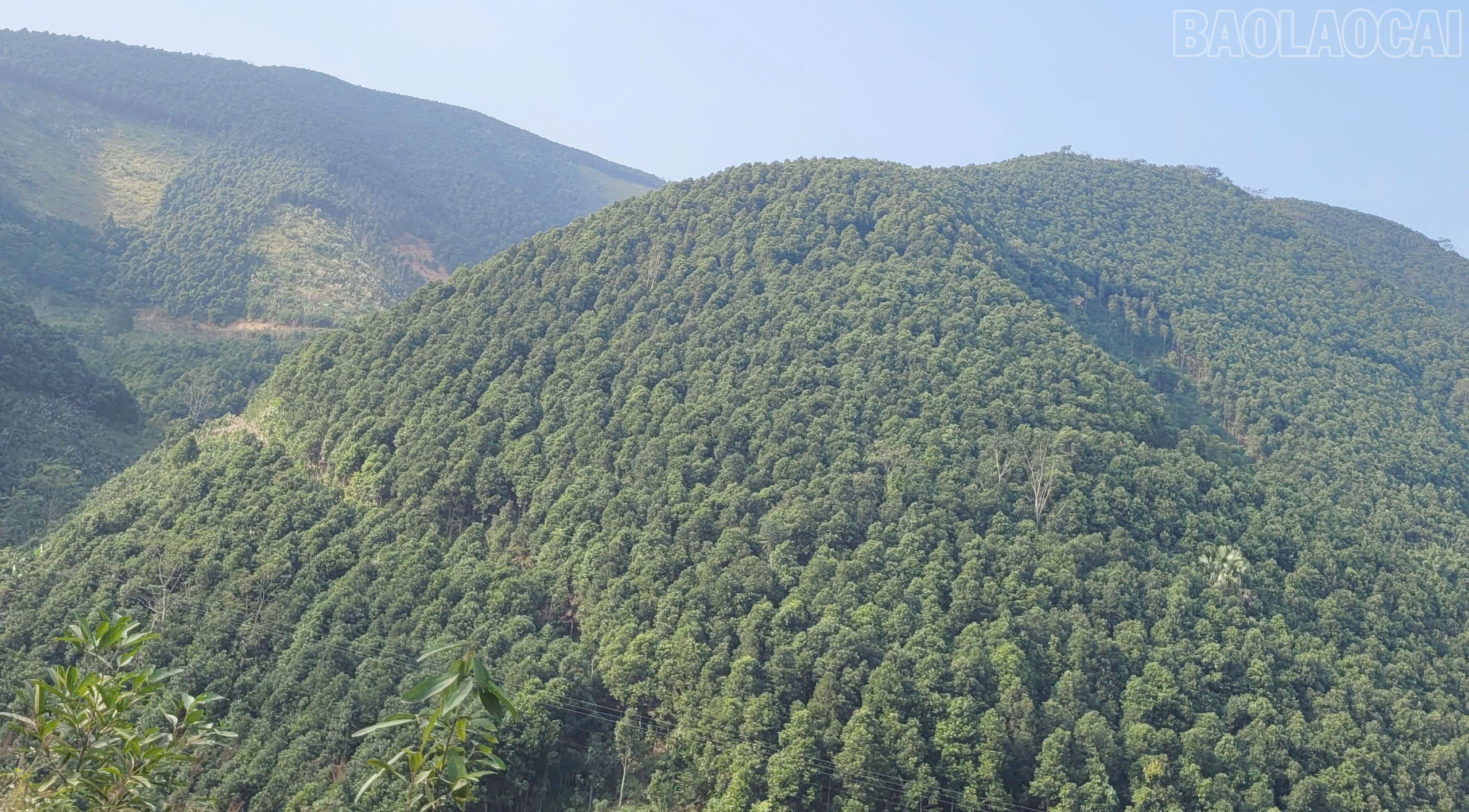
Chau Que commune has a predominantly hilly and mountainous terrain, favorable for forestry production development. Therefore, in recent years, the locality has promoted the sustainable development of agricultural and forestry production models to improve the economic efficiency of forests in the area. As a result, many effective forest planting models have emerged in the commune.
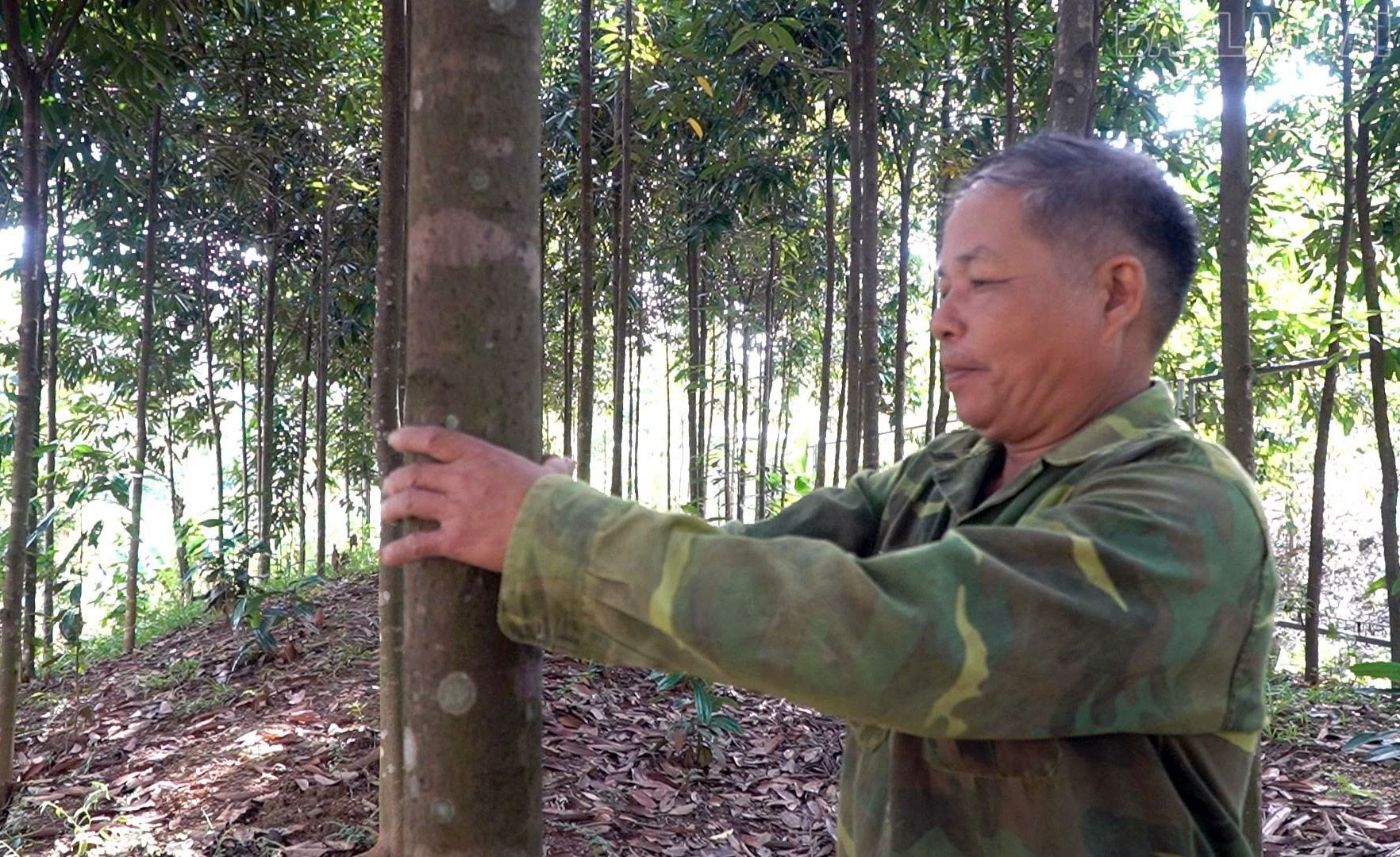
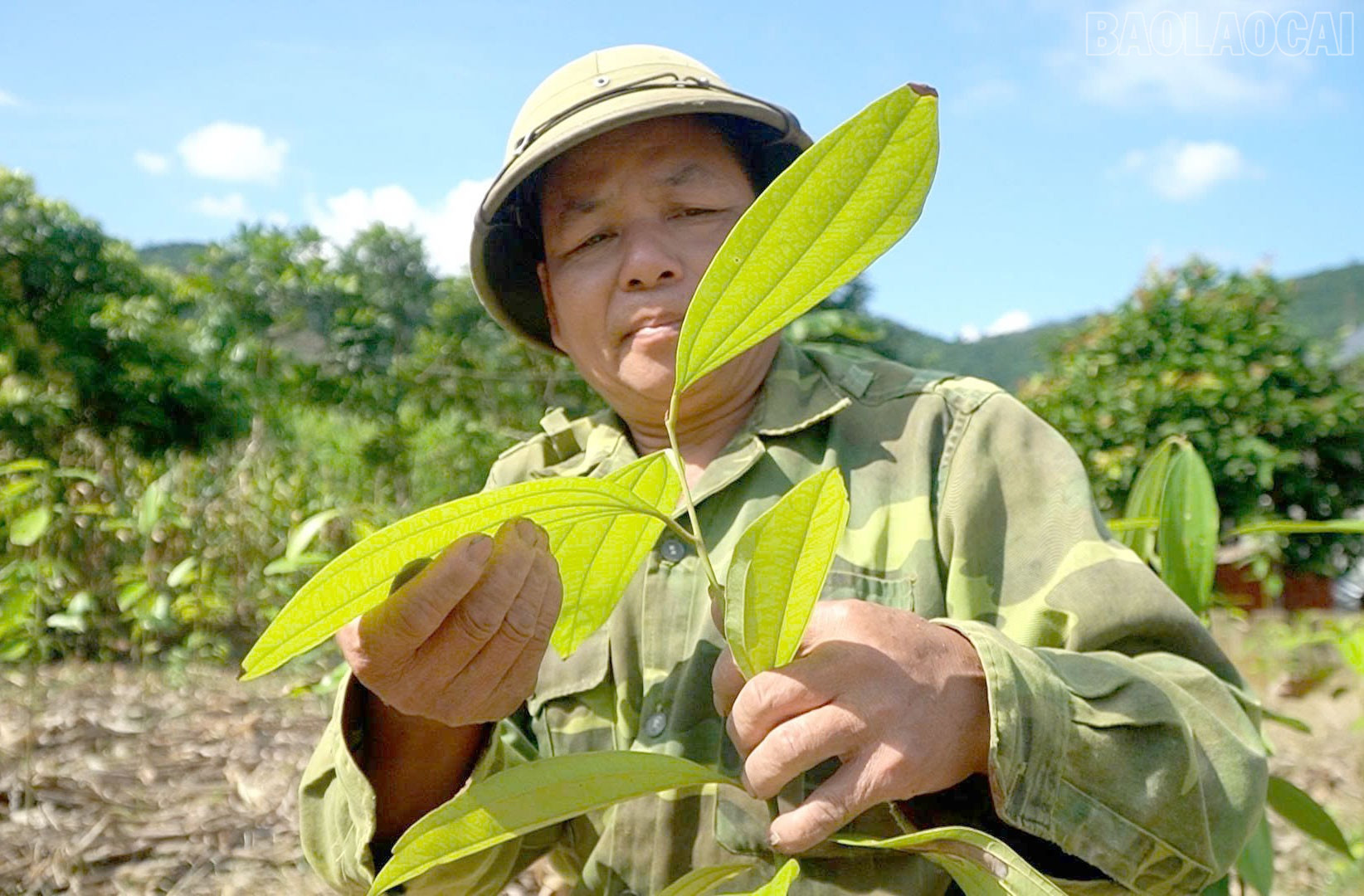
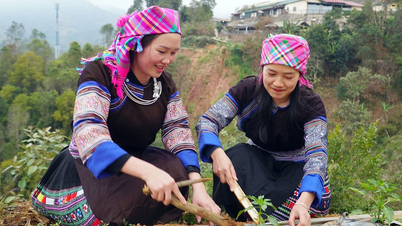
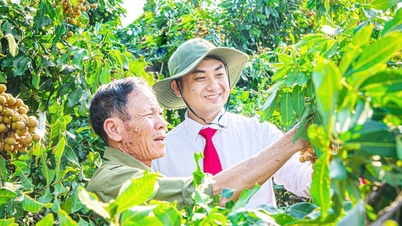
A prime example is the family of Mr. Hoang Van Viet in Nheo village. From his family's forest land, Mr. Viet resolutely replaced acacia and bodhi trees with cinnamon trees, yielding high economic returns. Currently, Mr. Viet's family owns nearly 2 hectares of cinnamon trees over 7 years old, generating nearly 100 million VND in income annually from pruning and selling cinnamon branches and leaves.
Mr. Hoang Van Viet shared: "Thanks to the support from the government and social organizations in accessing policy-based loans and seedlings, my family has been able to expand our cinnamon cultivation area, gradually improving our lives."
Taking advantage of its vast forest land, Chau Que commune is gradually achieving its goal of becoming a key forestry development commune of the province by 2030. Not only will forestry be a major economic sector, but it will also develop sustainably, linked to deep processing.
The entire commune has a total forest area of nearly 11,400 hectares, of which cinnamon plantations account for 7,000 hectares and more than 2,500 hectares of forestry trees such as acacia, bodhi, and eucalyptus; and nearly 1.9 hectares of natural forest.
For many years, Chau Que commune has actively promoted awareness among its people about the role of forests, both in protecting the ecological environment and creating sustainable livelihoods. The commune utilizes resources from national target programs and provincial policies to support the provision of high-quality forestry seedlings and encourages the conversion of less efficient tree species to cinnamon, acacia, and bodhi trees.
In addition, people are guided in applying science and technology and receiving technology transfer from planting and caring for to harvesting through training courses on intensive forest planting, using new varieties, pest and disease control, etc.
At the same time, Chau Que also focuses on developing models for planting large timber forests, models for linking the consumption of timber products from planted forests, creating conditions for people to access preferential loan capital, and expanding the scale of forestry production…
Mr. Hoang Thong Tien, head of Tat village, said: “Thanks to the guidance and support from the local authorities, the hillside forests are now the main source of livelihood for the people of Tat village. Each household has at least 1-2 hectares, and some have as many as 10-20 hectares of forest. As a result, the lives of the people have improved significantly. Currently, the village only has 2 poor households, and the average income reaches 42 million VND per person per year.”
In 2025, Chau Que commune will plant 329 hectares of new forest, achieving 109.7% of the plan, mainly with high-economic-value tree species such as cinnamon, acacia, and bodhi; cinnamon bark harvesting will reach 56,800 tons, achieving 103.8% of the plan, an increase of 20 tons compared to 2024; and timber harvesting from planted forests will reach 15,896 m³, achieving 100% of the plan, an increase of 2,732 m³ compared to 2024.
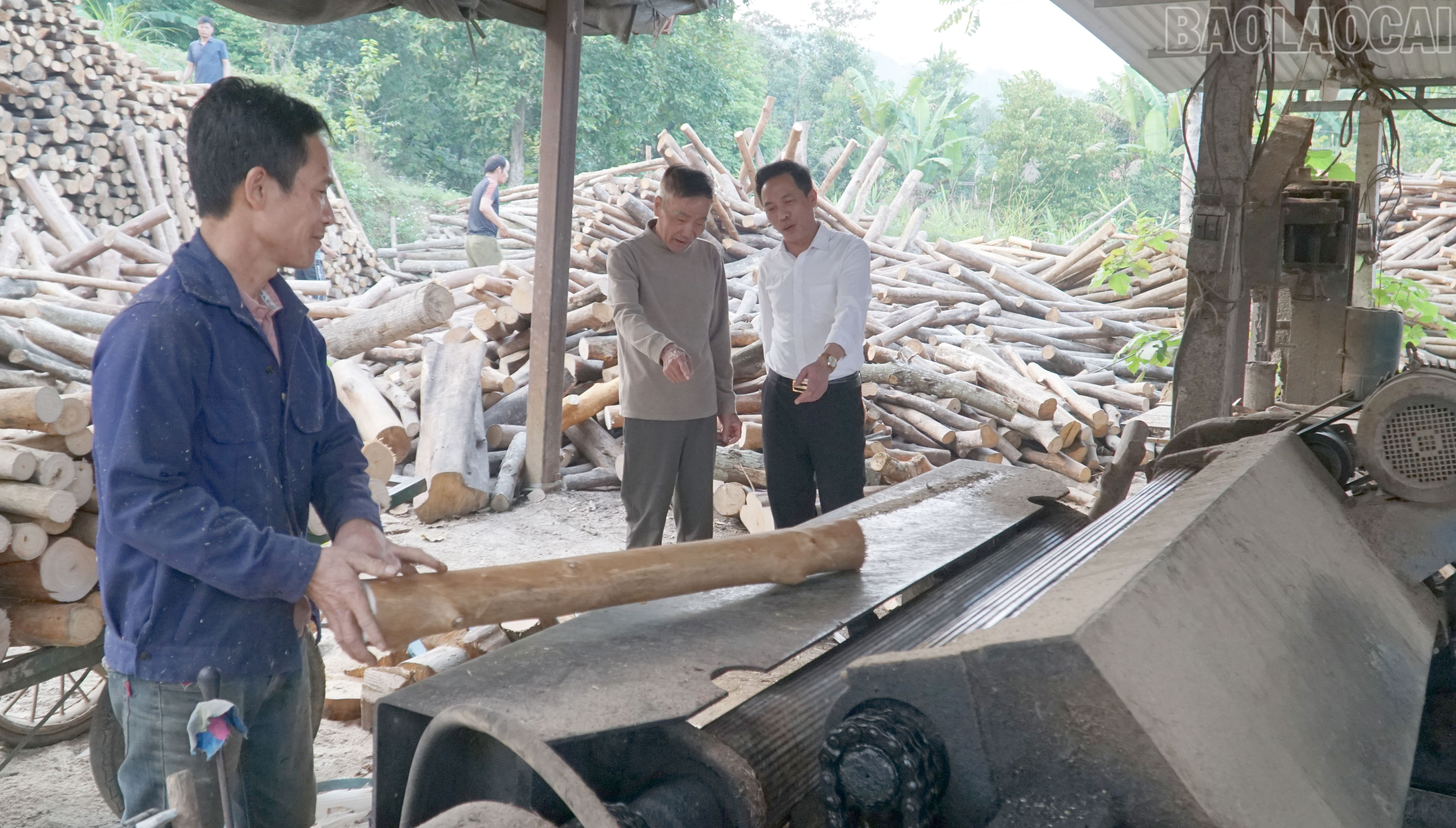
Currently, Chau Que commune has 19 workshops producing products from planted forest wood, 1 cooperative producing cinnamon essential oil, and 3 cooperatives processing cinnamon bark, creating jobs for hundreds of local workers. The average per capita income of the commune reaches 42 million VND/year, an increase of 4 million VND compared to 2024; the entire commune has reduced the number of poor households by 88, bringing the poverty rate down to 1.8%.
Staying true to the local area's greatest potential, the Resolution of the Commune Party Congress for the 2025-2030 term identifies sustainable forestry development as a key task.
Comrade Vu Duc Thuan, Permanent Deputy Secretary of the Chau Que Commune Party Committee, said: “The Commune Party Committee has directed the village Party branches to effectively utilize the local advantages to propagate and mobilize people to plant forests, especially cinnamon trees. At the same time, the commune pays attention to and integrates state support programs and policies, such as preferential loans, support for seeds and materials, technology transfer, and connecting markets for planted forest timber products to support people in developing their forest-based economy.”
In addition, Chau Que will restructure its agricultural sector towards improving quality, efficiency, and added value, promoting commodity production with high productivity, quality, competitiveness, and market access; and actively applying advanced science and technology to the production and processing of forest products.
In addition, focus on increasing the production value of cinnamon in the commune by promoting trade, developing OCOP products, finding sustainable markets for products, forming production, processing and consumption chains, and increasing farmers' income.
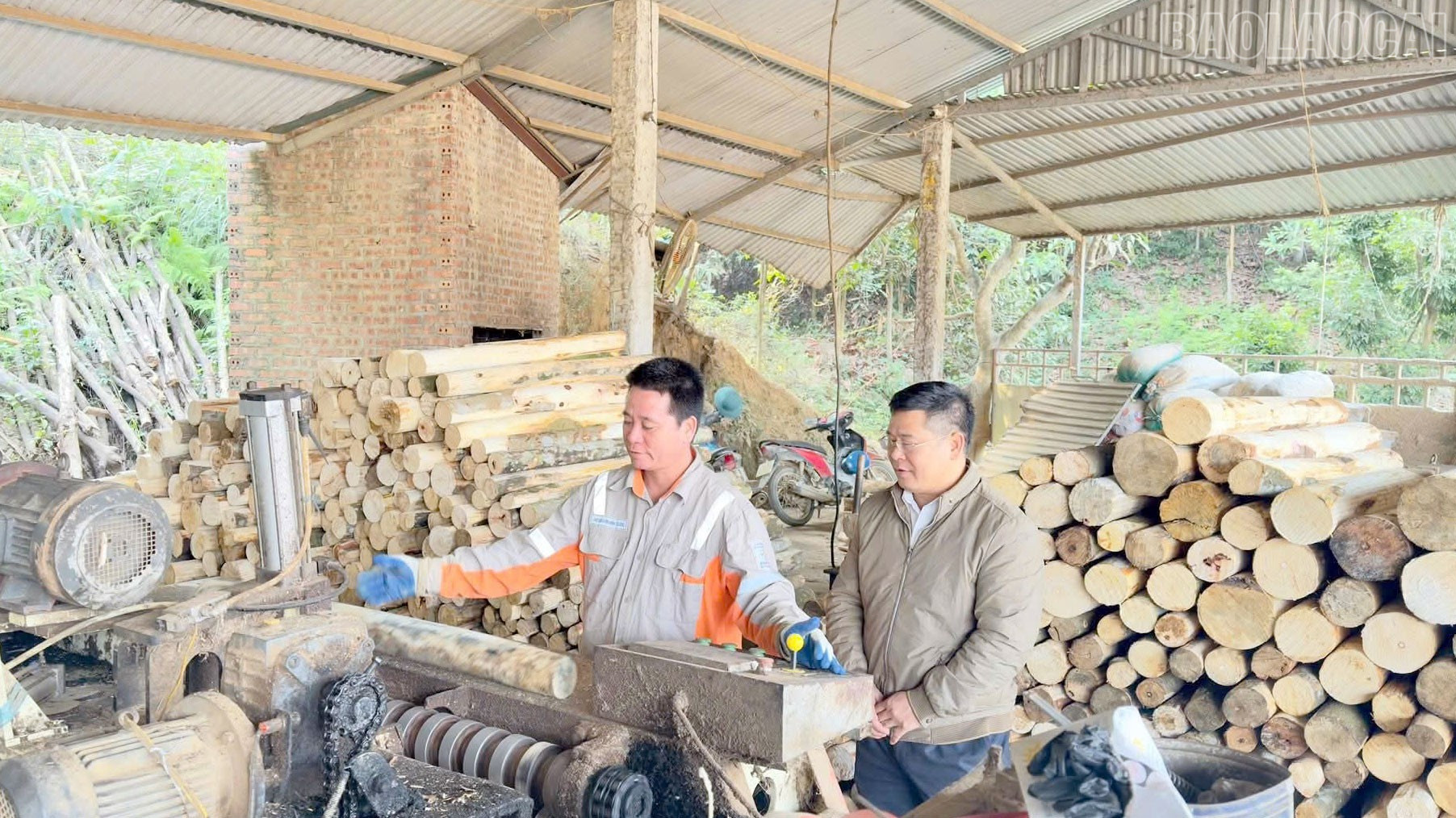
Focusing on implementing policies to support small and medium-sized enterprises, prioritizing the development of cooperatives and production groups for key, organic forestry products; and concentrating on developing a comprehensive infrastructure to meet socio-economic development requirements and improve people's lives are systematic and concrete steps that help Chau Que gradually develop sustainable forestry. This contributes to increasing income, improving living standards, and enhancing the value of production forests for the people.
Source: https://baolaocai.vn/chau-que-phat-trien-kinh-te-rung-post891153.html



































































Comment (0)