

Editor's Note: Mr. Le Minh Hung has been in office as Prime Minister for over a month (since April 7, 2026). As the head of the Government, he began his new term with urgent directives in many areas, and he also demonstrated a decisive stance on priority issues. In particular, on May 2nd, in a directive on reducing administrative procedures and business conditions, the Prime Minister clearly stated the key ministries and sectors and required ministers to take responsibility from the issuance process to the implementation of regulations. From the perspective of a representative of an elected body, Mr. Hoang Minh Hieu – a full-time delegate at the National Assembly's Committee on Law and Justice – had an exchange with a reporter from Tien Phong newspaper regarding the Government's decisive directives and the core solutions to eliminate the formalistic reduction of procedures, the elimination of regulations on paper, and the insertion of privileged regulations. This is also the final part of the series of articles "The 'Jungle' of Administrative Procedures, a Series of Conditions 'Stifling' Business" in Tien Phong Newspaper. Through these articles, we hope to contribute a critical voice on outdated procedures that are not beneficial to citizens and businesses; to encourage and spread new, positive elements. Hopefully, the public administration system in the future will truly change, shifting from management through control to service-oriented governance so that "no one is left behind"...
Without stricter accountability, it's difficult to streamline procedures.
- In this round of administrative procedure and business condition reduction, government leaders not only specifically named ministries and agencies that were slow to reduce regulations but also demanded that ministers and heads of agencies take full responsibility for this issue. In your opinion, how will this pressure change the management mindset of leaders in administrative procedure reform ?
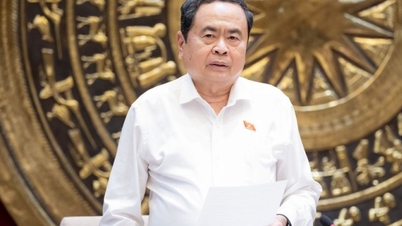
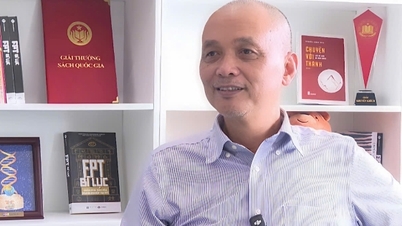
- Mr. Hoang Minh Hieu - a full-time representative at the National Assembly 's Committee on Law and Justice : The Prime Minister's decisive direction to review and reduce administrative procedures and business conditions is a very positive and necessary signal. When the head of an organization is held personally accountable, linked to measurable results, reform is no longer just a slogan but becomes a real pressure to act.
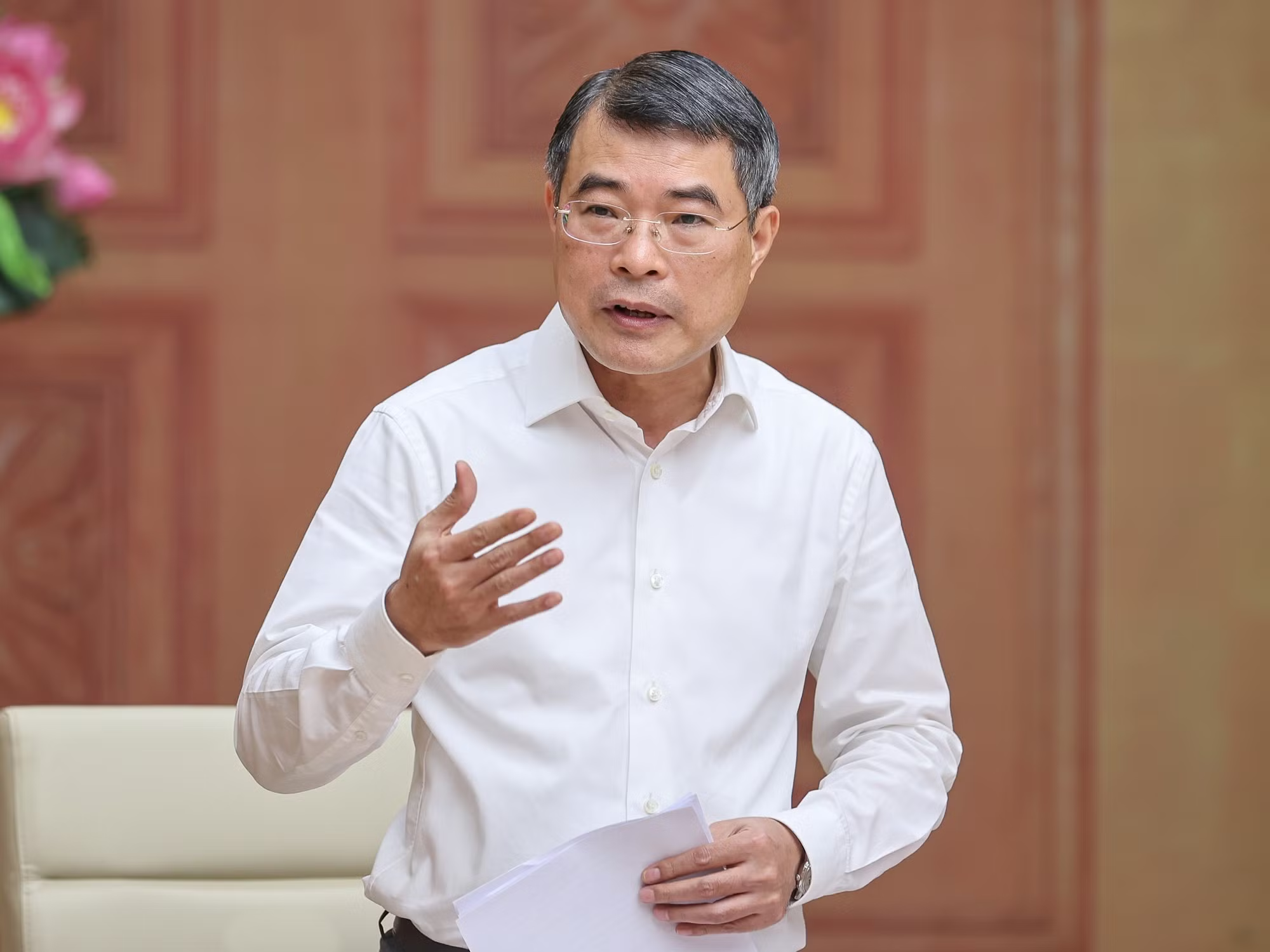
Previously, one of the biggest obstacles to administrative reform was the mindset of playing it safe – doing nothing meant making no mistakes, and doing less meant making fewer mistakes. Ministries and departments tended to retain procedures and business conditions as familiar management tools, even though many regulations were outdated, overlapping, or cumbersome for businesses and citizens.
On May 2nd, Minister and Head of the Government Office Dang Xuan Phong signed Official Letter 3905/VPCP-CĐS addressed to the Ministers of the Ministries of Public Security, Industry and Trade, Agriculture and Environment, Construction, and Justice, conveying the Prime Minister's directive on continuing to review and simplify administrative procedures.
The Prime Minister directed cuts in four areas: fire prevention and control, establishment and operation of industrial parks and clusters, environmental impact assessment, and construction permits.
The Ministers of Public Security, Industry and Trade, Agriculture and Environment, and Construction are to report to the Prime Minister before May 10th on the current status of administrative regulations and procedures (authority, process, methods of implementation, required documents, processing time, etc.).
When the Prime Minister specifically names the ministries that are lagging behind and demands that the ministers take full responsibility, it forces the heads of these ministries to change their approach, especially shifting from management through control to service-oriented governance. This means not only issuing regulations but also closely monitoring the entire implementation process and measuring the actual effectiveness of streamlining procedures for citizens and businesses. When results are quantified by specific indicators and linked to individual responsibility, the heads of ministries will be more proactive in reviewing and simplifying processes and procedures.
This mechanism promotes a shift in governance from a passive to a proactive approach. Instead of waiting for directives or feedback from below, ministries and agencies will have to self-assess and review their own performance to identify bottlenecks and address them early to avoid being singled out for delays.
Clearly defining responsibilities also contributes to fostering a culture of accountability within the administrative apparatus. Leaders are accountable not only for policies but also for the final results. This is a crucial foundation for administrative procedure reform to become substantive, rather than merely a slogan.
Prevent "infiltration" to maintain privileges .
- When working with ministries and agencies, government leaders have also specifically noted that administrative procedures should not be avoided or streamlined simply because of the specific characteristics of each sector . So , how can we clearly distinguish between necessary professional management requirements and the mindset of "inserting" conditions to maintain privileges, sir?
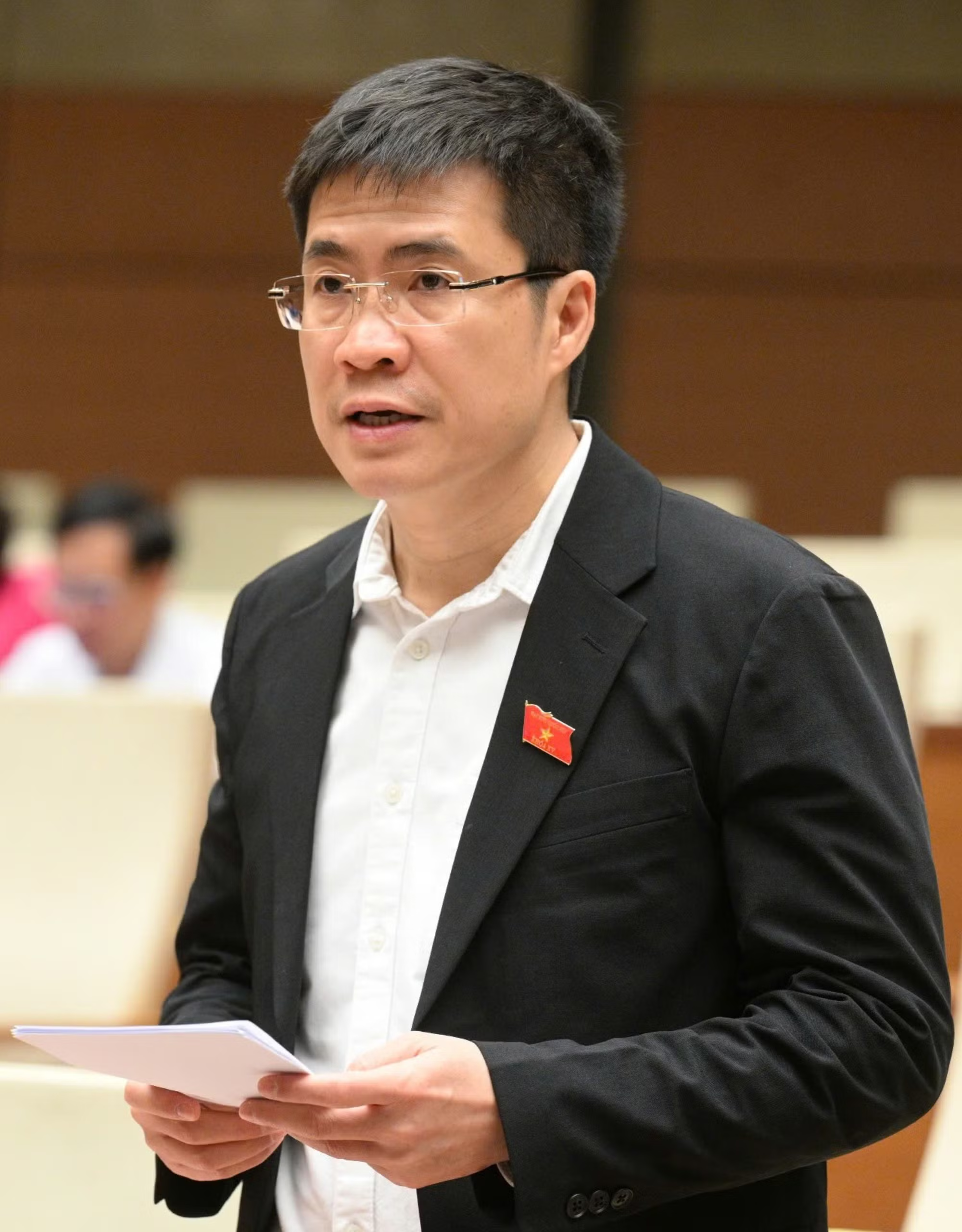
- This is the core question and also the most important point of current administrative procedure reform. In my opinion, to clearly distinguish between necessary management requirements and the risk of "inserting" business conditions, we need to rely on a number of clear principles.
First and foremost, necessity and proportionality must be the criteria for evaluation. A business procedure or condition should only exist when it is truly necessary to protect public interests such as safety, health, and the environment, and the level of intervention must be proportionate to the management risks. If a regulation exceeds necessity or can be replaced by post-audit tools, it should be boldly removed.
Ultimately, the simplest and most reliable measure remains whether businesses dare to invest for the long term, and whether citizens are less hesitant to interact with government agencies. That is precisely the impact we hope to achieve with this round of administrative procedure reform.
Regarding the approach, we believe that increased transparency and independent review are necessary. Any proposals to maintain or add business conditions must be made public, have a clear impact assessment, and involve critical feedback from the business community and industry associations. Those directly affected will be able to identify what constitutes a reasonable regulatory requirement and what constitutes an unnecessary barrier.
- Many people have expressed concerns and suggested that while some procedures are being cut, others are being added. So, in your opinion, how should the policy of reducing administrative procedures be implemented to be substantive, effective, and not merely for show ?
This concern is entirely justified, stemming from the historical reality of administrative procedure reform in our country. There have been periods when we have attempted to reduce administrative procedures, but the results have not been as expected, showing that the gap between policy and implementation remains very large. To achieve genuine, not just superficial, reductions, I believe we need to implement the following directions.
First, we need to change the way we measure success. Currently, we are accustomed to setting targets based on the number of procedures abolished. However, those numbers mean nothing if the actual costs and time for businesses do not decrease. During this term, the Government has set targets to reduce both the time and cost of compliance. This is the right direction, and we need to persistently measure it with actual results, especially the results achieved by citizens and businesses. Accordingly, we need a mechanism for genuinely listening to businesses and citizens; when reforms are measured by the experiences of citizens and businesses, we can avoid the situation where reforms are cut on paper but reappear in reality.
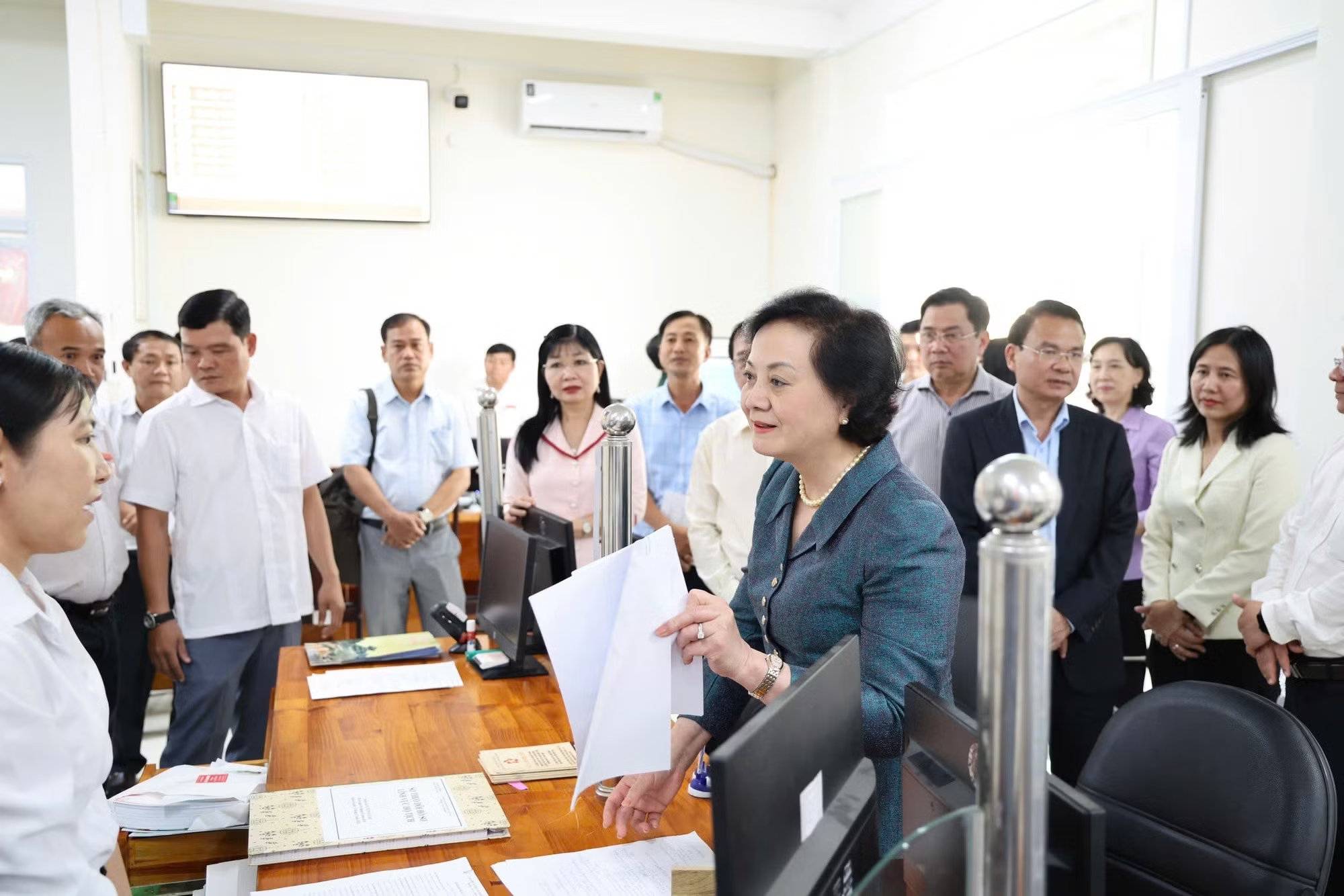
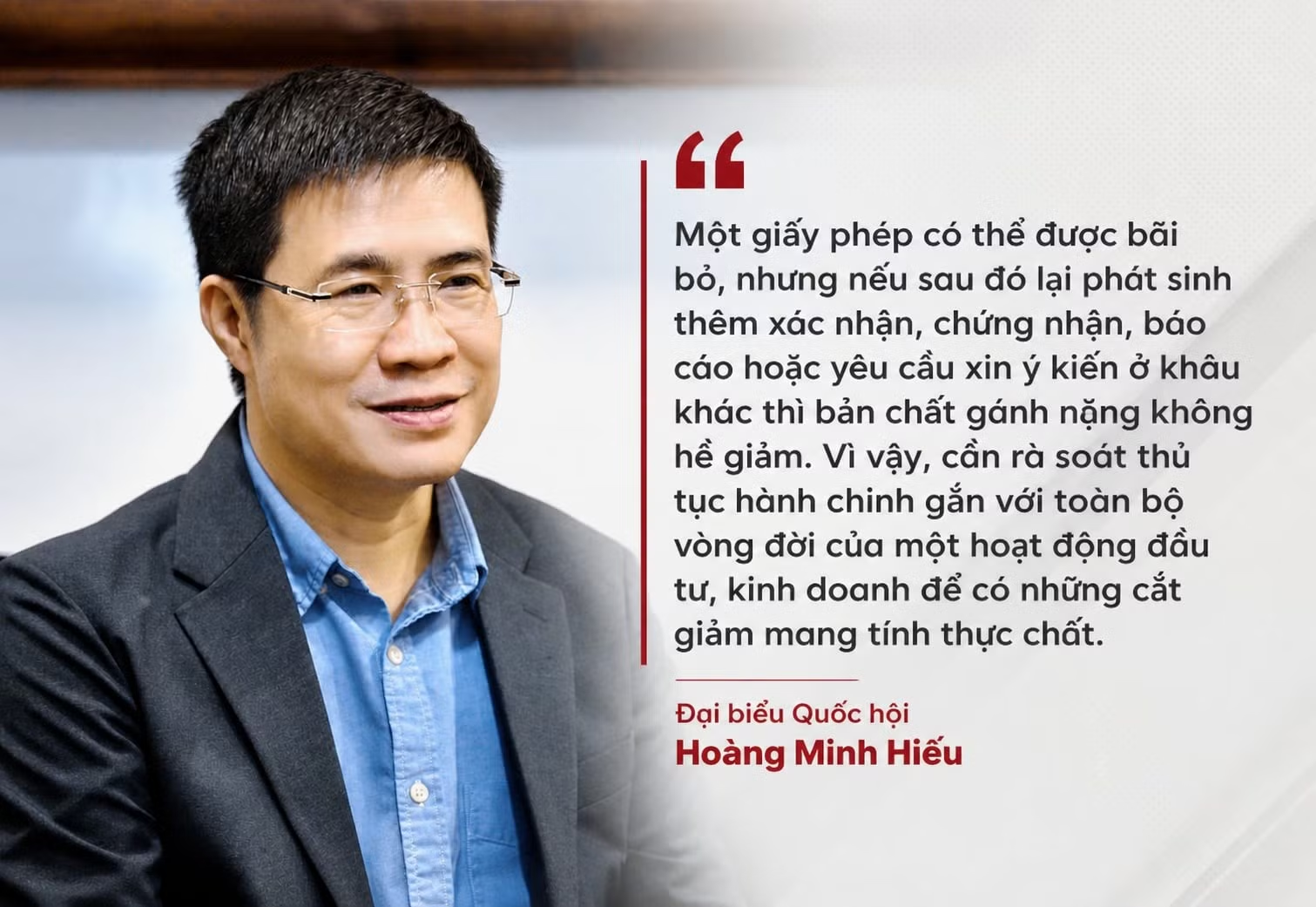
Secondly, it is necessary to consider streamlining administrative procedures along the entire process chain, not cutting down individual procedures in isolation. A license may be abolished, but if additional confirmations, certifications, reports, or requests for opinions arise later, the burden will not be reduced. Therefore, administrative procedures should be reviewed throughout the entire lifecycle of an investment or business activity to achieve substantial reductions.
Thirdly, it is necessary to resolutely prevent the resurgence of new procedures by implementing a mechanism to control input through a thorough policy impact assessment process before issuing any new procedures. Any proposal to issue new business conditions, licenses, certificates, or documents must demonstrate three things: whether they are necessary, whether they are commensurate with the management risks, and whether there are less costly alternatives. If these questions cannot be answered, they should not be issued.
Fourth, there needs to be a strong shift from pre-approval to post-approval based on data and risk management. The state should still regulate, but should not require all businesses to apply for the same permits. Low-risk businesses should be facilitated; high-risk businesses should be subject to targeted inspections.
With openness and transparency, the risk of local customs and traditions will be reduced .
- The policy of "local authorities decide, local authorities act, local authorities take responsibility" is a breakthrough in decentralization and delegation of power . However, to avoid situations where "the king's law is overridden by local customs" or abuse of power when given maximum authority, what kind of monitoring and post-audit system needs to be established , sir ?
This policy is a step in the right direction, but it will only be effective when accompanied by a sufficiently strong monitoring system. I believe this can only be achieved with a clear legal framework for decentralization and delegation of authority, clearly defining responsibilities and tasks. This will provide the basis for effective inspection and supervision.
For effective oversight, it's necessary to combine oversight activities at multiple levels. This includes oversight by elected bodies at the central and local levels, oversight by the press, and oversight by citizens and businesses. When local decisions are made public and transparent, the risk of "local customs" will be significantly reduced.
Regarding inspection mechanisms, there needs to be a strong shift towards post-inspection based on data and risk management. Accordingly, real-time monitoring using operational indicators such as processing time, compliance costs, and satisfaction levels of citizens and businesses should be implemented. Areas showing signs of irregularities will be targeted for inspection to allow for timely adjustments.
- Moreover, the maximum decentralization to local authorities also puts immense pressure on grassroots officials . According to you, what mechanisms are needed to encourage and protect officials who dare to think and act , and who are not deterred by the specific "obstacles" of their respective sectors ?
This is arguably the most difficult problem. Currently, the Government has issued Decree 73/2023/ND-CP on protecting officials who dare to think and act. This decree clearly stipulates that officials who act for the common good, with pure motives and following the correct procedures, will be considered for exemption or reduction of responsibility, even if the results are not as expected.


However, the most fundamental issue is building trust in the implementation of these regulations. Therefore, I believe that we must first create specific and clear precedents for their application. For example, applying the provisions of Decree 73/2023 to specific examples, such as publicly defending officials who dare to think and act, would have significant propaganda value and build trust throughout the entire system.
We need to continue researching and reforming the system for evaluating officials, avoiding a situation where officials who do nothing are not penalized, but those who do work but make mistakes could lose everything. As long as this doesn't change, the mentality of choosing safe solutions and inaction will remain the prevailing trend.
Finally, we need to continue equipping grassroots officials with the necessary implementation capabilities. This is also a key task for 2026, as identified by the new Prime Minister in his address to the National Assembly. In reality, many grassroots officials are not afraid to act, but rather lack the knowledge and skills to do so when they have significant authority but their legal knowledge and management skills haven't kept pace. Therefore, effective training and capacity building for these officials is a prerequisite for effective decentralization.
Thank you very much, sir!
On April 2, 2026, General Secretary To Lam signed and issued Conclusion No. 18-KL/TW of the 2nd Conference of the 14th Central Committee of the Communist Party of Vietnam on the Plan for socio-economic development, national finance, public borrowing and repayment, and medium-term public investment for the 5 years 2026-2030, linked to achieving the goal of double-digit growth. Conclusion No. 18-KL/TW clearly states the requirement to complete a 50% reduction in the time and 50% reduction in the cost of complying with administrative procedures in 2026 compared to 2024 (at the central and local levels) in the second quarter of 2026, and to strive to further reduce at least 30% of conditional business sectors and eliminate 100% of unnecessary business conditions; and to study the establishment of a specialized agency to act as a focal point for receiving, supporting, and definitively resolving administrative procedures for businesses.
Source: https://tienphong.vn/chi-lenh-dac-biet-tu-thu-tuong-post1839199.tpo
























































































Comment (0)