

 |
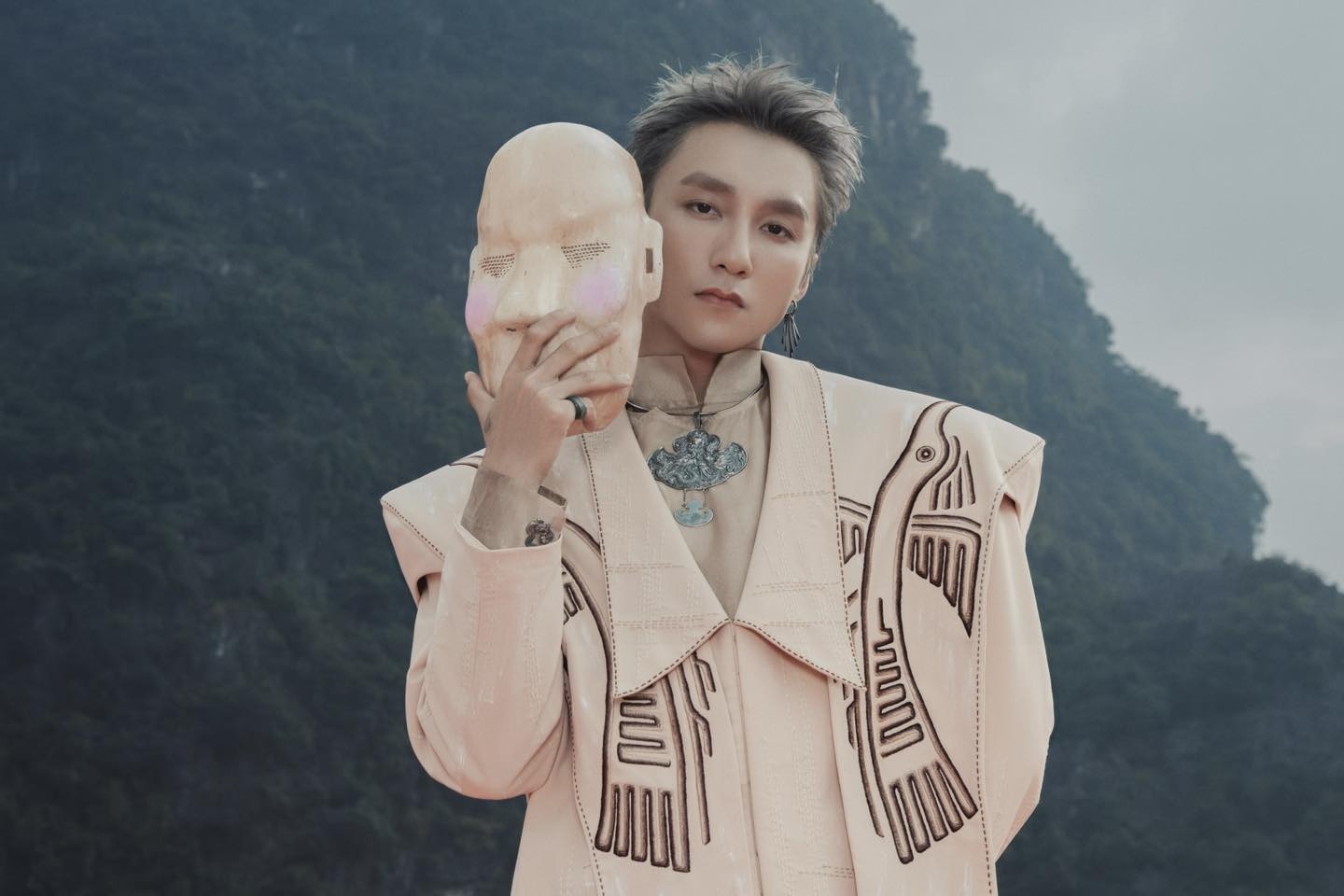
Sơn Tùng M-TP previously posted a photo of himself holding a mask before releasing the music video for "Come My Way". |
On the evening of May 28th, Son Tung M-TP released his new music video titled "Come My Way ," a collaboration with rapper Tyga. The video quickly garnered attention, reaching one million views in just 8 minutes after its premiere on YouTube. By 8 AM on May 29th, the MV had recorded nearly 8.5 million views.
In his new product, the male singer continues to pursue inspiration from traditional culture, a theme that has appeared in several previous music videos. The highlight of the MV is the image of the masked dancers, inspired by the Xuan Pha folk dance art, appearing throughout many segments. In a scene filmed in the scenic Trang An area, Son Tung M-TP and the dance group perform on a small stage with characteristic masks, creating a space that is both modern and rich in folk culture.
According to the Ministry of Culture, Sports and Tourism, the Xuan Pha performance is a folk performance depicting the scene of five ancient kingdoms, including China, Hoa Lang, Tu Huan, Champa, and Ai Lao, bringing gifts and dance and song performances to congratulate the emperor of ancient Vietnam.
This art form has been developed for over 1,000 years, becoming a unique folk dance ensemble that takes place annually from the 10th to 12th of February in the lunar calendar at the Xuan Pha Temple relic site in Tho Xuan commune, Thanh Hoa province. In 2017, the Xuan Pha performance was recognized as a national intangible cultural heritage.
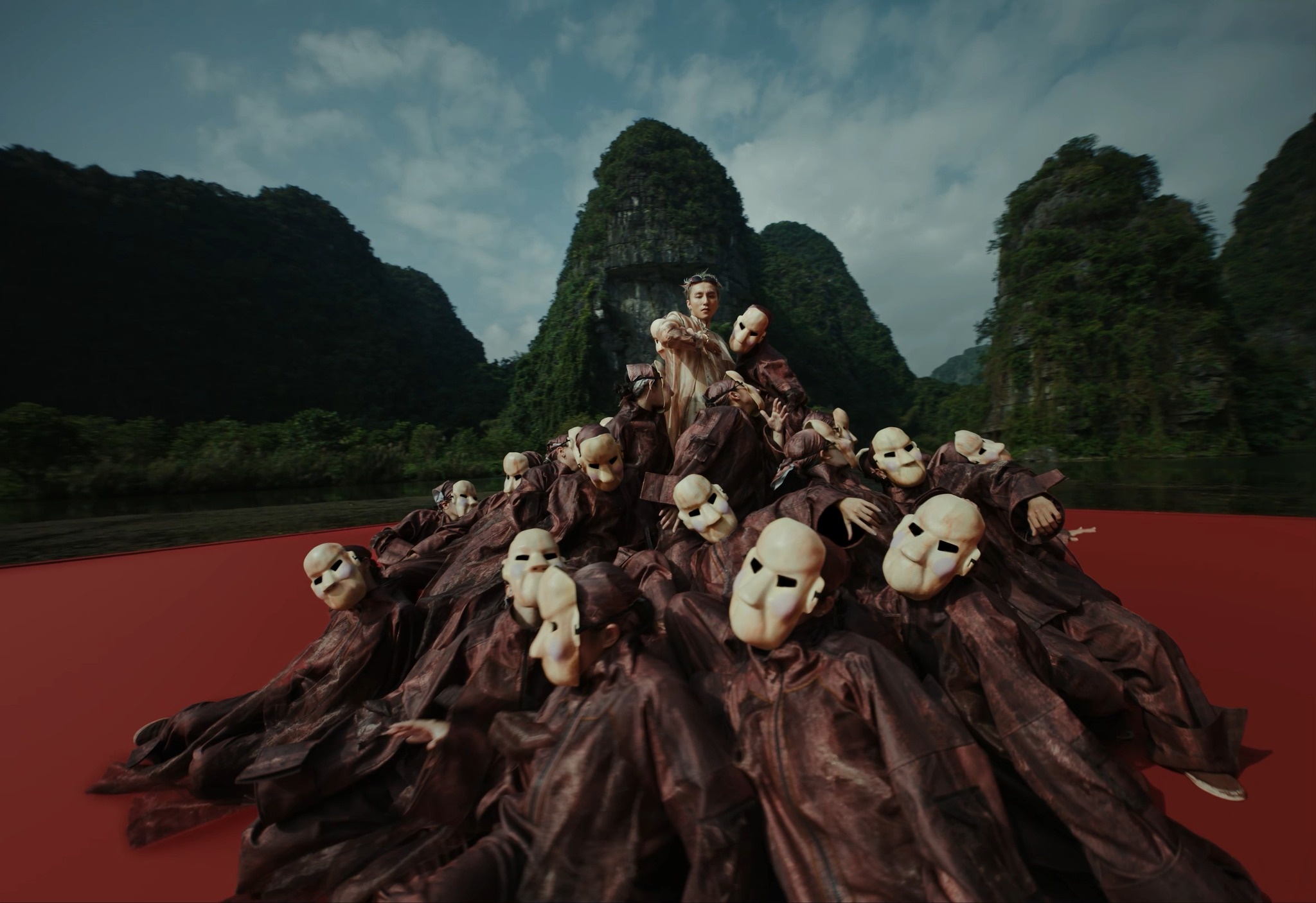 |
The group of masked dancers performed amidst the scenic beauty of Trang An. |
The people of Xuan Pha village believe that the performance originated in the 9th century, associated with the legend of the village's tutelary deity helping King Dinh Tien Hoang quell the rebellion of the 12 warlords. To commemorate this contribution, the king organized a festival at the temple and bestowed upon the villagers five traditional dances to perform annually during the festival.
The Xuan Pha performance consists of five dances: Hoa Lang, Chiem Thanh, Ai Lao, Ngo Quoc, and Tu Huan (Luc Hon Nhung), each with its own meaning. A special feature of this art form is that three of the five dances use masks: Chiem Thanh, Hoa Lang, and Luc Hon Nhung.
The dance movements in the Xuan Pha performance are characterized by their free-flowing, vigorous yet graceful movements, reflecting the spirit of "strength within gentleness, and gentleness within strength." The formations and dance movements contribute to highlighting the cultural nuances of rice cultivation and the graceful, discreet yet powerful nature of the Vietnamese people.
After centuries of existence and being passed down from generation to generation, the Xuan Pha performance has gradually perfected its mask-making techniques, props, costumes, music , and lyrics. The dances reflect cultural diversity, community representation, and enduring transmission, becoming one of Vietnam's most distinctive forms of folk performing arts.
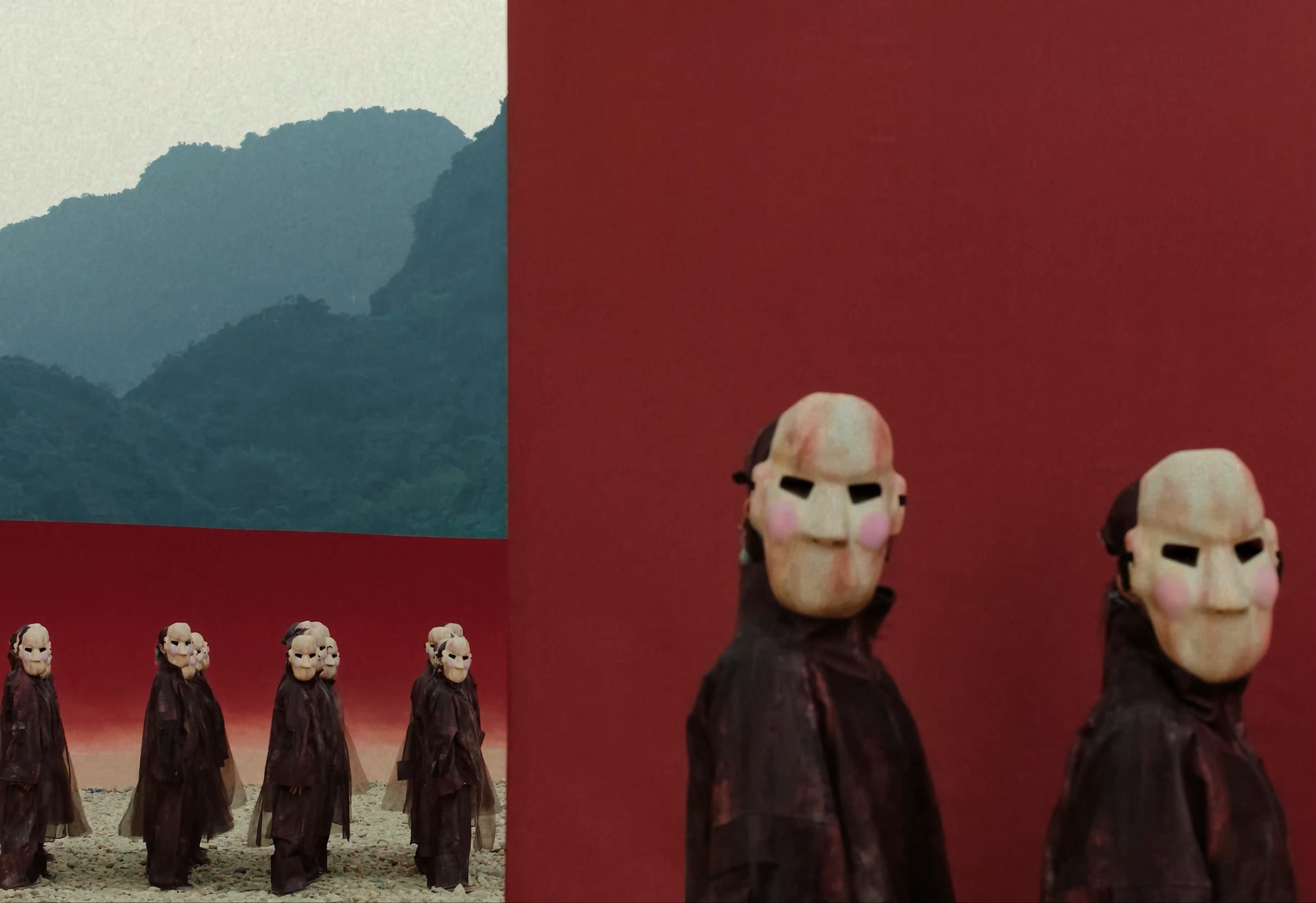 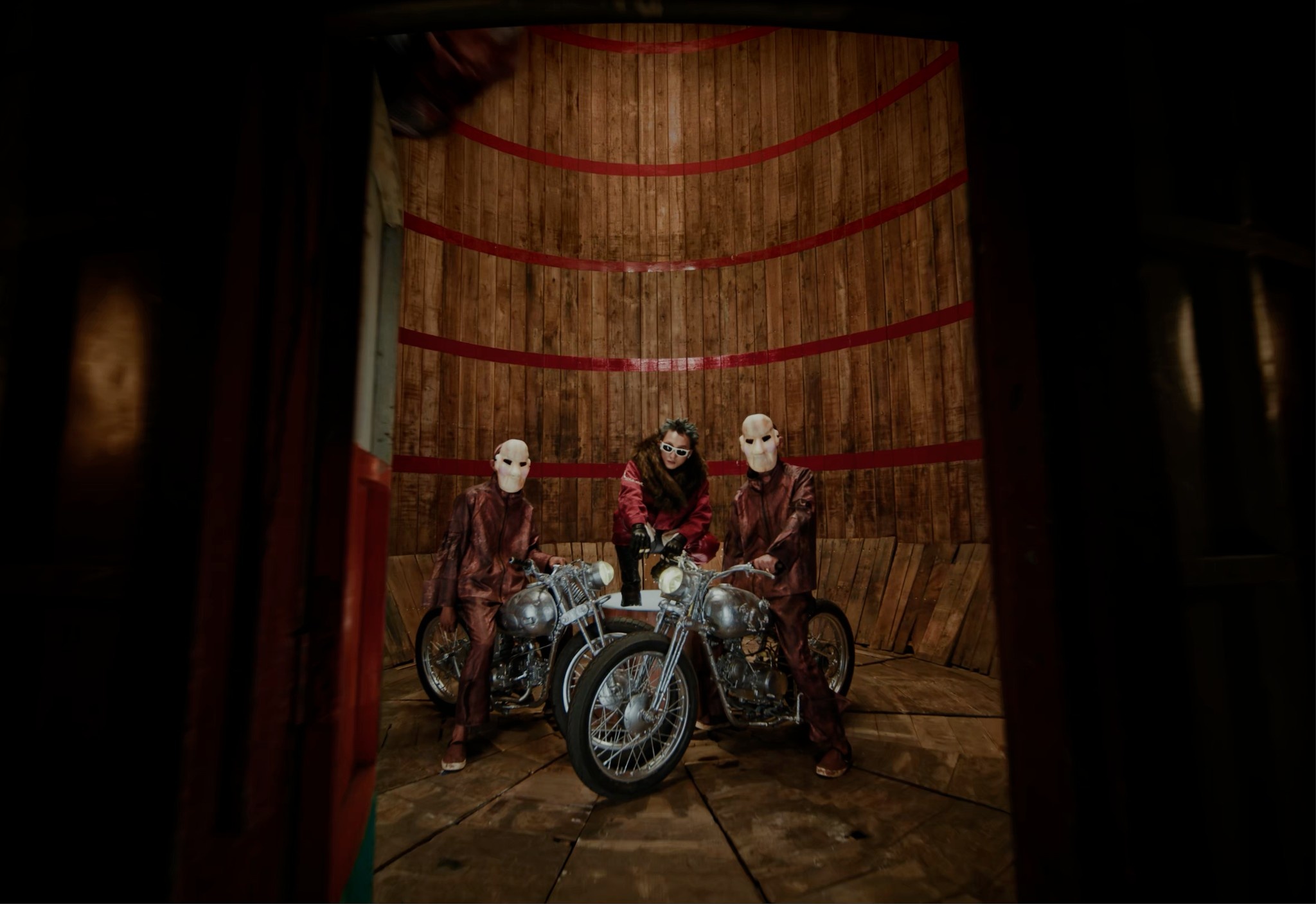 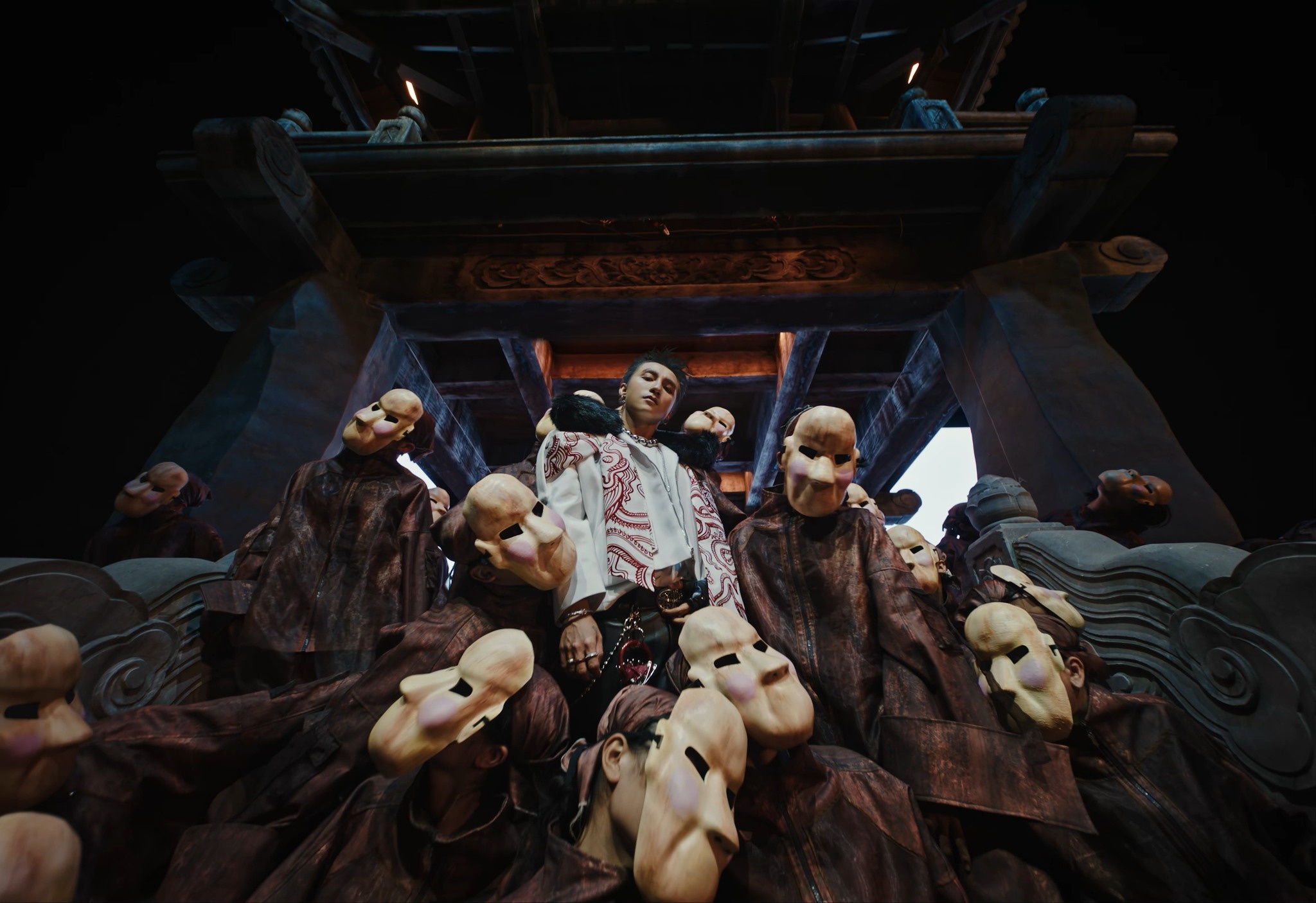 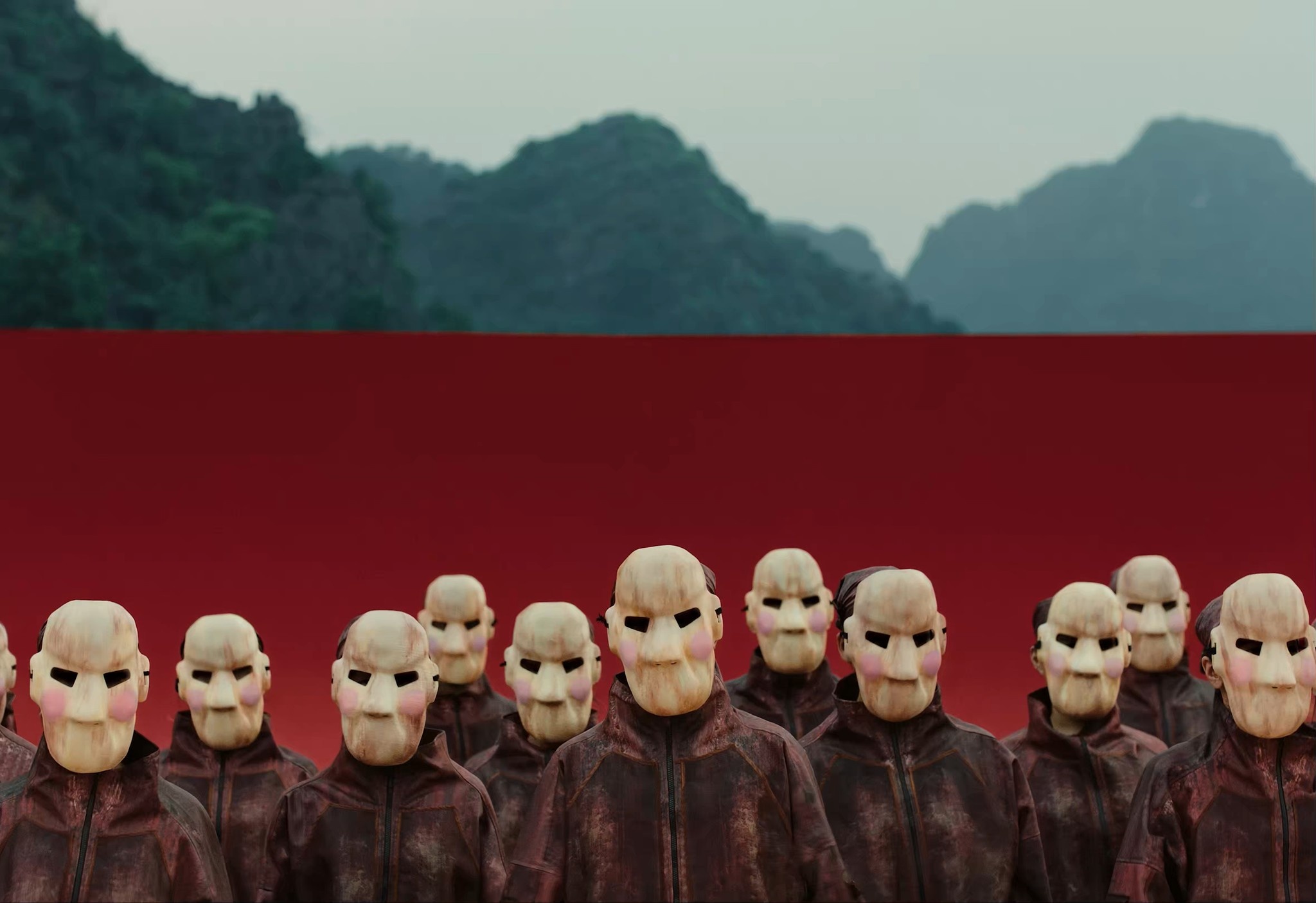 |
Images of dancers wearing wooden masks appear throughout Sơn Tùng - MTP's "Come My Way" music video. |
Source: https://znews.vn/chiec-mat-na-trong-mv-cua-son-tung-m-tp-post1655155.html
![[Image] Pleasant weather helps students enter the 10th grade entrance exam with confidence.](https://vphoto.vietnam.vn/thumb/1200x675/vietnam/resource/IMAGE/2026/05/29/1780034401612_ngay-1-thi-lop-10-minh-duy-8-5009-jpg.webp)

![[Photo] Ba Lang An Lighthouse - the "eye of the sea" amidst the "rock museum" of Quang Ngai province.](https://vphoto.vietnam.vn/thumb/1200x675/vietnam/resource/IMAGE/2026/05/29/1780038698840_anh-man-hinh-2026-05-29-luc-14-10-42.png)


























































Comment (0)