

Effectively protect domestic production.
With a trade volume among the world's top 20 economies and an expanding network of free trade agreements, Vietnam is increasingly becoming a frequent target of trade defense measures.
In 2025, domestic trade defense efforts continued to be implemented proactively and systematically. Authorities handled 9 trade defense investigation cases carried over from the previous year, completing 8 cases; and initiated 6 reviews, including 4 end-of-term reviews and 2 annual reviews. In addition, 3 new investigations were initiated, including investigations into new products and circumvention of trade defense measures.
To date, Vietnam has implemented a total of 48 trade defense measures, of which 37 are currently in effect. These measures are considered to have yielded significant results, protecting domestic businesses' revenue by approximately 600,000 billion VND, creating jobs for over 56,000 direct employees and hundreds of thousands of indirect employees, and contributing over 1,500 billion VND to the state budget.
These figures show that trade defense has become a crucial pillar in the policy of protecting domestic production, contributing to maintaining the competitiveness of Vietnamese businesses right in the domestic market.
Conversely, Vietnamese exports in 2025 will face 21 new trade defense cases from 11 different markets. These cases are not only increasing in number but also becoming more complex in terms of investigation content, with new issues such as cross-border subsidies emerging. The United States continues to be the market initiating the most investigations with 7 cases, accounting for approximately 33% of the total. The steel industry is the most affected sector with 9 new cases, equivalent to 43%.
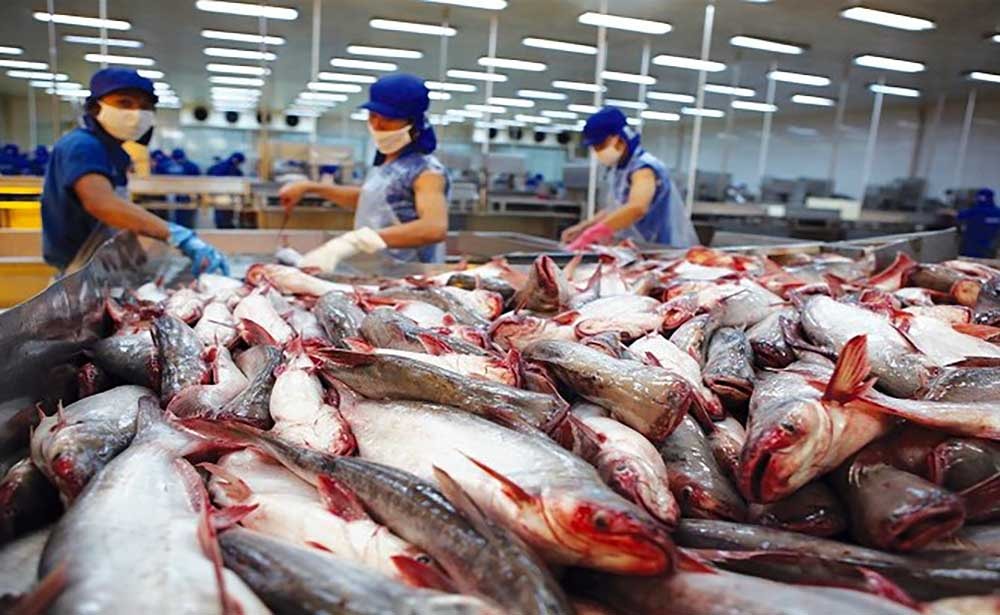
However, with the support of specialized agencies, over 50% of cases in 2025 achieved positive results, helping businesses avoid or only face low tax rates. Many notable cases recorded favorable outcomes, such as Canada concluding that imported semi-trailers from Vietnam did not evade taxes; several large businesses benefiting from a 0% tax rate in the EU anti-dumping investigation into hot-rolled steel; and pangasius and basa fish businesses eligible for review in the United States continuing to receive a 0% tax rate. Most recently, the preliminary anti-dumping duty on Vietnamese honey in the United States was significantly reduced from the initial level. These results demonstrate the effectiveness of a proactive, cooperative, and evidence-based approach.
From defensive to proactive, anticipating, and leading.
Entering 2026, the trend of trade protectionism is predicted to continue to increase, requiring trade defense measures to be elevated to a new level.
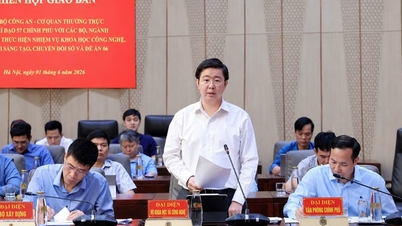
Deputy Minister of Industry and Trade Nguyen Sinh Nhat Tan requested the Trade Remedies Department to review, propose amendments, and improve the Law on Foreign Trade Management to create a more complete, flexible, and appropriate legal framework for deep integration into the global economy. Along with this, trade remedies need to play a more effective role as a "shield" protecting domestic production, not only in terms of defense, but also in proactively detecting and preventing circumvention and harmoniously handling exemption requests.
In particular, communication and awareness-raising efforts for businesses should be identified as a key task, helping businesses understand that trade defense is not only the responsibility of state agencies but also their direct right and obligation.
A notable step is the Ministry of Industry and Trade's approval of the Project to build a database of domestic manufacturing industries for the period 2025-2030. The project aims to create a comprehensive data system to serve the investigation, monitoring, and evaluation of the effectiveness of trade defense measures. According to the roadmap, by 2026, the database for at least five key manufacturing industries will be completed, and specific guidelines on data establishment, operation, and sharing will be issued. By 2030, it will expand to 20 industries and strengthen data connectivity and exploitation between management agencies and businesses.
The shift from a case-by-case approach to a data-driven, predictive, and preventative approach is seen as an inevitable direction, helping Vietnam's trade defense capabilities keep pace with the increasing complexity of global trade. In this context, the proactive approach of businesses, along with a robust legal and data-driven system, will be decisive factors for Vietnam not only to withstand protectionist waves but also to effectively capitalize on opportunities arising from integration in the coming period.
Lawyer Nguyen Thi Phuong Thao from IDVN Law Firm advises businesses not to view responding to trade defense cases as solely the responsibility of government agencies, but rather as a direct obligation and right of the businesses themselves. According to her, businesses need to overcome any hesitation, proactively cooperate, and seriously participate from the initial stages of the case to protect their legitimate interests.
Source: https://daibieunhandan.vn/chu-dong-phong-ve-thuong-mai-bang-du-lieu-10405641.html












































































































Comment (0)