

In the vibrant atmosphere of the new year, the enterprise enters a new phase of development following a historic share transfer: Laos holds 60% and Vietnam holds 40%. This adjustment in ownership structure not only changes the governance model but also marks a new level of economic cooperation between the two countries, placing Vung Ang in the position of a "strategic gateway" that Laos has long desired. This is a rare model in the region – a seaport jointly owned, developed, and sharing long-term benefits by two countries.
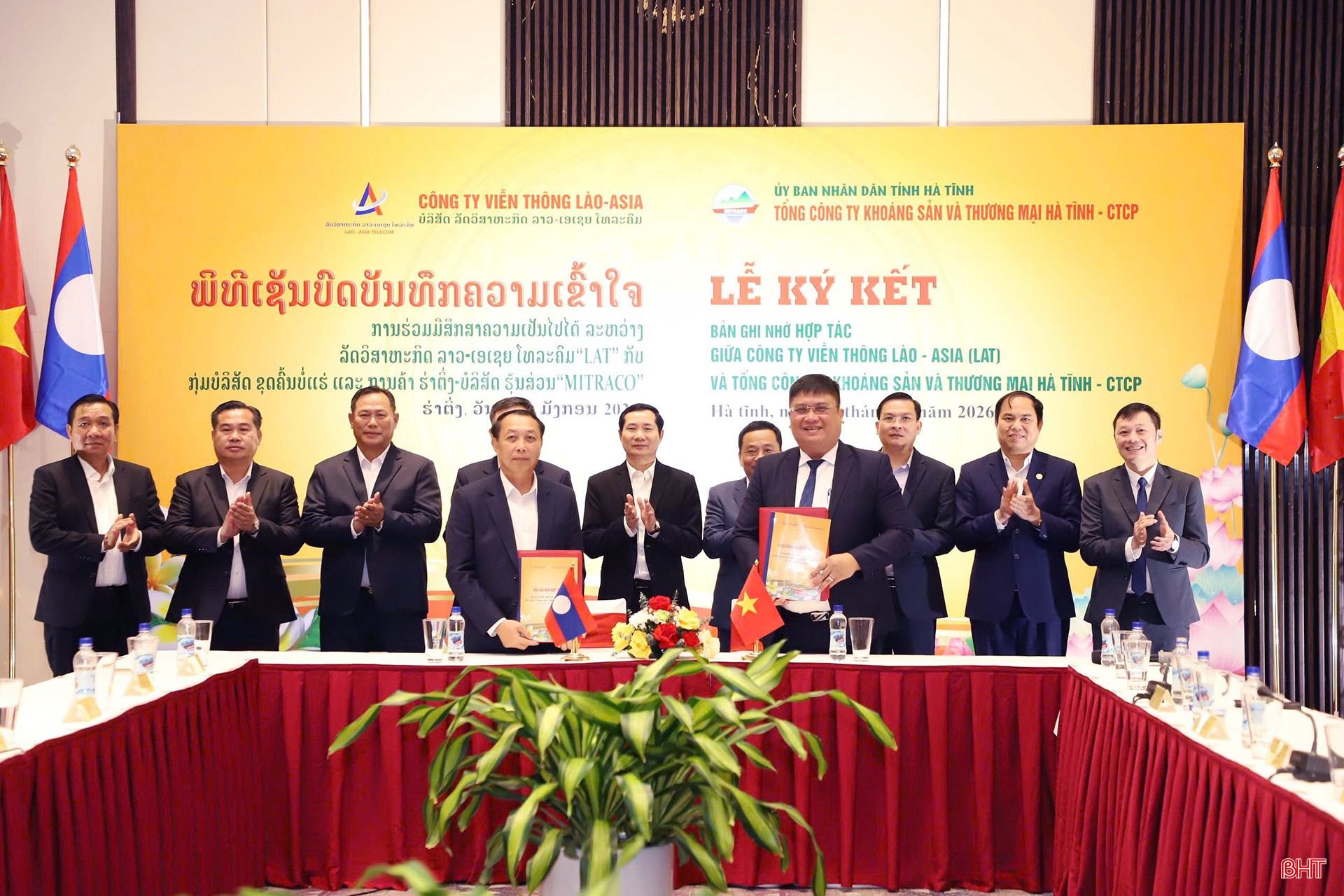
Mr. Bun My Malavong, Deputy General Director of Lao-Asia Telecommunications Company and Deputy Director of Lao-Viet International Port Joint Stock Company, stated: “The greatest significance of holding 60% of the shares is not the capital, but the strategic confidence. We believe Vung Ang will be the gateway for Lao goods to reach the world . And we have even more confidence in the Vietnamese side's management in the journey of building a regional logistics center…”
This reassuring statement profoundly affirms the value of a robust cooperative model where economics and politics blend together in the most natural way.
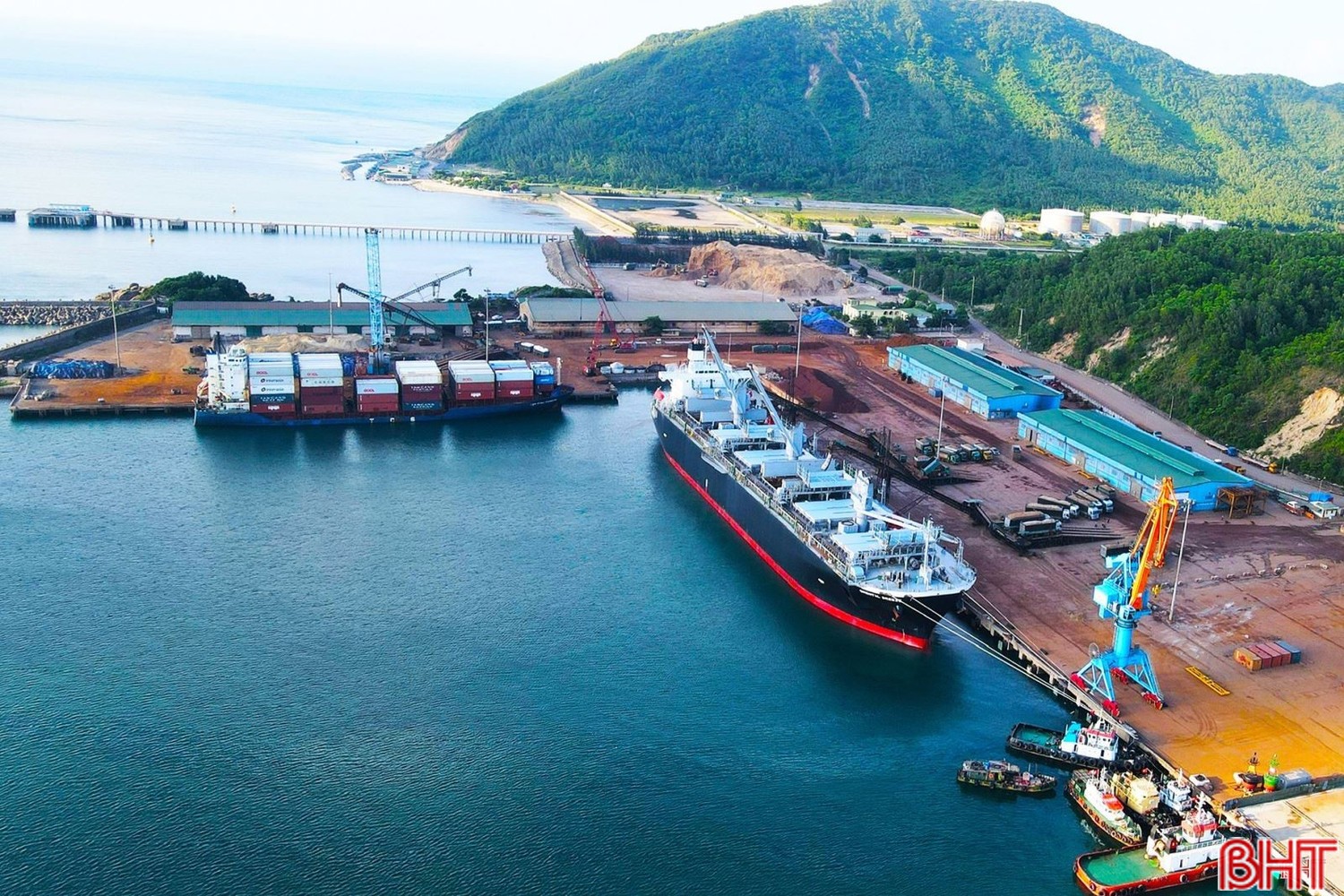
The year 2025 has witnessed significant business activity. Despite the volatile global economic landscape, cargo throughput at the port continues to show positive signs. The volume of goods handled at the Lao-Viet International Port in 2025 is projected to exceed 6.8 million tons, with transit cargo from Laos continuing to account for a large proportion, including key commodities such as iron ore, wood chips, and potassium. The commissioning of Berth No. 3, capable of receiving 45,000 DWT vessels and handling over 2 million tons per year, has increased the total port capacity to nearly 7 million tons per year, representing a major infrastructure upgrade.
However, the most important highlight is the commissioning of the Hai Phong - Vung Ang - Hai Phong container route with Macstar Group Joint Stock Company (Macstar) in August 2025, opening a new chapter for the Lao-Vietnamese International Port in its integration into the international logistics chain. This scheduled container route significantly reduces transit time, saves costs, and especially facilitates the delivery of Lao goods to many continents through the transshipment system in Hai Phong.
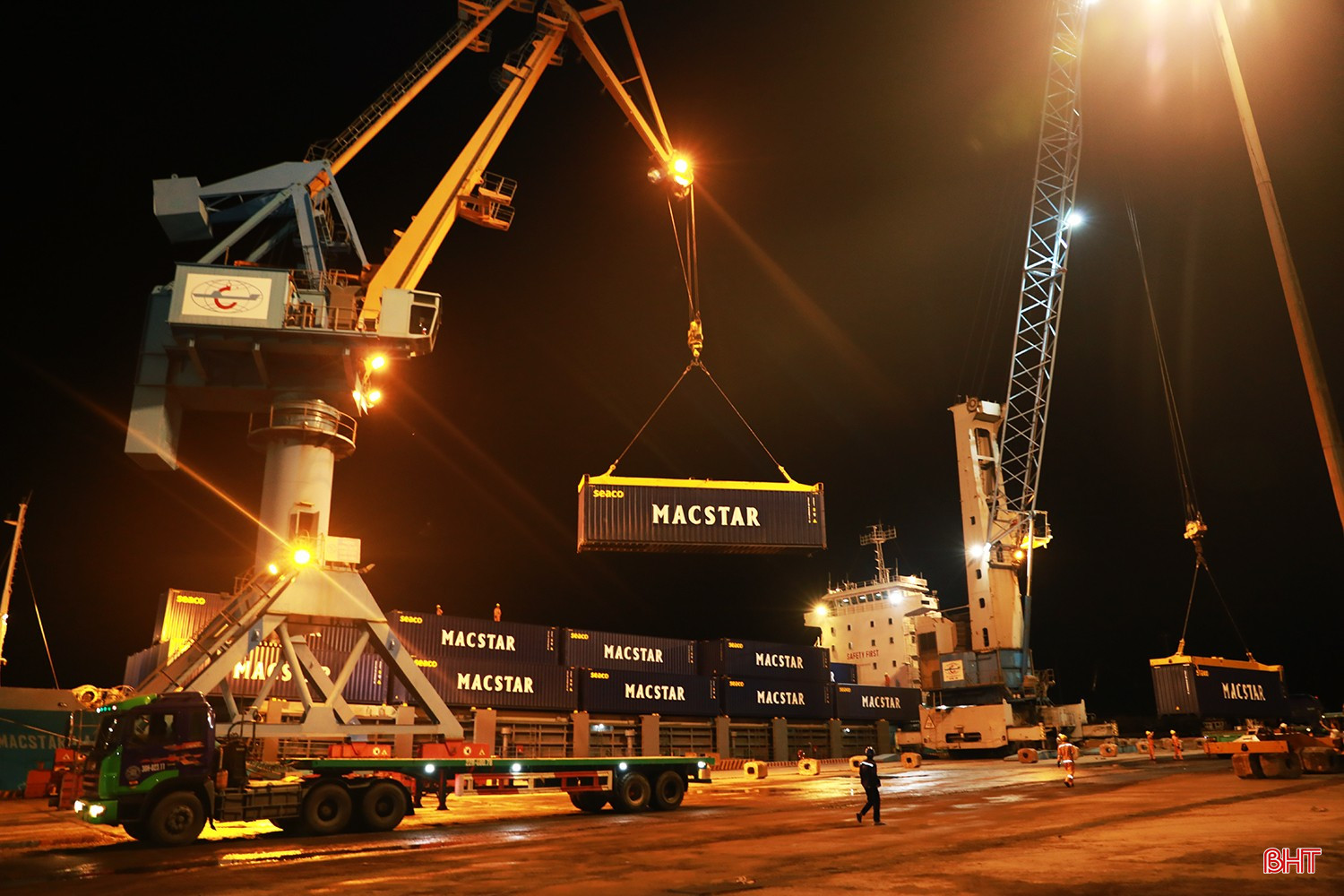
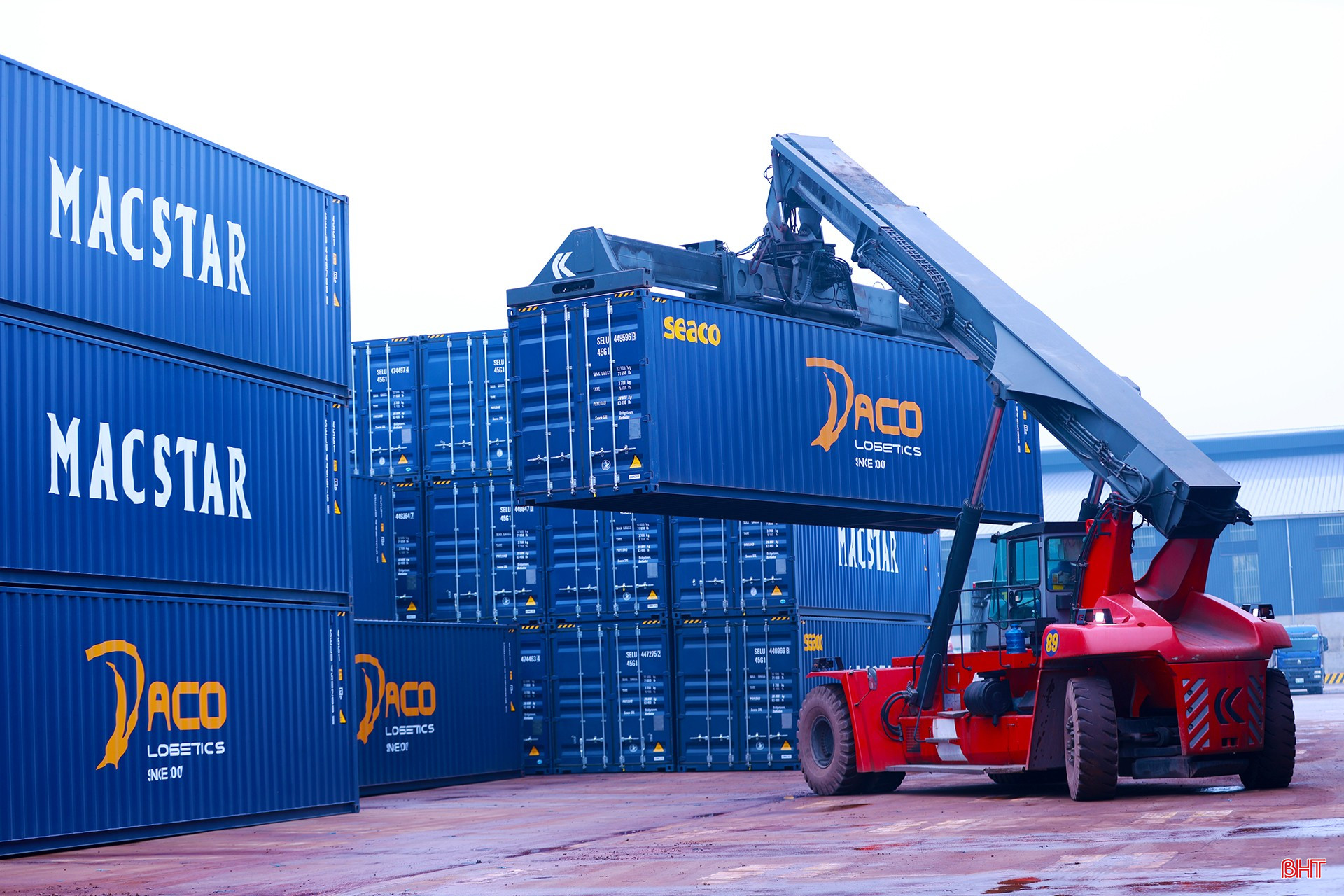
Mr. Cap Trong Cuong, General Director of Macstar, commented: “This container route is a strong impetus for Vung Ang to become a transshipment center of the Indochina region. We are committed to long-term partnership to develop the logistics system in the Vung Ang Economic Zone...”.
The new container route has led to a significant increase in customs clearance capacity. Warehouses, container yards, and workshops have been expanded, and businesses have accelerated digital transformation in cargo monitoring, yard control, electronic payments, and standardized procedures, facilitating customs clearance operations.
In the early spring atmosphere, the leaders of the Lao-Viet International Port Joint Stock Company also demonstrated renewed determination. Mr. Nguyen Anh Tuan - Director of the Lao-Viet International Port Joint Stock Company shared: “Vung Ang Port possesses advantages that many other ports do not have: a strategic location in the East-West economic corridor, support from both governments, and a large demand from the Lao and Thai markets. Our goal for 2026 is not only to increase throughput, but also to comprehensively modernize and bring Vung Ang into the group of ports with the strongest all-inclusive logistics services in Central Vietnam…”
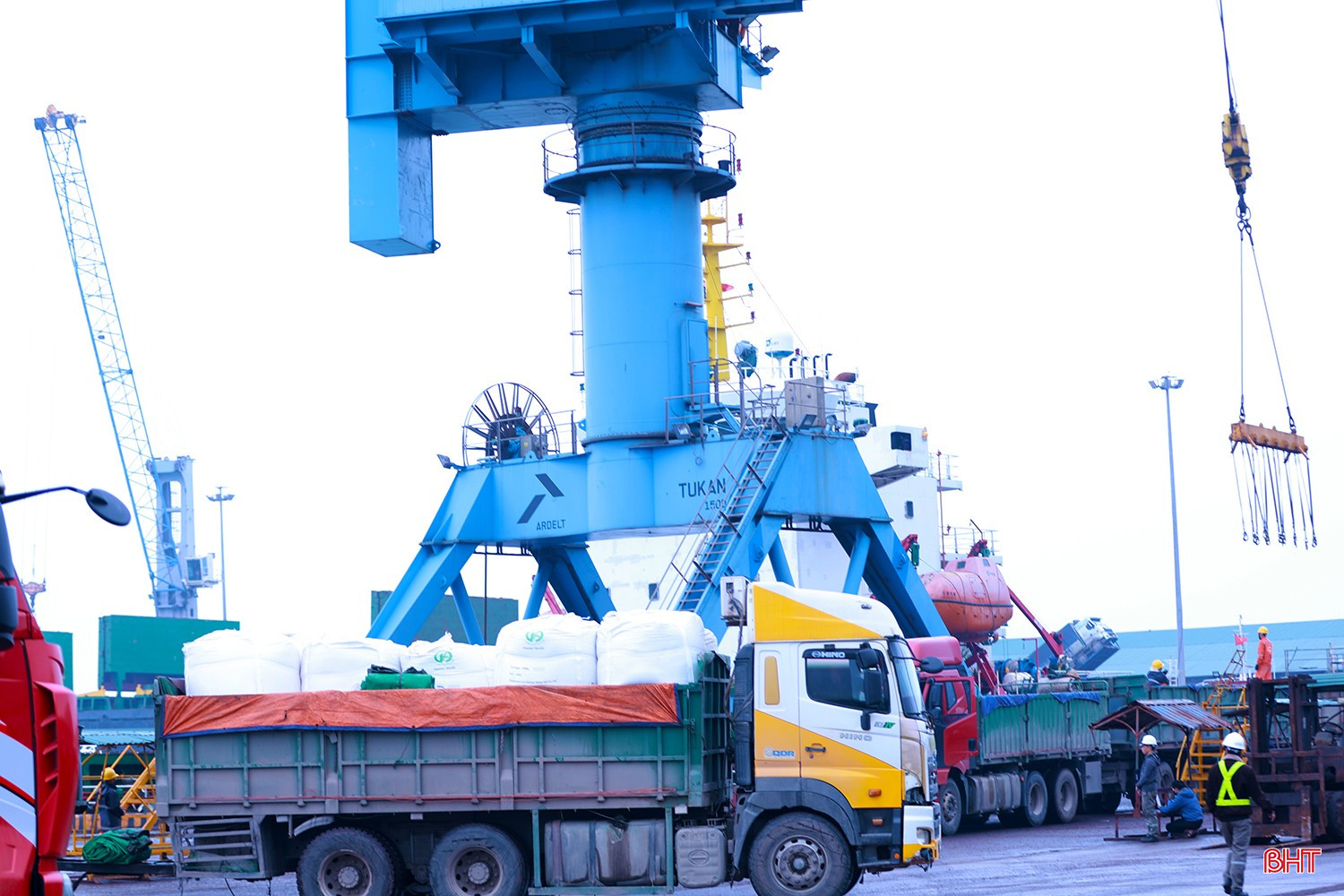

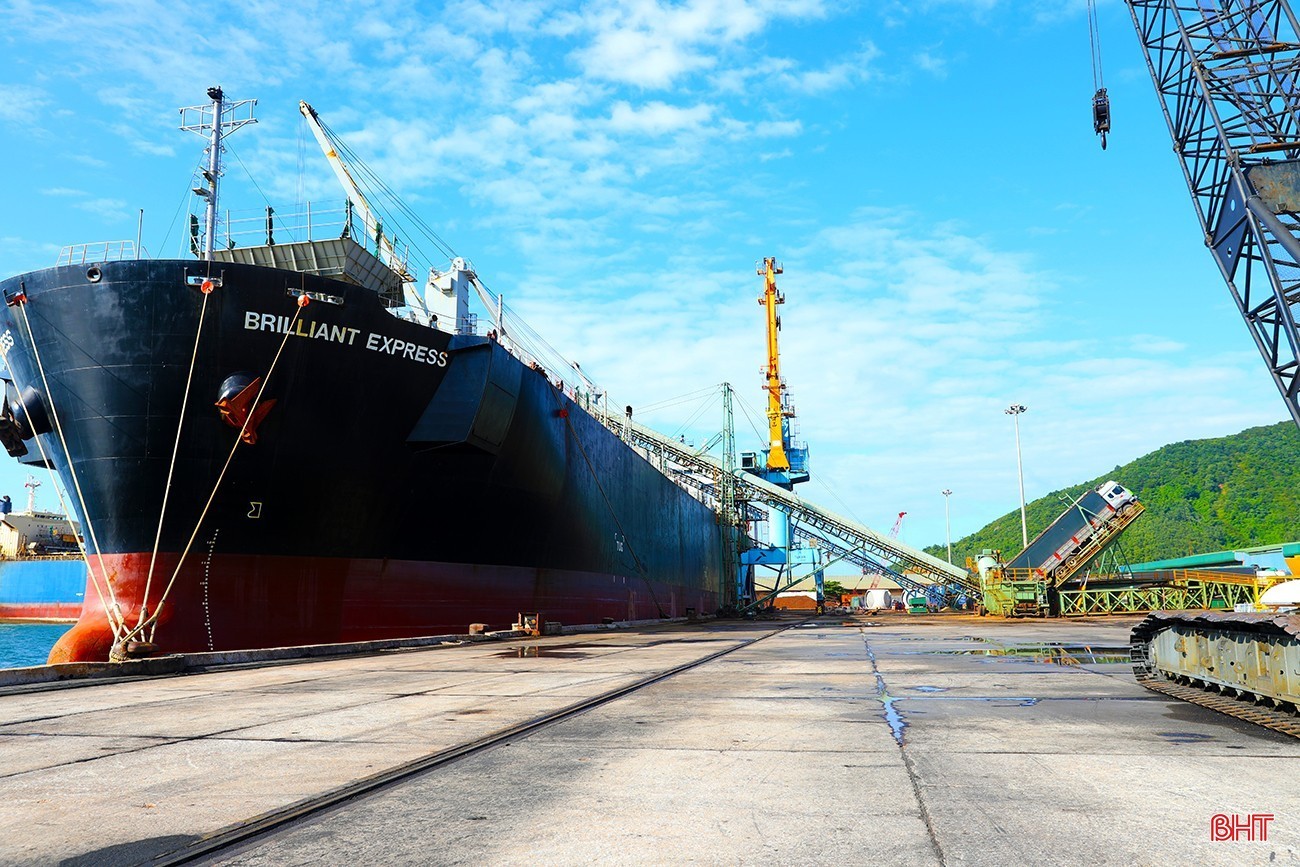
Looking at it from a broader perspective, the development of the Lao-Vietnamese International Port is not simply about economic significance. It is a clear testament to the loyal and steadfast relationship between the Vietnamese and Lao peoples. Over time, this trust has become the foundation for a rare model of economic cooperation. Vung Ang Port not only holds symbolic value but also reflects the strategic vision of the two governments in identifying Vung Ang as a convergence point for the interests of both economies, a cornerstone for Laos to expand its international trade relations, and a contributor to increasing Vietnam's logistics competitiveness.
Entering 2026, the first year of a new development cycle, the company has identified key objectives and tasks. First and foremost, it will focus on monitoring and understanding the cargo throughput of major projects currently underway or planned for the future, such as Vingroup's projects in the Vung Ang Economic Zone; and wind power projects in Ha Tinh, Quang Tri, and Laos. Simultaneously, the company will prioritize efficient business operations, capital preservation and growth; strive to achieve targets for revenue, profit, and tax contributions; improve income and living standards, ensure stable employment for workers; and guarantee absolute safety in all areas.
These are not just immediate economic goals, but also reflect the aspiration to expand the scope of cooperation, where Vietnam and Laos share benefits, jointly invest in infrastructure development, and develop a maritime economic corridor.
Looking back at the early days of the year, when ships were still diligently entering and leaving the port, when rows of containers filled the docks, one could easily sense that Vung Ang Port was entering its most prosperous period. The aspiration to expand development space for both countries is gradually becoming a reality with each ton of cargo, each ship, and each new service route.
And just as spring always brings hope and new vitality, the Lao-Viet International Port Joint Stock Company continues to play a pioneering role, not only in handling goods but also in shaping the future of Vietnam-Laos cooperation. One seaport, two nations, one shared aspiration: to reach out to the open sea and stand shoulder to shoulder in the regional and global economic flow.
Source: https://baohatinh.vn/chung-khat-vong-vuon-ra-bien-lon-post305788.html


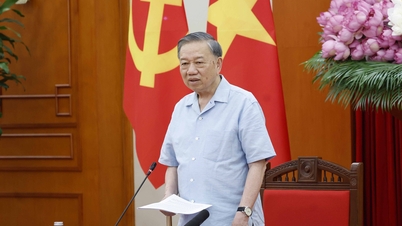
![[Photo] General Secretary and President To Lam presides over a meeting on preparations for the review of one year of operation of the three-tiered government system.](https://vphoto.vietnam.vn/thumb/1200x675/vietnam/resource/IMAGE/2026/06/02/1780391821195_a1-bnd-4595-9717-jpg.webp)























































Comment (0)