

 |
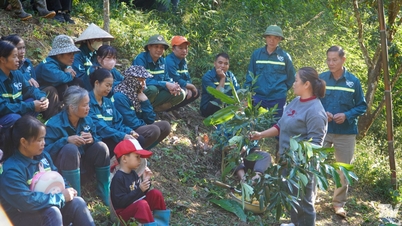
| Researchers and representatives of tea cooperatives exchange views on tea culture. Photo: Provided. |
A cup of tea to start the conversation.
Although I wasn't born in Thai Nguyen , a place considered the "finest tea region," I grew up in this land surrounded by tea plants and deeply connected to Thai tea. I personally picked mature tea seeds, separated from their dry, brown, rough husks, to sow them and prepare the planting beds. I also lit the fire, burning reeds to roast the tea in a large cast-iron pan, my hands blackened from handling the tea leaves and burning from the aroma. Over the years, I've come to understand the sweat of the tea growers and the process that produces the unique flavor of Thai tea.
I don't aspire to discuss the tea-drinking methods now elevated to the status of "the art of tea appreciation." But I know there's a truly authentic, rustic, and very popular way of drinking tea, practiced by the people of Thai Nguyen – the very people who toil to produce the renowned, top-quality tea.
During the subsidy period, the economy was difficult. On some early winter mornings, while I was still curled up in my blanket, I would see my father getting up to light the stove and boil water for tea. He would say, "Drink a strong, hot cup of tea and you won't be hungry all morning; you don't need breakfast…" The warmth of that cup of tea still lingers in my hands whenever I remember those difficult times.
On some hot summer afternoons, with the sun blazing down on the fields, the neighbors working in the fields would call out to each other, putting down their plows, tying up their buffaloes, finding a shady spot under a bamboo grove, and pouring out a pot of green tea brewed since morning to offer to one another. From hands still smelling faintly of mud, they would lift the teacups and drink in one gulp, their laughter mingling with the sound of smoking tobacco pipes until the pipes were empty, echoing from one end of the field to the other.
In those days, there were no fancy tea tables or trays; just a simple earthenware bowl, sometimes an old, makeshift aluminum cup. Yet, that cup of tea was enough to quench thirst, relieve fatigue, and warm conversations among people with muddy hands and feet.
Vietnamese people have been drinking tea this way for generations. There's no need to follow the complex rituals of Japanese tea ceremony, nor are there any elaborate rules like those of the Chinese tea ceremony. Tea in Vietnamese life is as simple and unpretentious as the Vietnamese people themselves.
 |
| A pot of green tea encapsulates the sentiments of the Vietnamese people. |
In the countryside, green tea is usually picked directly from the home garden. The tender tea leaves are lightly crushed, placed in a teapot, a few grains of salt are added, boiling water is poured in, and after a short wait, it's ready to drink. The bright green tea has a mild astringent taste, but then a sweet aftertaste in the throat. That taste, once familiar, becomes memorable and endearing, like remembering the smell of straw, the sound of chickens clucking at midday, or even the breezy afternoons in the fields.
A cup of tea is not just for drinking; it's also an excuse for people to meet and start a conversation. When guests arrive, the first thing they usually say is, "Please, have a cup of tea." Regardless of wealth or social standing, as long as there's a teapot, it's enough to welcome guests, and the warmth of human connection is fostered.
The aroma of tea strengthens bonds of friendship.
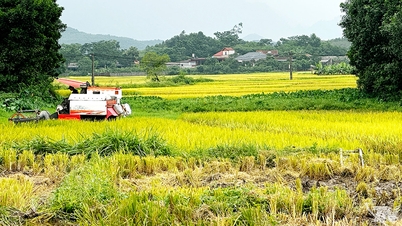
Once, I visited Trai Cai – a region famous for its midland tea – and came across some farmers taking a break from work. They sat together by the edge of the field, passing around a teapot. Each person had a cup of tea, sipping and chatting leisurely. The conversation wasn't anything grand, just about the harvest, their children, and the village. But their laughter was infectious, echoing across the vast field. I suddenly realized that here, a cup of tea is not just for quenching thirst, but also for connecting people.
Vietnamese people drink tea with sincerity, without needing elaborate or complicated rituals. Elderly people leisurely sitting together don't need to invite each other with gestures like "raising the teacup to eye level," then bowing respectfully before drinking, sniffing the teacup, and swirling it around a few times before drinking. Nor do they need to measure the water temperature or precisely time the brewing process. A pot of boiling water and a handful of tea leaves are enough. What matters is the way people sit together, the conversations about everything under the sun revolving around a cup of tea.
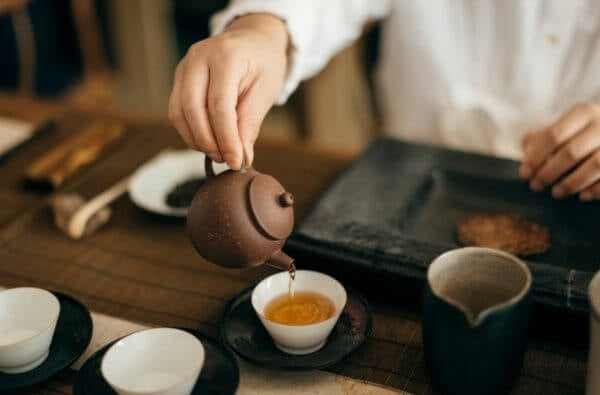 |
| Vietnamese people drink tea in a simple, unpretentious way, without any fuss or fuss. |
In urban areas, the custom of drinking tea may have changed somewhat; people may seek out tea houses and more elaborate teas. But somewhere, in the small corners of life, there are still simple pots of green tea, cups of loose-leaf tea with a few ice cubes—its name seems to have become part of the "dictionary" of street food . A motorbike taxi driver parks his bike on the sidewalk, hastily pouring a cup of tea from a thermos. An elderly person sits on their porch, their hands trembling as they lift a cup of hot tea. These images, though small, preserve the soul of Vietnamese tea culture.
Some say that drinking tea is an art. Perhaps even this simple way of enjoying tea is an art. But for the Vietnamese, it's perhaps more of a way of life—a quiet, unpretentious way of life that silently permeates every moment and is intertwined with everyday working life. From the rice paddies to the courtyards, from thatched roofs to bustling streets, a cup of tea remains present like a familiar friend.
And perhaps, the most precious thing about a cup of Vietnamese tea lies not only in its flavor, but also in the warmth it embodies. The warmth of human connection in every invitation, the love of home in every sip. A cup of tea can soothe the heat, dispel fatigue, bridge distances, and warm relationships.
As evening falls and the sunlight softens, the farmers resume their work. The teapot, once steeped in green tea, is placed back in the corner of the field, awaiting another rest. The teacup is empty, but the aftertaste remains – a simple yet enduring beauty of the Vietnamese people, undimmed by the passage of time.
Source: https://baothainguyen.vn/dat-va-nguoi-thai-nguyen/202605/co-mot-cach-thuong-tra-nhu-the-82660e5/








































































Comment (0)