

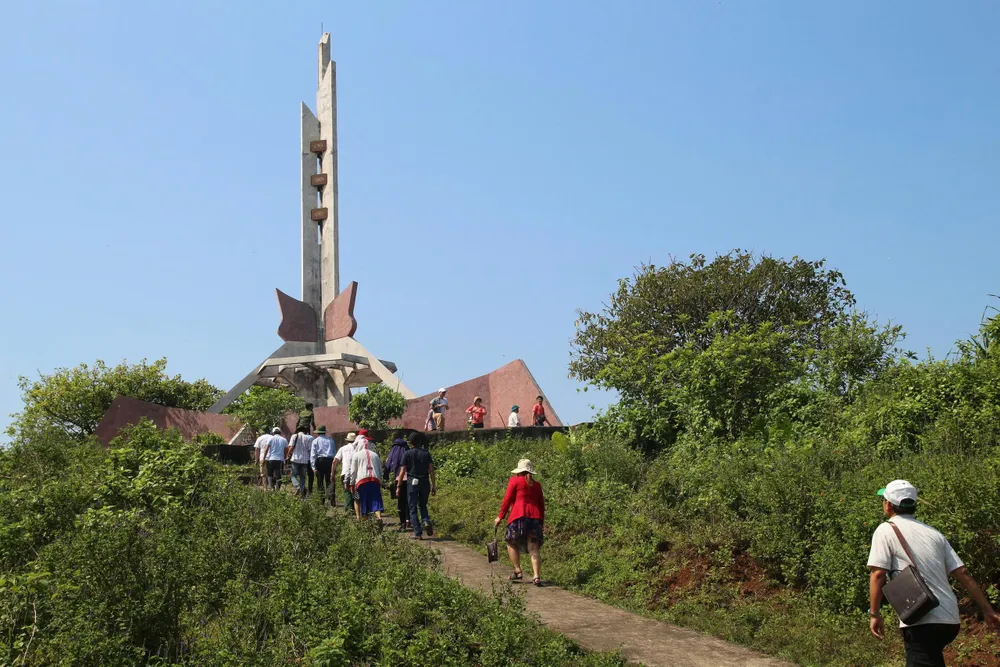
From the term "steel island"...
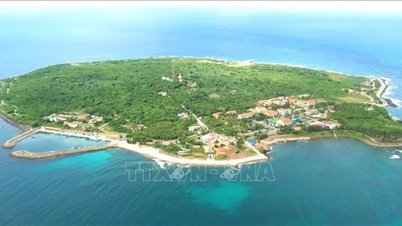
Con Co Special Zone, with an area of approximately 4 square kilometers and shaped like a giant bowl inverted on the sea surface, is considered one of the rare and beautiful islands in Central Vietnam.
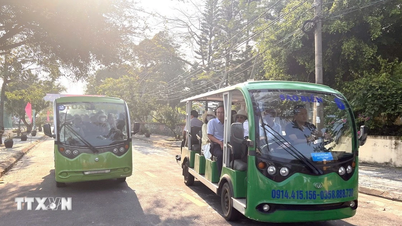
Traveling from the mainland of Quang Tri to the island by speedboat takes about 50 minutes, compared to the 2-hour journey by fishing boat. Compared to over 10 years ago, those who have visited the island are easily overwhelmed by the changes. The lush green primary forest, pristine beaches, and comprehensively developed infrastructure have given Con Co Island the appearance of a high-end resort.
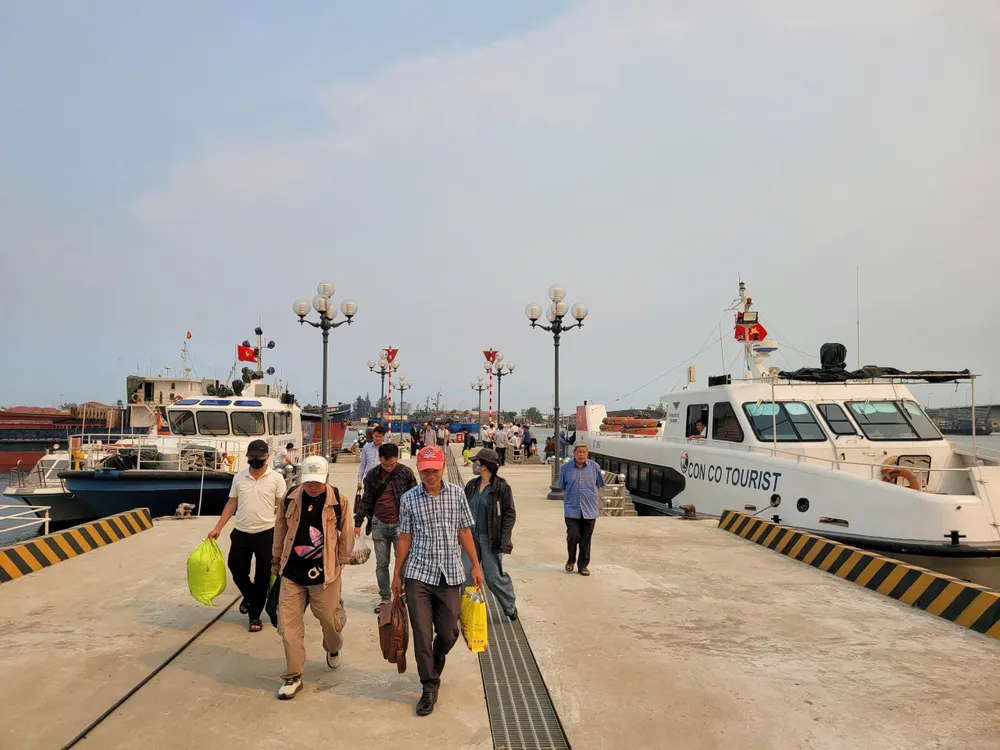
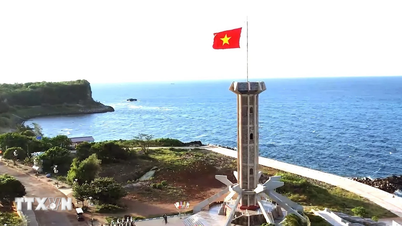
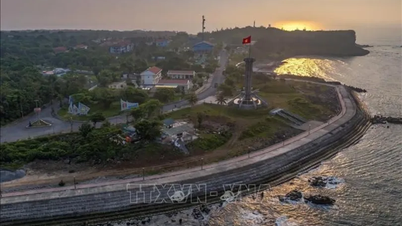
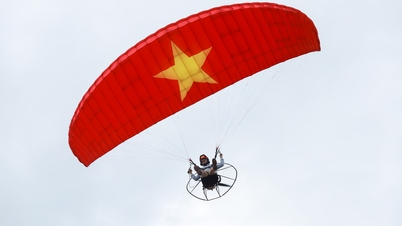
Amidst this peaceful landscape, few would suspect that this place was once a fierce battleground. After the Geneva Accords of 1954, Con Co Island became a particularly strategic location, guarding the sea along the 17th parallel. On August 8, 1959, soldiers of the 270th Regiment set foot on the island, planted the red flag with a yellow star, officially asserting sovereignty in the South China Sea.
From that point on, the island entered years of fierce warfare.
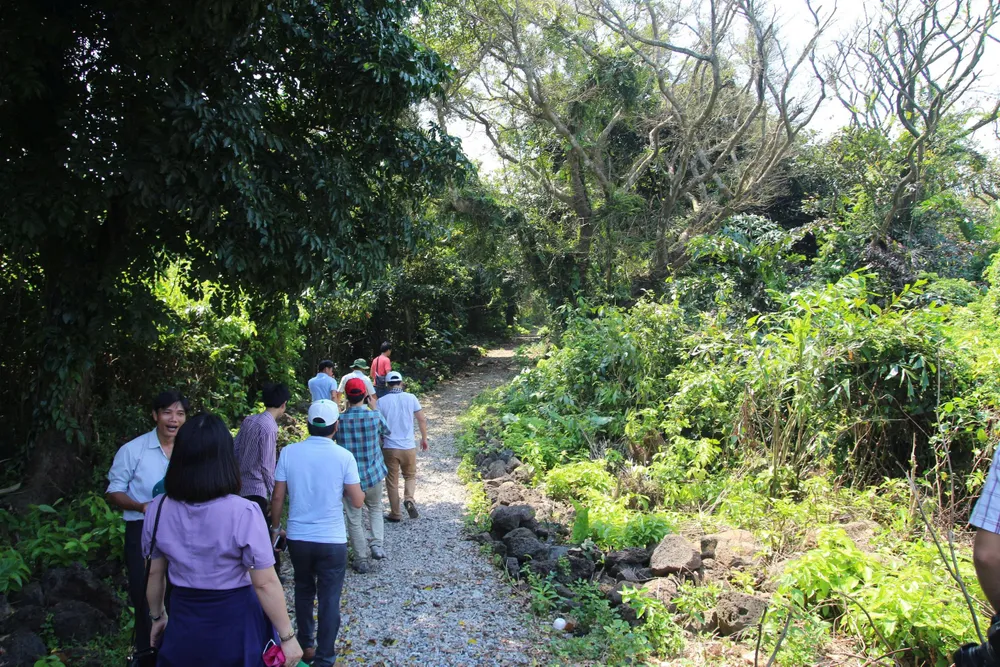
It's no coincidence that Con Co Island is called the "steel island." That title was forged from willpower, blood, and an unwavering belief: defending the island means defending the country. Today, as you walk along the small paths around the island, war memories aren't just in books; they're right before your eyes: trenches, artillery positions, and former battlegrounds nestled amidst the lush green of the tropical forest. No explanation is needed; the space itself tells its story.
Mr. Tran Van Tha, former commander of Con Co Island, still recounts old stories in a calm voice whenever he returns to the island: stories of sharing every drop of fresh water, nights sleeping in bunkers, living amidst the waves and winds on all sides. The memories are not boisterous, but enduring, just like the island itself.
Attractive destination
Leading us on a tour around the island, Mr. Tran Xuan Anh, Secretary of the Party Committee and Chairman of the People's Committee of Con Co Special Economic Zone, said that about 70% of the island's area is natural forest. Although once devastated by bombs and bullets, the forest has recovered almost completely. Not as massive as a vast forest, but the forest here is dense and full of vitality.
Con Co Island was formed by volcanic activity more than 40,000 years ago. Along the coast are tiered basalt rock formations, some eroded by waves into strange shapes. Nghe Beach boasts the pristine beauty of volcanic rock; Huong Giang Beach is soft with coral sand; while Da Den Beach in the northwest stands out with its round, smooth stones gleaming in the sun.
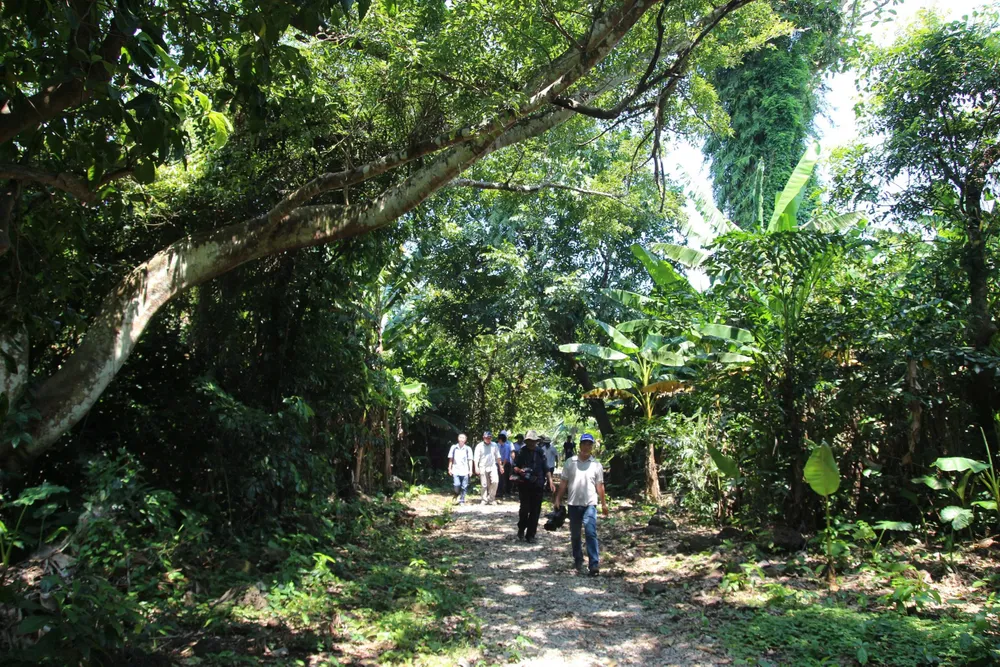
While the marine environment is diverse on land, a "different world " also exists underwater. According to Mr. Tran Xuan Canh, Deputy Director of the Con Co Island Marine Reserve Management Board, the reserve covers approximately 4,300 hectares and is home to 954 species of marine life, including over 260 species of fish and 137 species of coral. Among these are coral reefs considered to be among the best-developed in Vietnam. Along with this, aquatic resources such as lobsters, sea cucumbers, cuttlefish, groupers, snappers, butterflyfish, king oysters, etc., contribute to a vibrant marine ecosystem.
From a business perspective, Mr. Pham Hoang Phuong, Vice Chairman of the Quang Tri Tourism Association and Director of Ken Travel Company, believes that the unspoiled, uncommercialized beauty of Con Co Island is what creates its unique appeal. Besides relaxation, visitors come here to "connect with their roots" through the system of tunnels, underground passages, and the sovereignty flagpole. Con Co Island can be considered a rare "natural museum," where the primeval forest and marine ecosystem coexist, almost intact. Unlike the vibrancy of Da Nang or Nha Trang, this island offers a sense of seclusion and tranquility – perfectly suited to the trend of experiential and relaxing tourism.
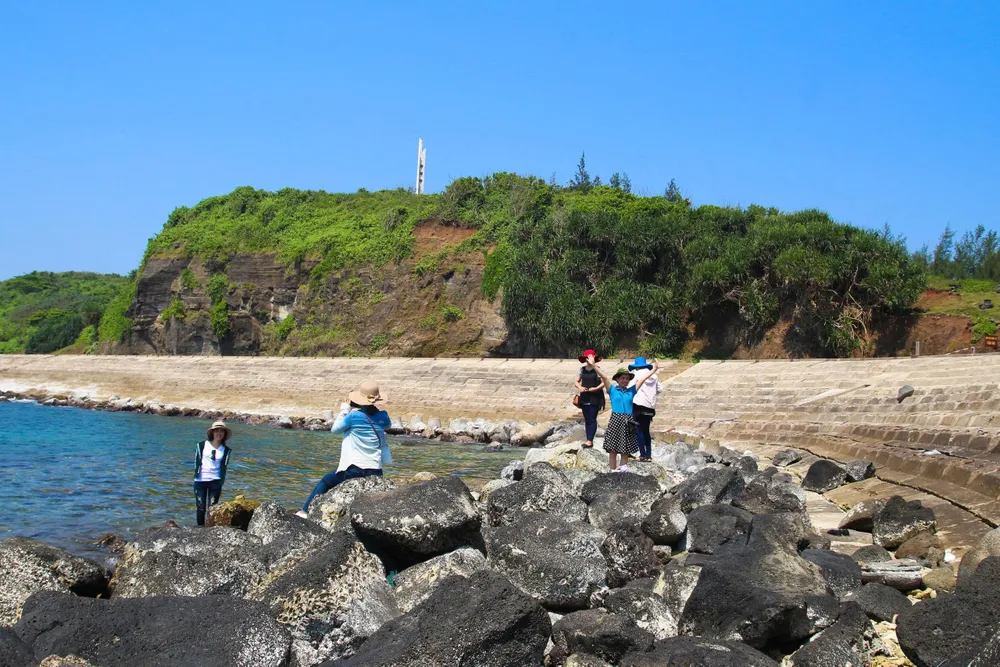
According to Mr. Dang Quoc Khanh, a tourist from Hanoi, his brief but vivid description of Con Co Island encapsulates his impression: "The seawater is very clear; if you bend down, you can see fish swimming around the coral reefs, like a 'natural aquarium'."
Mr. Pham Hai Quynh, Director of the Asian Tourism Development Institute, commented that some places need development to attract tourists, but there are also places that simply preserving their natural state is valuable. Con Co Island probably belongs to the second group. People come here not only to admire the sea, but also to listen to the story of an island that has gone through war and is learning to embark on a new journey of development.
From the "steel island" of the past, Con Co is gradually becoming a "green island" of peace. A "gem" in the middle of the ocean - not suddenly bursting into light, but awakening in its own unique way, slowly but persistently.
According to Tran Xuan Anh, Secretary of the Party Committee and Chairman of the Con Co Special Economic Zone, in the new development phase, the Con Co Special Economic Zone identifies tourism and services as its key economic sector, alongside fisheries and supporting industries, ensuring economic development is linked to national defense and security. The locality is actively promoting and attracting investment in essential infrastructure; at the same time, it is researching the formation of new tourism products based on the overarching principle that development must be linked to conservation.
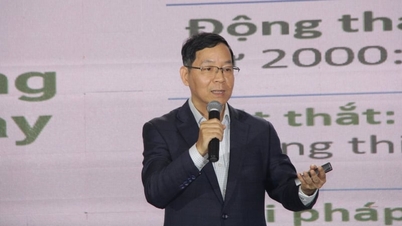
At the workshop "Con Co Special Economic Zone - Opportunities and Potential for Tourism Development Linked to Marine Conservation, Sustainable Livelihoods, and Coastal OCOP," many opinions suggested that for sustainable tourism development on Con Co Island, it is necessary to form sustainable livelihood models such as community-based ecotourism; demarcate protected areas for spawning and breeding grounds of aquatic species; and combine rational exploitation with biodiversity conservation.
Con Co Island should not develop its OCOP (One Commune One Product) program in a scattered manner, but rather select a few high-quality, high-value products with clear stories. Along with connecting the Cua Viet-Cua Tung-Con Co tourist route, consideration should be given to opening the Nhat Le-Con Co tourist route soon to form a chain of distinctive island and sea tourism products, increasing the attractiveness of the destination. This tourist route would easily connect the strategically important Con Co Island with the Phong Nha-Ke Bang World Natural Heritage Site.
Source: https://www.sggp.org.vn/con-co-vien-ngoc-xanh-giua-trung-khoi-post854440.html
![[Photo] Standing Committee member of the Party Central Committee Tran Cam Tu working with the Central Inspection Committee](https://vphoto.vietnam.vn/thumb/1200x675/vietnam/resource/IMAGE/2026/05/28/1779969579668_ndo_br_bnd-2495-jpg.webp)

















































Comment (0)