

DNVN - Vietnam faces the challenges of climate change and environmental pollution, requiring a transition to a sustainable economy . In this context, digital technology is seen as a crucial driving force for promoting a green economy and sustainable growth.
Digital technology in new economic models
In recent seminars, particularly the "Promoting Green Investment and Green Financial Markets" event held in Da Nang , experts affirmed that digital technology plays a fundamental role in promoting green, circular, and sharing economy models. Digital technology helps optimize production processes, reduce energy consumption, and effectively manage greenhouse gas emissions, thereby supporting businesses in meeting increasingly stringent green standards in the international market.
Associate Professor Dr. Nguyen Hong Quan, Director of the Institute for Circular Economy Development Research (ICED), believes that green economic models are not only a trend but also a necessary future if businesses want to compete in the long term. Dr. Quan emphasized that applying digital technology is an effective solution to enhance production capacity, save energy, and create new value through sustainable initiatives.
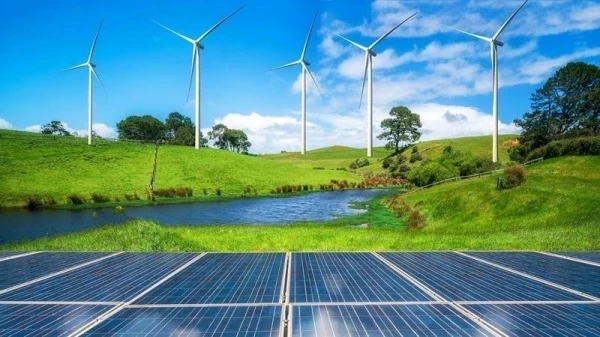
A prime example is the use of rooftop solar power. This is not only a clean energy solution but also provides economic benefits through the sale of surplus electricity to the national grid. Digital technology plays a key role in accurately calculating electricity generation and managing related data, facilitating both investors and users.
Dr. Nguyen Quoc Viet, Deputy Director of the Vietnam Institute for Economic and Policy Research (VEPR), also emphasized the role of the digital economy in green transformation. According to Dr. Viet, technological applications such as intelligent monitoring systems, production optimization tools, and renewable energy solutions are concrete examples demonstrating the effective combination of digital technology and sustainable development goals.
"To achieve the goal of the digital economy contributing 20-30% of GDP in the 2025-2030 period, Vietnam needs to accelerate the integration of digital technology into production and business activities, linked to the goal of green transformation," Dr. Viet emphasized.
Beyond the energy sector, digital technology also strongly supports the development of intelligent management systems in other industries. From sustainable agricultural production and efficient waste management to solutions for reducing emissions in transportation, digital technology is opening up new opportunities for Vietnamese businesses to participate more deeply in the global value chain.
Mobilizing resources for green transformation
Besides technology, mobilizing green financial resources plays a crucial role in the success of the green transition process.
According to Mr. Doan Truong Giang, Deputy Director of the Center for Resource and Environment Communication, green finance is not only a trend but also a key factor in achieving Net Zero goals and reducing greenhouse gas emissions.
Experts at the workshop also emphasized that Vietnam needs to strongly develop its green finance market and carbon market. This will be an important tool for mobilizing capital from international organizations, while also supporting businesses in investing in renewable energy projects and sustainable technologies.
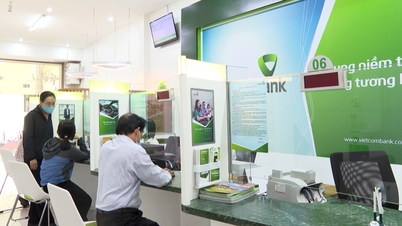
A clear example of the combination of digital technology and green finance is the "equitable transition" program. Credit institutions not only provide capital but also offer technical support and risk sharing to ensure the feasibility of projects.
Dr. Viet believes that banks and financial institutions play a catalytic role, helping to unlock capital from the private and state sectors, while reducing investment costs through refinancing mechanisms.
In addition, the government needs to be strongly involved in developing specific support policies, including encouraging the use of digital technology in key industries and minimizing environmental impact.
Associate Professor Dr. Nguyen Hong Quan noted that the green transition process still faces many challenges, especially in finance, technology, and policy. Therefore, close collaboration among stakeholders, from the government and businesses to the international community, is indispensable.
Digital technology is becoming a major driving force in the green transformation, laying the foundation for new economic models such as the green economy, circular economy, and sharing economy. When combined with green finance resources and appropriate support policies, digital technology not only helps mitigate the negative impacts of climate change but also promotes sustainable economic growth.
Vietnam, with the advantage of being a rapidly developing country, has a great opportunity to lead in this race, provided it knows how to fully utilize the potential that digital technology and green finance offer.
Duy Khanh
Source: https://doanhnghiepvn.vn/cong-nghe/cong-nghe-so-dong-luc-then-chot-cho-kinh-te-xanh/20241124053410889


![[Photo] General Secretary To Lam visits the exhibition space showcasing books, photo exhibitions, and achievements of digital transformation in journalism.](/_next/image?url=https%3A%2F%2Fvphoto.vietnam.vn%2Fthumb%2F1200x675%2Fvietnam%2Fresource%2FIMAGE%2F2025%2F12%2F19%2F1766110879215_1766110240024-jpg.webp&w=3840&q=75)
![[Photo] Enchanting ancient rose garden on the mountainside in Nghe An](/_next/image?url=https%3A%2F%2Fvphoto.vietnam.vn%2Fthumb%2F1200x675%2Fvietnam%2Fresource%2FIMAGE%2F2025%2F12%2F19%2F1766109900916_vuon-hong-chin-do-thu-hut-du-khach-toi-check-in-o-ha-noi-3-20162778-1671624890024-1671624890104198100259.jpeg&w=3840&q=75)




































































































Comment (0)