

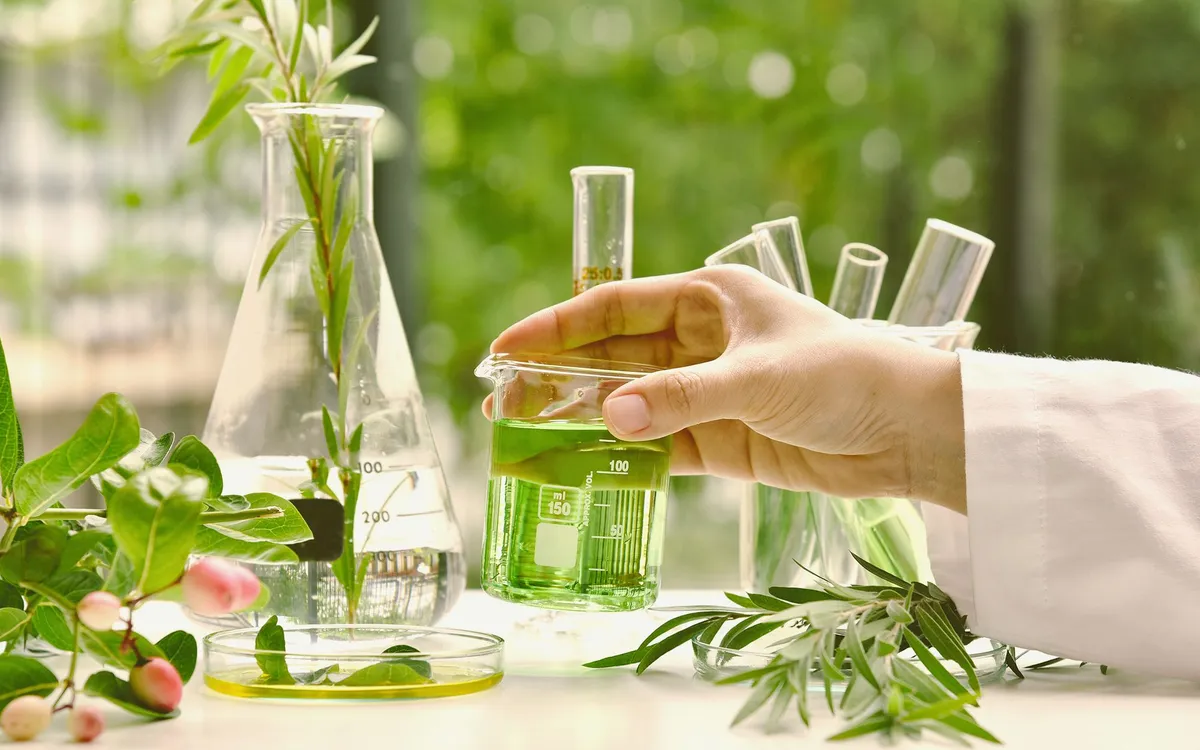
From clothing and packaging to fertilizers, petroleum is present in almost every aspect of modern life. But as energy crises, climate change, and pollution worsen, many scientists and businesses are experimenting with new materials made from mushrooms, seaweed, or organic waste in the hope of gradually reducing dependence on fossil fuels. A green materials revolution may be quietly beginning with the small things around us.
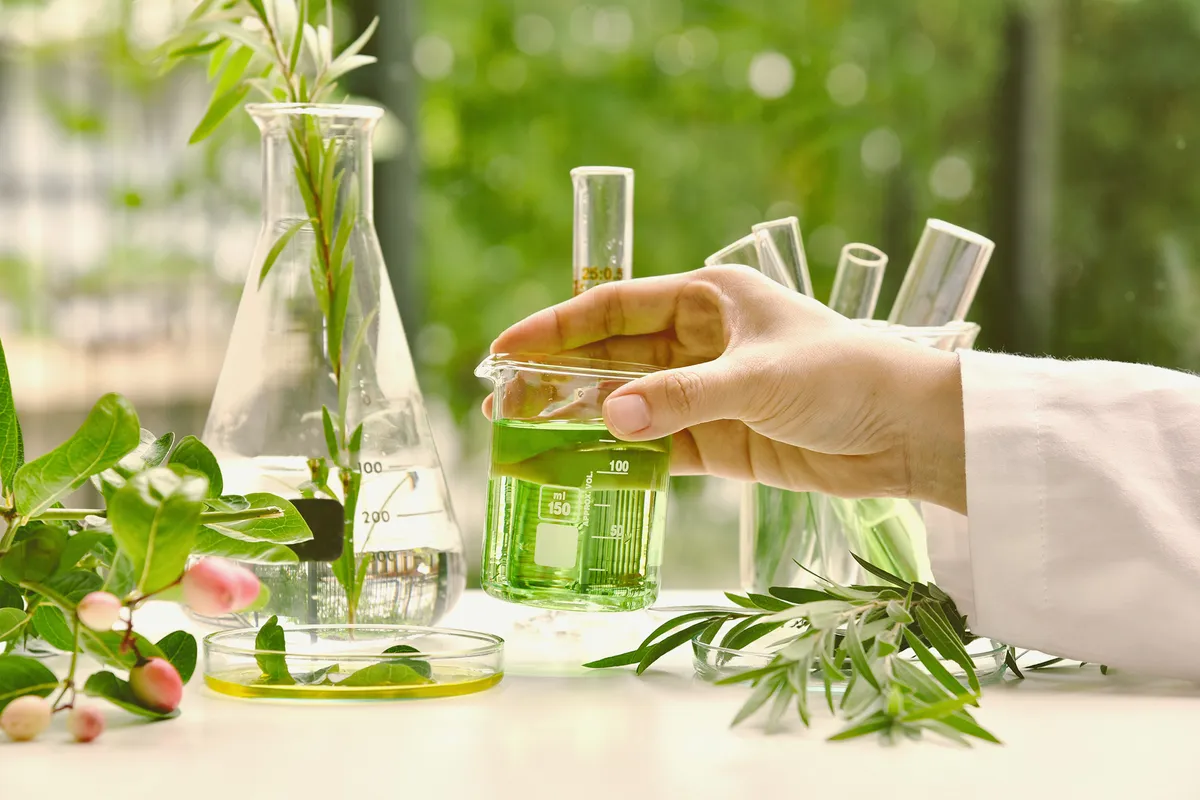
Harvard University's lab is experimenting with using plants to replace petrochemical products. Photo: harvard.edu
The emergence of biomaterials in the fashion industry.
For decades, oil has been more than just fuel for vehicles or factories. It's present in almost everything around us: clothing, packaging, cosmetics, electronics, fertilizers, building materials… According to the International Energy Agency (IEA), petrochemicals from oil and gas now account for up to 90% of the raw materials used in modern life. But as climate change and energy crises escalate, many scientists, designers, and businesses are trying to answer a big question: can humanity build a life less dependent on oil?
A shirt made from banana fibers. Shoes using "mushroom skin." Packaging that dissolves in seawater. Or materials created from seaweed, bacteria, and food waste instead of petroleum. These ideas, once considered science fiction, are gradually emerging from the laboratory to become the answer to a world too dependent on fossil fuels.
Few people realize that the vast majority of modern clothing is linked to petrochemicals. Polyester, nylon, and elastane—common materials in fast fashion—are all made from fossil fuels. Currently, synthetic fibers account for approximately 73% of global textile production.
Therefore, the fashion industry is becoming one of the most active testing grounds for alternative materials. One prominent direction is bio-based materials derived from fungi. Mylo – a type of "leather" created from fungal mycelium – has been tested by many brands such as Stella McCartney and Adidas in their fashion products. This material is soft, lightweight, biodegradable, and does not require the polluting tanning process of traditional animal leather.
Besides mushrooms, researchers are also creating fibers from pineapples, oranges, bananas, or seaweed. Piñatex – a material made from pineapple leaf fibers – is currently being used to replace leather in shoes and bags. Several Japanese and European companies are also developing seaweed-based fibers with the hope of creating a fabric that is both environmentally friendly and biodegradable.
Notably, many new materials not only contribute to reducing carbon emissions but also change the way people think about clothing. In a world accustomed to the pace of "fast fashion," these biomaterials often come with a philosophy of slower, more durable production and lower consumption.

Shoes made from mushrooms. Photo: Earth.com
The ocean is becoming the new "materials factory".
If petroleum was once the foundation of the plastics industry, then the future of packaging materials may well come from… seaweed.
In recent years, many startups around the world have begun developing bioplastics from seaweed, bacteria, or organic waste. The Australian company Uluu creates plastic from sugars extracted from seaweed, while many other research groups are developing PHAs – plastics produced by bacteria when they “consume” fats or sugars.
Unlike traditional plastics, which can last for hundreds of years in the environment, these materials can decompose naturally in soil or the sea.
Interestingly, the ocean—which is struggling under the weight of plastic pollution—is now becoming a source of inspiration for plastic alternatives.
Some studies suggest that harvesting even a very small fraction of the global brown seaweed supply could generate enough material to significantly replace single-use plastic packaging.
Furthermore, seaweed grows rapidly and does not require agricultural land or freshwater for cultivation. This makes it an attractive candidate in the context of resources being increasingly pressured by climate change.
In many laboratories, scientists are also experimenting with packaging made from banana peels, coffee grounds, olive kernels, or food waste. Materials once considered waste are now becoming raw materials for the new circular economy.

The box is made from seaweed. Photo: Earth.com
An agricultural system that is less dependent on fossil fuels.
It's not just plastics or fashion; modern agriculture is also deeply dependent on fossil fuels.
Approximately half of global food production currently relies on synthetic nitrogen fertilizers – fertilizers produced using natural gas through the Haber-Bosch process. This process, once considered a "miracle" for feeding the world's population in the 20th century, also consumes vast amounts of fossil fuels.
Currently, many countries are experimenting with "green fertilizers" that use hydrogen produced from renewable energy instead of natural gas. Some plants can partially convert to green hydrogen without changing the entire system.
Alongside this are other approaches such as circular agriculture, utilizing organic waste, or optimizing fertilizer use.
According to many experts, the problem lies not only in finding new materials, but also in how humans use resources more efficiently. Currently, a large amount of fertilizer is still lost to the environment instead of being absorbed by plants.
In the context of extreme weather events increasingly impacting food security, such solutions are seen as a necessary step towards building a more sustainable agriculture.

Leather handbags made from mushrooms. Photo: Earth.com
Uses less, lasts longer, and is slower.
However, many experts believe that this transition will not succeed if people maintain their current consumption patterns.
A biodegradable bag or a shirt made from mushrooms won't make a big difference if the world continues to produce and consume them on the massive scale it does now.
In the fashion industry, the number of clothes produced each year has doubled in just about two decades. Many items are discarded after only a few wears. Similarly, the packaging industry continues to generate millions of tons of single-use plastic every year.
"We cannot use recycling to escape a crisis caused by overproduction," many environmental activists have stated.
Perhaps that's why the post-oil future is not just a story of new materials technology, but also a shift in lifestyle: using less, more sustainably, and more slowly.
Source: https://vtv.vn/cuoc-cach-vat-lieu-xanh-thay-the-hoa-dau-100260527153835355.htm

![[Photo] Admire the coral "masterpiece" amidst the million-year-old heritage of Dak Lak province.](https://vphoto.vietnam.vn/thumb/1200x675/vietnam/resource/IMAGE/2026/05/30/1780107638639_y25-jpg.webp)

































































































Comment (0)