

In recent years, many intellectual competitions for primary school students have been maintained, such as the Lao Cai Fansipan Olympic, the Vietnamese Language Champion competition, the Violympic Mathematics competition, the IOE English competition on the internet, and creative competitions for teenagers and children. These are not only places for students to test their abilities but also environments that help them develop critical thinking, teamwork skills, reflexes, and confidence in front of a crowd.
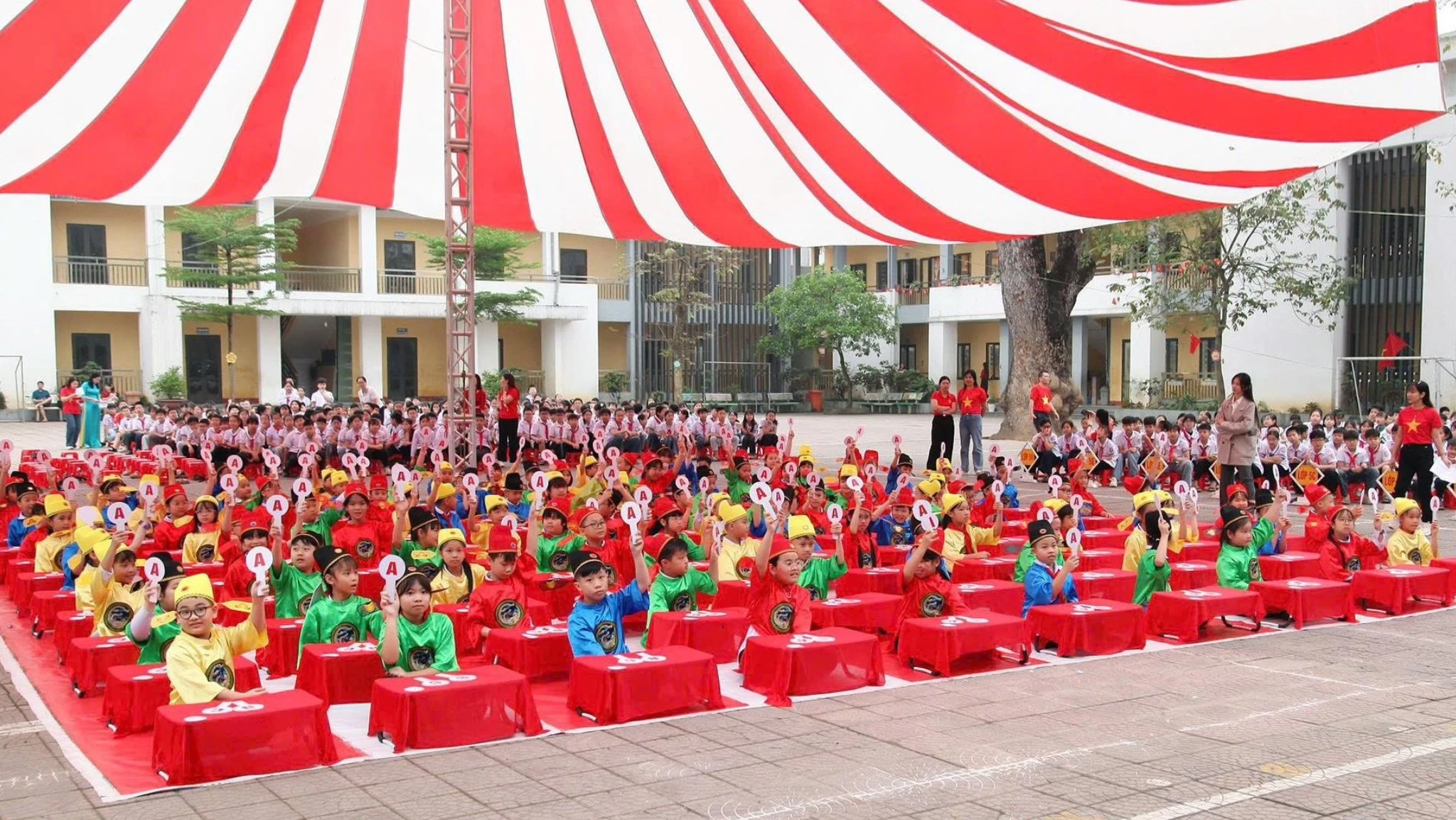
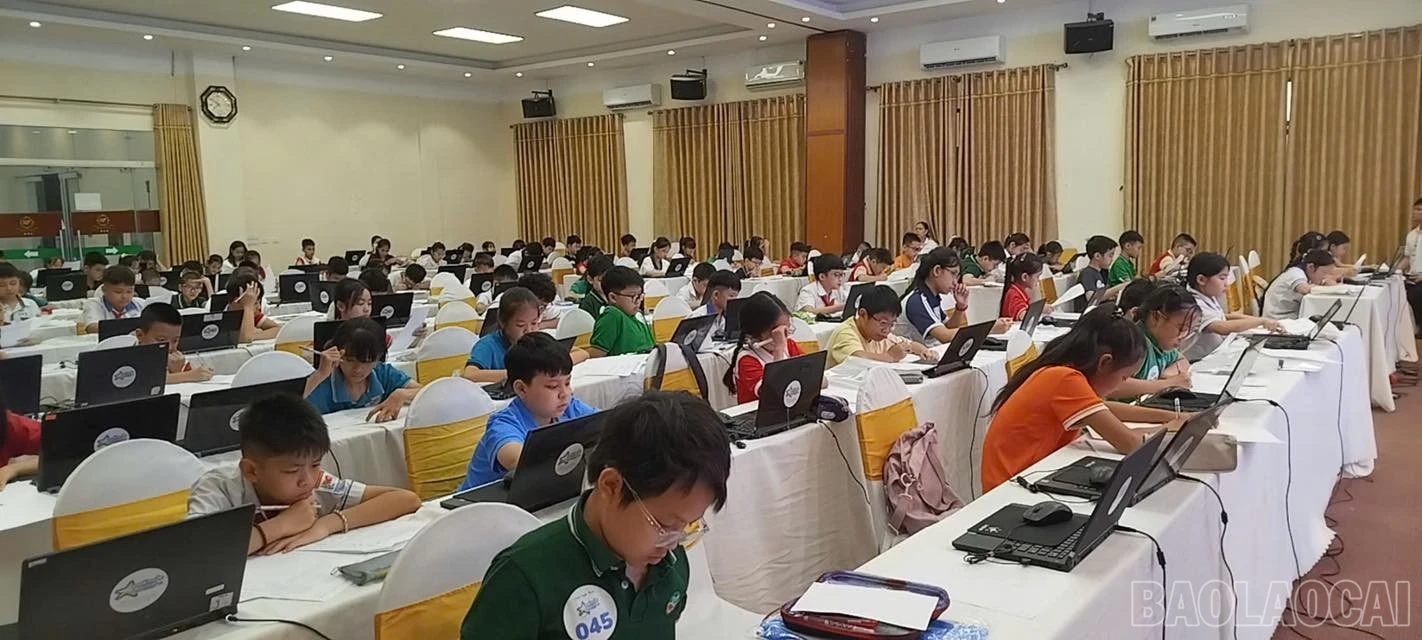
At this year's Fansipan Olympic competition in Lao Cai, many schools in the province have made systematic investments in training their students. For example, Nguyen Thai Hoc Primary School in Yen Bai ward participated with 54 students.
With thorough preparation and guidance from teachers, nearly 90% of the participating students won prizes, including 4 first prizes, 11 second prizes, 16 third prizes, and 17 consolation prizes. These figures not only reflect the professional quality but also demonstrate a shift in the approach to advanced education at the primary school level today.
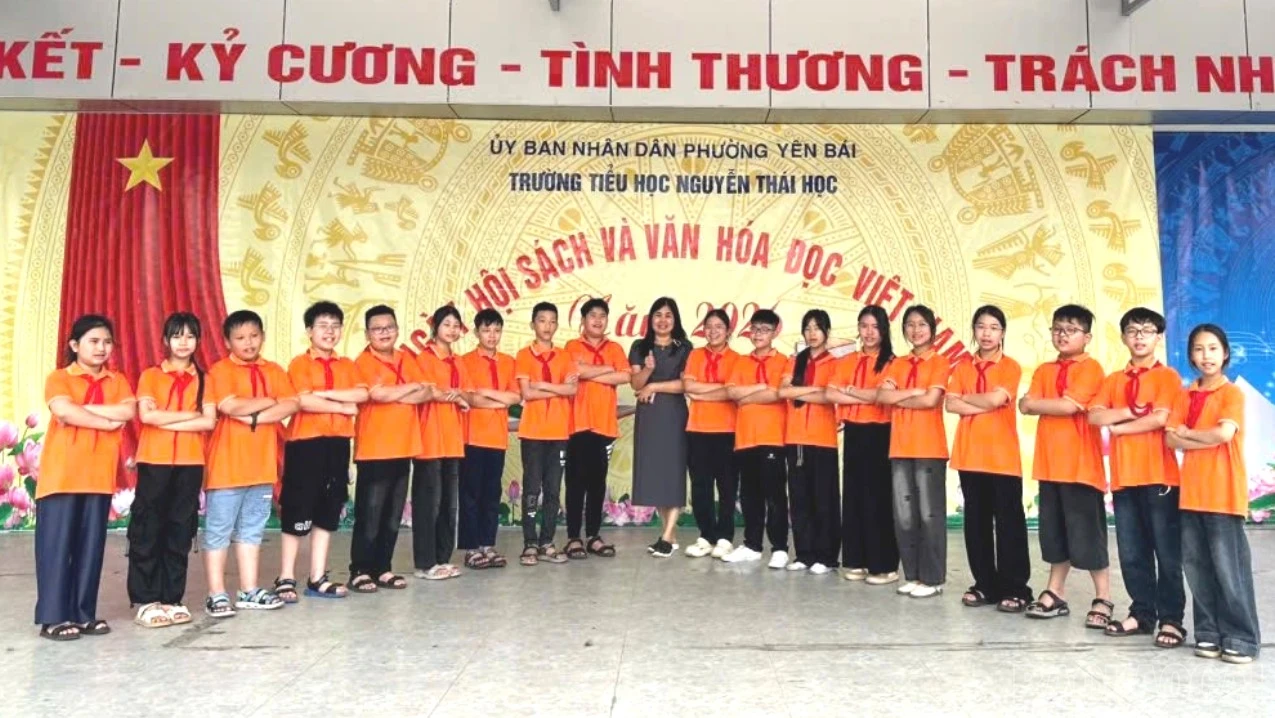
Notably, before each exam, motivational meetings are organized to help students feel confident, relaxed, and perform at their best. The support from teachers and parents creates a positive learning environment, helping students view intellectual competitions as opportunities for learning rather than pressure to achieve high scores.
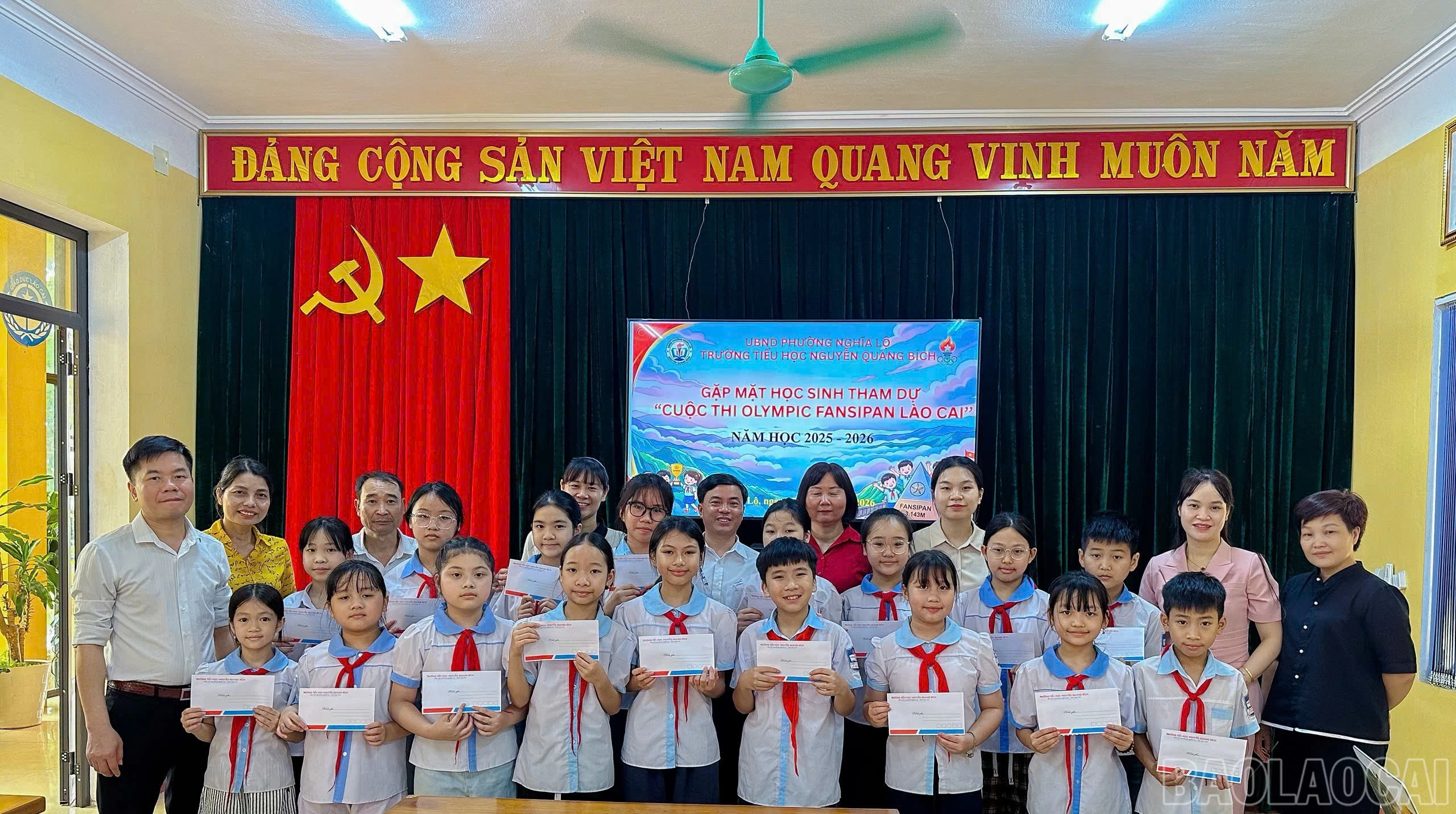
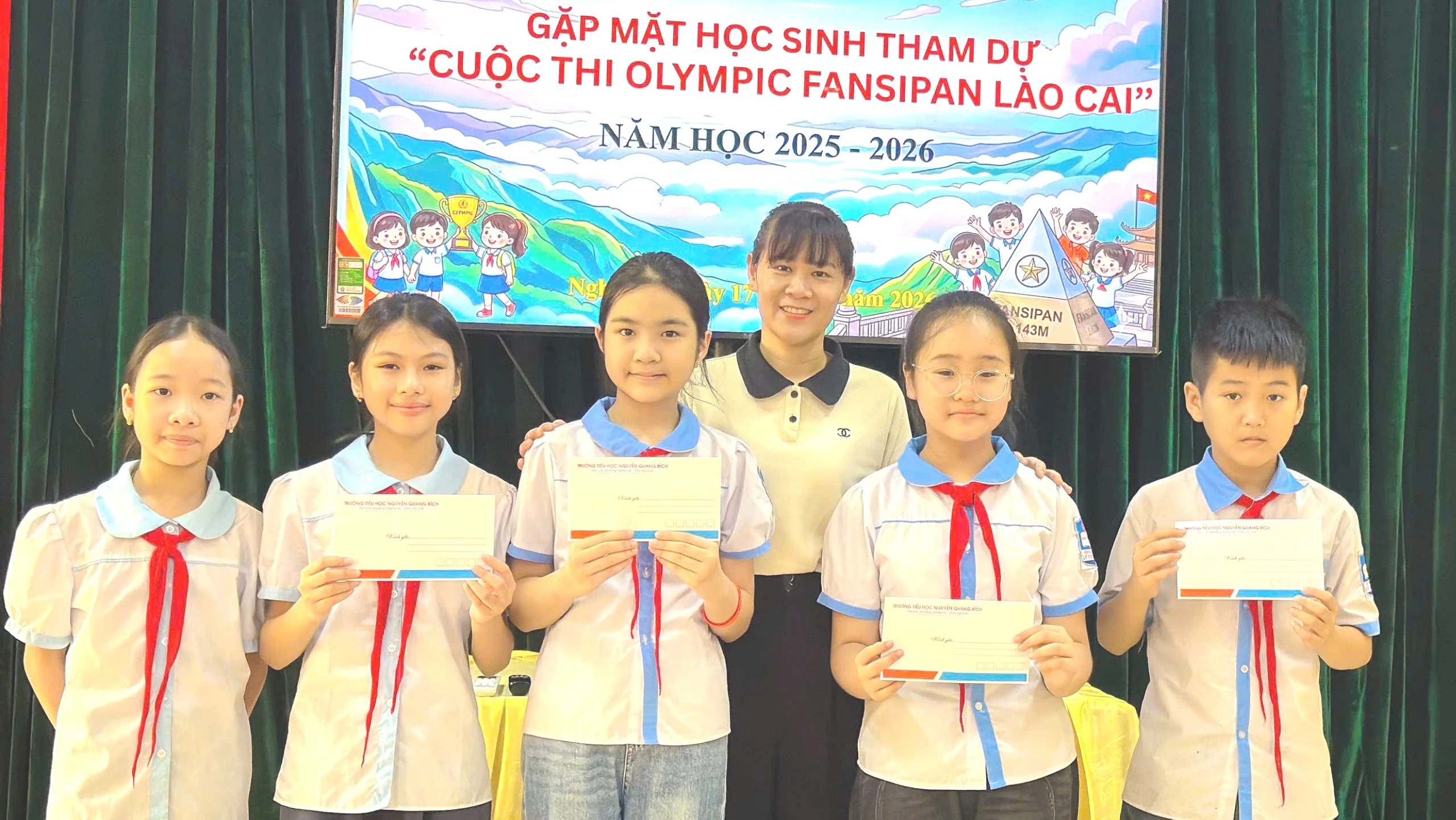
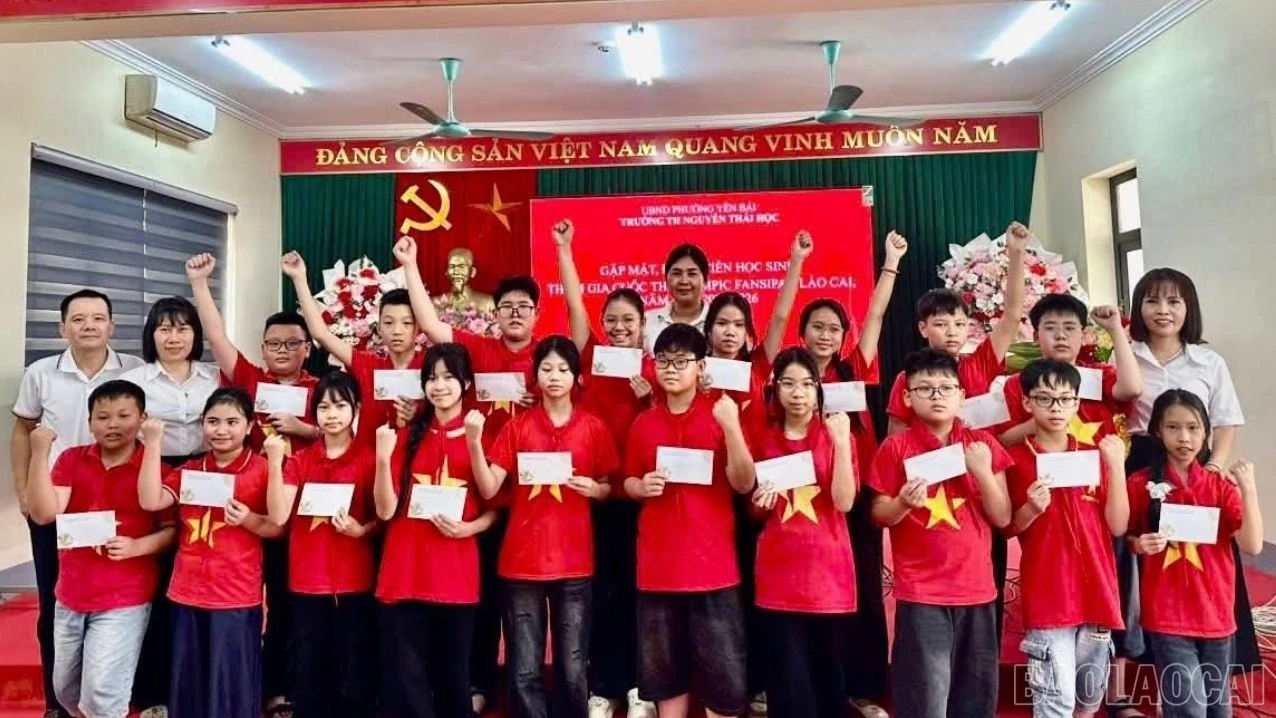
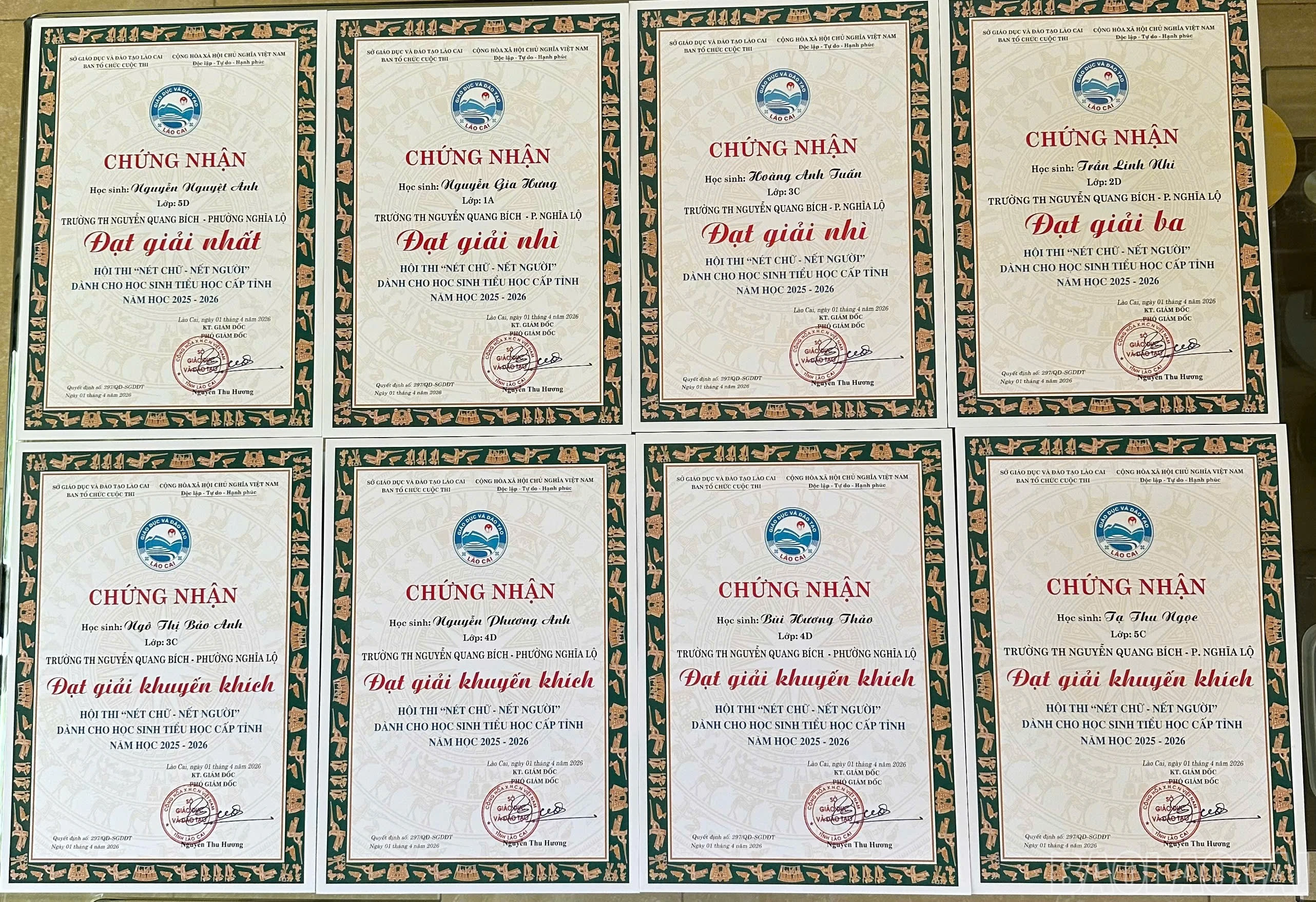
Winning 37 provincial and national awards in the 2025-2026 school year is a remarkable achievement for Nguyen Quang Bich Primary School in Nghia Lo Ward. However, behind these accomplishments is not a high-pressure learning method or a frantic rush to prepare for exams. The school's focus is on building effective learning methods and critical thinking skills in students right from the start of each daily lesson.
Ms. Dinh Thi Huyen, from Nguyen Quang Bich Primary School, said: "Instead of teaching ahead of the curriculum or creating pressure for high grades, the school focuses on training students in learning methods and problem-solving skills. With a good foundation in critical thinking, students will be more proactive in their learning process, more confident when participating in exams, and able to adapt to many different types of questions. This is also a way for them to develop their true abilities instead of just studying to get good grades."
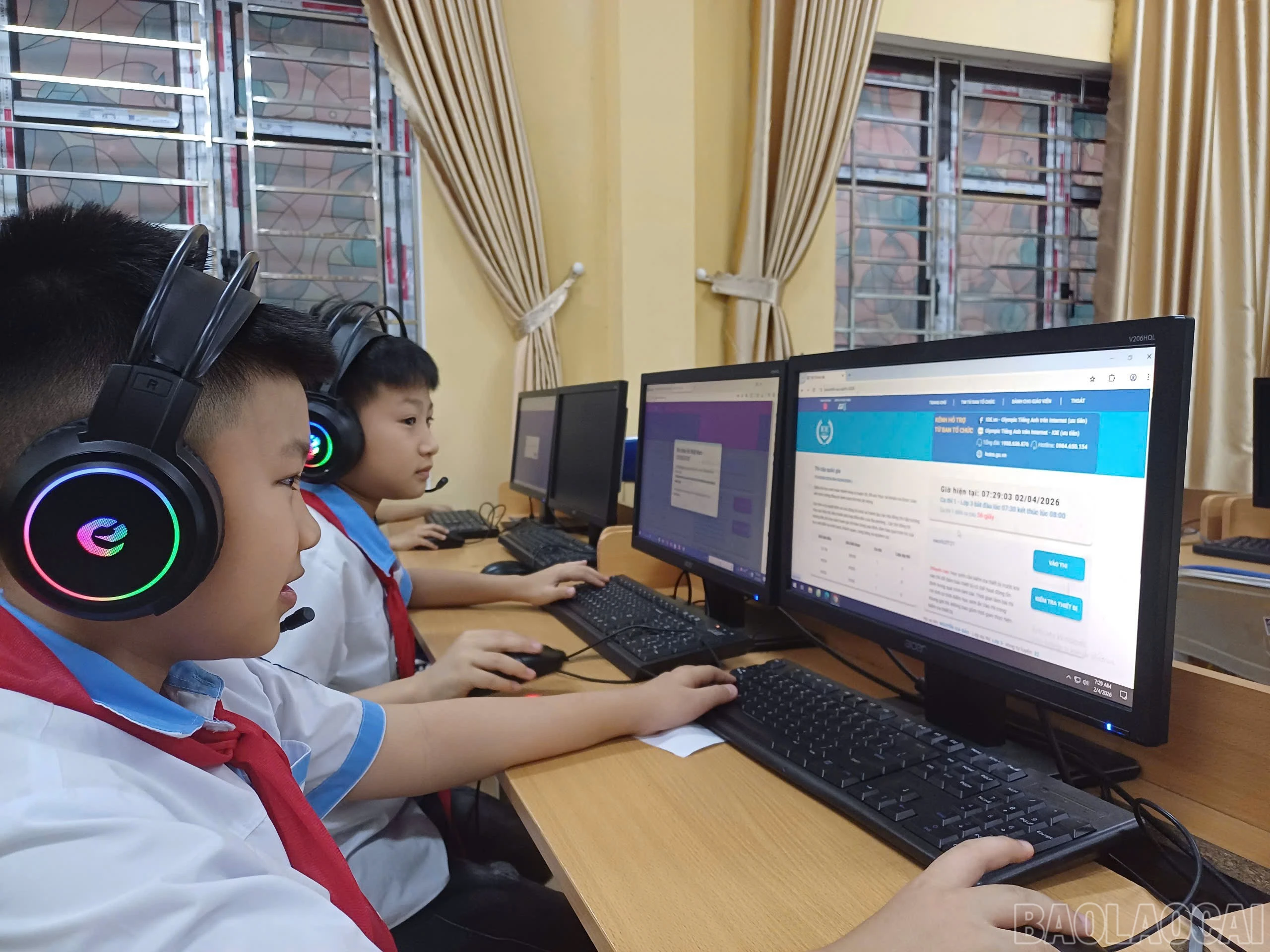
This approach reflects a significant shift in the thinking behind advanced education at the primary school level. Previously, many schools would select a group of outstanding students to focus on and cultivate their academic achievements. This produced quick results but sometimes made learning stressful for young students. Meanwhile, at the primary school age, the important thing is not how many awards students win, but rather developing their self-learning abilities, self-confidence, and love of discovering knowledge.
"Initially, I felt pressured when participating in the exams, but thanks to the guidance of my teachers, I gradually became more confident," shared Nguyen Nguyet Anh, a student in class 5D at Nguyen Quang Bich Primary School.
While Nguyen Quang Bich Primary School focuses on building a foundation of critical thinking skills, Yen Thinh Primary School in Van Phu Ward implements advanced education by expanding opportunities for more students to participate.
Instead of focusing solely on a few outstanding students, the school creates an environment where many students can test their abilities, showcase their talents, and gradually discover their potential. Group activities, knowledge-sharing sessions, and competitions are not simply places to "select the best," but also opportunities for students to hone their communication skills, collaboration abilities, and confidence in front of a group. When many students participate, the process of discovering and nurturing talents occurs more naturally and is more suited to the psychological characteristics of elementary school children.
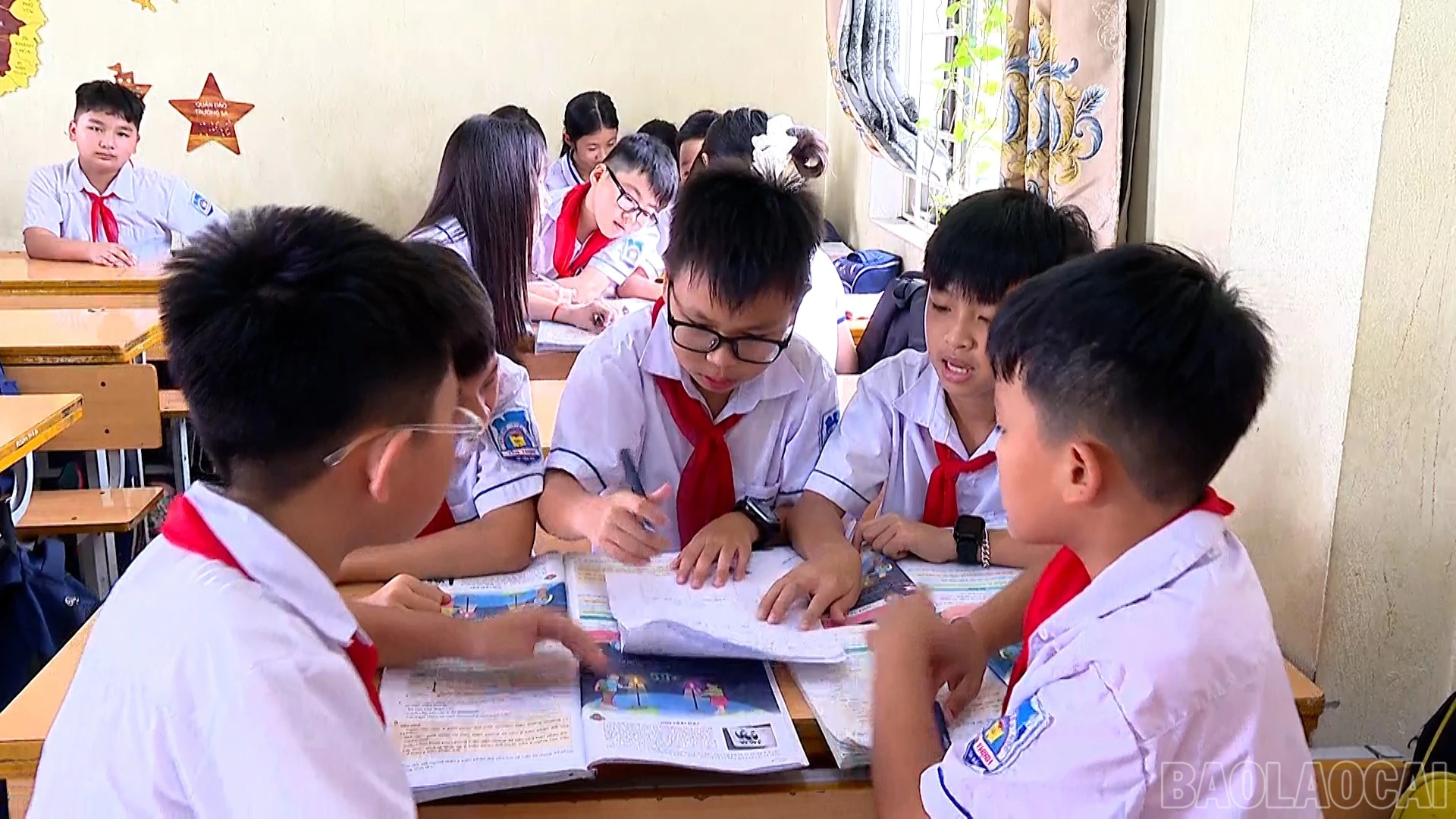
Ms. Dinh Thi Thuy, Deputy Principal of Yen Thinh Primary School, said: "From the beginning of the school year, the school has implemented a quality commitment to all teachers to enhance their responsibility in professional work. The achievements of students in competitions are important, but more importantly, it's about helping students develop good learning methods for long-term growth."
"I feel happy to participate in competitions to learn new knowledge and I am grateful for the dedicated guidance of my teachers," shared Luong Quynh Trang, a student in class 5B at Yen Thinh Primary School.
In reality, at the primary school level, a focus solely on exam results can easily create a mentality of learning for the sake of achievement. This can lead to students being academically strong but lacking self-learning skills, adaptability, and even losing interest in learning as pressure increases.
Meanwhile, when schools invest in learning methods, thinking skills, and student initiative, the results may not be immediate, but they create a more sustainable foundation for future development.
Another positive point is that many schools now begin to view gifted education in a broader sense. It's not just about students who win academic awards; those with talents in arts, sports, foreign languages, or technology skills are also given opportunities to develop.
This aligns with modern educational approaches, where each student can develop their individual strengths instead of being confined to a common achievement mold.
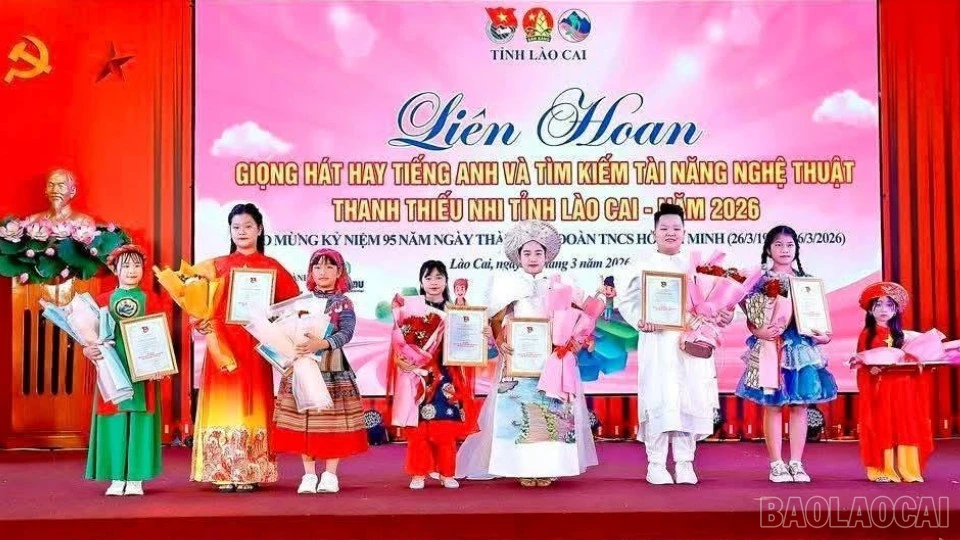
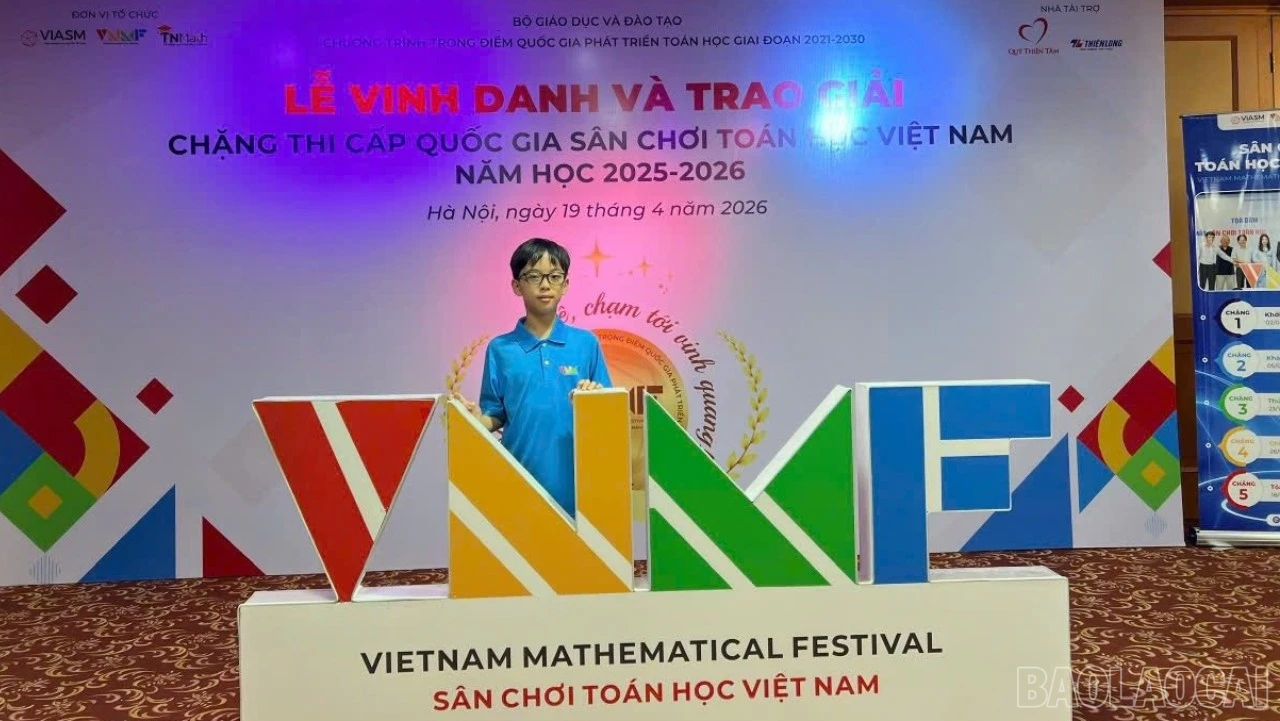
Therefore, excellence in education cannot be measured solely by the number of awards. Perhaps the greatest success of the primary school is helping students learn how to learn, dare to express themselves, and maintain their enthusiasm for knowledge. When that foundation is firmly established, higher achievements in the future will naturally follow as a result of the development of their abilities.
Source: https://baolaocai.vn/dau-tu-tu-nen-tang-de-phat-trien-giao-duc-mui-nhon-post899573.html

![[Image] Pleasant weather helps students enter the 10th grade entrance exam with confidence.](https://vphoto.vietnam.vn/thumb/1200x675/vietnam/resource/IMAGE/2026/05/29/1780034401612_ngay-1-thi-lop-10-minh-duy-8-5009-jpg.webp)

![[Photo] Ba Lang An Lighthouse - the "eye of the sea" amidst the "rock museum" of Quang Ngai province.](https://vphoto.vietnam.vn/thumb/1200x675/vietnam/resource/IMAGE/2026/05/29/1780038698840_anh-man-hinh-2026-05-29-luc-14-10-42.png)



























































Comment (0)