

Over the past period, maternal and child nutrition care in the mountainous commune of Pha Long has been implemented with practical activities, contributing to improving nutritional status and enhancing the health of pregnant women and young children. Programs for micronutrient supplementation, nutrition communication, and child growth monitoring have been regularly maintained, gradually raising public awareness and improving the physical health of future generations.
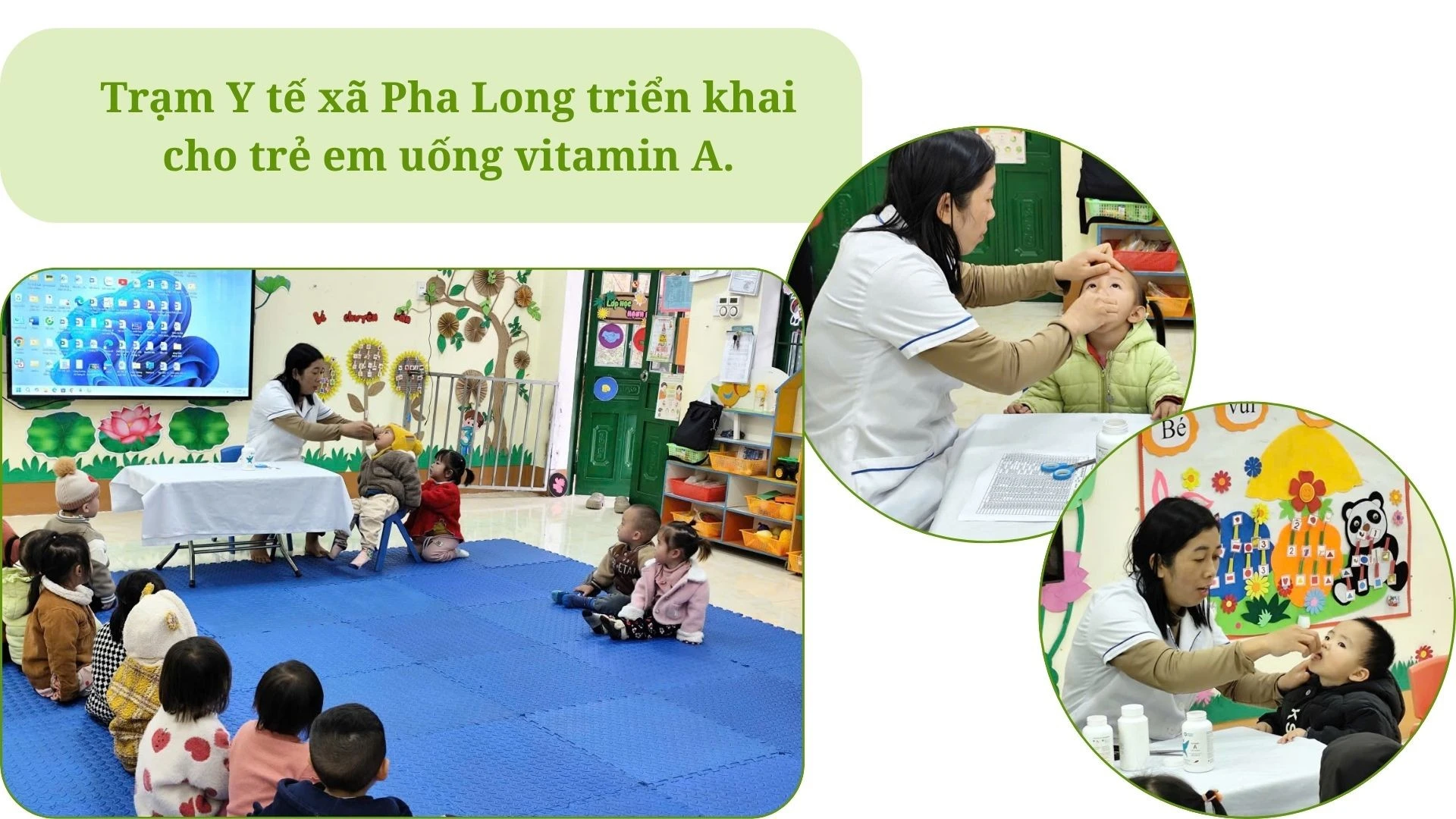
According to statistics from the relevant authorities, since the beginning of the year, the entire commune has provided multivitamin and iron/folic acid supplements to 145 out of 173 pregnant women. In addition, 379 malnourished and stunted children aged 6 to 59 months received micronutrient supplements; and 1,323 children in the target age group received regular vitamin A supplementation. These are important activities that help strengthen immunity, prevent micronutrient deficiencies, and support the comprehensive development of young children.
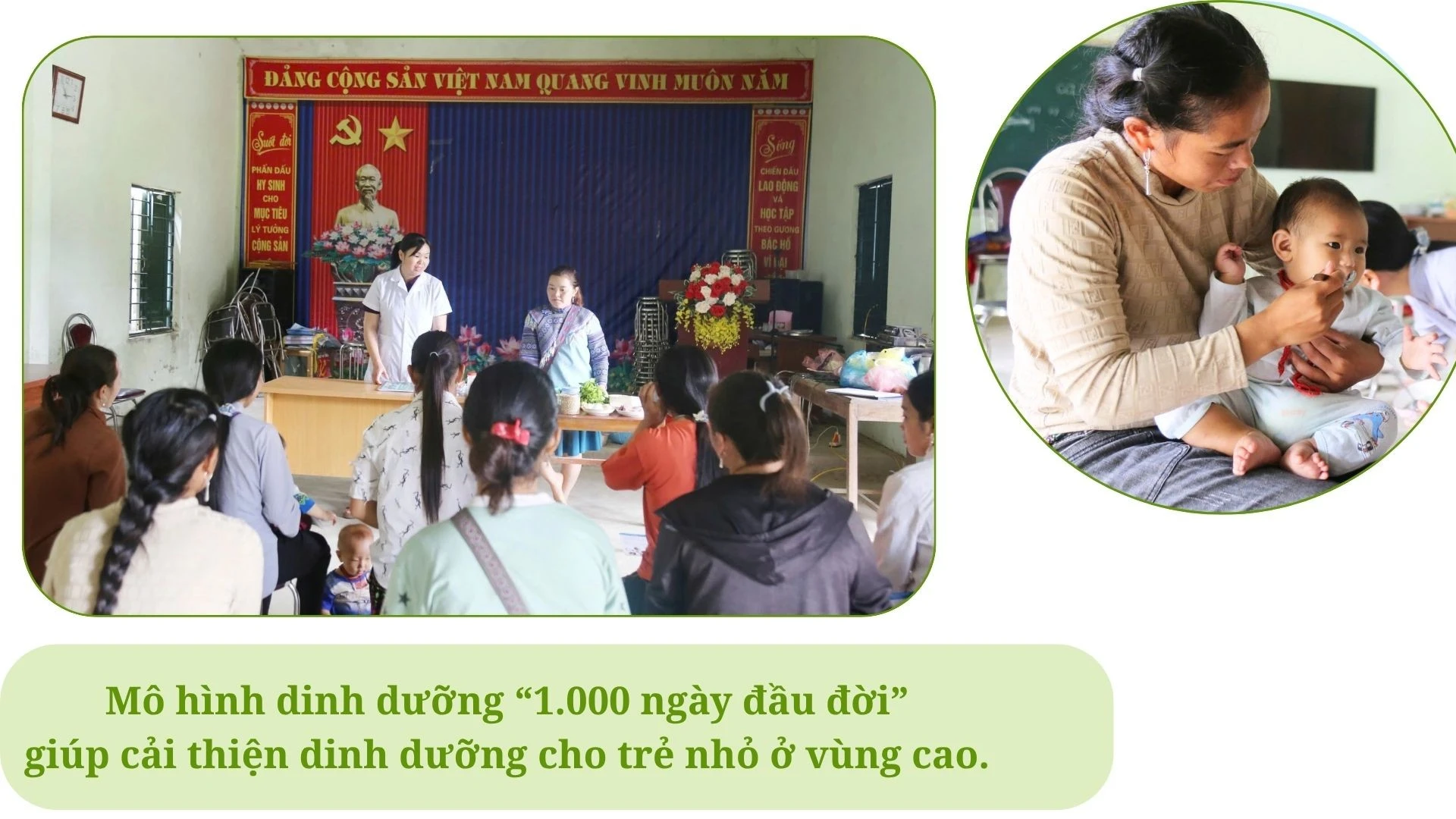
Mr. Tung Sao Long, Deputy Head of Pha Long Commune Health Station, said that the locality currently maintains 12 effective models of nutritional care during the first 1,000 days of life in villages and hamlets. These models have contributed to improving mothers' knowledge about breastfeeding, appropriate supplementary feeding, and scientific childcare. Through group activities and nutritional practice, many parents have changed their perceptions and effectively applied this knowledge to their childcare practices.
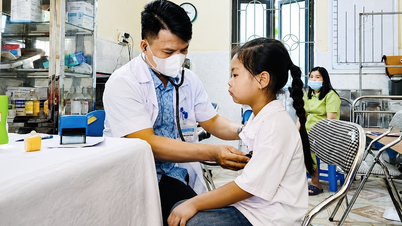
Since the beginning of the year, the Muong Khuong Regional Health Center has supported and implemented comprehensive nutrition programs with many practical activities aimed at improving the health status of children, especially in mountainous communes and ethnic minority areas. The program mobilized 8 nutrition specialists, 55 commune-level staff, 116 village health workers , and 105 nutrition collaborators to support the people.
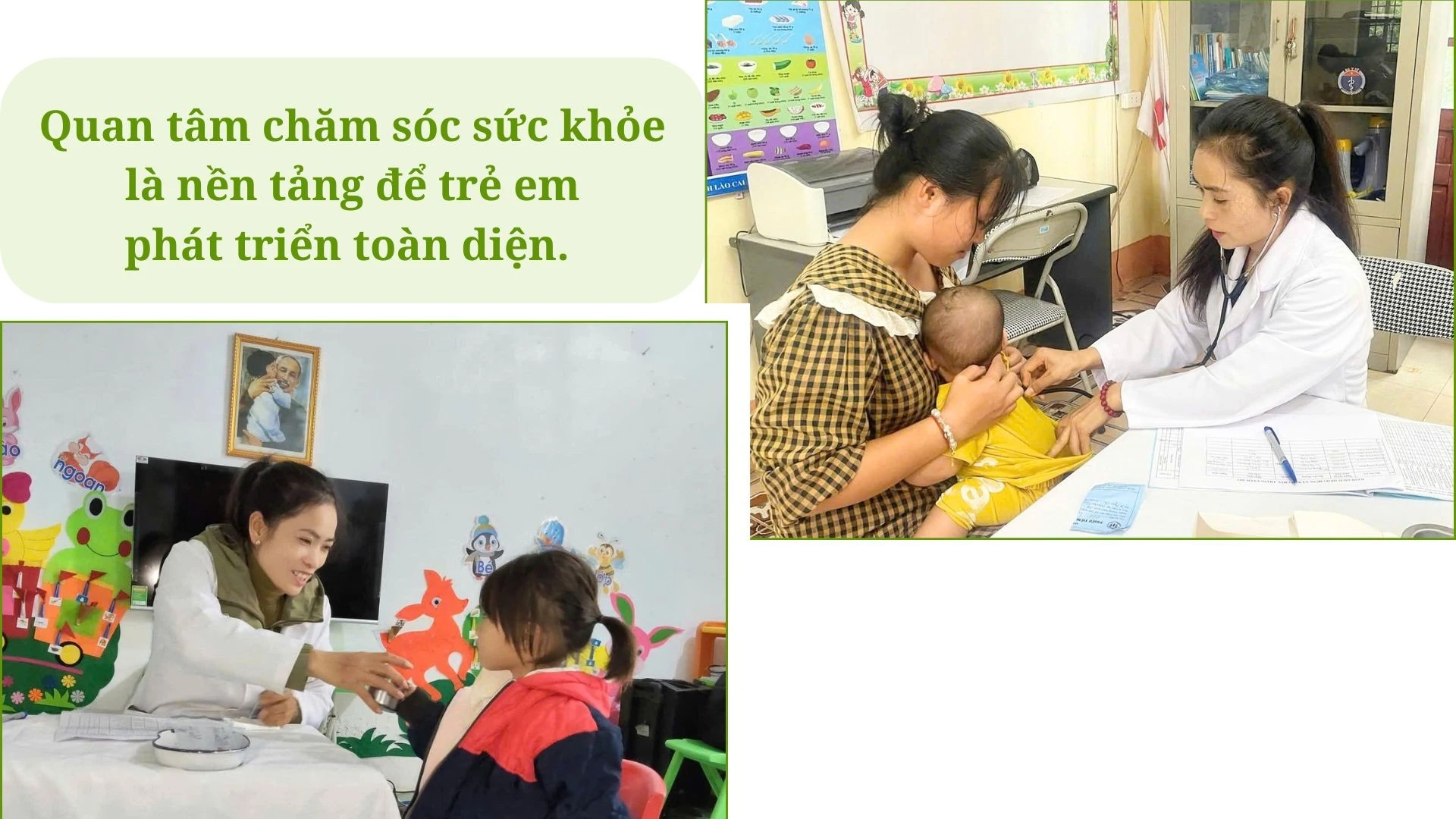
Currently, the entire region has 612 pregnant women receiving nutritional management, with over 85% receiving advice on appropriate diets and adequate micronutrient supplementation. There are 6,142 children under 5 years old, of which 2,044 children under 2 years old are being weighed and measured regularly, exceeding 92% of the plan. Additionally, 1,532 children have received vitamin A supplementation, and over 1,200 children have their growth charts monitored monthly.
Monitoring results show that malnutrition in children still exists but is being actively controlled. Specifically, there were 820 children with underweight malnutrition (13.3%), 1,233 children with stunted growth malnutrition (20.1%), and 312 children with wasting malnutrition. Most cases were managed, monitored, and received regular nutritional counseling, contributing to limiting the risk of severe malnutrition and related diseases.
The coordinated implementation of these activities has contributed to raising public awareness about healthcare, preventing and combating child malnutrition, and improving the quality of life in the locality.
Discussing the prevention and control of micronutrient deficiencies, Mr. Ly Van Xa, Deputy Director of the Muong Khuong Regional Health Center, stated that this is a task that needs to be implemented regularly and continuously, with close coordination between the health sector and the people. Each family needs to proactively implement a reasonable and scientific nutritional regime; follow the guidance of health officials in caring for mothers and children, such as: breastfeeding infants within the first hour after birth; exclusively breastfeeding for the first 6 months and continuing until 24 months of age or longer, combined with appropriate complementary feeding. Children from 24 months of age should be dewormed twice a year; practice personal hygiene, food hygiene, and environmental hygiene to prevent and control parasitic infections. Women of childbearing age and pregnant women need to take sufficient iron, folic acid, or multivitamin supplements as directed.
Mr. Xa further emphasized: “People need to proactively undergo regular health check-ups and nutritional counseling to detect and prevent micronutrient deficiencies early. Adequate micronutrient supplementation not only strengthens the immune system and prevents diseases but also contributes to improving the stature, physical fitness, and intelligence of future generations. In the coming time, the health sector in Muong Khuong area will continue to monitor child growth, expand nutritional communication, and strengthen coordination with local authorities to reduce malnutrition rates and improve the health of children in the highlands.”
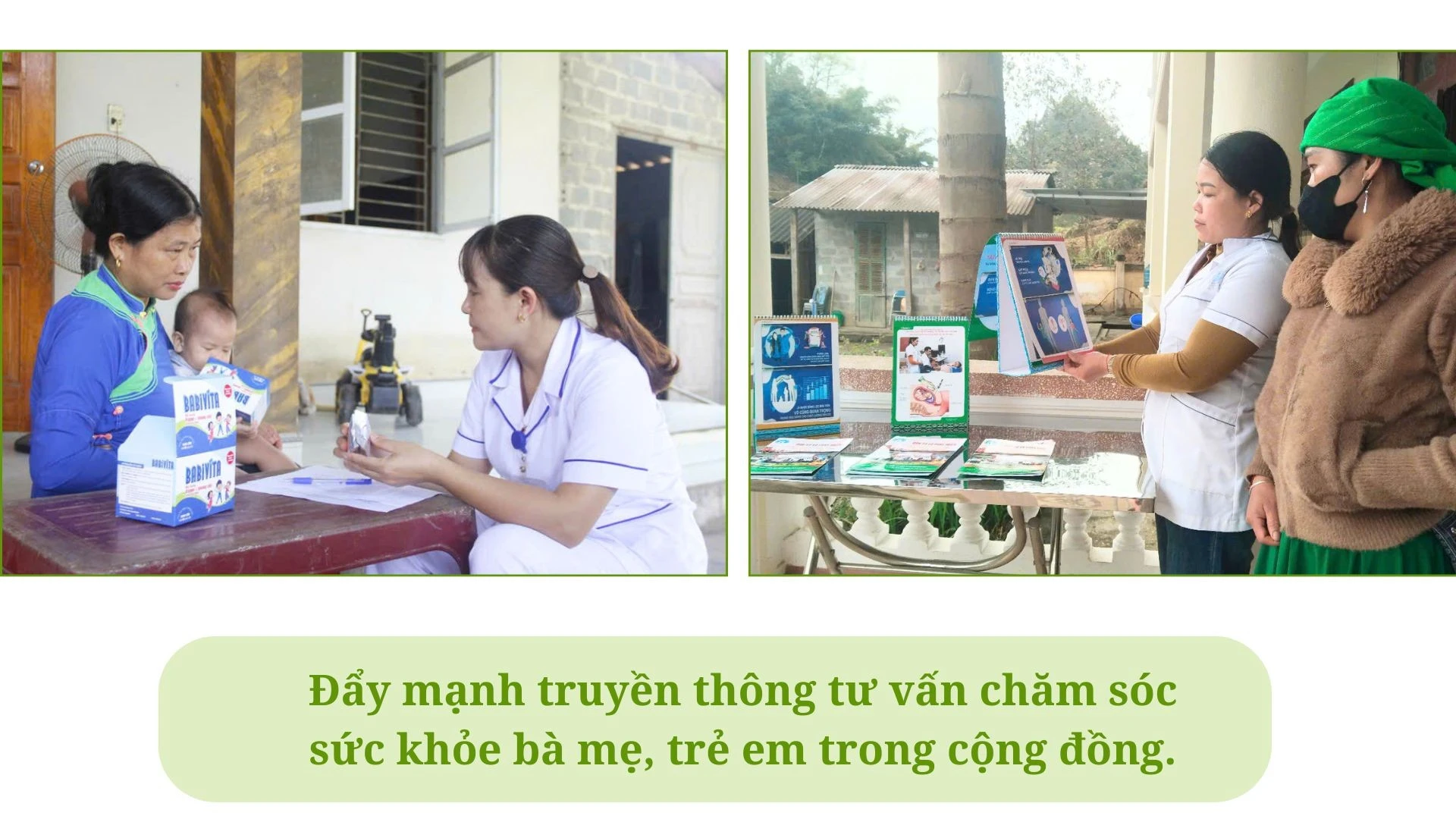
Throughout the province, maternal and child nutrition care has been implemented comprehensively in accordance with the overall plan for the development of physical fitness and stature of Vietnamese people in the period 2011-2030 and national target programs. The health sector has provided multivitamin/iron/folic acid supplementation to 89.9% of pregnant women; supplemented micronutrients for 4,867 malnourished and stunted children, achieving 91.7%; and organized two vitamin A campaigns per year for children aged 6-59 months, achieving 99.6%. Simultaneously, 1,170 children with acute malnutrition were identified, managed, and treated with the specialized RUTF nutritional product.
Simultaneously, 86 models of nutritional care for the first 1,000 days of life were maintained and developed in communes in Zone III; hundreds of communication sessions, nutritional practice sessions, and group activities for raising young children were organized, contributing to improving knowledge and changing behaviors in childcare within the community.
As a result, community nutrition improvement efforts have yielded many positive results, with stunting decreasing from 28.3% in 2021 to 22.7% in 2025; and underweight decreasing from 15.8% to 12.8%.
The achievements demonstrate the close attention and guidance of all levels of government and the health sector, along with the active cooperation of the people in maternal and child nutrition care. However, malnutrition and micronutrient deficiencies remain a challenge in some areas of the province, requiring more comprehensive, sustainable, and long-term efforts.
In the coming period, close, regular, and effective coordination among sectors and organizations will be crucial for the synchronized implementation of nutrition activities and the unification of tasks and responsibilities among stakeholders. In addition, communication activities need to be further strengthened, while improving the quality of primary healthcare services and effectively mobilizing social resources are essential to achieving the goal of improving physical health, enhancing stature, and improving the quality of the future generation.
Source: https://baolaocai.vn/day-manh-cham-care-dinh-duong-cho-ba-me-va-tre-em-post900863.html



![[Photo] First session of the 14th Congress of the Vietnam Trade Union](https://vphoto.vietnam.vn/thumb/1200x675/vietnam/resource/IMAGE/2026/06/03/1780465947883_ndo_br_img-3852-jpg.webp)

























































![[Video] Sunset at Lap An Lagoon – Where the sun sets over the fishing nets](https://vphoto.vietnam.vn/thumb/1200x675/vietnam/resource/IMAGE/2026/05/31/1780192137701_beach-landscape-sea-water-nature-grass-745871-pxhere-com.jpeg)




































Comment (0)