

But rest assured, experts will share helpful tips that can help you digest food more easily.
Which foods are most likely to cause bloating?
Bloating is caused by gas, which is produced by bacteria in the colon. High-fiber foods like beans, broccoli, cauliflower, and Brussels sprouts tend to produce more gas. Another common culprit is dairy.
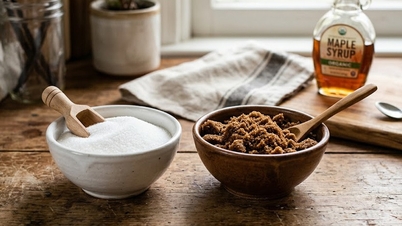
Artificial sweeteners and carbonated drinks can also cause bloating, according to Yale New Heaven Health, a website of Yale University School of Medicine (USA).
Helpful tips while eating to prevent bloating
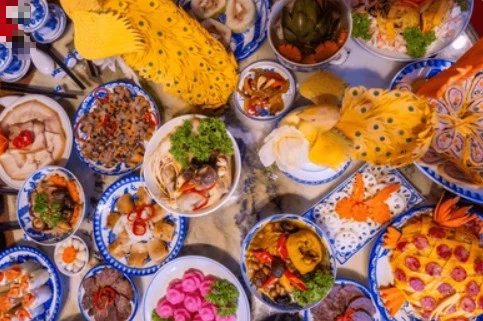
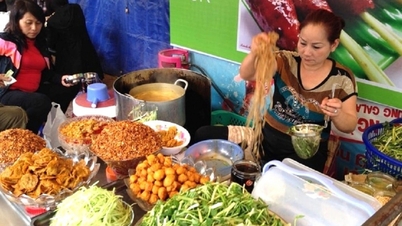
Tet holiday is a time for lavish feasts, more snacks, sugary drinks, and more desserts than usual.
Dr. Raquel Rozner, a gastroenterologist and member of the American Gastroenterological Association, offers helpful tips for reducing bloating:
- Pay attention to portion sizes, eat slowly, and chew thoroughly. Eating too much and too quickly can lead to digestive discomfort. Eat in moderation and at regular times, as getting too hungry can lead to eating too quickly.
- Eating too quickly or talking during meals can lead to insufficient chewing. This can cause the digestive system to work harder to process the food, resulting in bloating. Therefore, it's important to eat slowly and chew thoroughly.
- Focus on lean protein and vegetables.
- Be careful when eating foods high in fiber or dairy products.
- Eat less noodles or rice at each meal, according to Yale New Heaven Health.
Helpful tips to reduce bloating after overeating.

Bloating is caused by gas produced by bacteria in the colon.
Even with the tips above, you may still experience bloating. Don't worry, here's how to reduce post-meal discomfort.
Drink ginger tea. Ginger can soothe bloating, thanks to its properties that calm bowel activity, reduce gas in the intestines, and alleviate the feeling of fullness. You can suck on ginger candy, drink ginger tea, or eat pickled ginger after meals.
Drink plenty of water. Drinking enough water also helps reduce bloating. Water is necessary for the movement of broken-down food through the digestive tract. Ideally, you should drink water throughout the day, about every hour.
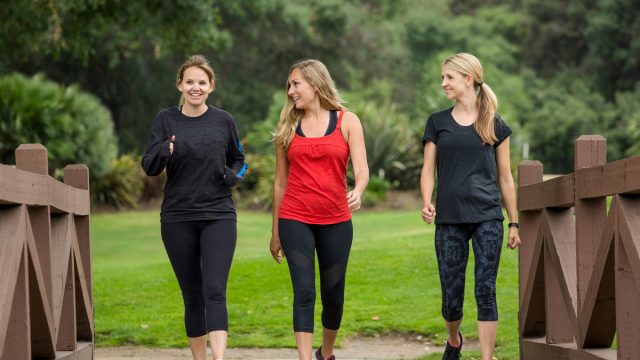
After eating, engage in light activity such as doing light housework or taking a walk.
Get moving. Exercise is a great tool for digestion. After eating, engage in light activity such as doing light housework or taking a walk. This can aid digestion and reduce bloating.
Lie on your left side. If you're experiencing bloating, try lying on your left side to aid digestion and move broken-down food through your stomach and intestines. But remember to walk around and sit down for a while after eating instead of lying down immediately, according to the health website Eat This Not That!.
Supplementing with digestive enzymes. An imbalance of digestive enzymes in the gut can cause uncomfortable bloating. Digestive enzymes, which contain several different types of enzymes, can be helpful.
Additionally, taking probiotics daily may also help reduce bloating.
Subsequent meals should be smaller. Sometimes bloating is caused by an overloaded digestive tract. So, if you experience bloating after lunch, avoid a large dinner and instead eat 2-3 light meals or easily digestible soup to reduce bloating.
Avoid carbonated drinks. The carbonation in carbonated drinks can increase feelings of bloating. While water helps reduce bloating, carbonated drinks can make it worse. Avoid carbonated drinks immediately before, during, and after meals. This can reduce bloating and decrease the likelihood of bloating onset. If you like carbonated drinks, consider having them between main meals or only during snacks.
Source link
![[Photo] First session of the 14th Congress of the Vietnam Trade Union](https://vphoto.vietnam.vn/thumb/1200x675/vietnam/resource/IMAGE/2026/06/03/1780465947883_ndo_br_img-3852-jpg.webp)
![[Photo] General Secretary and President To Lam presides over a meeting with the Central Organizing Committee.](https://vphoto.vietnam.vn/thumb/1200x675/vietnam/resource/IMAGE/2026/06/03/1780482764658_a1-bnd-4741-3342-jpg.webp)

![[Photo] Secretary of the National Assembly Party Committee, Chairman of the National Assembly presides over the meeting of the Standing Committee and Executive Committee of the National Assembly Party Committee.](https://vphoto.vietnam.vn/thumb/1200x675/vietnam/resource/IMAGE/2026/06/03/1780480353201_ndo_br_bnd-2585-jpg.webp)

































![[Video] Sunset at Lap An Lagoon – Where the sun sets over the fishing nets](https://vphoto.vietnam.vn/thumb/1200x675/vietnam/resource/IMAGE/2026/05/31/1780192137701_beach-landscape-sea-water-nature-grass-745871-pxhere-com.jpeg)



















Comment (0)