

 |
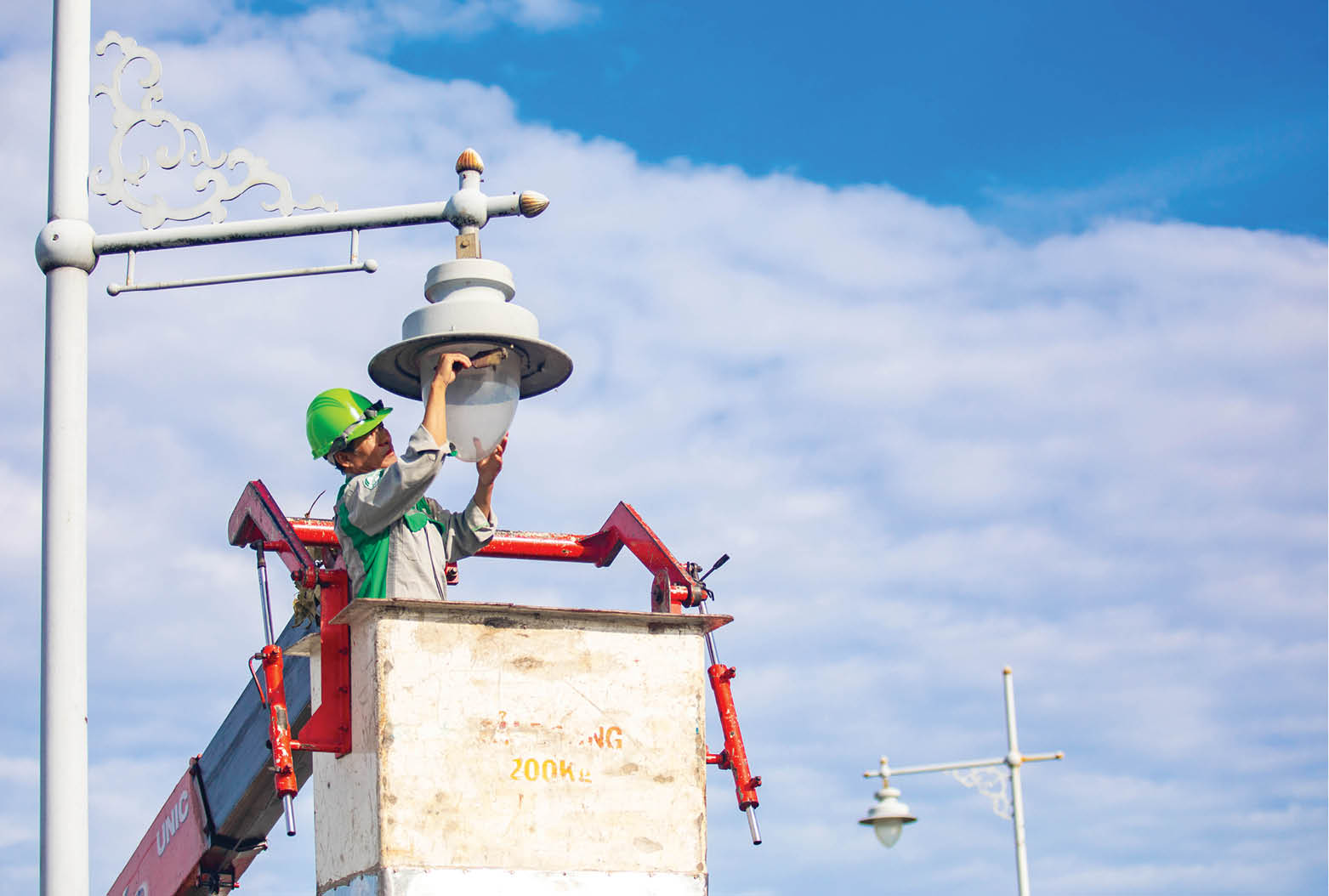
| Hue currently has the highest percentage of LED lighting in the country. |
Towards smart lighting management
With the city's development oriented towards a smart city model, public lighting in Hue is constantly being invested in and improved. LED lighting systems are gradually replacing traditional lighting technologies, bringing significant energy and aesthetic benefits. According to statistics from Hue Urban Environment and Construction Joint Stock Company (HEPCO), in Phu Xuan and Thuan Hoa districts, more than 24,600 streetlights are currently in operation, of which 68% are LED lights, spanning nearly 480km of main streets and over 240km of alleys. Hue also has the highest percentage of LED lighting in the country today.
HEPCO has also invested in a centralized lighting control system. The control center currently connects 341 electrical cabinets via wireless communication technology, allowing for flexible on/off switching based on weather conditions and usage needs. This is an important prerequisite for the city to gradually implement a smart urban lighting management platform.
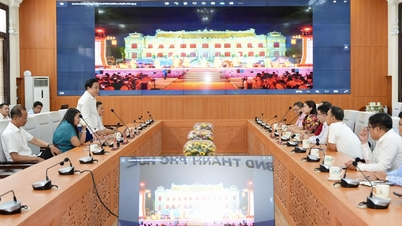
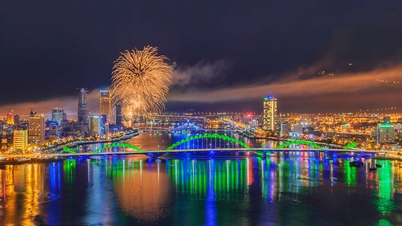
Besides public lighting for traffic and daily life, HEPCO is also responsible for architectural lighting at several prominent landmarks in the city, serving tourism and defining the city's identity at night. Structures such as the Truong Tien Bridge, the Ky Dai Monument, the Imperial Citadel, and more recently, the Nguyen Hoang Bridge, are not simply illuminated but have become "lighting masterpieces," creating aesthetic highlights for the entire city. The lighting at these locations not only guides visitors but also evokes the cultural depth of the ancient capital, leaving a lasting impression on both domestic and international tourists.
Multi-tiered problem in lighting management
According to Mr. Hoang Van Tien, Director of the Lighting Enterprise under HEPCO, one of the biggest challenges today is the fragmentation in the management system. Roads, parks, historical sites, and public works are managed by various different units: HEPCO is responsible for traffic lighting in the two central districts and Huong Thuy town; the Parks and Greenery Center is responsible for park lighting; Phu Loc, Phu Vang, Quang Dien, A Luoi districts and Huong Tra town are managed by local authorities; while lighting for historical sites is handled by the Hue Imperial City Relics Conservation Center. This is an obstacle to planning and developing a synchronized and modern lighting system throughout the city. The situation of "each place with its own style" and "each place with its own lighting direction" somewhat reduces the overall effectiveness of the lighting infrastructure.
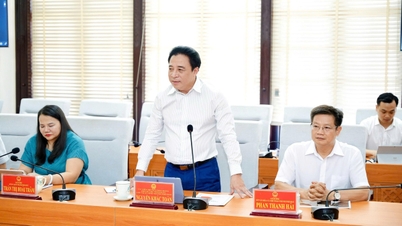
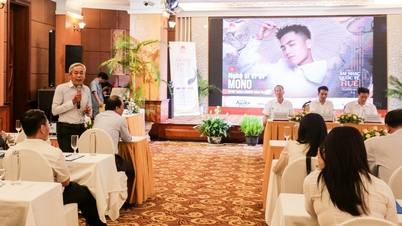
Speaking at the National Lighting Science Conference held in Hue at the end of May, Mr. Tran Quoc Khanh, General Director of HEPCO, expressed his concerns about financial resources. He noted that financial constraints hindering investment in artistic lighting and the high initial investment costs are significant obstacles to the widespread adoption of smart lighting technology. Simultaneously, the balance between preservation and development is crucial, as installing lighting systems at historical sites requires a deep understanding of the architecture, materials, and cultural values of the structures. Incorrect lighting, lacking the right tone or intensity, can disrupt the emotional impact of a historical site. Meanwhile, the pressure to attract tourists and develop the night-time economy demands enhanced lighting to create focal points. Balancing preservation of the original state with the need for modernization is a delicate problem requiring a multidisciplinary approach and social consensus.
To overcome existing challenges and build upon achievements, a comprehensive, synchronized, and long-term lighting management strategy is needed. Mr. Tran Quoc Khanh suggested that the city should soon issue a specialized lighting plan in line with smart city principles, prioritizing the implementation of a city-wide smart lighting control system to enable remote monitoring, control, and optimization.
HEPCO proposes the establishment of a centralized database for lighting infrastructure to facilitate maintenance, upgrades, and inter-sectoral coordination. Digitizing and managing data on equipment, operating times, consumption levels, and areas of responsibility will save time and costs, and reduce management risks. Simultaneously, establishing a specialized committee or working group comprising experts in lighting, architecture, conservation, and government representatives is recommended to ensure that all lighting projects in heritage areas are evaluated objectively, scientifically, and with a humanistic approach.
Source: https://huengaynay.vn/kinh-te/de-hue-them-diem-nhan-ve-dem-154998.html


![[Image] Close-up view of the interchange connecting the two expressways and Long Thanh Airport.](https://vphoto.vietnam.vn/thumb/1200x675/vietnam/resource/IMAGE/2026/05/25/1779703378210_ndo_br_z7863716673926-224453a31600126cce10622af6290afd-4549-jpg.webp)
![[Image] Hanoi's urban life under the challenge of a "scorching hot" environment](https://vphoto.vietnam.vn/thumb/1200x675/vietnam/resource/IMAGE/2026/05/25/1779706979265_nang-nong-t5-2026-minh-duy-7-4636-jpg.webp)





































































Comment (0)