

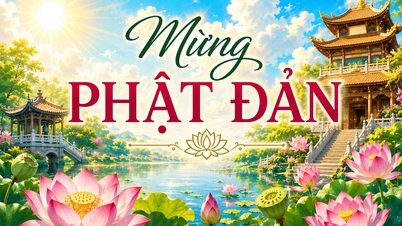
Happy Buddha's Birthday
***
Yen Tu Truc Lam sacred
Seven hundred years of religion connecting the land and rivers.
Tran Nhan Tong was a man of noble character.
Practicing spiritual cultivation leads to enlightenment and establishes a lineage of meditative mindfulness.
Pháp Loa secretly continued the religious tradition.
Huyen Quang casts a wondrous light of compassion.
The Three Patriarchs built the bridge before
A thousand years illuminating the wonders of humanity.
Hoa Yen is shrouded in endless clouds.
The bell rings, awakening people near and far.
Am Ngoa Van in the twilight
The sound of meditative songs still echoes from the pine trees.
Hue Quang Pagoda amidst the mythical mountains
For a thousand years, the radiant light of compassion will forever shine.
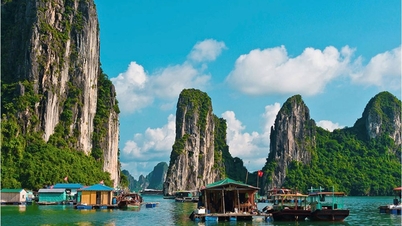
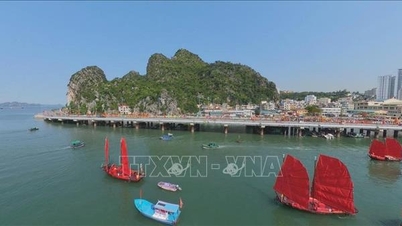
Quang Ninh's magical waves
Celebrate the Buddha's Birthday in the spring with peace and joy.
Ha Long shines brightly with the sea and sky.
The bells of Yen Tu ring out, bringing peace and tranquility everywhere.
A new era across the land.
Vietnam takes steps to reach out to the world.
All people united in a radiant light.
Religious and secular life are intertwined, bringing peace to the land.
People who cherish loyalty and friendship
The homeland of Buddha shines brightly.
The Buddha, the Dharma, and the Sangha shine brightly.
The beautiful land of our nation is glorious.
May all of humanity be blessed.
Joy and happiness fill countless songs.
***
Hong Gai , May 28, 2026
(Buddha's Birthday: 15th day of the 4th lunar month of the Year of the Fire Horse)
The poem "Celebrating Buddha's Birthday" is a song deeply imbued with Buddhist spirit, blending national pride, the traditions of the Truc Lam Zen sect, and a sense of pride in Quang Ninh province in the modern era.
From the very opening lines: “Yen Tu Truc Lam, sacred/Seven hundred years of the Dharma connecting the mountains and rivers,” the poem opens up the unique cultural and spiritual space of Yen Tu, the cradle of the Truc Lam Zen sect of Vietnam. With just two concise lines, the author evokes the historical depth of over seven centuries of this Zen tradition, deeply rooted in national identity. The word “sacred” not only suggests the solemn atmosphere of the sacred Yen Tu mountain but also the enduring vitality of engaged Buddhist thought in the life of the Vietnamese people.
The image of Tran Nhan Tong is portrayed with profound reverence:
"Tran Nhan Tong possessed a brilliant heart."
"Practicing spiritual cultivation to achieve enlightenment establishes a lineage of meditative mindfulness."
These two verses encapsulate the immense beauty of the wise king who, after leading his nation to victory against foreign invaders, renounced his throne to seek enlightenment. The phrase "establishing a lineage of Zen mind" signifies both the founding of the Truc Lam Zen school and the foundation of compassion and altruism that he left for posterity. This is a concise yet profoundly historical and philosophical writing style.
The author goes on to mention Pháp Loa and Huyền Quang:
"Phap Loa continued the religion in silence."
Huyen Quang sows the light of miraculous radiance."
These two lines of poetry evoke the enduring spirit of the Three Patriarchs of Truc Lam. The word "silently" is excellent, because the propagation of Buddhism is often done quietly, without ostentation. Meanwhile, "the wondrous light of compassion" suggests both the light of Buddhist wisdom and creates a sense of mystery and purity. The image of "The Three Patriarchs before us built a bridge / Illuminating humanity with wondrous light for a thousand years" is a beautiful association, viewing the Patriarchs as a spiritual bridge connecting the past with the present, connecting religion with life, and connecting humanity with truth, goodness, and beauty.
One of the poem's successes lies in its natural incorporation of the scenic spots and sacred temples of Yen Tu into the work:
"Hoa Yen is shrouded in endless clouds."
The bell rings, awakening countless people near and far.
Hoa Yen Pagoda emerges amidst the swirling mountain clouds, truly reflecting the authentic beauty of Yen Tu, the ancestral site. The image of the "bell ringing to awaken" is rich in symbolism, suggesting that the sound of the pagoda bell not only resonates in the space but also awakens the human soul towards goodness.
Arrive:
"The twilight shadows fall over the Ngoa Van Pagoda"
"A thousand pine trees still echo the meditative songs of the heart."
Am Ngoa Van is depicted with a strong sense of Zen and poetry. "The Zen song of the heart" is a gentle expression, creating a feeling of serenity and profoundness. The verse evokes the sound of wind rustling through pine trees in the high mountains, like an echo of history and Buddhist teachings through the centuries.
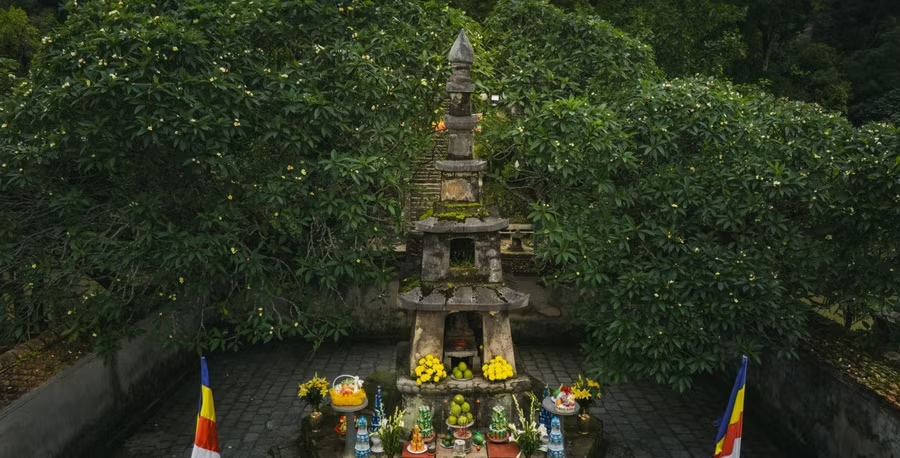
The image of Hue Quang Pagoda, with the line "Hue Quang Pagoda amidst the mountains/For a thousand years, it radiates the compassionate light," possesses a beauty that is both ancient and sacred. "The compassionate light" is a highly symbolic image, transforming the pagoda from an inanimate architectural structure into a source of spiritual light illuminating people's hearts.
Another noteworthy point is that the poem does not stop at the Buddhist realm but also expands to love for one's homeland:
"Quang Ninh's magical waves and waters"
"Welcoming the Buddha's Birthday in spring brings peace and joy."
and:
"Ha Long shines brightly with the sea and sky."
"The bells of Yen Tu ring out, bringing peace and tranquility everywhere."
These two verses have a bright, modern feel. Ha Long appears both majestic and peaceful, like a harmonious blend of magnificent nature and the spiritual life of this heroic mining region. The author skillfully connects the sea and sky of Ha Long with the sound of the bells of Yen Tu, creating a Quang Ninh that is both rapidly developing and rich in cultural depth.
In particular, the stanza: “A new era across the mountains and rivers/Vietnam takes steps to reach out to the sea and sky” brings the spirit of the times into the work. This is a very clear manifestation of engaged Buddhism: the Dharma is not separate from life, but accompanies the development of the country. The image of “Vietnam taking steps to reach out to the sea and sky” expresses the aspiration for development, integration, and strong progress in the new era.
Concluding sentences:
"The Buddha, the Dharma, and the Sangha shine brightly."
"The beautiful land of our nation is glorious."
and:
May all of humanity be blessed.
"Peace, joy, and happiness fill countless songs."
It resonates like a grand prayer for the people, the country, and the world . It embodies the compassionate and benevolent spirit characteristic of Buddhism. The poem concludes with "myriad songs," creating a bright aftertaste and instilling faith in a peaceful and happy life.
Source: https://giaoducthoidai.vn/den-voi-bai-tho-hay-mung-phat-dan-post779495.html
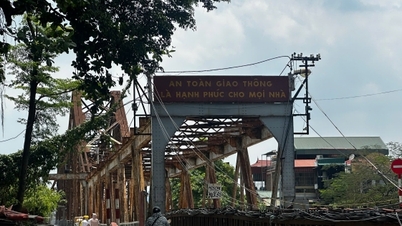
![[Photo] Life on both banks of the river returns to its bustling pace on the day the Long Bien Bridge opens to traffic.](https://vphoto.vietnam.vn/thumb/1200x675/vietnam/resource/IMAGE/2026/05/28/1779949763708_cau-long-bien-minh-duy-7-3610-jpg.webp)
![[Photo] The heat at the fireworks display site on the opening night of the Da Nang International Fireworks Festival 2026](https://vphoto.vietnam.vn/thumb/1200x675/vietnam/resource/IMAGE/2026/05/27/1779889741485_ndo_br_z7872039145157-fecaba5112f39e8352544099d7ef4738-5140-jpg.webp)





















































































Comment (0)