

In the early days of 2026, many community-based tourism villages in Dien Bien were bustling with domestic and international visitors coming to experience the local culture. Amidst the mountains and forests of Northwest Vietnam, tourists not only sought to reconnect with pristine nature but also wanted to immerse themselves in the traditional culture of the Thai, Mong, and Khmu ethnic groups, preserved through generations.
In its sustainable tourism development plan, Dien Bien province has identified community-based tourism as being linked to the preservation of ethnic cultural identity and the protection of the ecological environment. From traditional stilt houses, brocade weaving, the Xoe dance, the sound of the khene flute, to distinctive highland dishes, all are becoming attractive tourism products, while also contributing to increasing the income of local people.
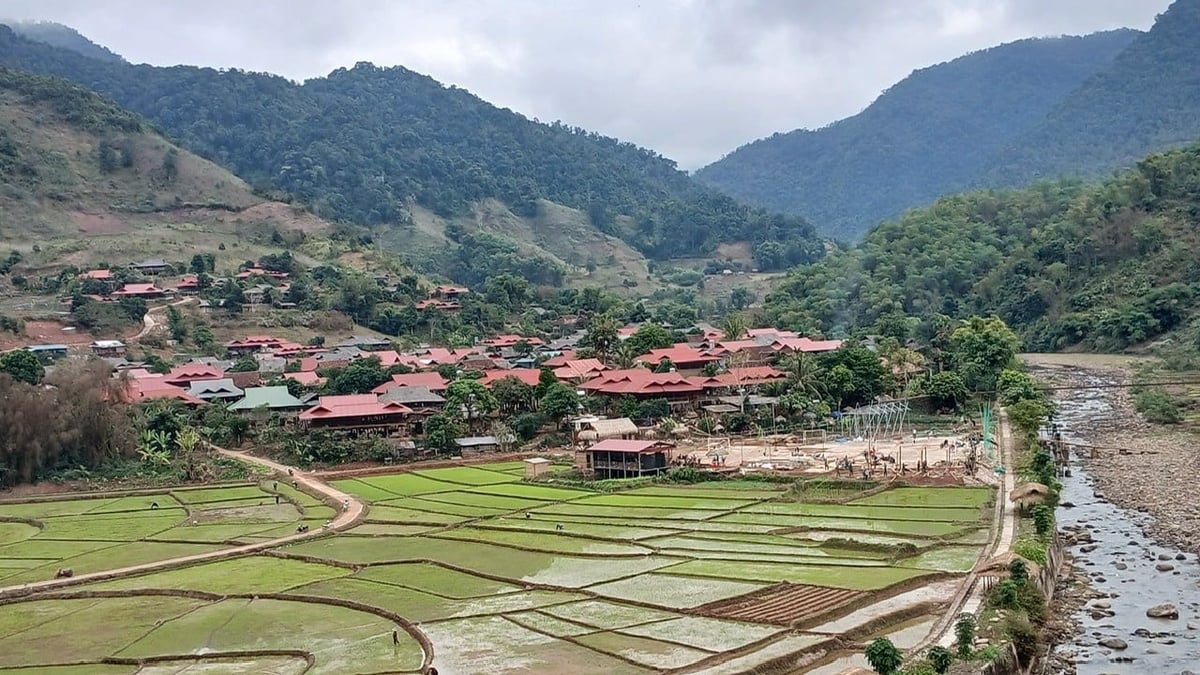
Na Su village (Muong Cha commune, Dien Bien province) preserves its ecological landscape and traditional architecture, developing community tourism linked to ethnic cultural identity. Photo: Hoang Chau.
In the first quarter of 2026, Dien Bien province is estimated to welcome approximately 550,000 tourists, a 1.29-fold increase compared to the same period last year. Total revenue from tourism activities is expected to reach around 997 billion VND, a 1.3-fold increase compared to the same period in 2025. This result demonstrates the growing appeal of community-based tourism linked to cultural and natural experiences.
To enhance the quality of tourist destinations, the Department of Culture, Sports and Tourism of Dien Bien province has advised the Provincial People's Committee to recognize two new tourist destinations: Na Su village in Muong Cha commune and Phieng Loi village in Dien Bien Phu ward. These areas still preserve the distinctive traditional architecture, customs, and ecological landscapes of the highlands.
In addition to developing accommodation services, many homestays in Dien Bien also focus on creating green spaces, reducing plastic waste, and maintaining clean and beautiful landscapes to create a positive impression on tourists. Locals in community-based tourism villages have proactively planted flowers, collected garbage, protected water sources, and preserved the living environment around their communities.
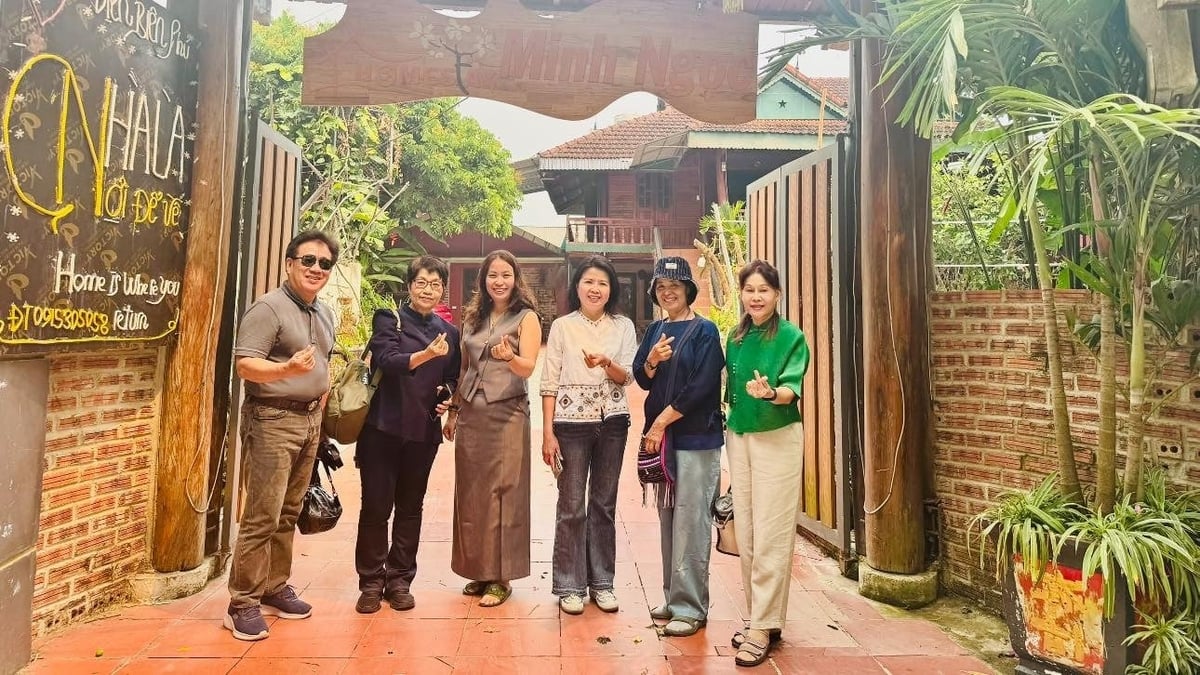
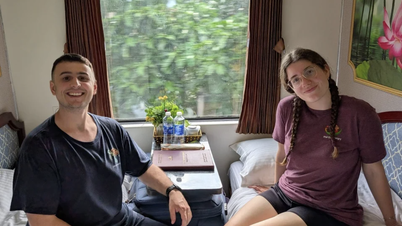
Tourists experience the local accommodation and culture at a community homestay in Dien Bien. Photo: Hoang Chau.
In many villages, community-based ecotourism models are encouraging tourists to use environmentally friendly products, experience life close to nature, and participate in landscape protection activities. This has helped raise community awareness of the role of the environment in sustainable tourism development.
Mr. Tran Hai Ha, Acting Director of the Department of Culture, Sports and Tourism of Dien Bien province, said: “We have determined that the development of community tourism must go hand in hand with cultural preservation and environmental protection. If the environment is affected and the landscape degrades, tourism will be difficult to develop sustainably. Therefore, the department always encourages people to preserve their ethnic cultural identity, while raising awareness of protecting the landscape, water resources and ecological environment at tourist destinations.”
Alongside developing tourism products, Dien Bien is also promoting its image through various new methods. Within the framework of the 2026 Hoa Ban Festival, the province organized a Press Trip program inviting travel bloggers, YouTubers, TikTokers, and journalists to participate in firsthand experiences at community tourism destinations. Through digital platforms, images of lush green nature, peaceful villages, and the unique culture of the highland people are widely disseminated to domestic and international tourists.
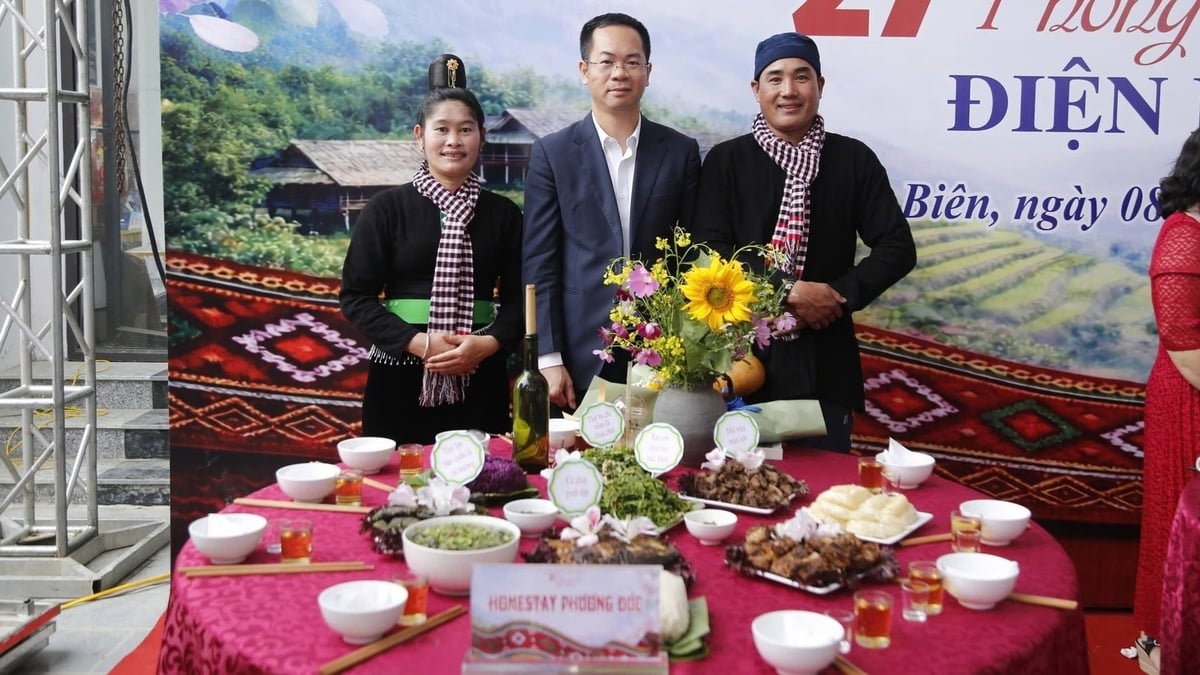
Homestays in Dien Bien showcase traditional cuisine, contributing to the promotion of ethnic culture and attracting tourists. Photo: Hoang Chau.
Famtrip programs to survey tourism products in Muong Phang commune during the Cherry Blossom Festival in 2026 also open up opportunities to develop more eco-tourism tours, cultural and historical experiences associated with the local community.
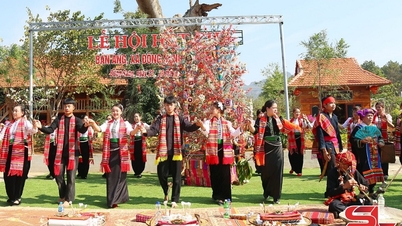
In reality, when local people become the main actors in tourism activities, traditional values are no longer lost but are preserved and promoted in a more intimate and sustainable way. From the sound of the bamboo flute calling for lovers on the mountainside to the vibrant colors of brocade fabrics on the verandas of stilt houses, community tourism is helping Dien Bien both preserve ethnic culture and maintain the greenness of the Northwest mountains and forests for today and tomorrow.
Source: https://nongnghiepmoitruong.vn/dien-bien-giu-hon-van-hoa-tu-du-lich-cong-dong-xanh-d810261.html



![[Photo] Standing Committee member of the Party Central Committee Tran Cam Tu working with the Central Inspection Committee](https://vphoto.vietnam.vn/thumb/1200x675/vietnam/resource/IMAGE/2026/05/28/1779969579668_ndo_br_bnd-2495-jpg.webp)


























































Comment (0)