

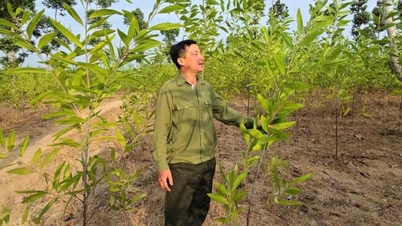
After nearly five years of investing in an agarwood plantation in Dong Tien commune, Dong Phu district, Ms. Nguyen Thi Dinh from District 7, Ho Chi Minh City, has achieved unexpected results. All of her family's agarwood trees, after the initial cultivation period, have begun to produce agarwood resin. Ms. Dinh said: "I have spent many years researching agarwood and know that creating it is a difficult and risky process. Therefore, when I invested in the agarwood plantation in Dong Tien commune, I didn't have high expectations. However, today's harvest is truly surprising; even though the trees were only cultivated four years ago, they have all produced agarwood resin."
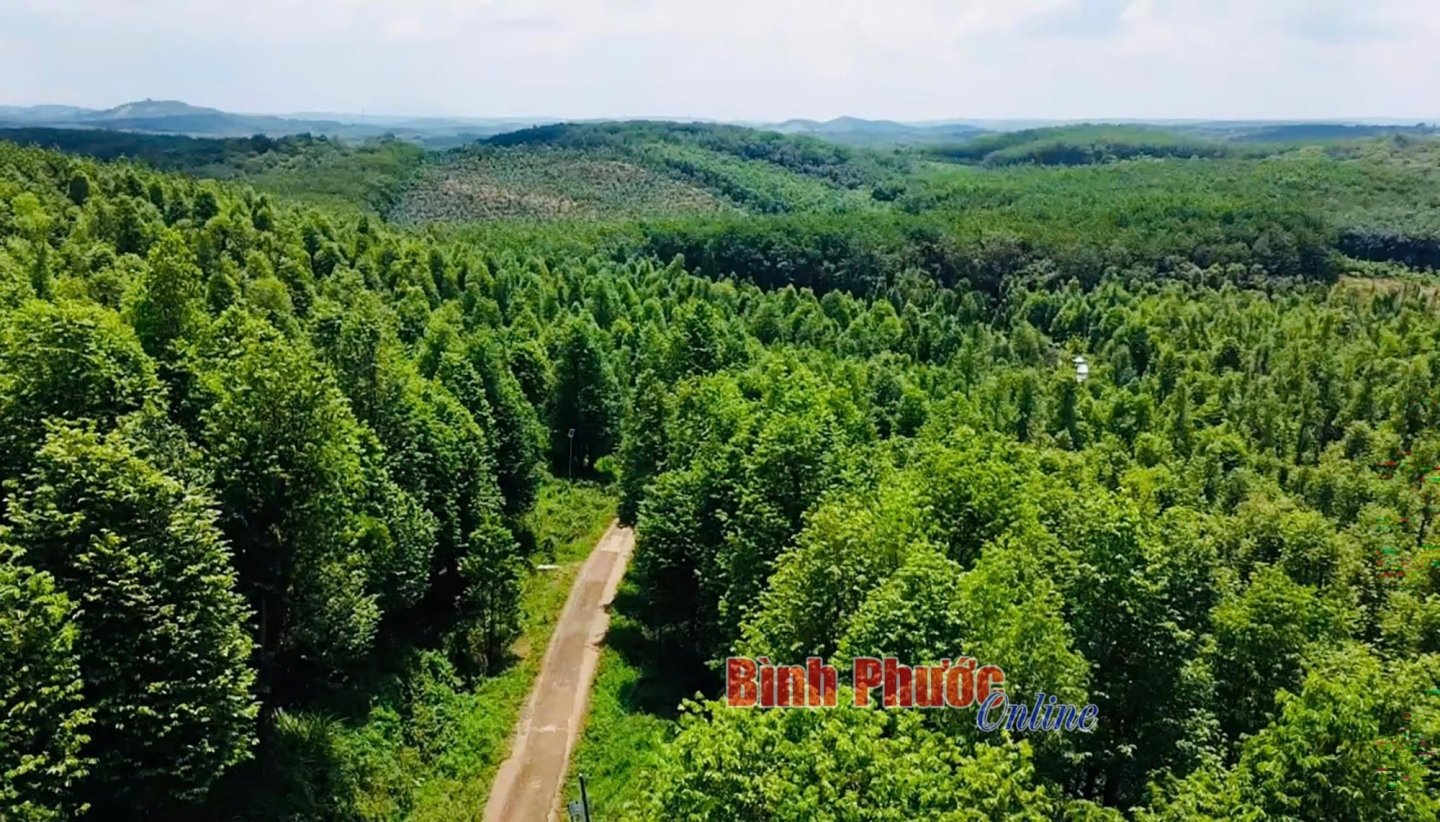
"When we sawed the agarwood, we found that it was being consumed in large quantities, not only from the base but also spreading to the top. The amount of agarwood harvested may not be much yet, but I feel very happy," Ms. Dinh shared.
As the owner of an agarwood plantation with trees over 20 years old, Mr. Le Van Giang, Chairman of the Board and General Director of TTT Agarwood Joint Stock Company, said: Currently, the company has 17 agarwood plantations in Binh Phuoc, with over 55,000 agarwood trees. However, after inspection and evaluation, only 22,000 trees have produced agarwood. Explaining this, Mr. Giang said that creating agarwood is a difficult process, depending on the tree variety, climate, soil, as well as the grafting technology to ensure it meets technical standards, and the number and location of wounds on each tree must be calculated appropriately.
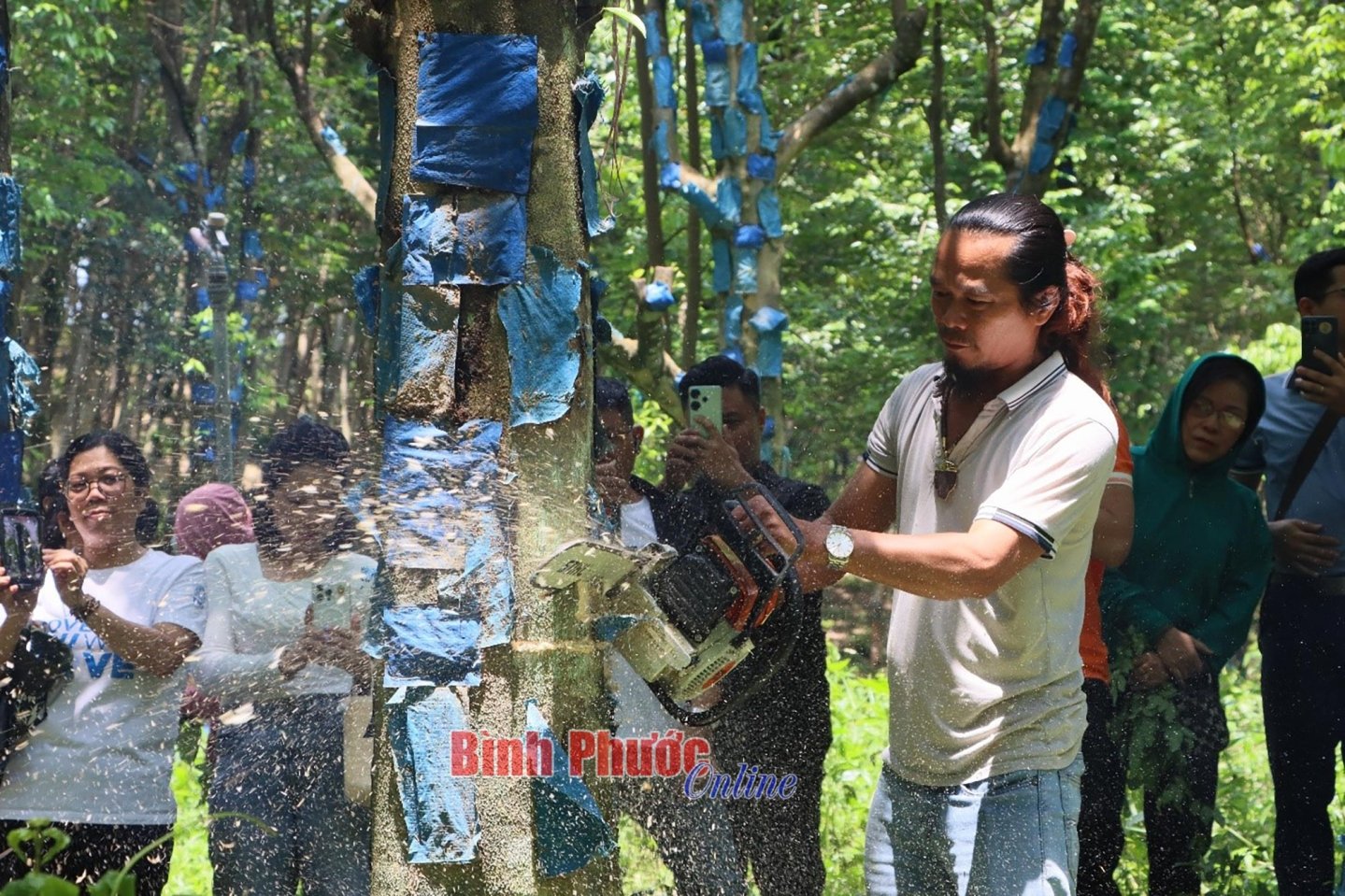
According to Mr. Giang, the technology or method of agarwood formation is the most important factor determining the quality of the finished product. TTT Agarwood Joint Stock Company is applying microbial inoculation technology to create agarwood. Unlike chemical technology, microbial inoculation technology helps the tree grow normally and form agarwood in a way similar to that in nature. The tree has enough time to accumulate oil in the wound and form agarwood with superior thickness, fragrance, and quality.
With years of experience in collecting agarwood, Mr. Lam Hong Minh Dung from Ho Chi Minh City shared: Agarwood is formed from wounds on the Aquilaria tree. The process of creating agarwood is quite special. Depending on the "constitution" of each tree, not every Aquilaria tree can produce agarwood. During its development, rain, storms, or other natural factors can injure the tree trunk, infect it with a type of mold, and it secretes a fragrant resin to resist this attack. Over time, the secreted resin becomes thicker and penetrates the surrounding wood fibers.
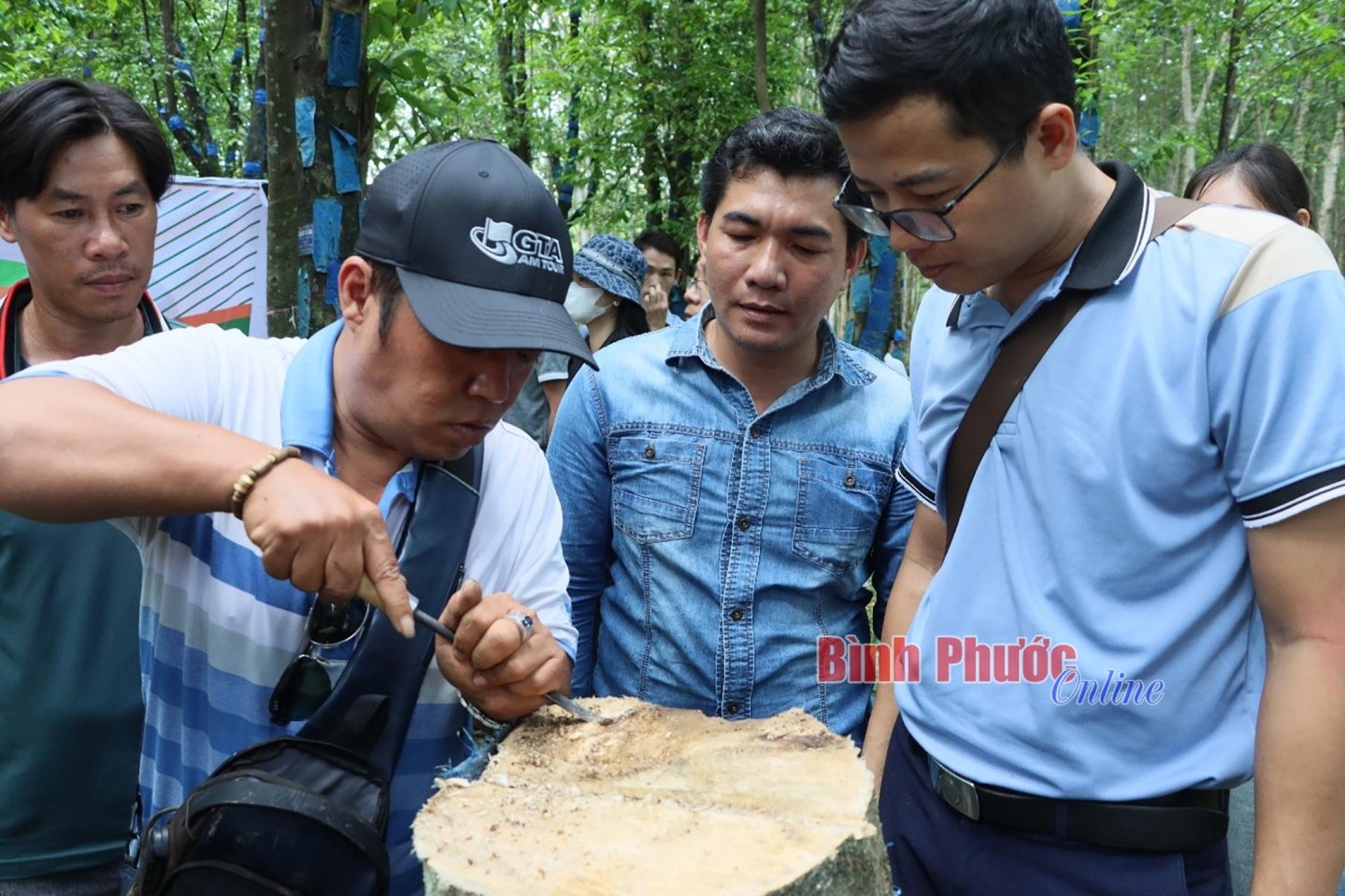
According to Mr. Dung, agarwood is widely used in daily life today. Products made from agarwood are incredibly diverse, ranging from agarwood bracelets and incense to agarwood essential oil and tea. Agarwood essential oil, in particular, is a measure of its value, as the older the agarwood, the higher the percentage of essential oil, and therefore its value. Agarwood essential oil emits a special fragrance that helps relax the mind and reduce stress and fatigue. Therefore, agarwood is a promising crop, especially in Binh Phuoc province.
Experts also believe that agarwood trees have great potential for high economic returns due to their promising market, while natural agarwood is becoming increasingly scarce. However, agarwood cultivation does not always yield the expected results. Therefore, growers need to pay attention to the technical requirements for planting, caring for, and cultivating agarwood to move towards organic production, meeting the stringent demands of both domestic and international markets.
Source: https://baobinhphuoc.com.vn/news/4/174575/do-bau-chinh-phuc-nguoi-me-tram-huong


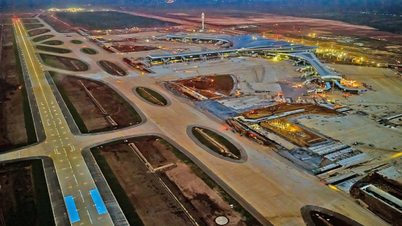
![[Photo] Two flights successfully landed and took off at Long Thanh Airport.](/_next/image?url=https%3A%2F%2Fvphoto.vietnam.vn%2Fthumb%2F1200x675%2Fvietnam%2Fresource%2FIMAGE%2F2025%2F12%2F15%2F1765808718882_ndo_br_img-8897-resize-5807-jpg.webp&w=3840&q=75)



























































Comment (0)