

Dark tourism takes visitors to places of past tragedy, often misinterpreted as morbid curiosity or an obsession with death.
Sites that witnessed tragedies, such as the Chernobyl nuclear power plant, Hiroshima, or the Killing Fields in Cambodia, attract thousands of tourists each year.
Visiting these places is called dark tourism.
This trend has puzzled many researchers and traditional tourists alike. They question why so many people are drawn to locations associated with a painful past instead of enjoying beach holidays.
Dr. Philip Stone, founder of the Institute of Dark Tourism Research (iDTR) at the University of Central Lancashire, UK, says that dark tourism mainly revolves around commemorating the deceased through museums, exhibitions, memorials, and historical sites. Some famous examples of this type of tourism include the Tuol Sleng Genocide Site in Cambodia – a notorious prison under the Khmer Rouge; Hiroshima and Nagasaki – both bombed with atomic bombs in 1945; the Aokigahara Suicide Forest; and Hashima Island – a ghost city abandoned after the collapse of Japan's coal industry.
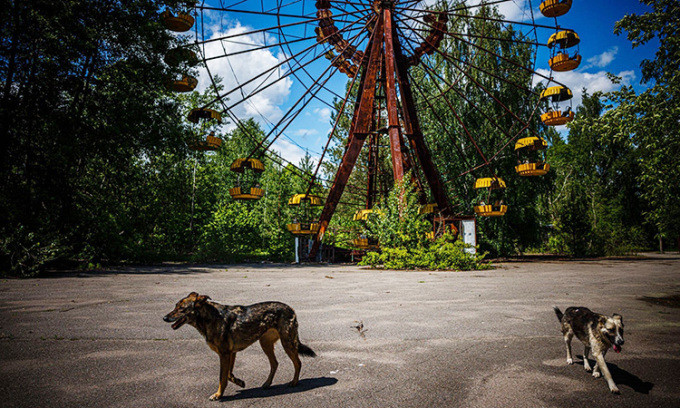
Each visitor has their own reason for participating in this type of activity. Some want to confront the pain of the past, while others are curious and eager to learn more about history. Seeing firsthand the relics of the victims at the Auschwitz concentration camp or reading the names of those who have passed away at the 9/11 Memorial can help them gain a deeper understanding of the losses in history.
However, Black tourism not only evokes tragedies but also raises questions about how society remembers the past and commemorates painful events. Not everyone agrees with this trend, fearing that tragic sites could be commercialized. Some countries also restrict the promotion of images associated with painful memories.
Despite its growing popularity, dark tourism is still misunderstood in many ways. One misconception is that tourists are attracted to death and grief. Dr. Duncan Light, a tourism management expert at Bournemouth University (UK), says that studies show that the majority of tourists who visit historical sites do not do so out of morbid curiosity, but to learn, commemorate tragic events, or pay respects to the victims. Many also visit these places to connect with deceased loved ones or explore their national identity.
"None of these motives are actually sinister," Dr. Light asserted.
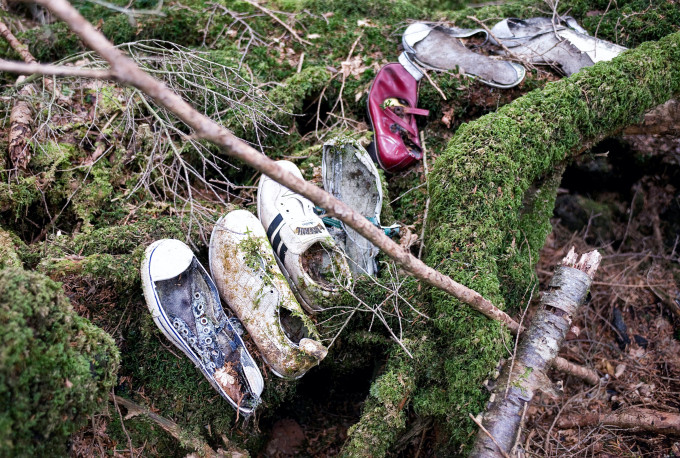
Black tourism is often confused with other types of tourism such as slum tourism – visiting impoverished areas, war tourism – visiting current conflict zones, or danger tourism – participating in risky activities such as cave exploration.
According to Dark-Tourism, an online guide to dark tourism, there are many misconceptions about this type of tourism. Essentially, dark tourism is a "conscious and respectful" approach to history, helping people better understand the darker aspects of the past without embellishing or sensationalizing events.
One of the contentious issues is the line between commemoration and commercialization. Dr. Stone argues that while visitors don't directly confront death, they are still exposed to stories of loss. This can lead them to reflect on their own finitude.
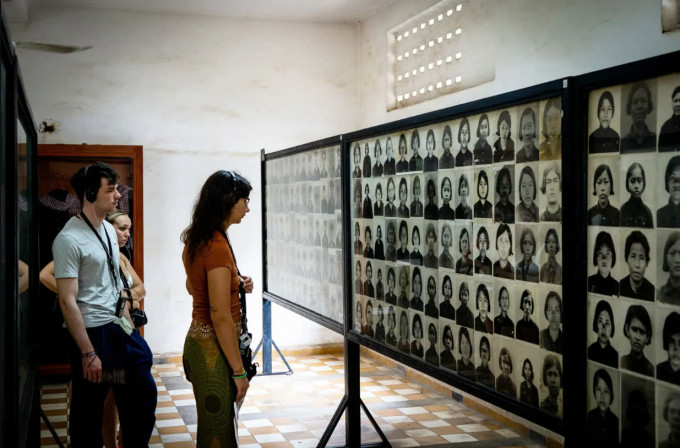
However, tourists do not always show respect for historical sites. Several controversial incidents have occurred where tourists have taken selfies or posed inappropriately at the Auschwitz concentration camp. This type of tourism discourages such disrespectful behavior. Museums, memorials, and historical sites aim to be places of remembrance, helping people confront the past and learn lessons for the future.
According to Dr. Stone, Black tourism is a complex form of tourism, possessing both historical and educational value, while also facing ethical and governance controversies. Despite misunderstandings and conflicting opinions, this trend continues to attract travelers worldwide as people constantly seek ways to connect with the past and reflect on the meaning of life.
Source





















![[Image] Hanoi's urban life under the challenge of a "scorching hot" environment](https://vphoto.vietnam.vn/thumb/1200x675/vietnam/resource/IMAGE/2026/05/25/1779706979265_nang-nong-t5-2026-minh-duy-7-4636-jpg.webp)




























































Comment (0)