

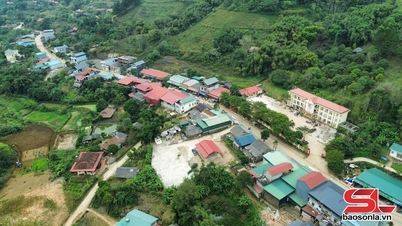
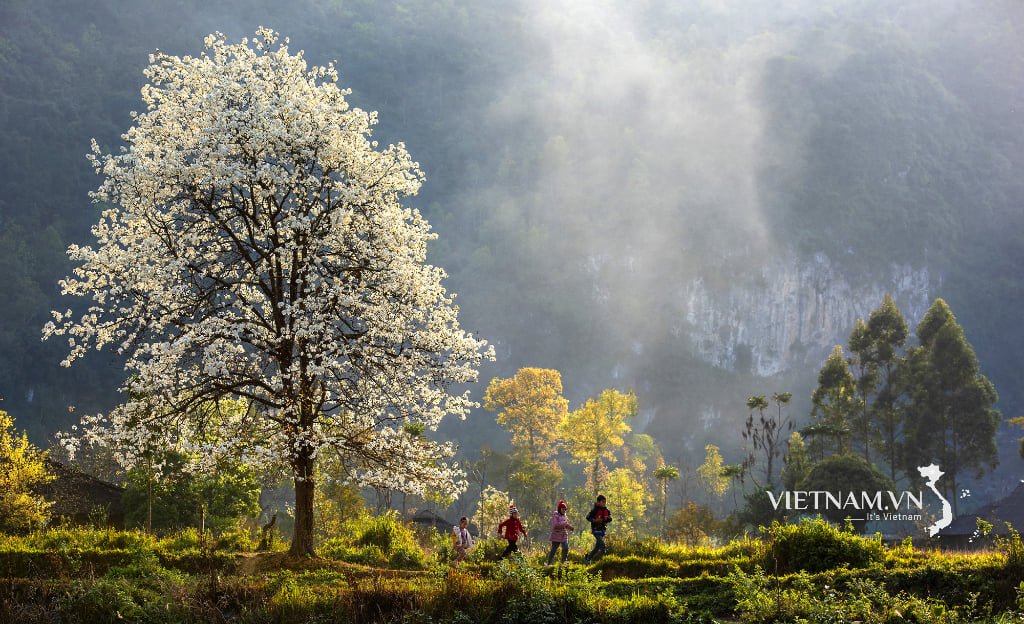
The gentle scent of spring, mingled with the shy, charming smiles of Thai girls, guided my steps towards the Muong Lo Valley – a land famous for its "white rice and clear water." After crossing the steep Thai Lao slope, the Muong Lo Valley unfolded before my eyes, a land of poetic and romantic beauty. Spring here is like a vibrant painting: fields of flowers bloom simultaneously, rice paddies stretch to the foot of the mountains, and the gentle Thia stream meanders and murmurs softly.
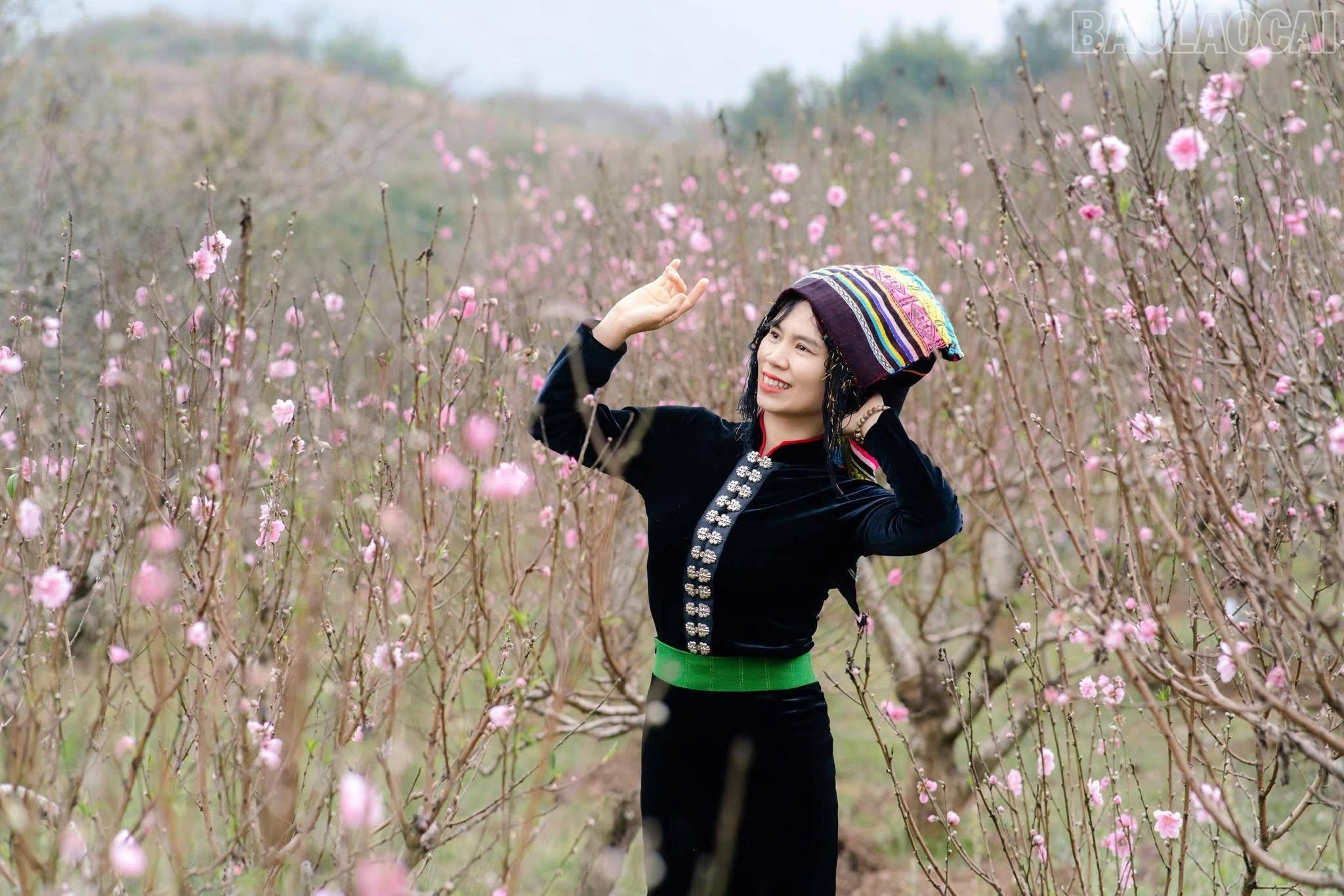
To begin my journey of exploring Muong Lo fully, I contacted Ms. Lo Thanh Hai, the owner of a homestay in the Sa Ren community tourism village, Trung Tam ward. The gentle, charming smile of this Thai woman, along with a warm handshake, erased all barriers, opening up an exciting and enriching journey of discovery.
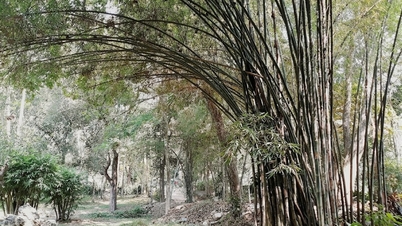
The spring morning in Muong Lo was strangely pristine, the sunlight sparkling like crystal beside the Nam Thia River, reflecting the shadows of ancient bamboo groves, and the sweet fragrance of young rice plants turning a vibrant green wafted in the breeze. Walking around Muong Lo, I was deeply impressed by the lively cultural tapestry present in the closely spaced stilt houses, the graceful traditional clothing, the bright embroidered scarves, and the joyful circle dances of the local people.
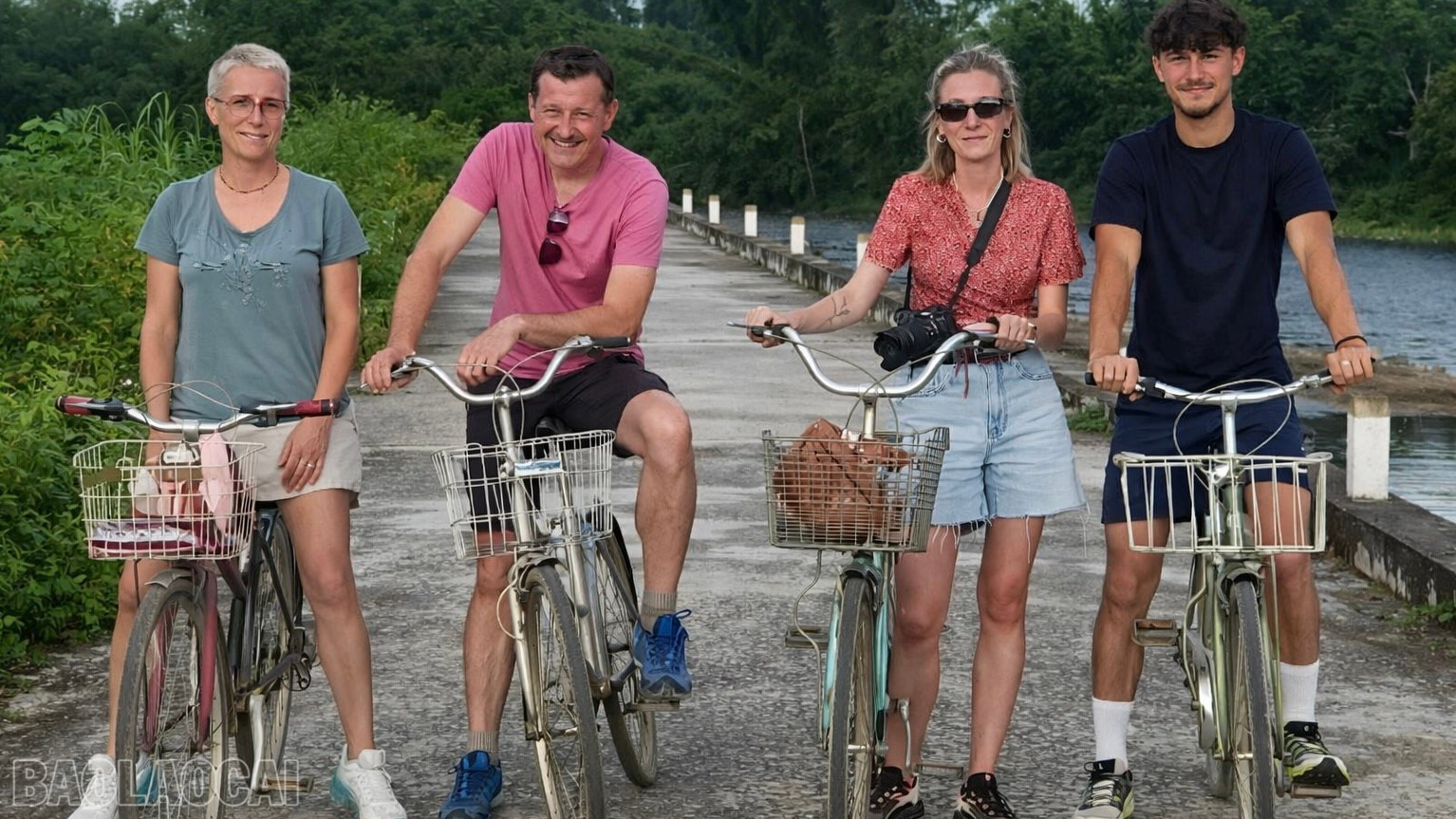
Given that the majority of the population in the area are ethnic Thai people, it's not uncommon to see groups of young men and women in traditional costumes strolling around during springtime, playing traditional games and throwing games. The girls, with rosy cheeks and graceful figures in their traditional attire, often wear silver hairpins.
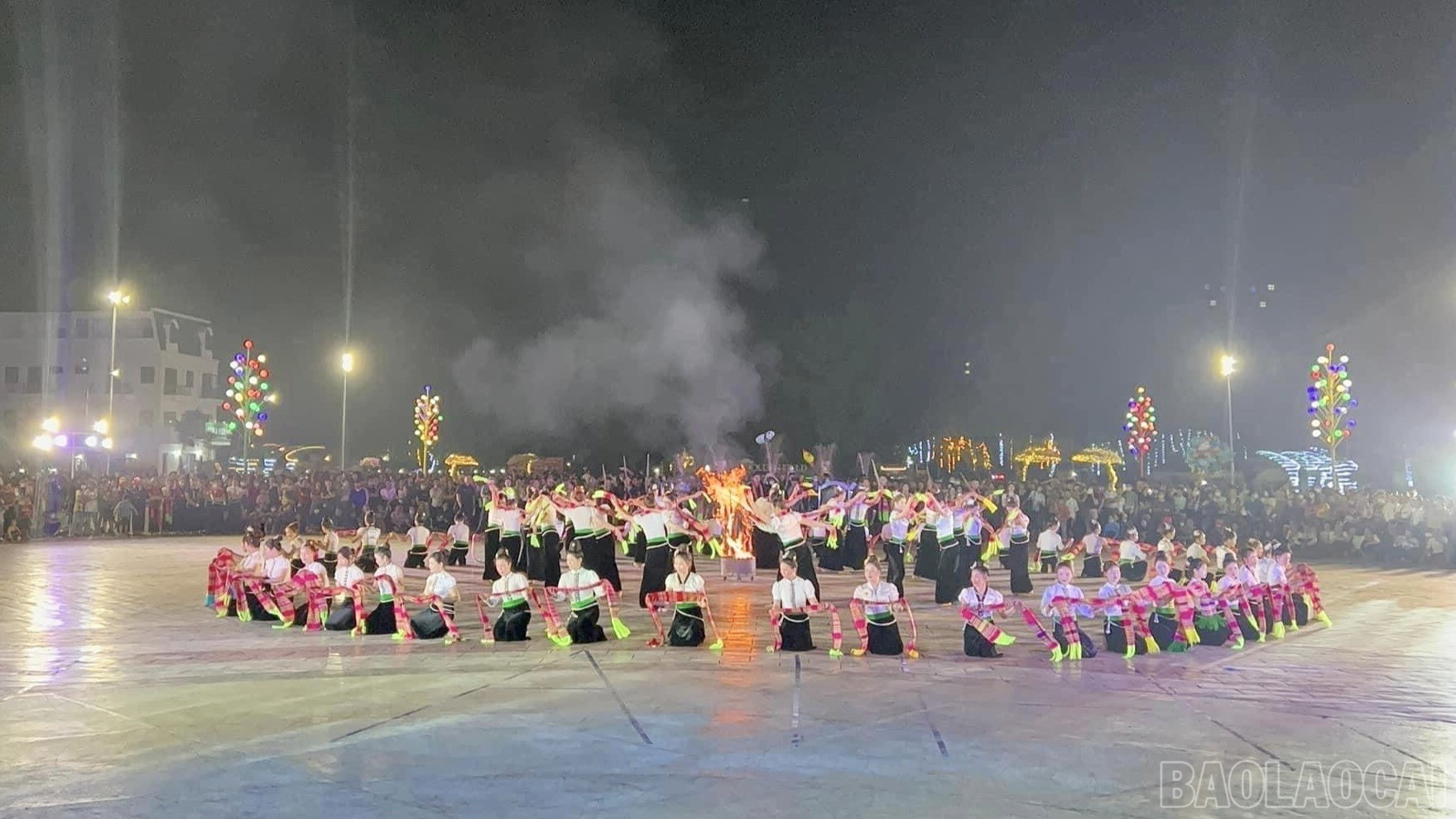
Stopping in front of a group of about a dozen dancers at the cultural center located by the Nam Thia River, before I could even hesitate to ask to join, Ms. Hai and one of the group members warmly approached me, eagerly inviting me to join the circle dance. Ms. Hai said, "In Muong Lo, a festival isn't complete without the circle dance. If a guest comes and doesn't join the circle dance, it's considered not truly celebrating spring with the Thai people."
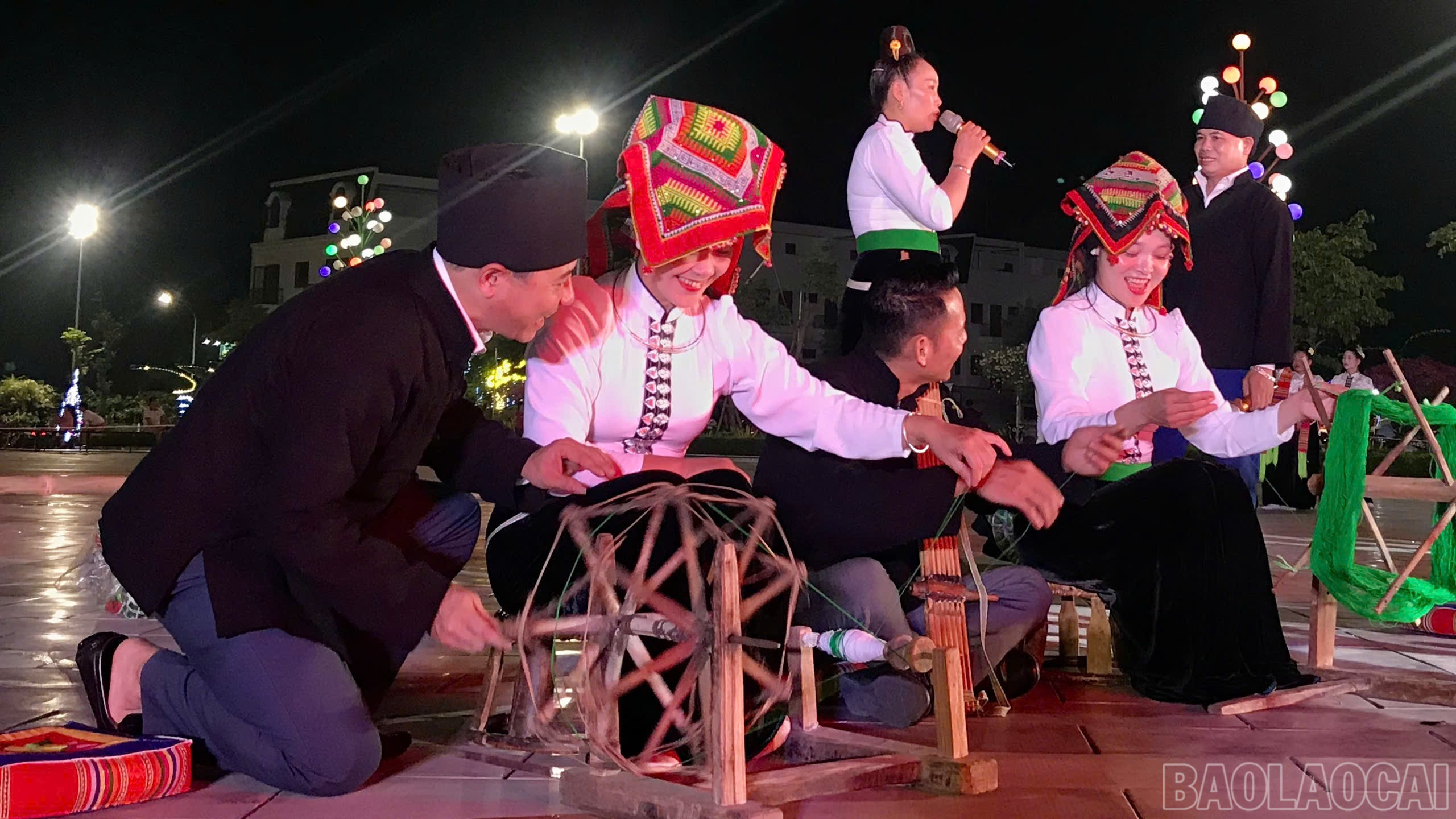
Hand in hand, the distance between strangers disappeared, replaced by a sense of human connection and solidarity. I was guided, joining hands, my feet moving joyfully to the music. That's the Thai people of Muong Lo—always hospitable, enthusiastic, and their lives always retain their traditional beauty, with the Xoe dance an indispensable part of every celebration.

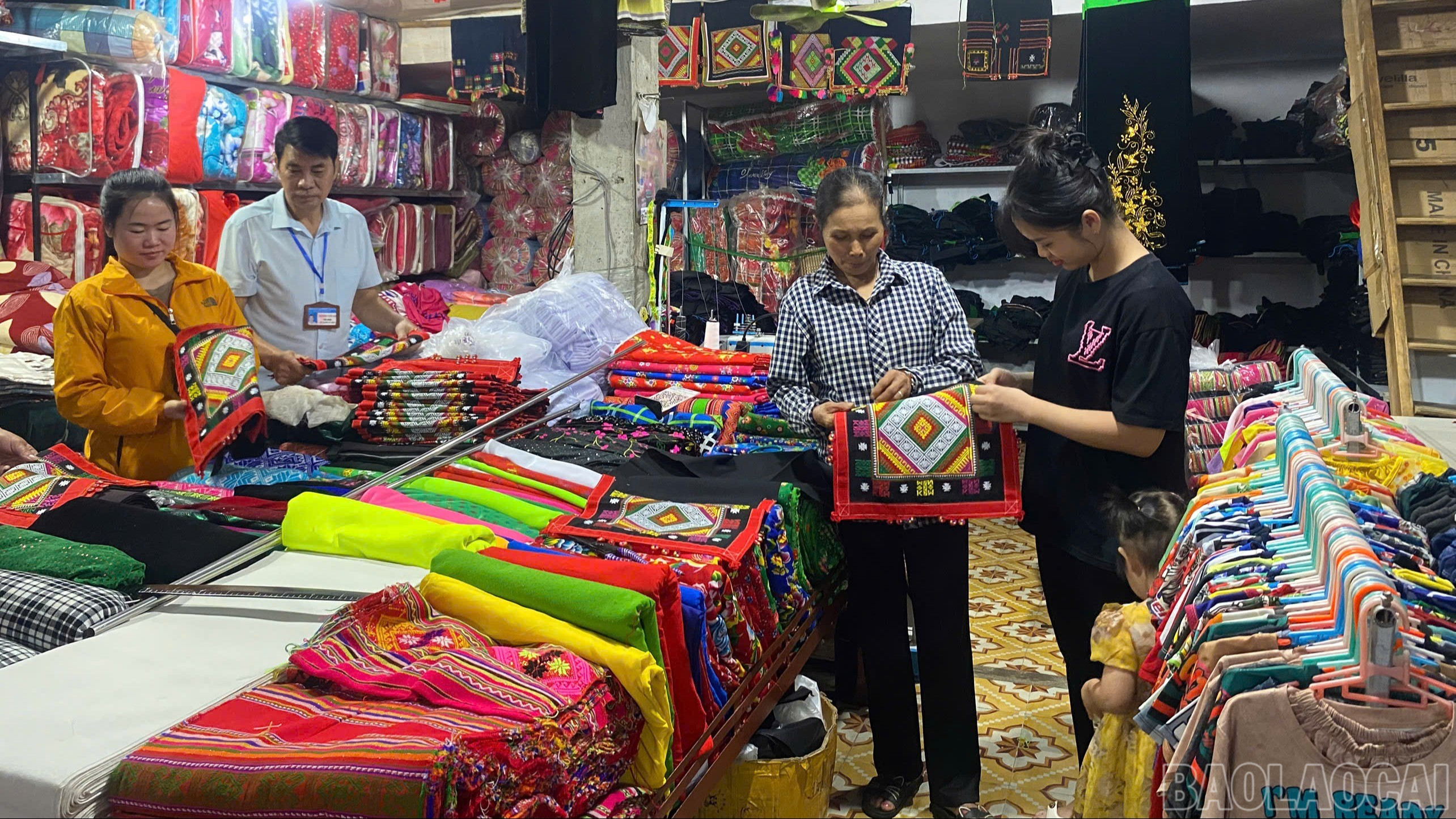
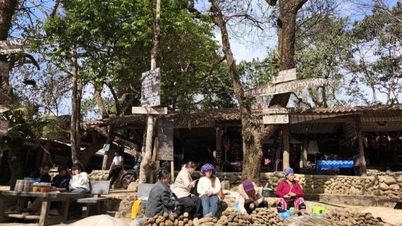
Leaving the circle dance, we strolled through the intoxicating spring atmosphere, feeling the vibrant rhythm and cultural colors permeating every moment. The Muong Lo market in early spring was bustling with buyers and sellers. The stalls selling fresh, vibrant green vegetables, the fragrant black sticky rice cakes, and the stalls displaying colorful traditional brocade fabrics captivated visitors from near and far.
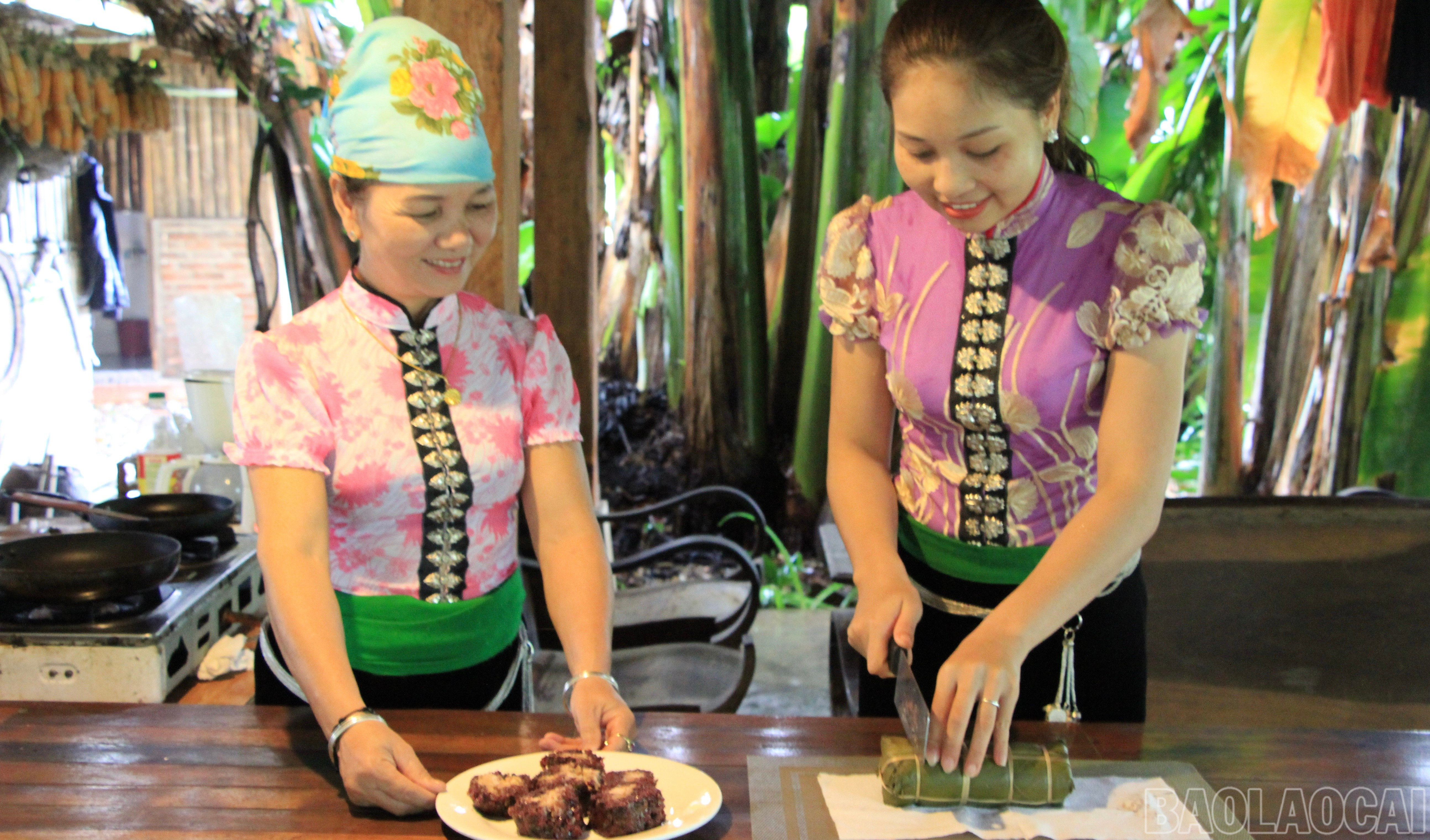
As night fell, concluding a day of exploration, we gathered around a warm and friendly dinner table, sharing cups of wine, and enjoying the fragrant sticky rice cooked in bamboo tubes, five-colored sticky rice, grilled stream fish, and a bowl of wild vegetable soup. Pointing to each dish, Ms. Hai slowly introduced them: “Each dish is connected to the customs and way of life of the Thai people. The five-colored sticky rice symbolizes the five elements, representing the wish for harmony between heaven and earth. The black sticky rice cake is made from glutinous rice grown in the Muong Lo fields mixed with charcoal from the Nuc Nac tree, resulting in a fragrant and chewy texture with a rich mountain flavor. The sticky rice must be cooked in old bamboo tubes to preserve the aroma of the fresh rice.”
Amidst the flickering firelight, the crackling of firewood mingled with the gentle sound of the bamboo flute; cups of rice wine were passed from hand to hand, the strong aroma spreading softly in the cool spring night air. Stories about the Muong land, about the rice harvests, about the Xen Dong festival continued to unfold. I listened, clearly feeling the simmering pride in each word.
To the rhythm of the drums, the sound of the flute rings out like an invitation, and everyone gathers together, holding hands and joining in the lively circle dance. Perhaps because of the alcohol, or the warmth of the campfire, the circle seems wider, and the steps are softer and more graceful than during the day. Hands clasped tightly, eyes meeting with joy, and feet moving rhythmically to the tune of "Kham Khen" and "Nhom Khan." The piêu scarf tosses up and down softly like a ban flower petal swaying in the spring night of Muong Lo, creating a captivating and enchanting charm.
"No dancing, no fun."
If the corn plant doesn't spread its stalks, it won't produce ears of corn.

If the rice plant doesn't spread its leaves, it won't flower.
"Without the traditional dance, boys and girls cannot become a couple."
Lost in the rich cultural atmosphere of this heritage land, we reluctantly departed the next morning as the sun cast its long rays across every path. Listening to the clear, melodious folk songs of Thai girls harmonizing with the gentle murmur of the Thia stream, and breathing in the scent of fresh grass in the countryside, a feeling of wistfulness welled up in our hearts, our heartbeats stirring with unusual rhythms. In spring, this heritage land dons a radiant beauty, resonating with the melodies and sounds of the Xoe dance, blending with the vibrant rhythm of the Thai community.
Source: https://baolaocai.vn/du-xuan-mien-di-san-post894210.html






































![[Video] Sunset at Lap An Lagoon – Where the sun sets over the fishing nets](https://vphoto.vietnam.vn/thumb/1200x675/vietnam/resource/IMAGE/2026/05/31/1780192137701_beach-landscape-sea-water-nature-grass-745871-pxhere-com.jpeg)























Comment (0)