

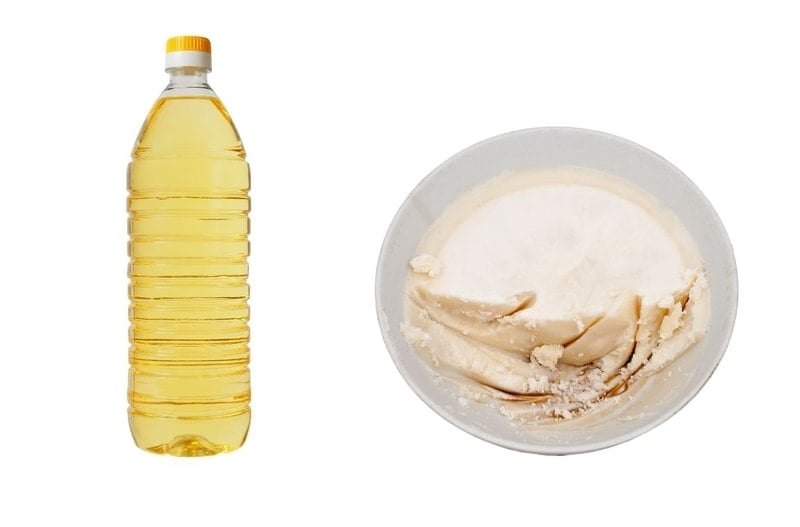
According to Associate Professor Dr. Nguyen Duy Thinh, former staff member of Hanoi University of Science and Technology, many people believe that eating pork fat is more likely to cause weight gain and metabolic diseases compared to vegetable oil. However, this is an inaccurate belief.
Both oils and fats are essential sources of energy for the body, especially for young children. A lack of fat in the diet puts children at risk of poor appetite, stunted growth, rickets, and frequent illnesses.
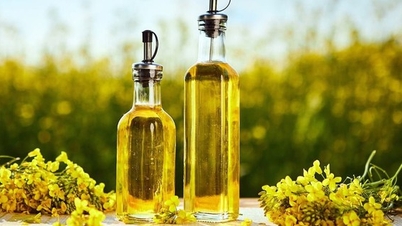
Vegetable oils contain many unsaturated fatty acids, no cholesterol, and are rich in vitamins E and K, making them easily absorbed. However, oils are easily oxidized, especially when heated to high temperatures, which can cause them to deteriorate, produce a burnt smell, and create harmful compounds.
Meanwhile, pork fat contains unsaturated fatty acids, which are less susceptible to degradation by heat, making it suitable for frying. This type of fat is also rich in vitamins D and B, and minerals, helping the body absorb calcium and supporting the building of brain cells and nerve cell membranes.
Some studies suggest that pork fat can also increase appetite, aiding in the treatment of anorexia in young children.
Notably, according to the National Institute of Nutrition, both oil and fat provide the same amount of energy, approximately 9 calories per gram. The notion that eating fat makes you fatter is unfounded. The issue lies in the amount consumed and the way it is prepared, not the type of fat itself.
However, pork fat also contains a lot of saturated fatty acids. Eating too much can lead to excess fat, which is not good for people with cardiovascular disease, stroke, or metabolic disorders.
Experts recommend a flexible combination of oil and fat, rather than completely eliminating one. For dishes fried at high temperatures, using fat is recommended to minimize the risk of producing toxins. Furthermore, reused cooking oil or fat should be avoided as it can produce harmful compounds.
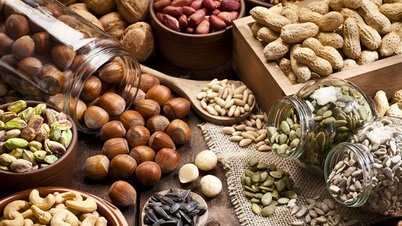
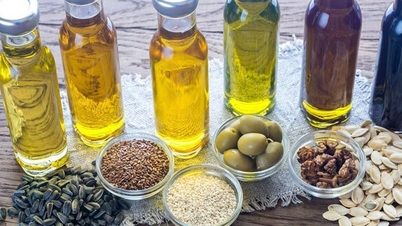
A proper meal is a balanced meal: fats from various sources (oils, lard, butter, sesame seeds, peanuts...), protein, fiber, vitamins, and sufficient water. Instead of avoiding pork fat like an "enemy," understand it correctly so you can use it properly.
HA (according to VTC News)Source: https://baohaiduong.vn/dung-dau-an-hay-mo-lon-tot-hon-414935.html

































































































Comment (0)