


English is a subject where there is a significant disparity in teaching methods across different regions. Even within Hanoi , there is a difference between foreign language teaching in the inner city and the suburbs.
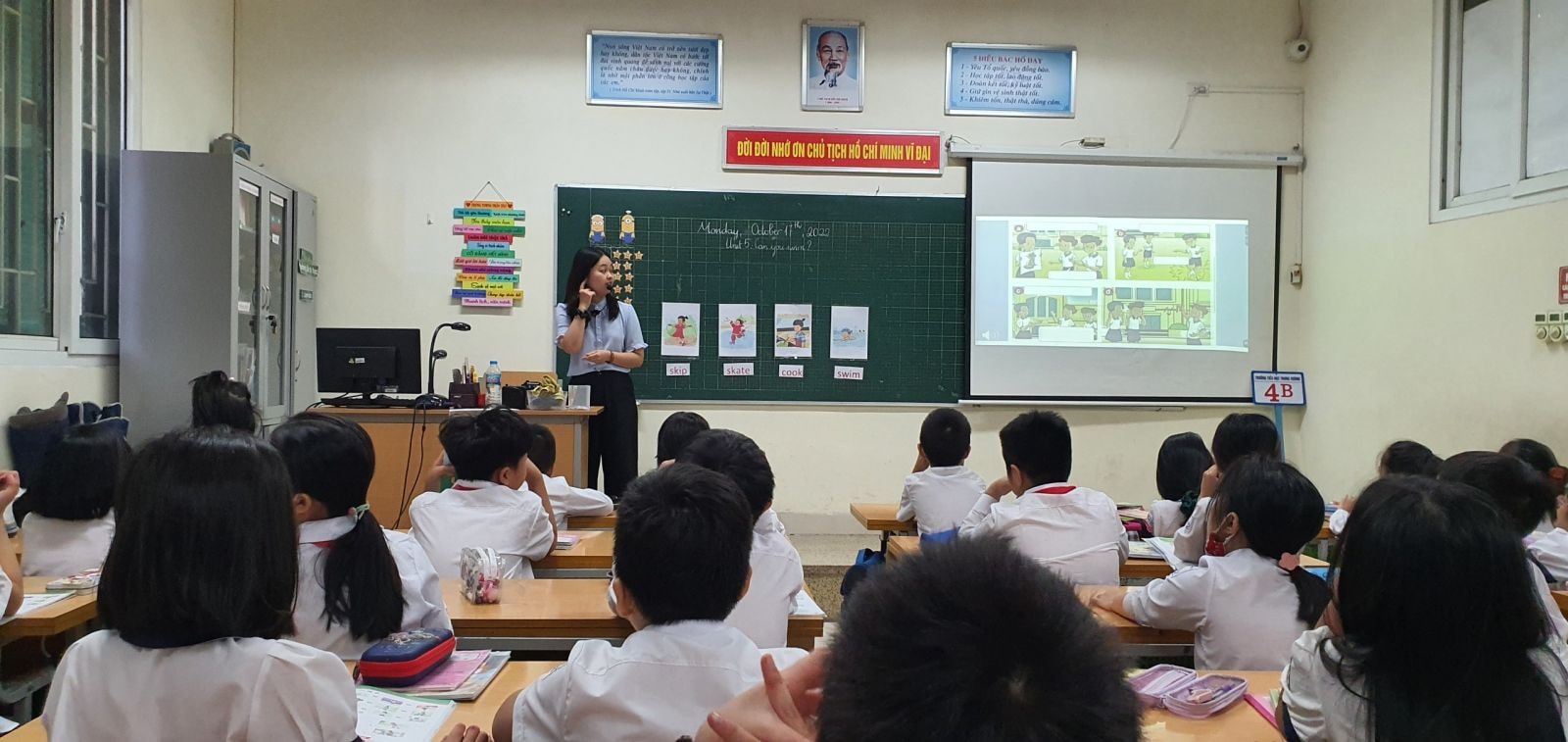
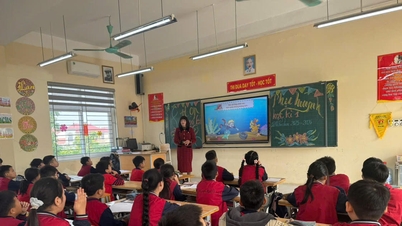
According to Tran The Cuong, Director of the Hanoi Department of Education and Training, there is still a significant gap in the quality of foreign language teaching and learning between the inner and outer areas of the capital city. In the inner city, thanks to favorable socio -economic conditions, students have access to advanced training programs, experienced teachers, and abundant learning materials. Meanwhile, schools in the outer areas, despite the teachers' best efforts, face many limitations, from facilities and teaching staff to supporting resources. This makes it difficult for students in the outer areas to improve their foreign language skills, reducing their opportunities for competition and integration.
Therefore, the Hanoi Department of Education and Training has developed a plan to narrow the gap in the quality of foreign language teaching and learning between inner and outer areas of Hanoi, with the specific goal of ensuring that 100% of foreign language teachers are trained in modern teaching methods; implementing technological solutions in teaching at primary, secondary, and high schools, as well as vocational and continuing education centers; and building a "sister school" model to exchange, share, and support the teaching and learning of English and other foreign languages.
Accordingly, the plan will be implemented in two phases, starting in January 2025 with a focus on piloting a model of twin schools, model classrooms, and a self-study foreign language movement. Following that, from June 2025, the model will be expanded citywide, ensuring that students in suburban areas have access to the same quality of education as those in urban areas.
In addition, Hanoi has also launched a "Month of Self-Study" movement to encourage students to self-study foreign languages through technology platforms, develop self-learning skills and creative thinking; conduct model teaching sessions, share resources between teachers in the city and suburbs, build an online resource library; actively invest in facilities in schools, striving to have technological equipment and accounts, software, etc., for teaching and learning foreign languages, especially accounts that help students self-study.
In Nghe An, a "land of learning," English was considered a weak point before 2020, as teaching and learning it faced many difficulties and shortcomings. The foreign language proficiency and competence of the workforce in Nghe An province was assessed as not meeting the requirements of regional and international integration. The project "Improving the Quality of Foreign Language Teaching and Learning in Educational Institutions in Nghe An Province, 2020-2025, with a vision to 2030" was launched in this context, with many specific solutions such as implementing capacity building for English teachers. The education sector also conducted an international standard English proficiency survey for over 2,600 English teachers and developed a roadmap for training English teachers to meet international standards. Retraining hundreds of English teachers to meet international standards with IELTS scores of 7.0 or higher... As a result, the teaching and learning of English in Nghe An has improved significantly, with positive changes such as the first time the province has achieved an average high school graduation exam score above 5 points.
According to Thai Van Thanh, Director of the Nghe An Department of Education and Training, in the coming time, the provincial education sector will continue to strengthen communication through various forms to widely disseminate to the whole society the benefits and importance of teaching and learning English. At the same time, it will implement solutions such as diversifying English training programs; developing a sufficient number of qualified English teachers and lecturers…
The Politburo's Conclusion No. 91-KL/TW on gradually making English the second language in schools has received special attention from the education sector, with many solutions implemented, including the indispensable proactive role of local authorities. Close coordination is needed among management levels, schools, teachers, parents, and the community to improve the quality of human resources and meet domestic and international requirements.
Source: https://daidoanket.vn/dua-tieng-anh-thanh-ngon-ngu-thu-2-trong-truong-hoc-giai-phap-tu-dia-phuong-10298466.html

























































































Comment (0)