

Implementing integrated crop health management will reduce the use of pesticides and inorganic fertilizers by 30%, while increasing economic efficiency by 20%.
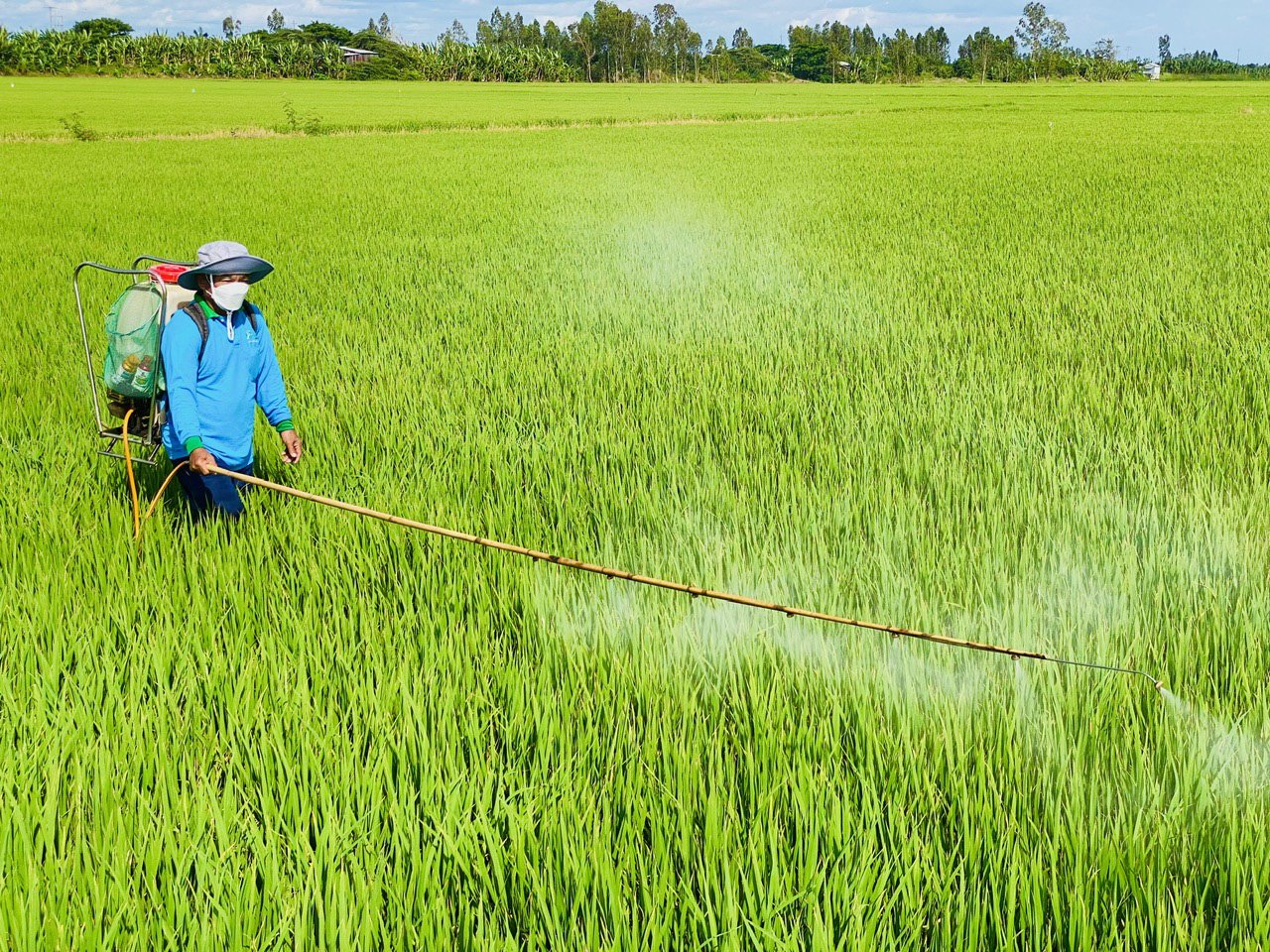
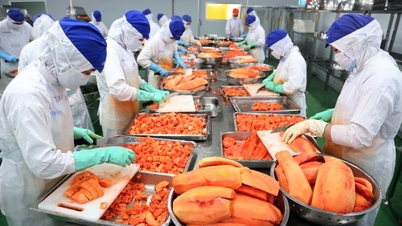
Implementing an integrated crop health management program aims to reduce pesticide use by 30% by 2030 - Photo: LE HOANG VU
This information was provided by Mr. Do Van Van, Director of the Southern Plant Protection Center (Department of Plant Protection), at the forum "Safe and Effective Use of Pesticides in the Integrated Crop Health Management (IPHM) Program" organized by Vietnam Agriculture Newspaper in Can Tho City on December 19th.
"The goal of the IPHM program by 2030 is to strive to have over 90% of the area for rice, vegetables, fruit trees, ornamental flowers, medicinal plants, and 70% of the area for corn and industrial crops applying IPHM. The amount of chemical pesticides and inorganic fertilizers will be reduced by 30%, and economic efficiency will increase by 15-20% compared to conventional production," Mr. Van said.
According to Ms. Dao Thu Vinh, coordinator of Croplife Vietnam, the rational use of pesticides will bring socio-economic benefits.
Specifically, during the period 1996-2020, the environmental impact index decreased over the past 24 years, reducing the use of pesticides by more than 748 million kg thanks to the expansion of genetically modified crop cultivation. At the same time, 14.6 million liters of fuel were saved, and more than 2.3 million kg of CO2 emissions were reduced.
In addition to reducing the amount of pesticides and chemical fertilizers, farmers must also use them safely in the production process.
Mr. Tran Van Trua, Director of Market Development for the Mekong Delta region at Syngenta Vietnam, shared that with the desire to bring long-term and sustainable value, the company has developed many programs to support Vietnamese farmers.
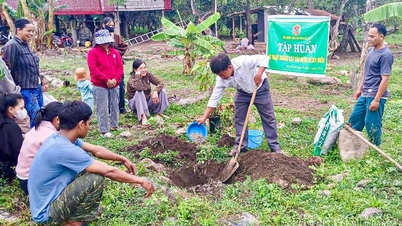
As a result, more than 30,000 farmers received training on the safe and environmentally responsible use of pesticides. Over 180 tons of pesticide packaging waste were collected and safely disposed of, and more than 5,000 trees were planted in the Mekong Delta region.
Source: https://tuoitre.vn/giam-30-luong-thuoc-tru-sau-vao-nam-2030-2024121911443899.htm




![[Photo] Delegation attending the 14th Congress of the Vietnam Trade Union visits the Mausoleum of President Ho Chi Minh.](https://vphoto.vietnam.vn/thumb/1200x675/vietnam/resource/IMAGE/2026/06/03/1780451842301_ndo_br_img-3824-jpg.webp)





































































Comment (0)