

Preserving the cultural heritage
Quang Phu is home to 20 ethnic groups, with the Ede and M'nong being the indigenous inhabitants who have long been connected to this land. The commune currently has nearly 1,000 Ede people living mainly in the villages of Phu Xuan, Phu Son, Phu Hung, Dak Nang, and Krue hamlet. For generations, the lives of the people have been intertwined with their fields, forests, mountains, and the streams that flow to their villages.
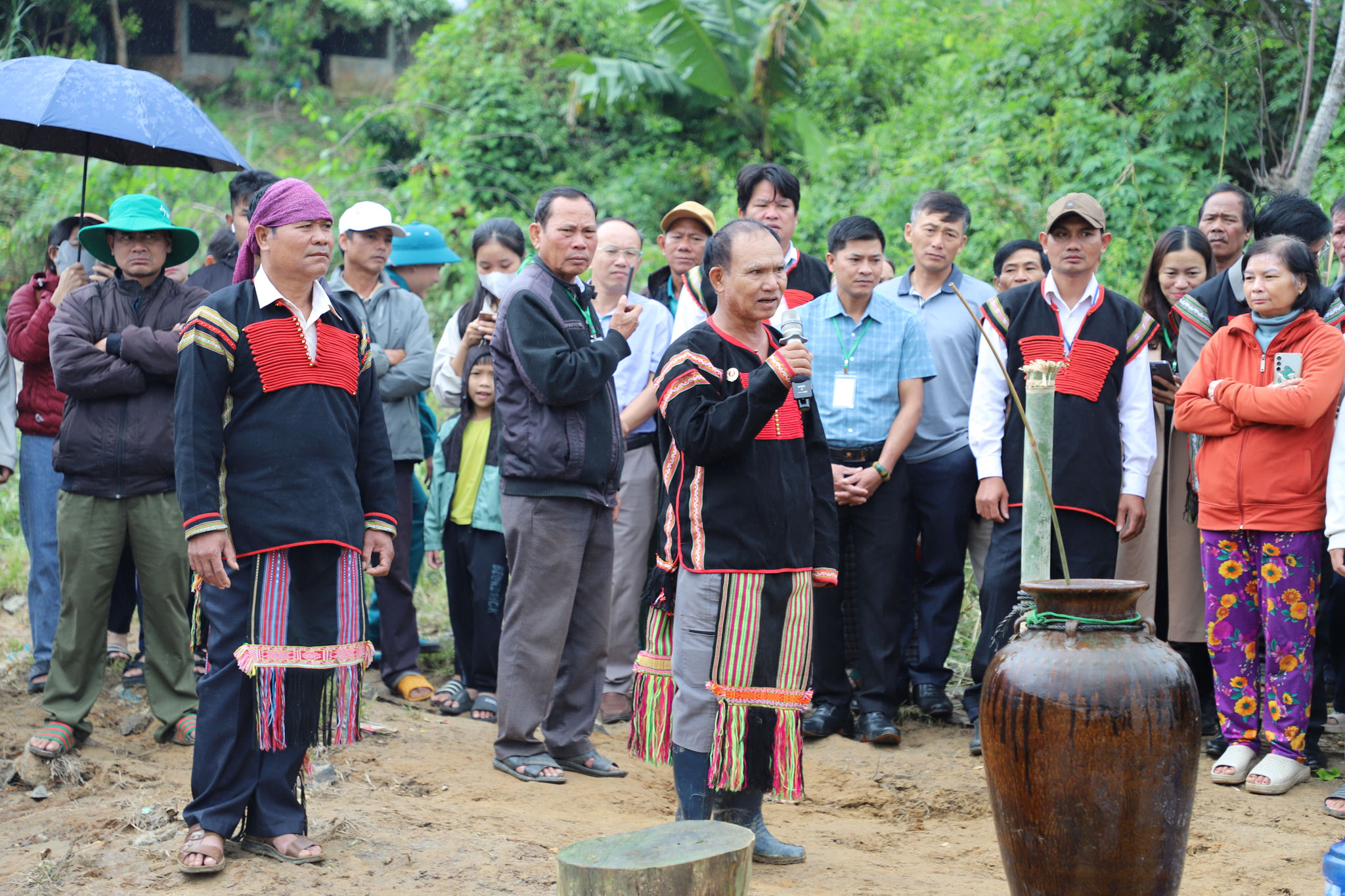
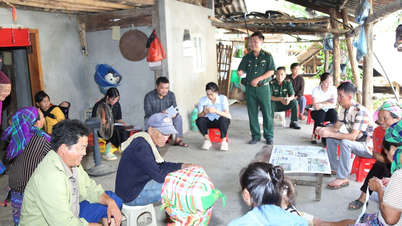
For the Ede people, the water source is not only a place for daily life but also a sacred space – the dwelling place of the Water God, the deity who protects the life of the community. Therefore, even though life has changed, the people here still maintain the Water Source Worship Ceremony as an important ritual to thank the deities, pray for favorable weather, bountiful harvests, and peace in the village.
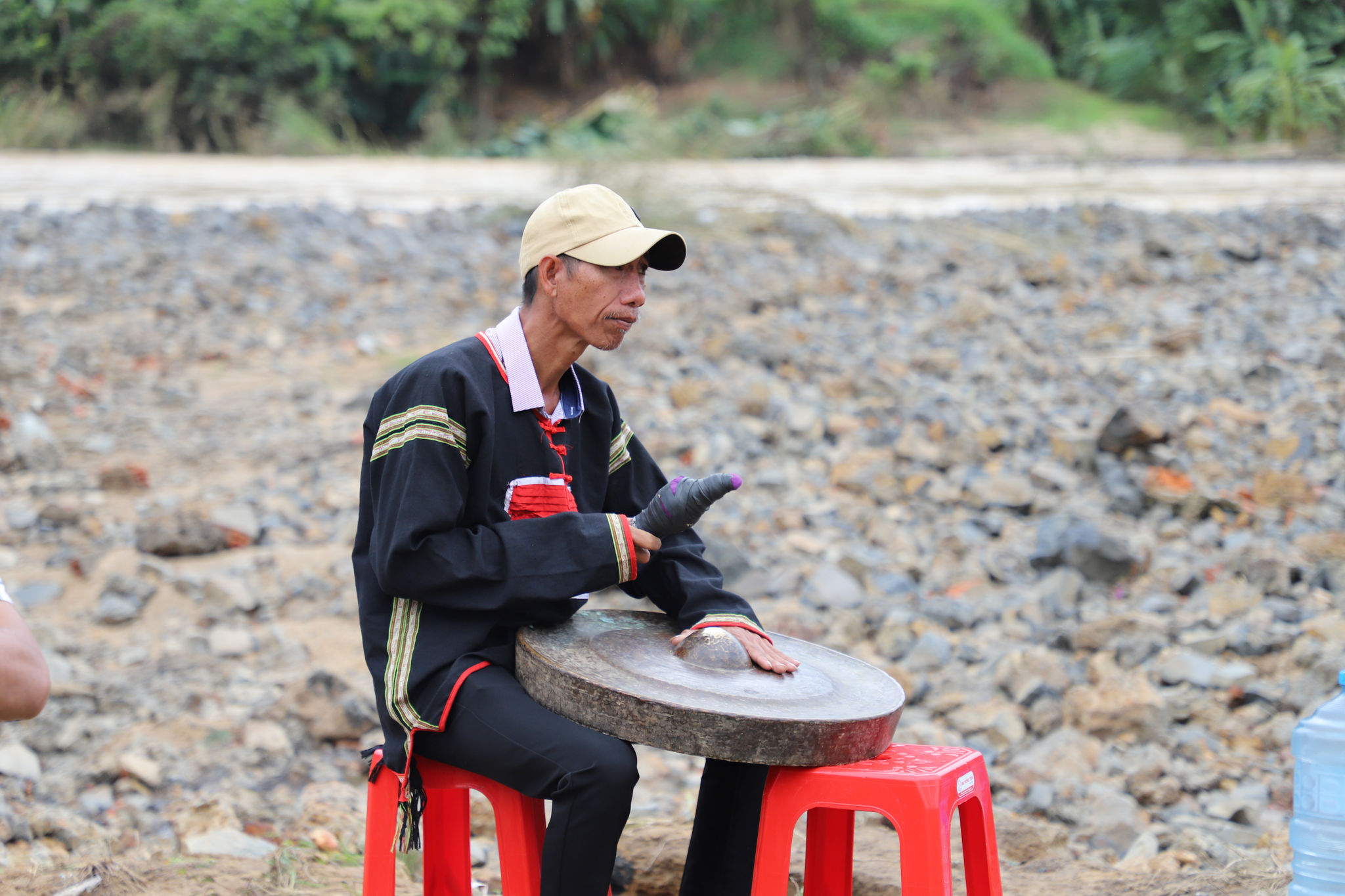
Mr. Y K'Rum, the village elder of Phu Xuan hamlet, shared: "The Water Worship Ceremony is a tradition passed down through generations of the Ede people. It is an opportunity for descendants to remember their roots, to show love and unity, and to continue preserving the good values left behind by their ancestors."
Beyond its spiritual significance, the ritual also reflects folk knowledge in protecting the environment. After the ceremony, the village elder always reminds everyone to preserve clean water sources and not to cut down trees around the water source so that the water remains pure, nourishing the village.
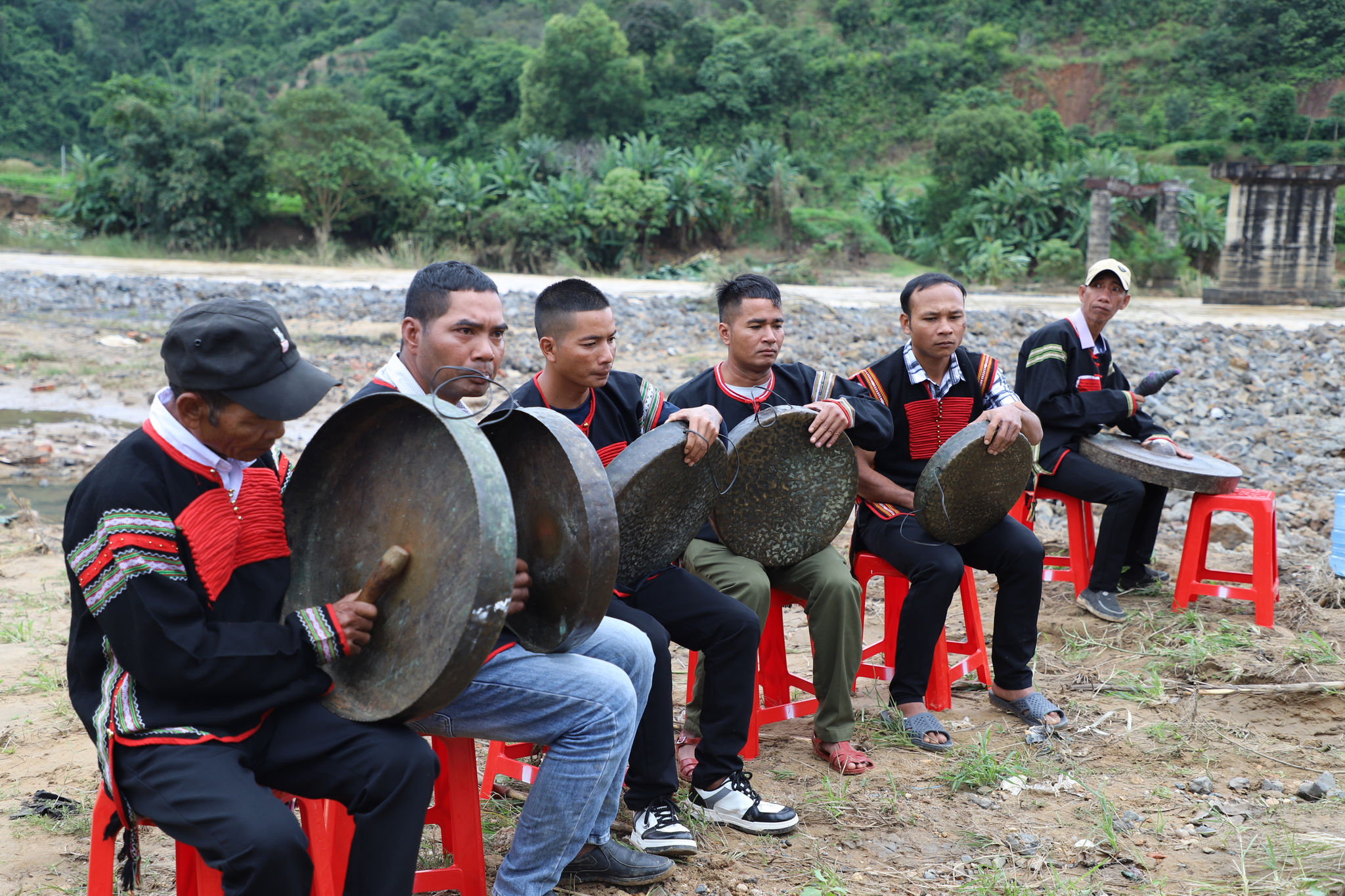
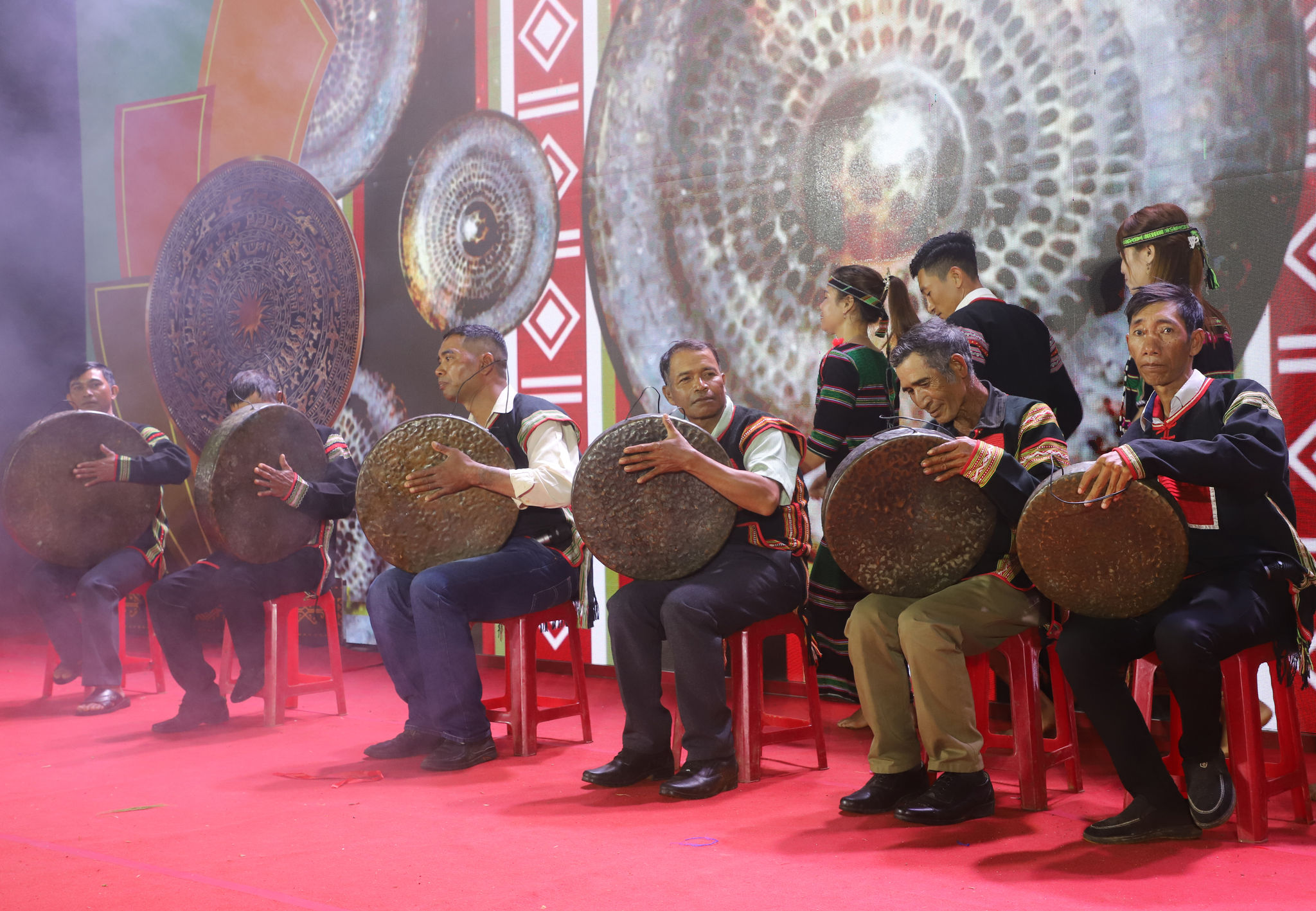
If the water source is the heart of the village, then gongs are the soul of Ede cultural life. In every festival, the sound of gongs resonates like the voice of ancestors, connecting people with deities and the community.
In Phu Xuan village, Y Lom Nie, the village head and also an Ede Party member, has been tirelessly encouraging young people to learn to play the gong and join the village's gong ensemble to preserve their ethnic identity for many years.
If the younger generation does not continue to learn from the village elders and artisans, traditional cultural values will gradually fade away. Therefore, I always encourage the children in the village to participate in gong activities and learn traditional gong pieces.
Mr. Y Lom Niê, Head of Phu Xuan village, Quang Phu commune, Lam Dong province
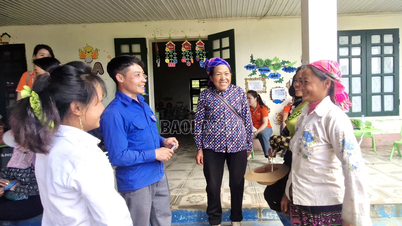
Thanks to this teaching, many young Ede people in Quang Phu today know how to play the gongs, understand the meaning of each gong melody, and are proud to wear traditional costumes to participate in village festivals.
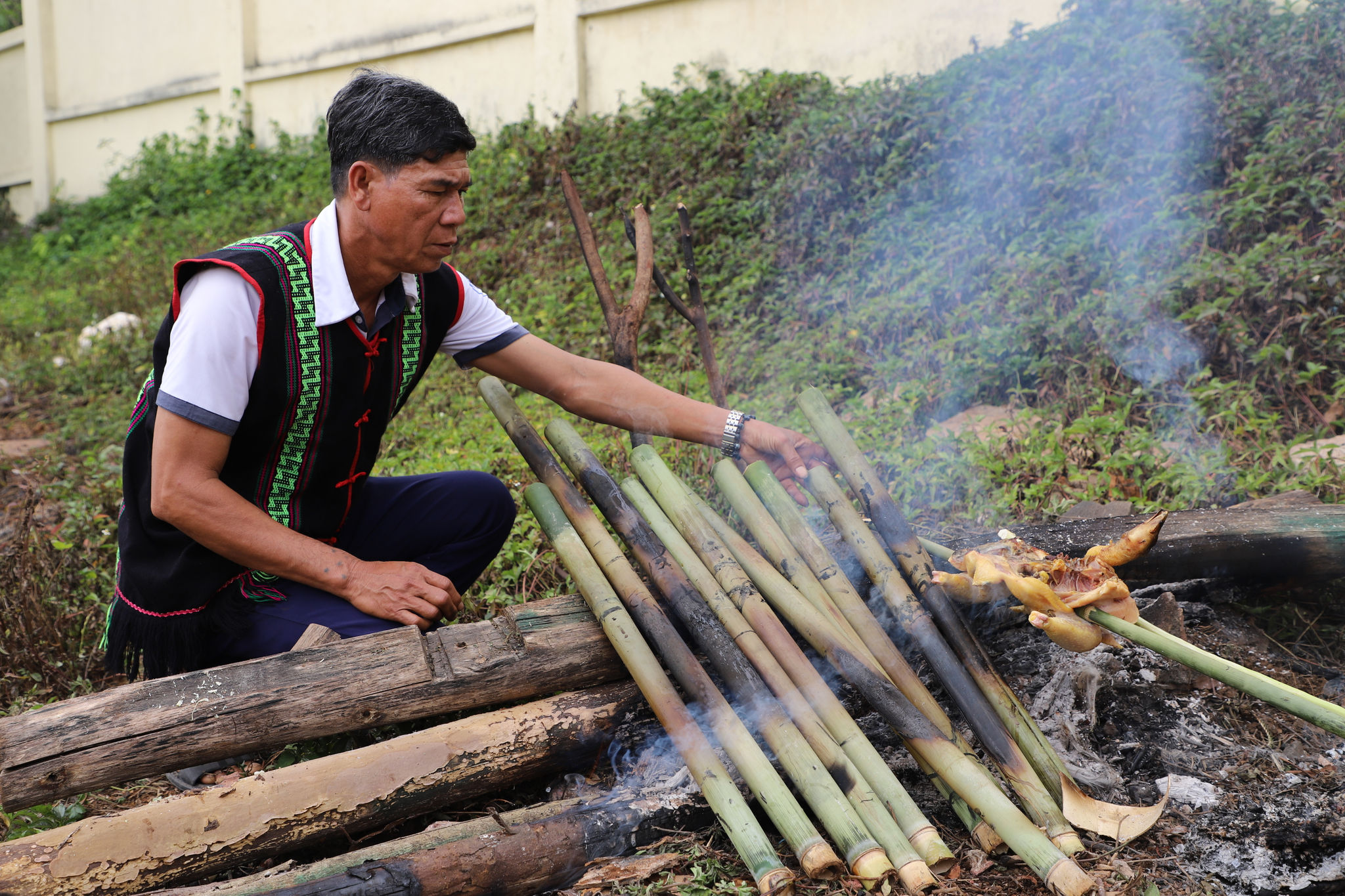
The traditional dances around the campfire, the melodious singing, and the flavorful dishes of the mountains and forests have become a beautiful cultural tradition preserved and passed down through generations of the Ede people. From bamboo-cooked rice and grilled buffalo meat to bép leaves, bitter eggplant, and wild chili peppers, everything is connected to the working life and nature of the Ede people.
Mr. Y Thuc Nie, from Phu Xuan village, said: "During every festival, the villagers eagerly participate, preparing food, organizing cultural performances, and lighting bonfires to strengthen community bonds."
Making the Ede identity a highlight
In the process of local construction and development, Quang Phu commune is gradually transforming traditional culture into a sustainable development resource.
Local authorities have reviewed and restored many customs and festivals of the Ede and M'nong ethnic groups, among which the Water Source Worship Ceremony has been identified as a typical heritage that needs to be preserved and promoted.
According to Mr. Cao Ba Hoang, Vice Chairman of the People's Committee of Quang Phu commune, restoring the festival not only aims to preserve cultural identity but also to develop community tourism at the foot of Nam Kar volcano – a place with unique natural landscapes and a rich cultural space.
Preserving traditional culture is the foundation for the sustainable development of community tourism in the locality.
Mr. Cao Bá Hoàng, Vice Chairman of the People's Committee of Quảng Phú Commune, Lâm Đồng Province
Based on that orientation, many conservation activities are being implemented, such as restoring festivals, maintaining gong performances, preserving brocade weaving, and passing on folk culture to the younger generation.
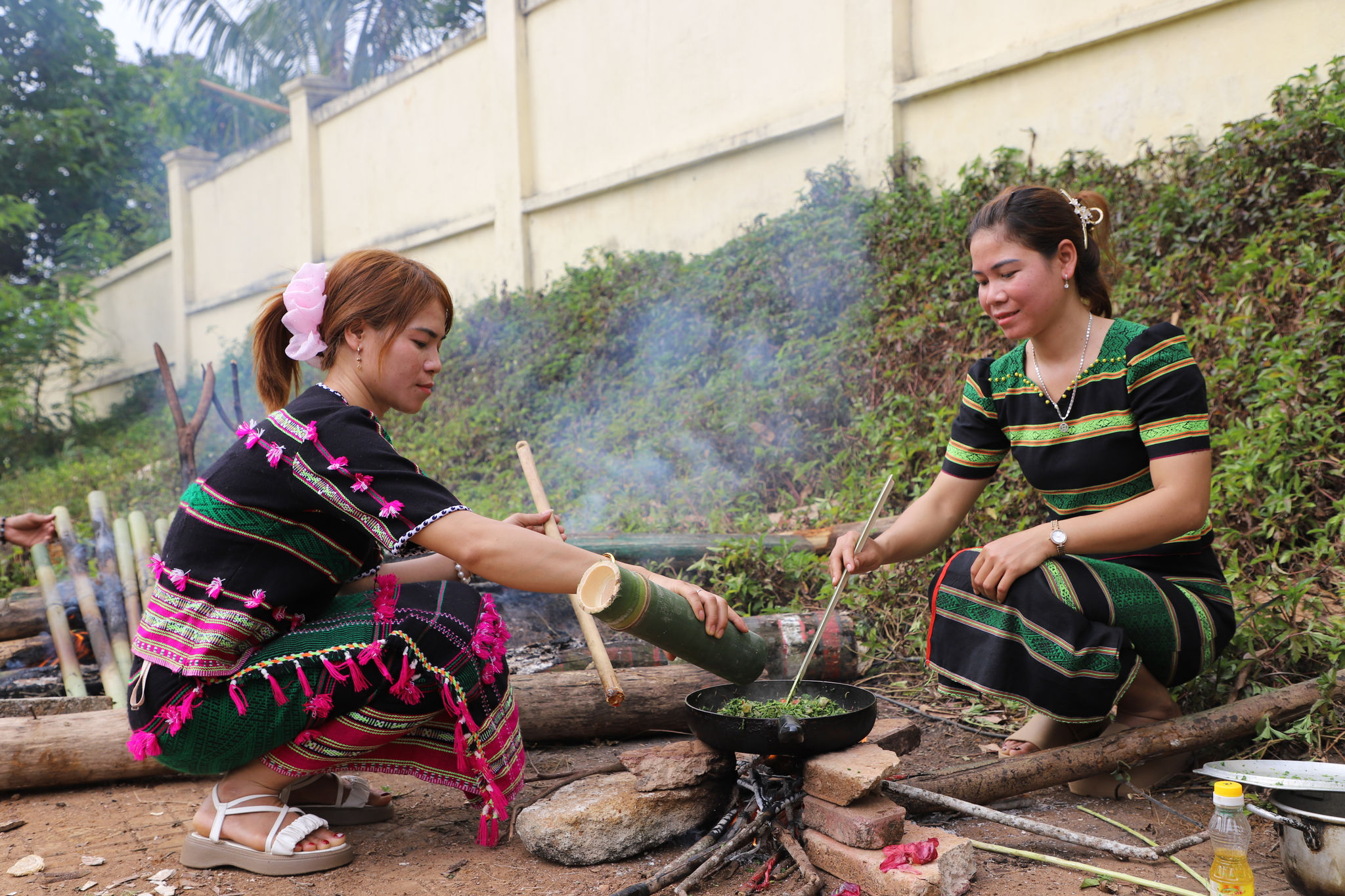
Connecting traditional culture with community tourism opens up opportunities for visitors to explore the life of the Ede people, enjoy local cuisine , listen to the resounding gongs in the vast forest, and immerse themselves in nature at the foot of the Nam Kar volcano.
In the flow of modern life, traditional culture remains present in every gong sound, every festival, and every aspect of the daily life of the Ede people in Quang Phu. It is not only the memory of their ancestors but also a source of pride and spiritual strength for the community to preserve its identity and foster the sustainable development of their villages.
Source: https://baolamdong.vn/giu-mach-nguon-van-hoa-ede-duoi-chan-nui-lua-nam-kar-445228.html
![[Photo] Admire the coral "masterpiece" amidst the million-year-old heritage of Dak Lak province.](https://vphoto.vietnam.vn/thumb/1200x675/vietnam/resource/IMAGE/2026/05/31/1780221235105_anh-man-hinh-2026-05-31-luc-16-53-27.png)

![[Image] Hanoi Police officially crowned champions of V-League 2025/2026](https://vphoto.vietnam.vn/thumb/1200x675/vietnam/resource/IMAGE/2026/05/31/1780244769054_ndo_br_039d561b692be875b13a-jpg.webp)
![[Photo] Solemn bathing ceremony and Buddha procession in Hue](https://vphoto.vietnam.vn/thumb/1200x675/vietnam/resource/IMAGE/2026/05/31/1780228263543_1-jpg.webp)
![[Photo] The General Secretary, President and his wife begin their state visit to the Philippines.](https://vphoto.vietnam.vn/thumb/1200x675/vietnam/resource/IMAGE/2026/05/31/1780230559452_anh-man-hinh-2026-05-31-luc-19-28-11.png)








![[Video] Sunset at Lap An Lagoon – Where the sun sets over the fishing nets](https://vphoto.vietnam.vn/thumb/340x192/vietnam/resource/IMAGE/2026/05/31/1780192137701_beach-landscape-sea-water-nature-grass-745871-pxhere-com.jpeg)


































![[Photo] Admire the coral "masterpiece" amidst the million-year-old heritage of Dak Lak province.](https://vphoto.vietnam.vn/thumb/402x226/vietnam/resource/IMAGE/2026/05/31/1780221235105_anh-man-hinh-2026-05-31-luc-16-53-27.png)






























Comment (0)