

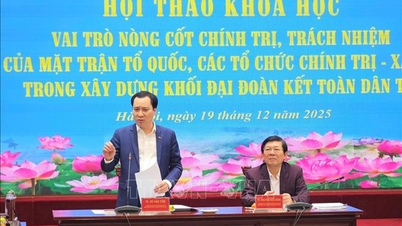
Mr. Nguyen Huu Dung, Member of the Presidium and former Vice Chairman of the Central Committee of the Vietnam Fatherland Front ; and Mr. Vu Van Tien, Member of the Presidium and Head of the Propaganda Department of the Central Committee of the Vietnam Fatherland Front, chaired the workshop.
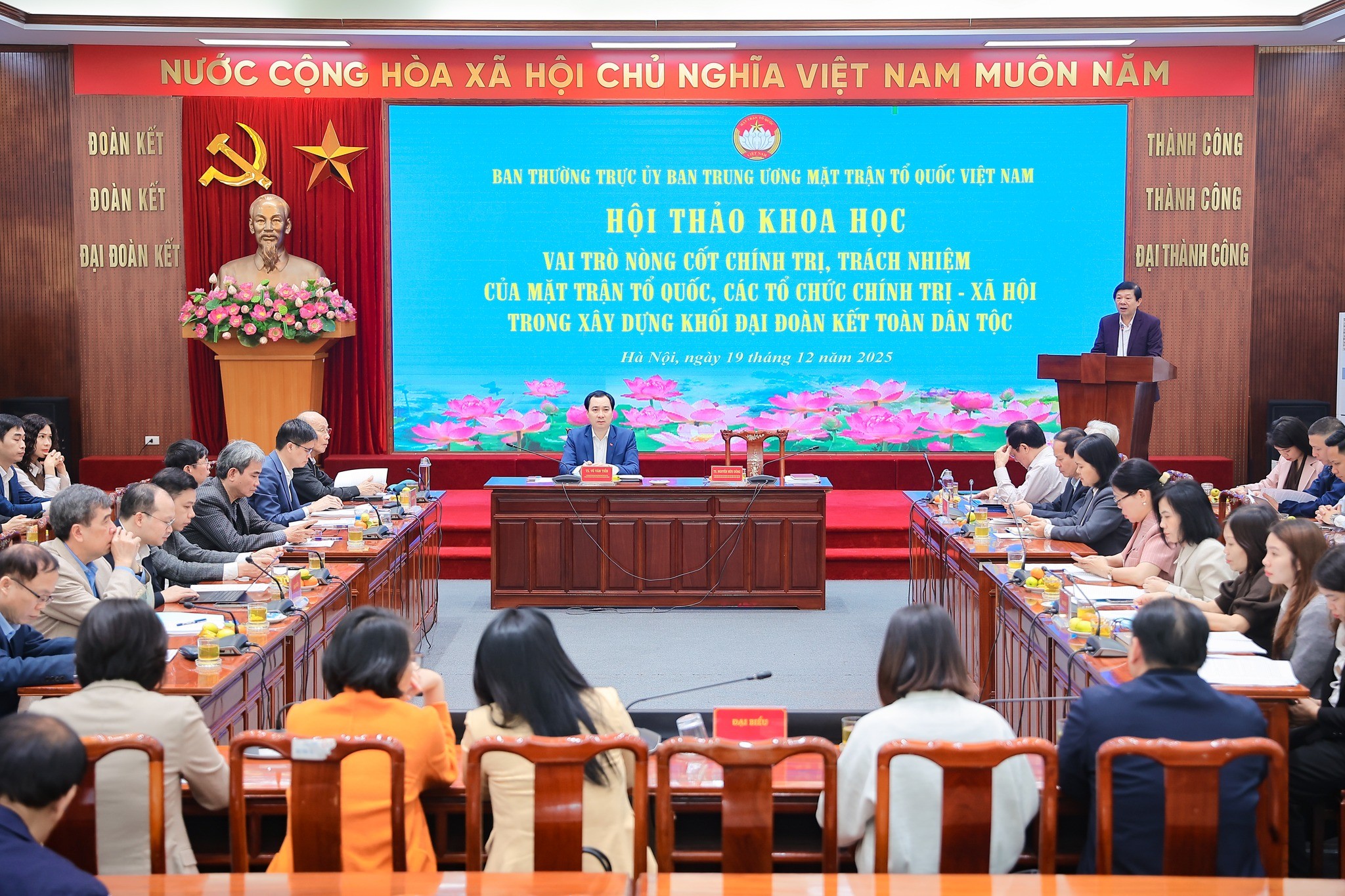 |
| Scientific seminar "The core political role and responsibilities of the Vietnam Fatherland Front and socio-political organizations in building national unity." (Photo: mattran.org.vn) |
New requirements in building national unity.
According to information from the Vietnam Fatherland Front (VFF), in his opening remarks, Mr. Nguyen Huu Dung stated that the resolutions and directives of the Party, the Constitution, the Law on the Vietnam Fatherland Front, and many other documents of the Party and State have clearly defined the functions and tasks of the VFF, emphasizing the Front's pivotal role in building national unity.
The new social context has posed many challenges to building national unity, specifically: the effectiveness of promoting the strength of national unity in some areas and regions has not been high, failing to unleash and develop the enormous potential of the people; some policies are not yet practical and face difficulties in implementation; the lives of the people, especially in ethnic minority areas, mountainous regions, and remote areas, remain difficult, and the gap between rich and poor and regional disparities are still significant…
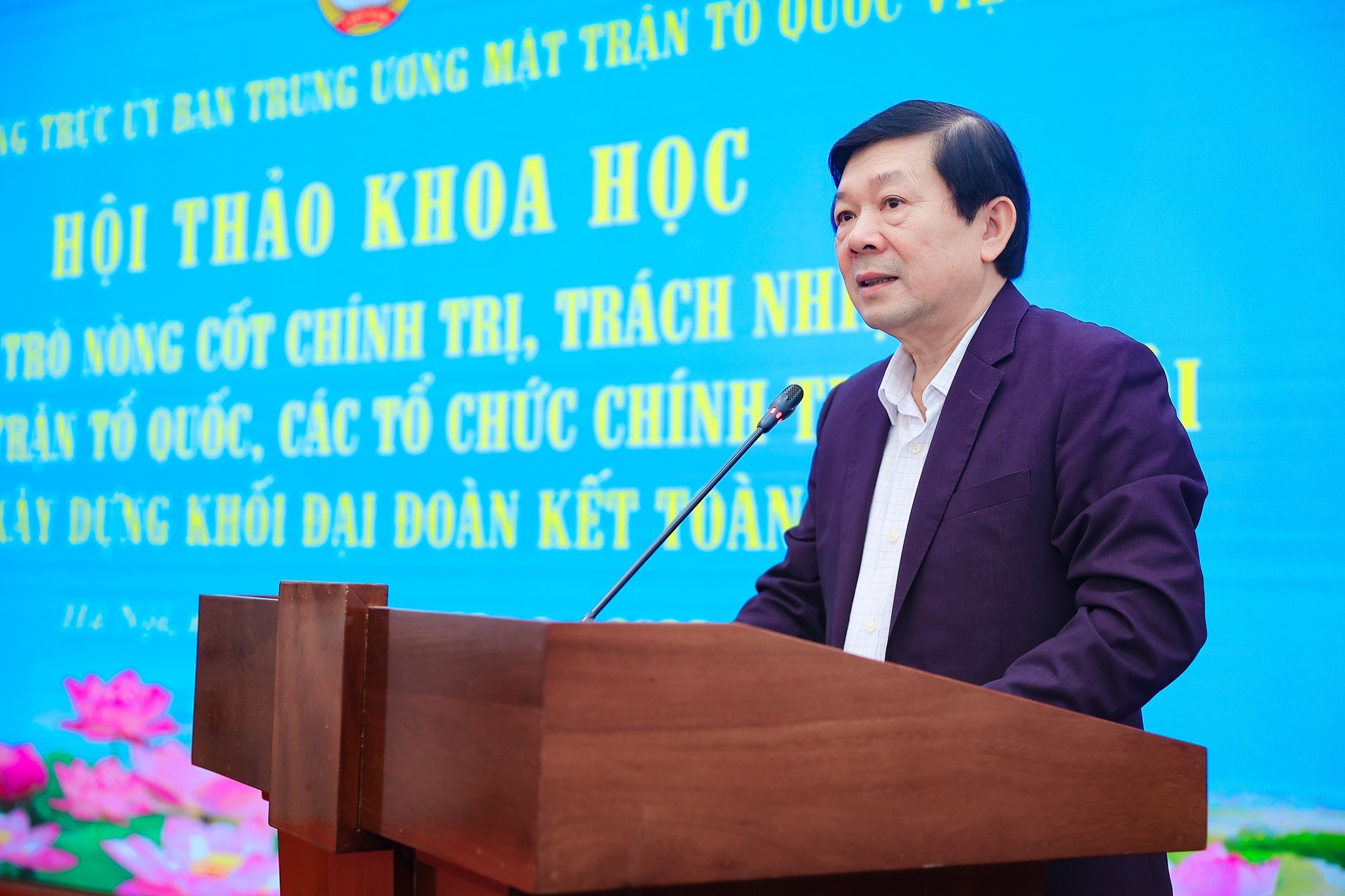 |
| Mr. Nguyen Huu Dung, Member of the Presidium and former Vice Chairman of the Central Committee of the Vietnam Fatherland Front, speaks at the seminar. (Photo: mattran.org.vn) |
In particular, implementing Resolution No. 18-NQ/TW, the Vietnam Fatherland Front and other political and social organizations have reorganized and streamlined their organizational structures and implemented a new model from July 1, 2025, with fundamental changes in organization, content, and methods of operation. This necessitates expanding research to summarize new theoretical and practical issues arising from the reform of the organizational structure, content, methods, and operational models of the Vietnam Fatherland Front and other political and social organizations, and requires building and consolidating the great national unity in the new situation, defining specific goals for each stage up to 2045.
According to Dr. Nguyen Huu Dung, on November 28, 2023, the Central Committee issued Plan No. 21-KH/TW on continuing to implement the Resolution of the Eighth Conference of the 13th Central Committee of the Communist Party of Vietnam on "continuing to promote the tradition and strength of national unity, building our country to be increasingly prosperous and happy," which assigned the Vietnam Fatherland Front to preside over and coordinate with relevant agencies and organizations to research and develop the National Unity Strategy until 2030, with a vision to 2045.
Enhancing the core role of the Front
Presenting his paper at the conference, Professor Tran Ngoc Duong, Chairman of the Advisory Council on Democracy and Law of the Central Committee of the Vietnam Fatherland Front, clearly stated that, based on the theoretical foundations of Marxism-Leninism, Ho Chi Minh Thought, and the viewpoints and guidelines of the Party, State, and the Vietnam Fatherland Front, political and social organizations and mass associations constitute a widespread organizational system, uniting all strata of the people, all classes, ethnic groups, religions, and Vietnamese people abroad. This is a decisive factor enabling the Front and political and social organizations and mass associations to play a core role in gathering and promoting the strength of national unity.
At the same time, with the functions of social supervision and criticism stipulated in the 2013 Constitution and the 2015 Law on the Vietnam Fatherland Front, the Vietnam Fatherland Front, political and social organizations, and mass associations become subjects in the mechanism of people's control over state power.
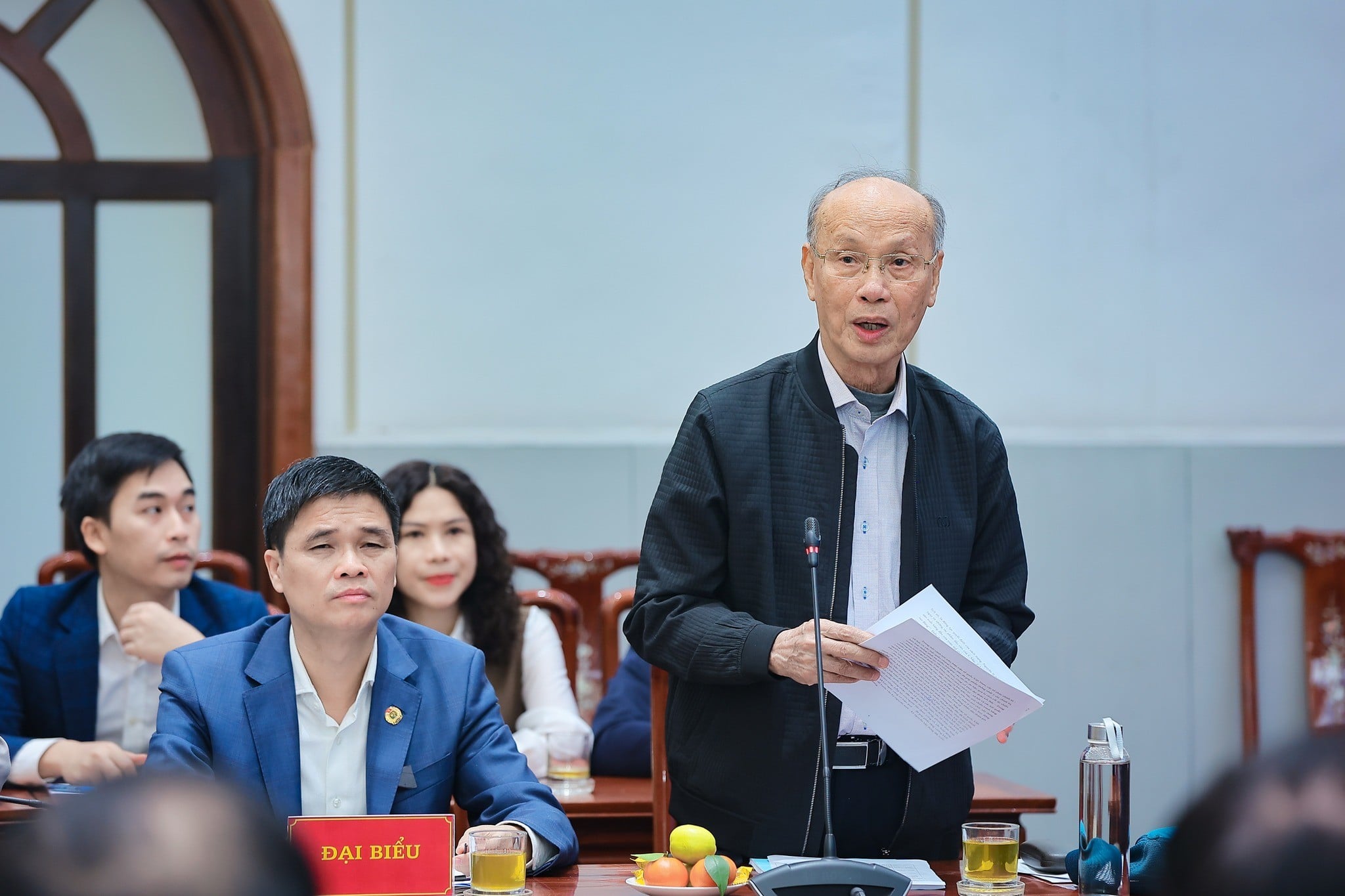 |
| Professor Tran Ngoc Duong, Chairman of the Advisory Council on Democracy and Law of the Central Committee of the Vietnam Fatherland Front, speaks at the seminar. (Photo: mattran.org.vn) |
"Through the exercise of its functions of social supervision and criticism, the Vietnam Fatherland Front, political and social organizations, and mass associations not only contribute to building a State that is truly a State of the people, by the people, and for the people, but also create social consensus and solidarity," Professor Tran Ngoc Duong stated.
Associate Professor Dr. Le Ba Trinh, a member of the Presidium and former Vice Chairman of the Central Committee of the Vietnam Fatherland Front, believes that it is necessary to unify understanding, solidarity, and determination to innovate the organizational model and operating methods of the Vietnam Fatherland Front and other political and social organizations in the new period. From now until 2030, theoretical research and practical summaries need to clarify relevant content, point out the "gaps" between theory and practice, and promptly propose adjustments and additions to create unity in understanding and action.
Furthermore, promoting digital transformation within the Fatherland Front system, continuing to improve organizational restructuring, stabilizing the apparatus after the merger, clarifying the leading coordinating role of the Vietnam Fatherland Front Committee and the coordinating responsibilities of member organizations are urgent requirements.
Referring to the role of associations, Dr. Tran Anh Tuan, President of the Vietnam Association of Administrative Sciences, suggested that it is necessary to strengthen the leadership of the Party and Party committees at all levels, implement state management of associations in a modern and effective manner; and at the same time, innovate thinking to ensure that associations are truly voluntary, autonomous, self-governing, and self-responsible organizations, without overlapping functions and tasks, and operate effectively when under the direct supervision of the Vietnam Fatherland Front.
Dr. Tran Anh Tuan also suggested that the criteria for admitting associations as members of the Vietnam Fatherland Front should be reviewed and revised, and the responsibilities of member associations and those affiliated with the Vietnam Fatherland Front should be defined in terms of: institutions, mechanisms, content, incentive policies, resources, etc.
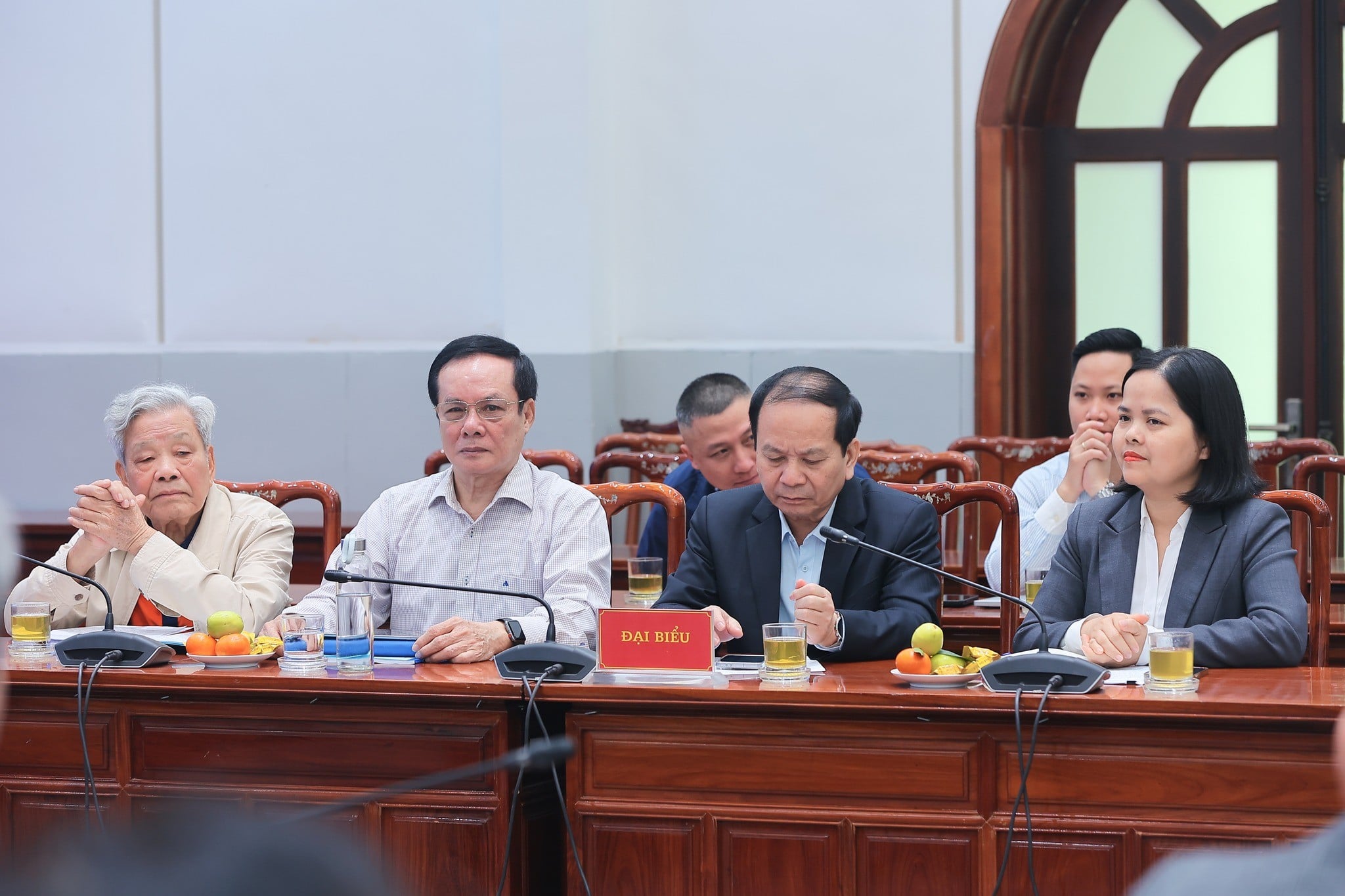 |
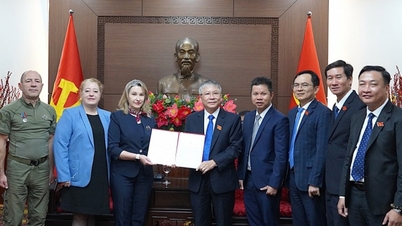
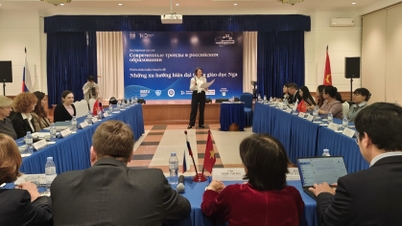
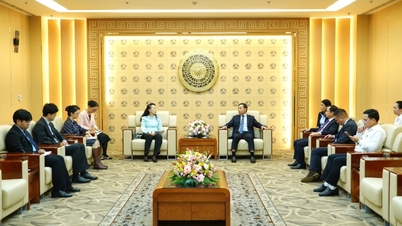
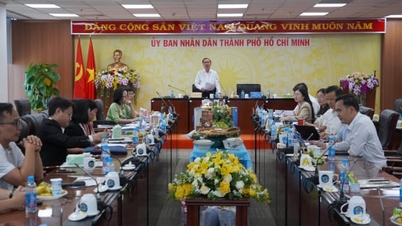
| Delegates attending the workshop. (Photo: mattran.org.vn) |
The presentations at the Conference clarified the theoretical and practical basis for affirming the core political role of the Vietnam Fatherland Front and other socio-political organizations in building national unity; affirming that the Front is a bridge between the Party, the State, and the People, representing and protecting the legitimate rights and interests of the people, thereby contributing to political stability, socio-economic development, and strengthening social consensus. The Conference also provided many important arguments, clarifying new factors in the social context affecting the role of the Vietnam Fatherland Front and other socio-political organizations, serving as a basis for researching and proposing the National Unity Strategy to 2030, with a vision to 2045.
Source: https://thoidai.com.vn/giu-vung-vai-role-hat-nhan-cua-mat-tran-trong-khoi-dai-doan-ket-toan-dan-toc-218487.html


![[Photo] Prime Minister Pham Minh Chinh attends the Conference on the Implementation of Tasks for 2026 of the Industry and Trade Sector](/_next/image?url=https%3A%2F%2Fvphoto.vietnam.vn%2Fthumb%2F1200x675%2Fvietnam%2Fresource%2FIMAGE%2F2025%2F12%2F19%2F1766159500458_ndo_br_shared31-jpg.webp&w=3840&q=75)


















































Comment (0)