

Education – the foundation for sustainable cooperation.
Speaking at the discussion session, Mr. Vladimir Murashkin, Director of the Russian Center for Science and Culture in Hanoi, emphasized that in 2025, Vietnam and the Russian Federation will celebrate many important events: 75 years of establishing diplomatic relations (January 30, 1950 - January 30, 2025), 80 years of Victory in the Great Patriotic War (May 9, 1945 - May 9, 2025), 80 years of Vietnam's National Day (September 2, 1945 - September 2, 2025), and 50 years of the Liberation of the South and National Reunification (April 30, 1975 - April 30, 2025).
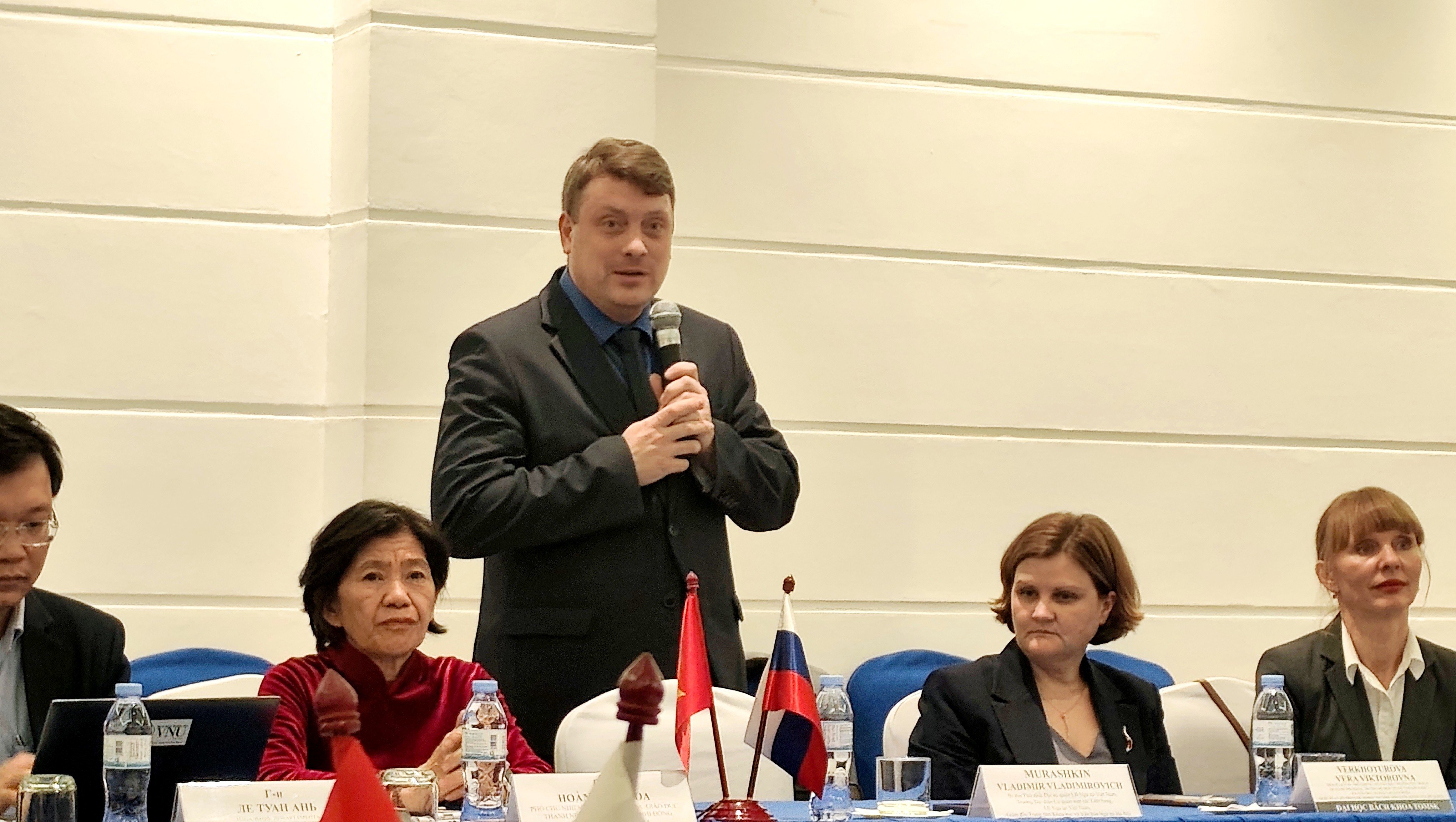 |
| Vladimir Murashkin, Director of the Russian Science and Culture Center in Hanoi, speaks at the event. (Photo: Bach Duong) |
According to Vladimir Murashkin, within the framework of the 75th anniversary of the establishment of diplomatic relations between Vietnam and the Russian Federation, many people-to-people, cultural, and educational diplomatic events have been implemented, contributing to strengthening the foundation of traditional friendly relations. He affirmed that the Russian Federal Agency for Cooperation (Rossotrudnichestvo) and its representative offices in Vietnam play an important role in promoting Russian education, fostering academic exchange, and connecting educational institutions in both countries.
Mr. Murashkin said: “We always preserve the traditional values that previous generations have cultivated, while developing education on that foundation. The discussion session on “Modern Trends in Russian Education” is an opportunity for Vietnamese partners to access information about Russian training programs, and to understand the results and new directions of cooperation, thereby finding common ground to enhance the effectiveness of educational cooperation, and thus contributing to the socio-economic relations between the two countries.”
Presenting a paper on the topic "Social Sciences and Humanities: Orientations for International Scientific and Educational Cooperation for Russian and Vietnamese Youth," Ms. Galina Leonidovna Petrova, representative of Nizhny Novgorod National University of Linguistics (NGLU), stated that NGLU is a comprehensive training institution oriented towards social sciences and humanities, with a multicultural learning environment where students come not only from the Russian Federation but also from more than 40 countries around the world.
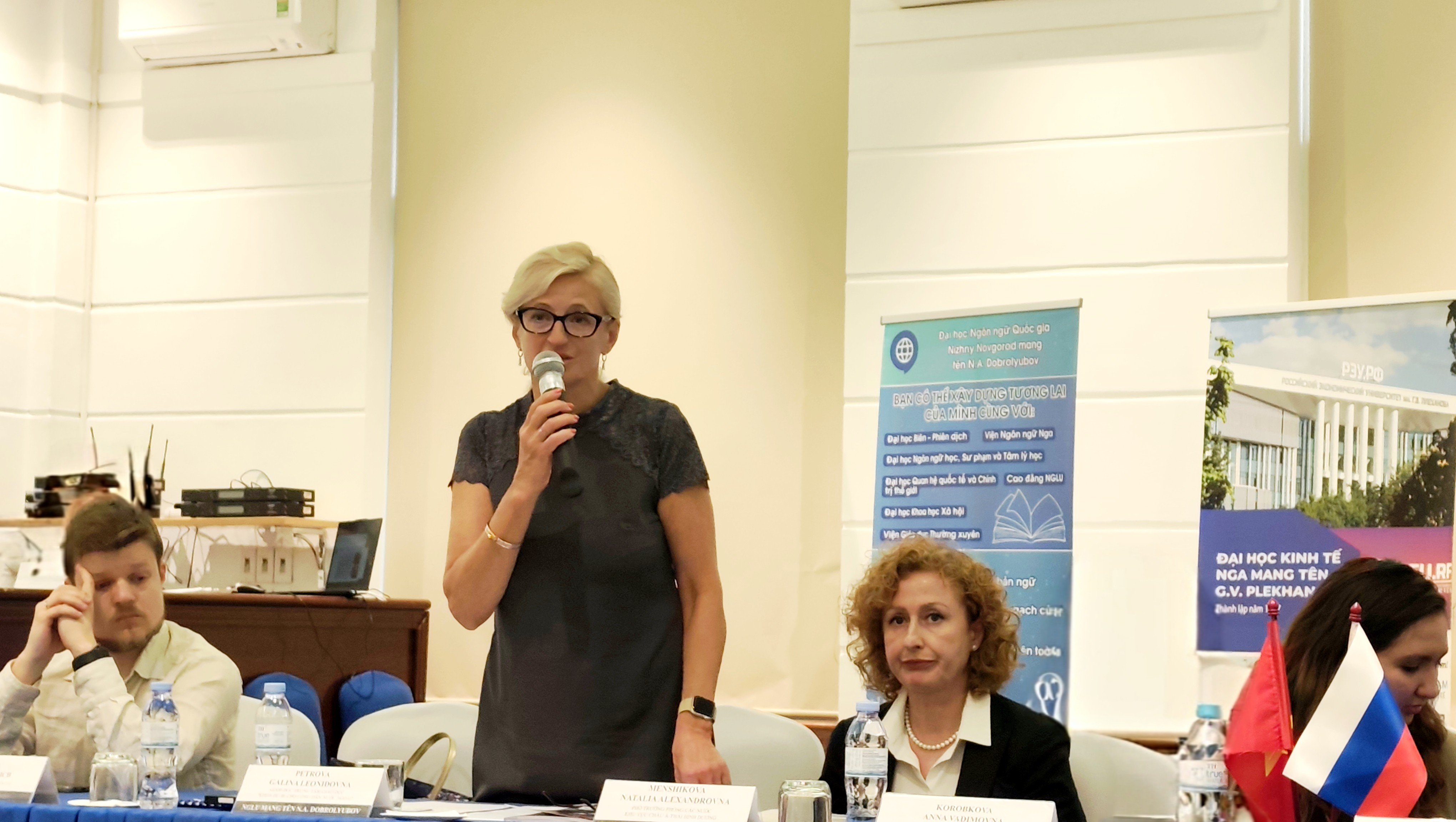 |
| Ms. Galina Leonidovna Petrova, representative of the National University of Languages Nizhny Novgorod (NGLU), presents her paper. (Photo: Bach Duong) |
According to Ms. Petrova, NGLU's training strengths focus on linguistics, applied philology, and Russian as a foreign language. Based on this, NGLU systematically implements programs to promote the Russian language and Russian education in many countries, including Vietnam. Besides long-term training programs, NGLU organizes short-term summer and winter courses and professional development programs for Russian language lecturers and teachers. Notably, the "Summer Academy" program, launched in 2023, allows lecturers, researchers, and young lecturers under 35 years old to study, research, and exchange ideas in Russia for 15 days. All costs for airfare, accommodation, transportation, and cultural programs are covered by the Russian side. Ms. Galina Leonidovna Petrova affirmed that strengthening cooperation between NGLU and Vietnamese educational institutions will create further impetus for the implementation of joint projects, expanding faculty and student exchange programs, and improving the teaching of Russian as a foreign language. She expressed her hope that both sides will continue to coordinate, exchange, and apply new teaching methods and technologies, thereby contributing to promoting in-depth and sustainable Russian-Vietnamese educational cooperation.
New developments in higher education in the Russian Federation
During the discussion, representatives from Russian universities presented important reforms in the higher education system. Ms. Ekaterina Sergeyeva, representing the Baltic Federal University, stated that since 2023, Russia has implemented a large-scale pilot project for higher education reform, aiming to build a flexible training model that meets the requirements for developing high-quality human resources, ensuring national technological sovereignty, and providing flexibility for the Russian economy. Under the new model, the education system comprises three levels of training, allowing universities to proactively adjust the training duration from 4 to 6 years at the basic university level, depending on the requirements of each specialized field. The project has received positive support from students, parents, and employers.
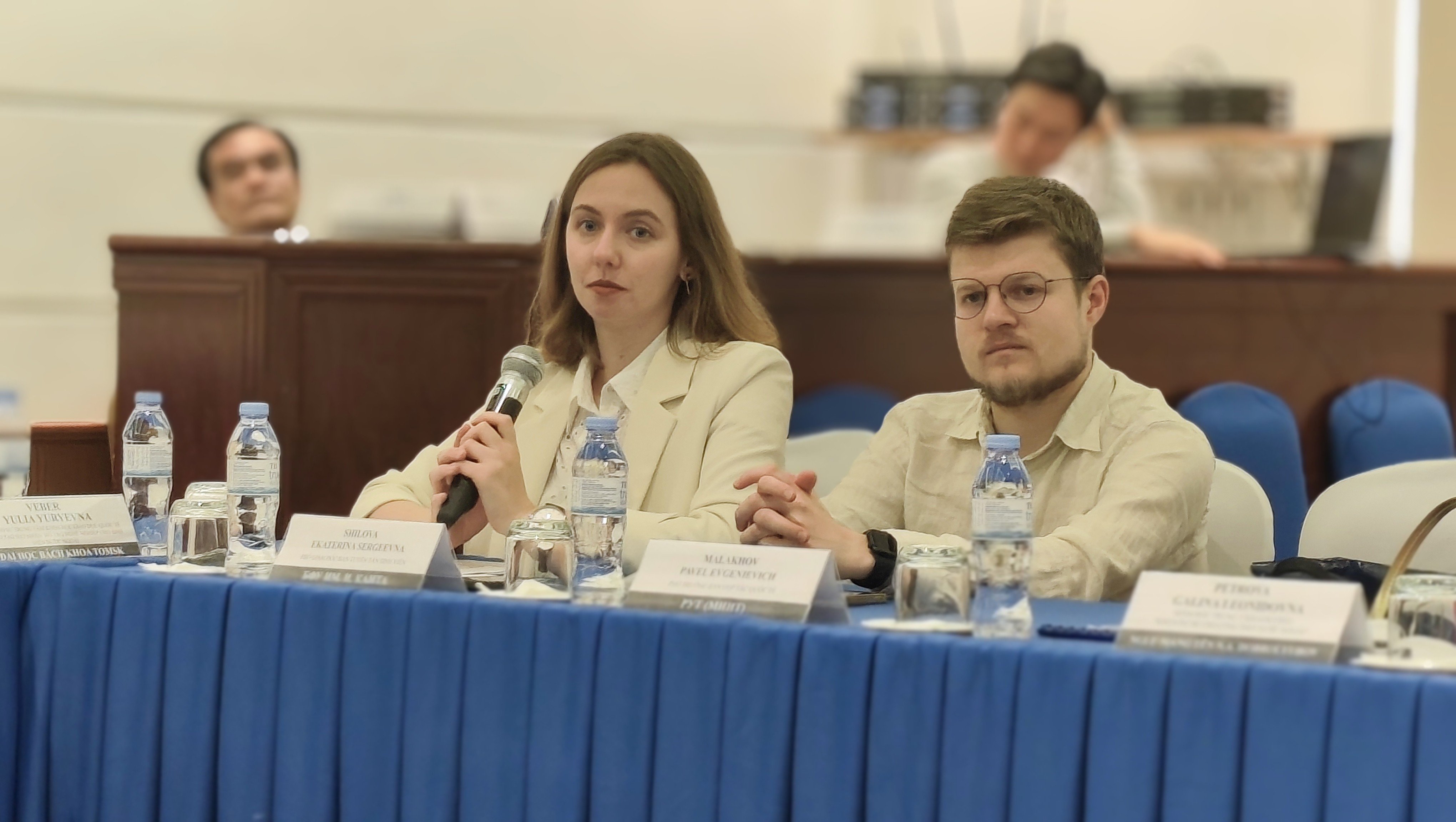 |
| Ms. Ekaterina Sergeyeva, representative of the Baltic Federal University, provides information about the pilot project for reforming higher education in Russia. (Photo: Bach Duong) |
Regarding advanced higher education programs (master's, residency, and doctoral studies), only research-oriented institutions and federal universities are permitted to offer them. Graduates of a six-year undergraduate program can directly pursue doctoral studies.
Ms. Anna Vladimirovna Korobkova, representative of Moscow Aviation University (MAI), stated that MAI is one of six universities in the Russian Federation participating in a pilot project for higher education reform. The new model at MAI aims to build an environment for training a new generation of personnel, where the flexibility of education is demonstrated by the ability to transform and adapt training programs based on an analysis of future industrial needs.
Specifically, MAI's educational programs are developed based on forecasts of technological development and the workforce needs of the labor market. The training process is implemented in collaboration with recruitment partners, allowing students to participate directly in real-world projects with mentors from businesses and industries, thereby gradually building their personal career paths during their studies.
The new model of higher education reflects the general trend of education in the Russian Federation in forming generations of talented human resources, creating conditions for students to comprehensively develop their abilities and themselves in the context of increasingly demanding labor market requirements.
Presenting on new trends in transportation engineering training, Ms. Elmira Yunusova, representative of Moscow University of Transport, stated that the university is implementing a network-based collaborative training model. According to her, this form of cooperation goes beyond traditional dual-degree programs and is considered a new training tool, facilitating academic exchange between lecturers and students, and enabling students and transportation businesses to jointly participate in practical projects.
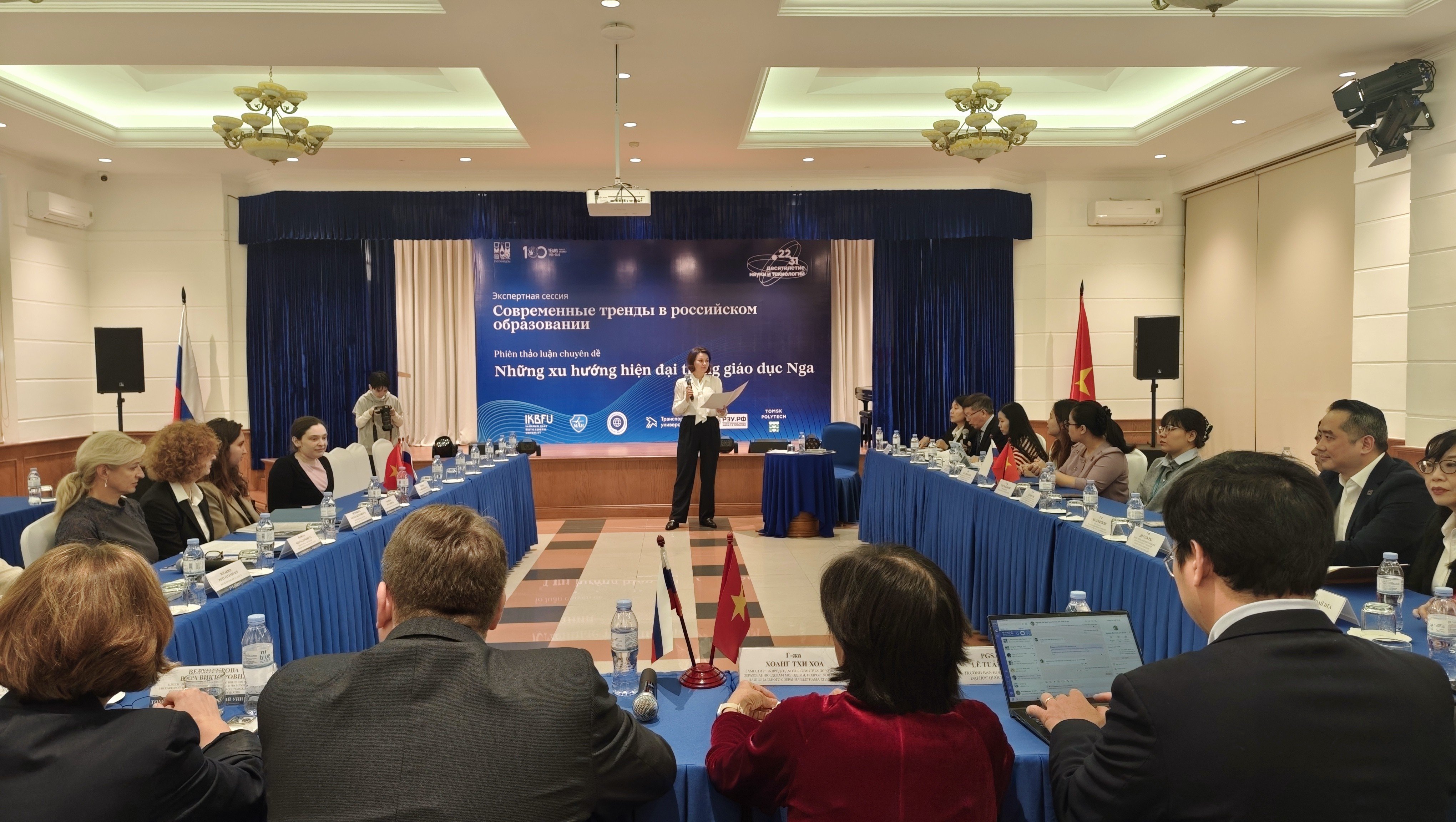 |
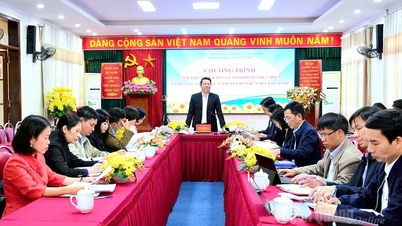
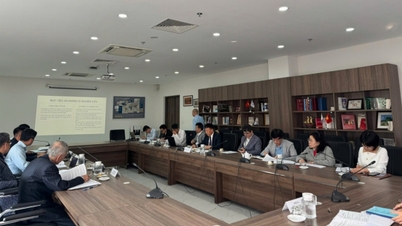
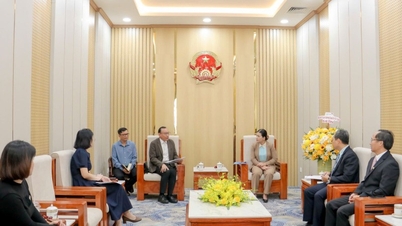
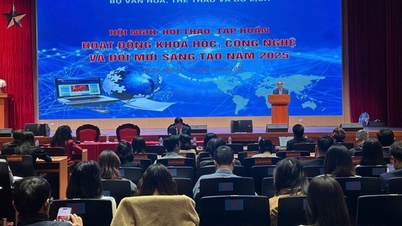
| Representatives from universities in Vietnam and the Russian Federation attended the discussion session "Modern Trends in Russian Education". (Photo: Bach Duong) |
Within the framework of network cooperation, universities can seek out and connect with partners who already possess expertise in the fields they wish to develop. Ms. Elmira Yunusova cited the example of cooperation with leading Chinese transport universities within the framework of the Russian-Chinese Association of Rectors of Transport Universities.
In addition, the university has also launched a new project called "Russian-African Network University of Transport," opening up new avenues for cooperation not only for educational institutions but also for businesses. Partners can access expert assessments and specific insights into the African market, while combining training with business cooperation activities related to the transportation sector.
According to Ms. Elmira Yunusova, network-based training programs are also a tool for improving the quality of student selection. Through summer courses, students from partner universities have the opportunity to directly familiarize themselves with the university's training environment, thereby better defining their study path and future academic development.
Furthermore, Ms. Yunusova emphasized the project-based approach to training. Accordingly, all students must participate in practical project modules, solving specific tasks set by transportation companies, thereby enhancing their professional competence and practical skills, while also contributing to the innovation of teaching methods and improving the pedagogical skills of lecturers.
Another important trend is training "leaders of change" for the transportation industry. According to her, students need to be prepared to respond to global challenges, master modern digital tools, and be encouraged to develop an entrepreneurial mindset, thereby adapting flexibly to the rapid changes in the industry and the labor market.
Source: https://thoidai.com.vn/nga-gioi-thieu-nhung-xu-huong-moi-trong-giao-duc-218447.html


![[Photo] General Secretary To Lam visits the exhibition space showcasing books, photo exhibitions, and achievements of digital transformation in journalism.](/_next/image?url=https%3A%2F%2Fvphoto.vietnam.vn%2Fthumb%2F1200x675%2Fvietnam%2Fresource%2FIMAGE%2F2025%2F12%2F19%2F1766110879215_1766110240024-jpg.webp&w=3840&q=75)
![[Photo] Enchanting ancient rose garden on the mountainside in Nghe An](/_next/image?url=https%3A%2F%2Fvphoto.vietnam.vn%2Fthumb%2F1200x675%2Fvietnam%2Fresource%2FIMAGE%2F2025%2F12%2F19%2F1766109900916_vuon-hong-chin-do-thu-hut-du-khach-toi-check-in-o-ha-noi-3-20162778-1671624890024-1671624890104198100259.jpeg&w=3840&q=75)































![[INFOGRAPHIC] Overview of the Hoa Phat Dung Quat Rail and Special Steel Production Plant Project](https://vphoto.vietnam.vn/thumb/402x226/vietnam/resource/IMAGE/2025/12/19/1766111183203_z7339170069817-126a3e5a095f62e606a0be41015c1b80.jpeg)








































Comment (0)