

Rental housing has been identified as a strategic segment.
At the regular government press conference in May, held on the afternoon of June 3rd, in response to a reporter's question about breakthrough mechanisms to attract businesses to participate in the development of long-term rental housing, the Chief of the Office of the Ministry of Construction, Lam Van Hoang, stated that the legal framework for the rental housing model is now relatively complete, but the results of developing this segment are still not commensurate with actual needs.
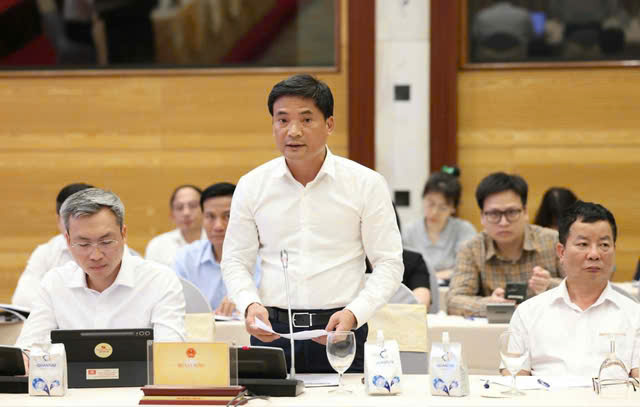
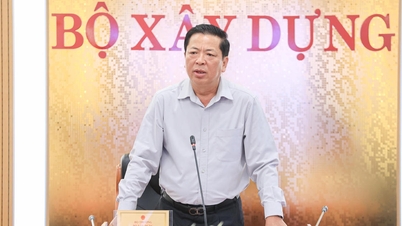
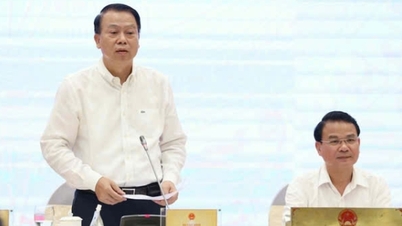
Lam Van Hoang, Chief of Staff of the Ministry of Construction, answers questions from the press at a press conference. Photo: VGP/QP
According to Mr. Lam Van Hoang, the 2023 Housing Law clearly stipulates three forms of housing: housing for sale, housing for rent, and rent-to-own housing. However, in the context of rapid urbanization and increasing housing demand, especially in large cities, industrial zones, and key economic regions, the development of rental housing still requires stronger solutions regarding capital, land allocation, and incentive mechanisms.
In fulfilling the tasks assigned by the Prime Minister , the Ministry of Construction is currently focusing on implementing three key tasks to promote the development of the rental housing segment in the coming period.
Notably, the first set of solutions focuses on improving mechanisms and policies and changing the mindset regarding housing development. The Ministry of Construction is proactively researching and proposing new policies to institutionalize the Party and State's guidelines in the amended Housing Law and the amended Real Estate Business Law, which are expected to be submitted to the National Assembly for consideration at the October 2026 session.
“We have determined that we must drastically shift our thinking on housing development, from primarily developing commercial housing to simultaneously developing commercial housing, social housing, and rental housing. Rental housing is identified as a strategic, long-term segment, serving a large number of people, especially workers, laborers, students, officials, civil servants, and members of the armed forces,” Mr. Lam Van Hoang emphasized.
According to Mr. Hoang, along with developing housing for sale, stronger priority should be given to rental housing, especially the model of rental apartments in large cities, industrial zones, economic zones, dynamic regions, and important economic corridors.
To realize this goal, the Ministry of Construction is studying superior preferential mechanisms regarding land and finance to facilitate businesses' access to land and credit when investing in the development of rental housing projects.
Besides improving policy mechanisms, the Ministry of Construction is focusing on reviewing, amending, and supplementing the system of technical regulations and standards related to rental housing.
Review planning and allocate resources appropriately.
According to the Chief of Staff of the Ministry of Construction, the new regulations and standards will be developed to be more in line with the practical development of this type of housing, with particular emphasis on fire safety requirements for small and medium-sized rental housing projects.
In parallel, the Ministry of Construction will coordinate with localities, ministries, and sectors to accurately assess the rental housing needs of each target group. Initially, the review will be implemented in localities with high demand such as Hanoi, Ho Chi Minh City, Dong Nai, Hai Phong, and Da Nang.
According to Mr. Hoang, fully identifying actual needs will be a crucial basis for land use planning, resource allocation, and the development of appropriate development plans, avoiding situations of surplus in some areas and shortage in others, or investments that do not meet market demand.
“Based on that, we will advise the Government to assign targets for the development of rental housing to localities nationwide. At the same time, we will coordinate with ministries, sectors, and localities to propose appropriate mechanisms to mobilize, allocate, and effectively utilize state budget funds as well as social resources for the development of rental housing,” said Mr. Lam Van Hoang.
Leaders of the Ministry of Construction also stated that the agency is studying solutions related to the operational and management mechanisms of rental housing areas, including accompanying business and commercial services, in order to ensure long-term operational efficiency.
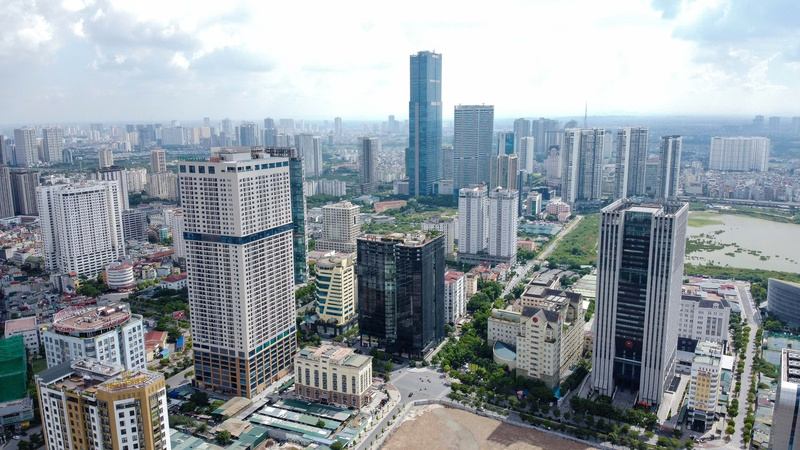
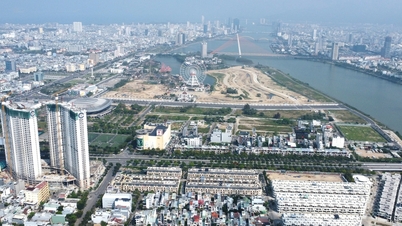
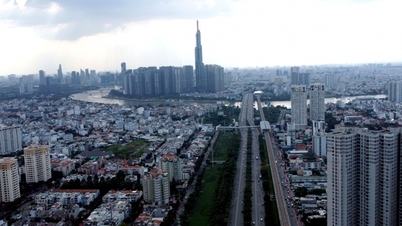
The Ministry of Construction is studying superior incentive mechanisms regarding land, credit, and planning to promote the development of rental housing, meeting the growing demand in urban areas and industrial zones. (Illustrative image)
For localities, the Ministry of Construction requests that they urgently organize investigations and surveys of rental housing needs for specific target groups such as officials, civil servants, public employees, armed forces personnel, workers, laborers, and students. Based on this, they should develop investment plans and allocate appropriate resources to meet actual needs.
Along with identifying needs, localities need to review planning, allocate suitable land, and simultaneously invest in a comprehensive system of technical and social infrastructure to serve the development of rental housing, especially in industrial zones and densely populated areas.
According to the Ministry of Construction, developing rental housing not only helps address people's housing needs but also diversifies the supply in the real estate market, gradually forming a more balanced and sustainable housing structure.
In particular, amidst continuously rising housing prices in many major cities, the rental housing model is expected to become an important solution to help workers, students, and middle-income groups have more opportunities to access suitable housing.
Mr. Lam Van Hoang emphasized: "In reality, the current policy mechanisms are already in place, and we can implement them step by step. In the coming time, we will focus on revising the policy mechanisms to provide even more outstanding incentives to promote the development of the rental housing segment."
According to the plan, the Ministry of Construction will continue to finalize provisions related to the development of rental housing to include in the draft amended Law on Housing and the amended Law on Real Estate Business, which are expected to be submitted to the National Assembly for consideration at the October 2026 session.
Rental housing is not a new model, but for many years it has not developed proportionally to the actual needs of people in large cities and industrial zones. According to the Ministry of Construction, in addition to perfecting the legal framework, stronger incentive mechanisms regarding land, credit, and infrastructure investment are needed in the future to encourage businesses to participate in the market. The synchronized development of commercial housing, social housing, and rental housing is expected to contribute to diversifying the supply, meeting the housing needs of workers, laborers, students, and middle-income groups, while creating a foundation for a more balanced and sustainable real estate market in the long term.
Source: https://congthuong.vn/go-nut-that-dat-dai-thuc-day-phat-trien-nha-o-cho-thue-459781.html
![[Photo] First session of the 14th Congress of the Vietnam Trade Union](https://vphoto.vietnam.vn/thumb/1200x675/vietnam/resource/IMAGE/2026/06/03/1780465947883_ndo_br_img-3852-jpg.webp)
![[Photo] General Secretary and President To Lam presides over a meeting with the Central Organizing Committee.](https://vphoto.vietnam.vn/thumb/1200x675/vietnam/resource/IMAGE/2026/06/03/1780482764658_a1-bnd-4741-3342-jpg.webp)

![[Photo] Secretary of the National Assembly Party Committee, Chairman of the National Assembly presides over the meeting of the Standing Committee and Executive Committee of the National Assembly Party Committee.](https://vphoto.vietnam.vn/thumb/1200x675/vietnam/resource/IMAGE/2026/06/03/1780480353201_ndo_br_bnd-2585-jpg.webp)



















































![[Video] Sunset at Lap An Lagoon – Where the sun sets over the fishing nets](https://vphoto.vietnam.vn/thumb/1200x675/vietnam/resource/IMAGE/2026/05/31/1780192137701_beach-landscape-sea-water-nature-grass-745871-pxhere-com.jpeg)































Comment (0)