

Aiming for a high-quality college
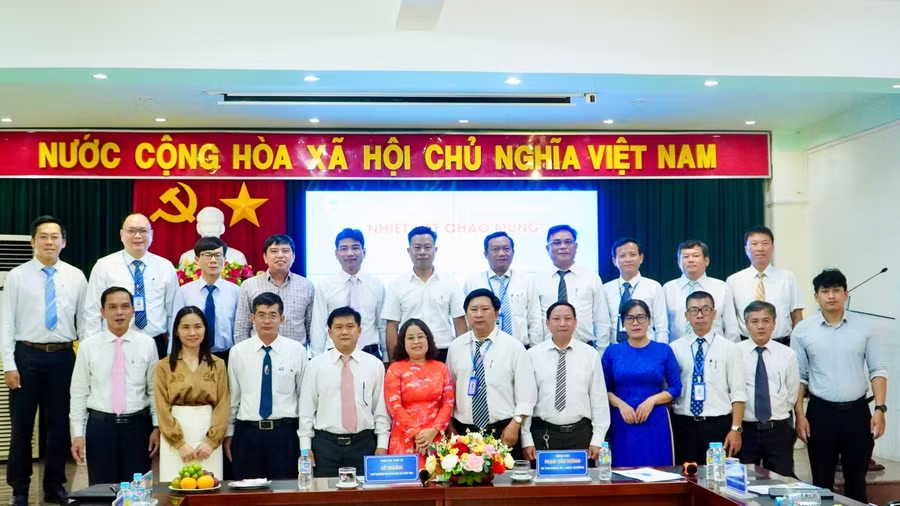
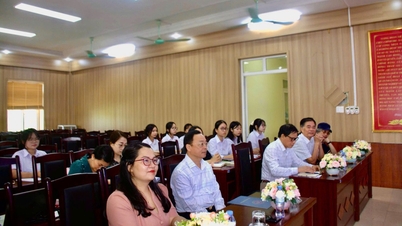
On the morning of May 29th, Deputy Minister of Education and Training Le Quan, along with a delegation from the Ministry of Education and Training, visited and worked at Quy Nhon College of Technology ( Gia Lai province).
During his visit, Deputy Minister Le Quan toured the school campus and several specialized departments. He also spoke with and shared insights with students about their studies and career orientation.
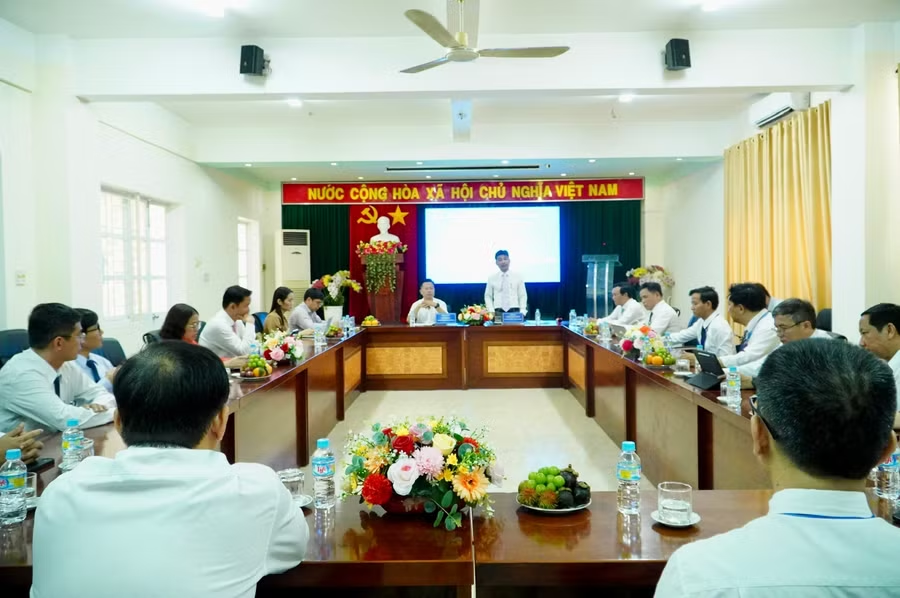
Reporting to the Deputy Minister, Mr. Pham Van Tuong, the school's principal, stated that the school's annual enrollment reaches approximately 2,600 students across four fields of study: Engineering - Technology; Tourism - Services; Agricultural Engineering; and Culture and Arts.
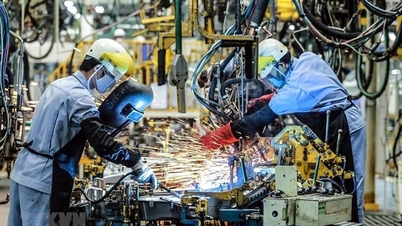
In particular, the Engineering and Technology group of disciplines is a key and leading field with approximately 2,600 students enrolled. The school currently has comprehensively invested facilities across its three training campuses, accommodating a scale of 8,000 to 10,000 students.
According to Mr. Tuong, during the period 2026-2030, the school will focus on implementing six groups of solutions, including: Innovating the governance model towards a service-oriented approach, fostering innovation linked to comprehensive digital transformation; developing professions that anticipate technological trends and the province's development strategy; using businesses as a measure of training quality; attracting and developing high-quality human resources; building a school-wide culture of quality; aiming for sustainable financial autonomy and allocating resources based on efficiency.
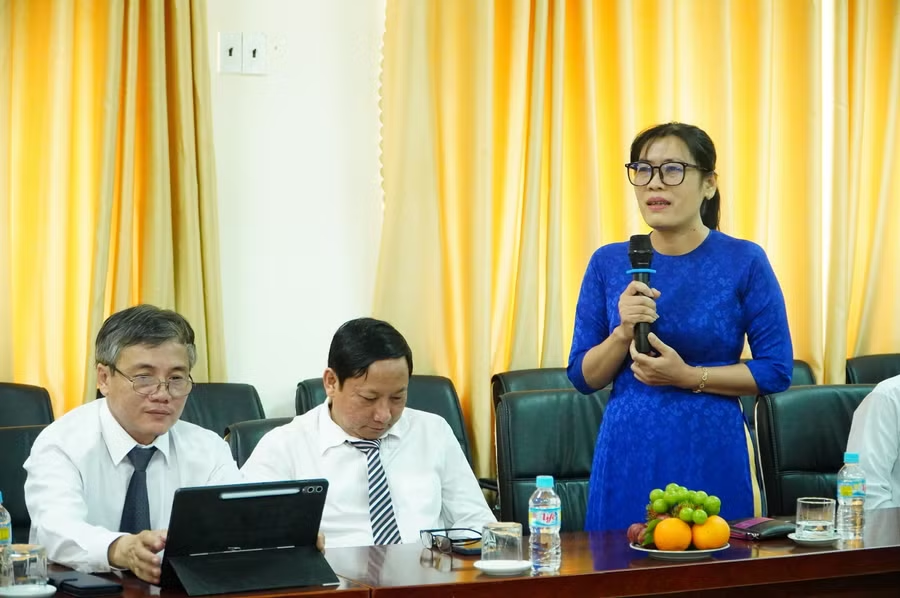
During the meeting, the school requested the Ministry of Education and Training to consider investing in Quy Nhon College of Technology to become a high-quality college after the project is approved by the Gia Lai Provincial People's Committee.
In addition, the school proposed a policy prioritizing public service units that are self-sufficient in covering their operating expenses; the early issuance of the vocational secondary education qualification framework for 2026; and the revision of the list of training fields and professions, granting autonomy to open new fields and professions to meet the needs of the labor market.
The school also requested the Ministry of Education and Training to pay attention to the policy of commissioning training in vocational education; and to approve the list of Industry 4.0 occupations to participate in the World Skills Competition.
Training tailored to labor market needs.
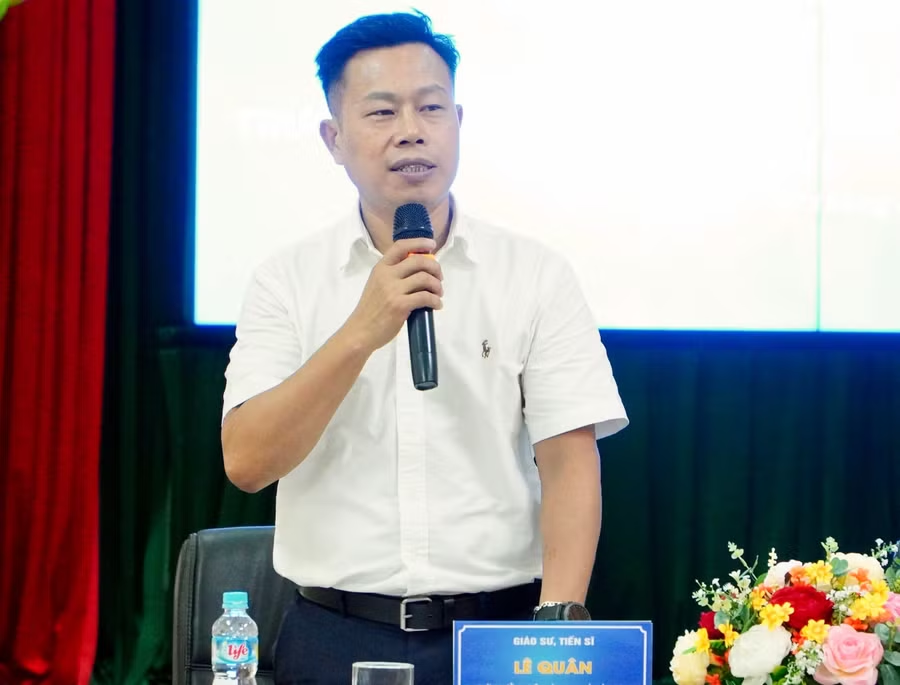
Speaking at the meeting, Deputy Minister Le Quan acknowledged the school as a reputable vocational education institution, receiving attention and investment from the province, with good facilities, a solid quality foundation, and a positive school culture.
According to the Deputy Minister, the school needs to prioritize expanding its training scale to attract more students before considering downsizing. The teaching staff needs continued training and professional development to meet new requirements.
The Deputy Minister also noted that the school needs to plant more trees to create a learning environment like a park, fostering a sense of belonging among students.
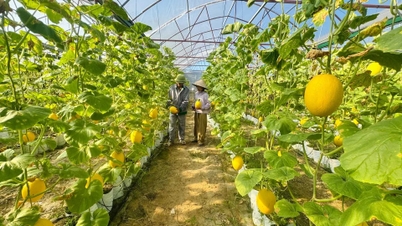
At the same time, the school can build nurseries for students to practice, produce, and do business on their own, thereby helping the agricultural sector move towards self-reliance.
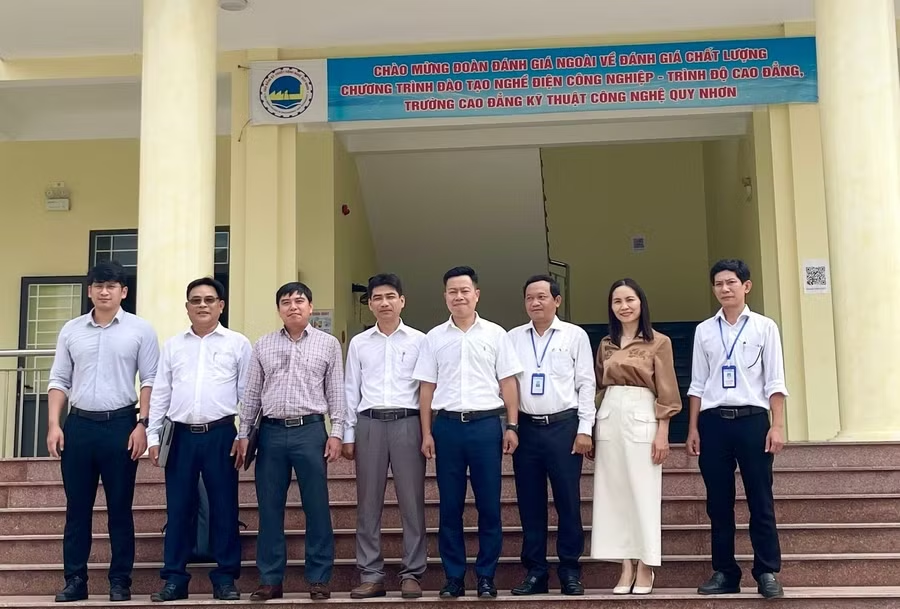
Furthermore, the Deputy Minister suggested that the school strengthen coordination with organizations and businesses to provide students with practical training. Accordingly, the school provides knowledge, businesses support practical training, students earn additional income, businesses reduce personnel costs, and the school gains additional revenue.
To attract students, schools can replace "admission announcements" with "job recruitment announcements," linking training with the actual needs of businesses and the labor market.
According to the Deputy Minister, the school currently lacks many majors related to Industry 4.0 technologies such as programming, robotics, network administration, and technological innovation; while healthcare and e-commerce are attracting significant labor market interest and therefore require further research.
In this new phase, the school needs to promote autonomy, strengthen cooperation with businesses and service provision to improve the quality of training and achieve sustainable development.
Source: https://giaoducthoidai.vn/goi-mo-huong-phat-trien-cho-truong-nghe-thoi-40-post779690.html


![[Photo] First session of the 14th Congress of the Vietnam Trade Union](https://vphoto.vietnam.vn/thumb/1200x675/vietnam/resource/IMAGE/2026/06/03/1780465947883_ndo_br_img-3852-jpg.webp)























































































Comment (0)