

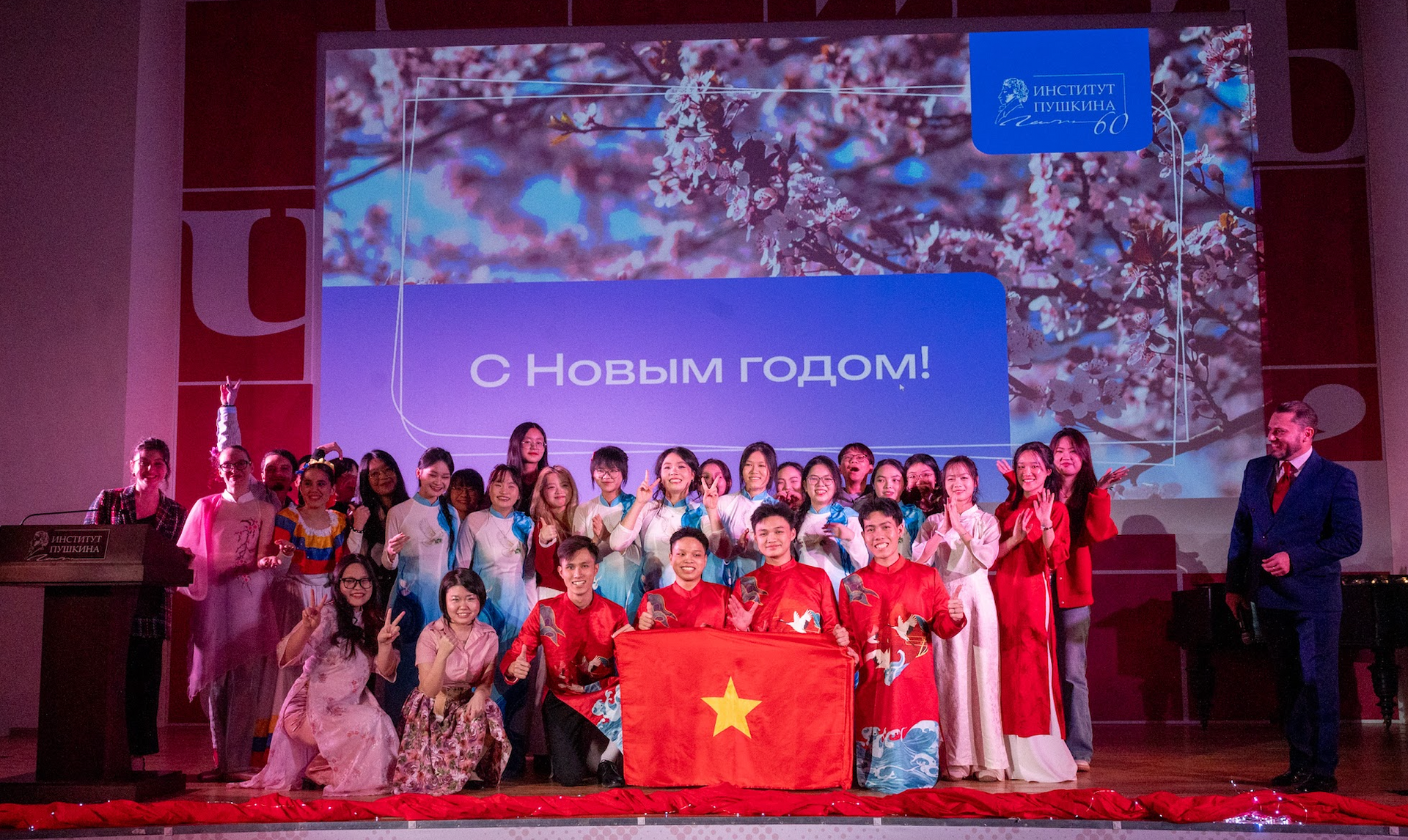
In October 2025, Dang Van Minh arrived in Russia. In Minh's perception, Russia has a slow, orderly pace of life. Even on crowded trains, everything remains neat and orderly, without chaos. "Life here isn't too rushed, but it's not slow either," Minh recalled.
The initial integration process was inevitably challenging, particularly with language barriers and the weather. Russian is inherently complex, and the sub-zero winter temperatures presented a significant challenge for a student from central Vietnam. On some days, even simple outings required more preparation than usual.
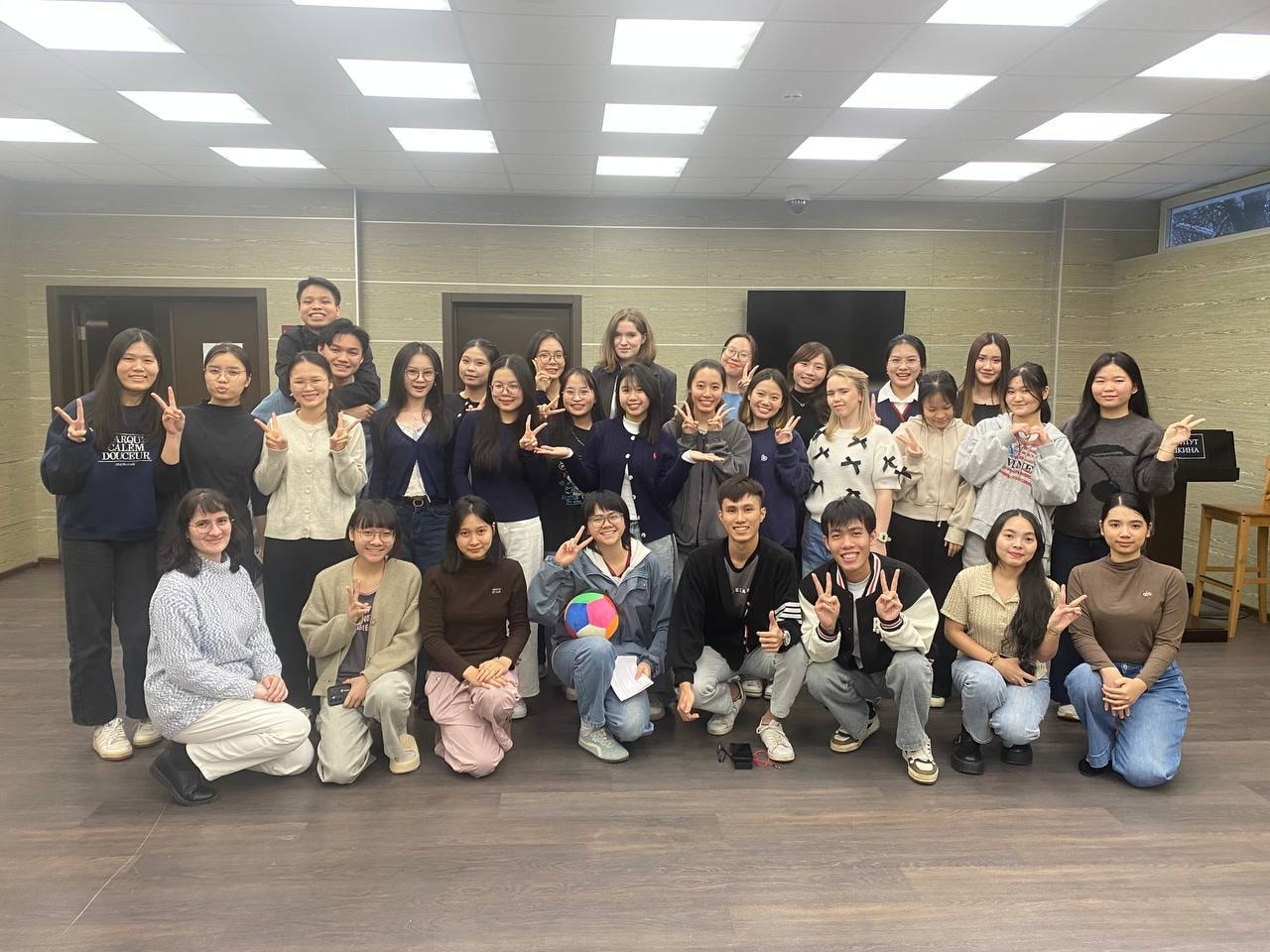
Instead of withdrawing, Minh proactively stepped out of his comfort zone. He actively communicated with international friends, participated in school activities, and wasn't afraid to make mistakes when speaking Russian. "The more I spoke, the faster I improved," Minh shared.
In addition to her studies, Minh participates in many cultural and social activities. Events such as the Maslenitsa festival, International Women's Day on March 8th, and National Defense Day on February 23rd provide students with opportunities to learn more about the language, people, and unique cultural characteristics of the host country.
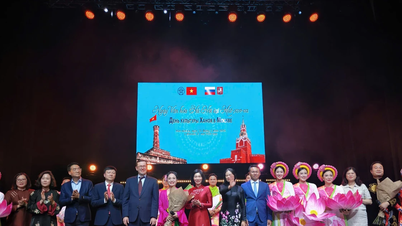
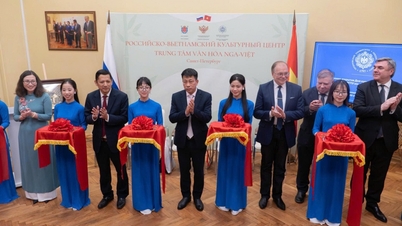
In particular, during the integration process, Minh and many other Vietnamese students focused on preserving and spreading their national cultural identity. During the Lunar New Year, despite being far from home, the students still organized many activities imbued with traditional atmosphere, such as making banh chung (traditional rice cakes), preparing characteristic dishes, and engaging in cultural exchanges.
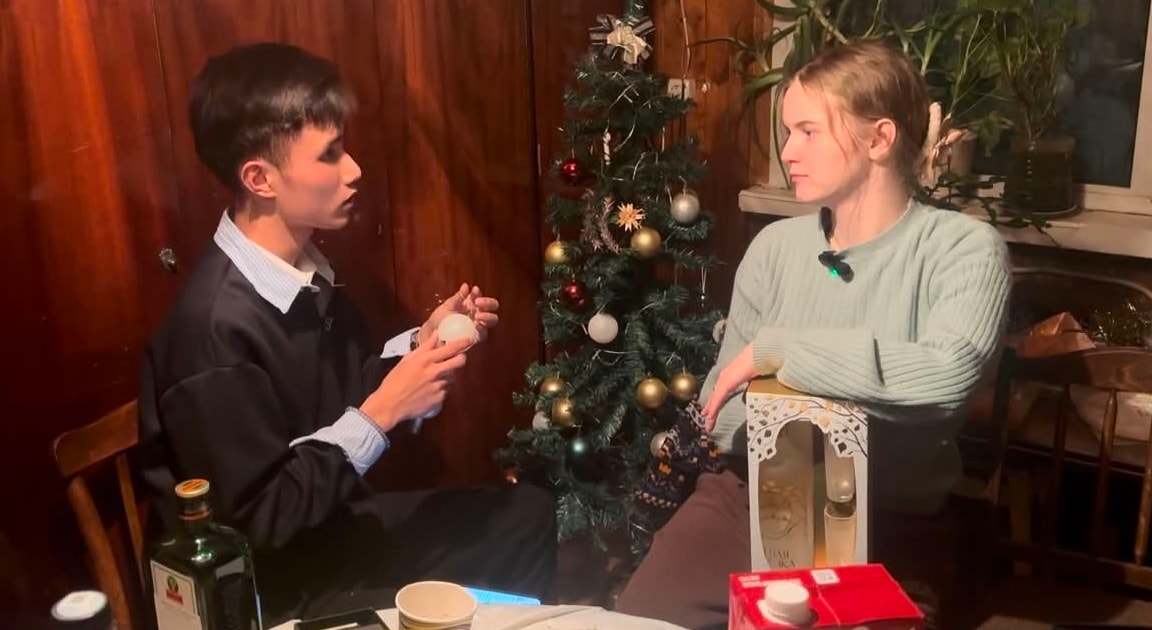
These activities have brought the Vietnamese community together and attracted the attention of international students. Many foreign friends expressed their delight at experiencing wearing the ao dai (traditional Vietnamese dress) for the first time, learning about the custom of giving lucky money, or participating in Tet preparations.
In addition, Minh also participated in the video contest "Journey of Youth - Green in Russia". This contest was an opportunity for him to record moments of studying and living of Vietnamese students abroad, thereby contributing to spreading the dynamic and positive image of Vietnamese youth in the international environment.
In addition to group activities, this student also proactively finds his own ways to connect culturally. These include teaching friends simple Vietnamese phrases, translating some Vietnamese songs into Russian and sharing them on social media, and participating in poetry readings with international students.
One of Minh's most memorable experiences stemmed from a chance conversation. When the topic of travel came up, Minh showed pictures of Da Nang beach – his hometown – to his international friends.
The turquoise water and long, clean sandy beach surprised many. "Some people asked me if this was Europe," Minh recounted.
After hearing more about a typical day in Da Nang—a morning swim at the beach, an afternoon enjoying seafood, an evening stroll, and watching the Dragon Bridge's fire show—many friends expressed their desire to visit Vietnam in the near future. "Just from a small story, they started to take an interest in Vietnam, and I'm very happy about that," Minh shared.
After studying in Russia, Minh not only accumulated knowledge and skills but also matured in his thinking. He became more independent, confident, and had a more multifaceted perspective on life.
Most importantly, it's the deep affection for one's homeland. When far away, simple things like family meals, the sound of the Vietnamese language in daily life, or the familiar image of the seaside city suddenly become incredibly precious.
This shows that cultural identity is not easily eroded. When young people step out into the world, they have the opportunity to better understand their homeland and contribute to spreading a natural and authentic image of Vietnam.
Source: https://baodanang.vn/hanh-trinh-giu-gin-ban-sac-cua-du-hoc-sinh-da-nang-3335863.html
![[Image] Pleasant weather helps students enter the 10th grade entrance exam with confidence.](https://vphoto.vietnam.vn/thumb/1200x675/vietnam/resource/IMAGE/2026/05/29/1780034401612_ngay-1-thi-lop-10-minh-duy-8-5009-jpg.webp)
![[Photo] Ba Lang An Lighthouse - the "eye of the sea" amidst the "rock museum" of Quang Ngai province.](https://vphoto.vietnam.vn/thumb/1200x675/vietnam/resource/IMAGE/2026/05/29/1780038698840_anh-man-hinh-2026-05-29-luc-14-10-42.png)




























































Comment (0)