

Obesity is not just an aesthetic problem but also a global epidemic, a leading cause of dangerous diseases such as cardiovascular disease, diabetes, and cancer. However, weight control has not yet received the proper recognition and intervention.
Health news update March 1st: Understanding the true extent of the dangers of obesity.
Obesity is not just an aesthetic problem but also a global epidemic, a leading cause of dangerous diseases such as cardiovascular disease, diabetes, and cancer. However, weight control has not yet received the proper recognition and intervention.
Obesity - the disease of our time
Although overweight and obesity were previously prevalent mainly in developed countries, their prevalence is now rapidly increasing in developing countries, including Vietnam.
 |
| Obesity is the result of an energy imbalance, in which the body receives too much excess energy. |
Currently, Vietnam ranks 197th in the world in terms of overweight and obesity rates. However, this rate is increasing rapidly, from 3% to 15%, making Vietnam one of the countries with the fastest-growing obesity rates. Based on the waist-to-hip ratio, nearly half of the adult population in Vietnam is currently overweight or obese.
Obesity is the result of an energy imbalance, in which the body receives too much excess energy. The increase in energy intake from 2,000 calories to 3,500 calories per day has led to a rise in obesity rates, particularly evident in Asian and Southeast Asian countries.
Obesity is not simply the accumulation of excess fat; it is also linked to inflammatory factors and increased risk of cardiovascular disease, diabetes, cancer, and many other serious illnesses.
According to doctors, the body's energy regulation mechanism controls appetite through peptides and emotions (eating because of hunger, eating for pleasure, etc.).
Obesity is the cause of more than 200 different diseases, such as cardiovascular disease, stroke, diabetes, osteoarthritis, fatty liver disease, and some cancers, especially gastrointestinal cancers.
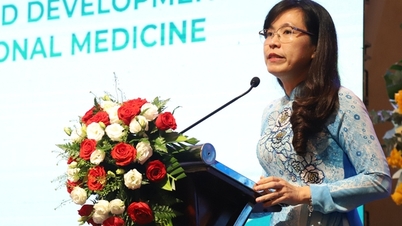
At the recent scientific seminar "Multimodal Treatment of Obesity," Dr. Lam Van Hoang, a weight loss expert, shared information about the current state of obesity and related diseases.
According to Dr. Hoang, obesity was not previously recognized as a disease. It wasn't until 1990 that the World Health Organization (WHO) officially recognized obesity as a chronic disease. In 1997, when the rate of obesity and overweight people tripled compared to 1975, the WHO declared obesity a global pandemic.
According to the World Federation for Obesity Prevention, the global obesity rate has tripled from 1975 to 2022. It is projected that by 2035, up to 51% of the world's population (over 4 billion people) will be obese or overweight if no action is taken. This means that one in four people will suffer from this condition. Each year, an estimated 3.4 million adults die due to being overweight or obese.
Obesity is becoming a risk factor for death, just like cardiovascular disease and hypertension, Dr. Hoang emphasized.
Effective obesity treatment requires consideration of factors such as age of onset of overweight, weight progression, occupation, lifestyle habits, and related medical conditions such as endocrine, cardiovascular, and genetic factors. Treating obesity is not simply about weight loss; it requires addressing underlying conditions and complications caused by obesity to improve overall health.
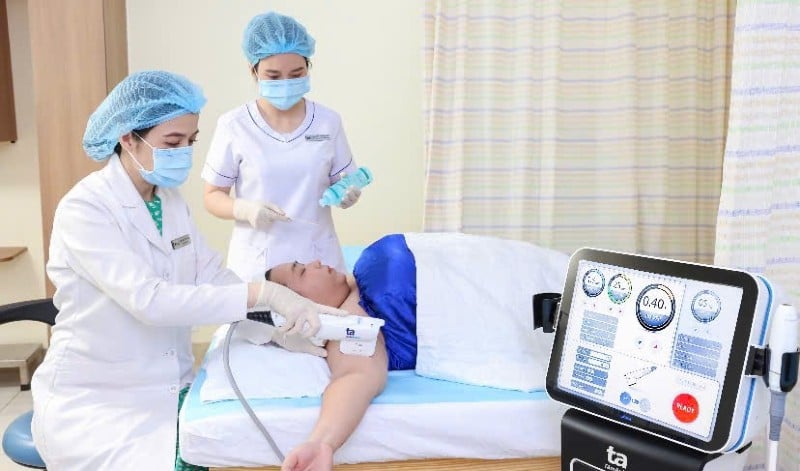
Obesity treatments need to be multimodal, comprehensive, and individualized, tailored to each patient's physical condition and habits. This may involve a combination of medication, dietary changes, increased physical activity, high-tech fat reduction methods, and even surgical interventions such as gastrectomy or gastric balloon placement in certain special cases.
Effective obesity treatment, resulting in a 5% to 15% weight reduction within six months, has been shown to be beneficial for health, reducing the risk of complications from overweight and obesity, and preventing comorbidities.
More than 50% of hemorrhoid cases presented for examination have already developed severe complications, such as thrombosis, abscesses, and necrosis. This makes treatment difficult and seriously affects the health and quality of life of patients.
Trouble arises from the habit of delaying medical check-ups.
Statistics from the health sector show that the number of cases of severe hemorrhoids is increasing, especially after long holidays. The main causes are unhealthy eating habits (drinking too little water, eating too little fiber), prolonged sitting, and excessive consumption of alcohol and spicy foods.
Hemorrhoids are the most common anorectal disease. According to research by the Vietnam Society of Anorectal Surgery, this disease accounts for approximately 35-50% of colorectal cases.
At some medical facilities, the number of hemorrhoid patients increased sharply in the first two months of 2025, estimated to be up 20% compared to the same period last year. Many cases of hemorrhoids worsened due to patients' negligence and reluctance to seek early medical attention.
A typical case is that of Mr. Hoang (38 years old, Ho Chi Minh City), who came to the hospital for examination due to severe anal pain during bowel movements, accompanied by bleeding and inflammation. He said that a year ago he had experienced similar symptoms but did not seek medical attention, instead only supplementing his fiber intake through diet.
After the Lunar New Year holiday, due to frequent participation in drinking parties, his condition worsened. Endoscopy results showed he had a fairly large thrombosed hemorrhoid, and the doctor recommended surgery to prevent ulceration, necrosis, and other serious complications.
Similarly, Ms. Hien (30 years old, Tien Giang) had mixed hemorrhoids since giving birth to her first child 4 years ago, but did not seek treatment. When preparing for her second pregnancy, the doctor advised surgery to treat the hemorrhoids before delivery to avoid complications affecting both mother and fetus. However, Ms. Hien was hesitant about surgery and did not proceed with treatment.
If hemorrhoids are not treated promptly, they can lead to dangerous complications such as thrombosed hemorrhoids, anal prolapse, hemorrhoidal infection, anemia, and sepsis. These complications not only cause pain but also seriously affect the quality of life and can even threaten the patient's life. In such cases, surgery is a necessary treatment method.
Surgical methods for treating hemorrhoids include classic hemorrhoidectomy, Longo procedure, transthoracic hemorrhoidectomy (THD), and submucosal hemorrhoidectomy (Parks procedure).
In Mr. Hoang's case, the doctor performed a classic hemorrhoidectomy (open hemorrhoidectomy) after administering spinal anesthesia. After the surgery, he felt no pain and was discharged the same day.
As for Ms. Hien, because she was seven months pregnant and her hemorrhoids had prolapsed and become thrombosed, she had to undergo emergency surgery. The doctor removed the blood clot and performed the Longo procedure, a less painful and less complicated method suitable for pregnant women. The surgery was successful, and both mother and child are safe.
Hemorrhoids are most common in people aged 30-60, with women having a higher incidence rate than men (61%). Those at higher risk include sedentary individuals such as office workers, drivers, and pregnant women.
Hemorrhoids are formed due to the excessive dilation of the hemorrhoidal venous plexus. Hemorrhoids are divided into three types: internal hemorrhoids (hemorrhoids located inside the anal canal), external hemorrhoids (located outside the anus), and mixed hemorrhoids (including both internal and external hemorrhoids).
Doctors recommend that people seek immediate medical attention if they experience any discomfort in the anal area to receive timely advice and treatment.
If the condition is mild, it can be treated simply with painless procedures that have a quick recovery, such as endoscopic sclerotherapy, rubber band ligation, hemorrhoid cryotherapy (HCPT), or laser ablation. Self-treatment at home should be absolutely avoided, especially for pregnant women, as it can lead to life-threatening complications.
Warning about the dangers of buying weight-loss injection pens online.
Weight-loss injection pens, widely advertised on social media, are becoming a "miracle cure" for overweight and obese individuals who want to lose weight without dieting or exercising. However, using these products can pose serious health risks.
Ms. V (37 years old, weighing 85 kg) spent over 30 million VND to buy 8 weight-loss injection pens from an online seller on social media. The pens had packaging printed entirely in a foreign language, and Ms. V used them according to the seller's instructions. “The seller said that I only needed to inject once a week, without dieting or exercising. After using all 8 pens in 5 months, I would lose 15 kg,” Ms. V shared.
After using the first injection pen, Ms. V. lost nearly 2 kg. However, when using the third injection pen, she began to feel nauseous, had headaches, dizziness, and constant fatigue and unease. When she stopped the injections, she gained more than 4 kg and developed acne all over her body. Ms. V. went to the hospital with pale skin, sweating, fatigue, and feeling like she was about to faint.
The examination results showed that her heart rate was fast and irregular, possibly due to medication and an inappropriate diet causing hypoglycemia. The doctor warned that the quality and nature of the medication in the injection pens were not fully verified, potentially causing health problems such as hypoglycemia and arrhythmias.
Similarly, Ms. MT (42 years old, Ho Chi Minh City) also trusted the seller's advertisement and bought two injection pens for nearly 5 million VND. After two injections, she continuously experienced nausea, headaches, and fatigue. Test results showed that her liver enzyme levels were abnormal.
According to Dr. Lam Van Hoang, Director of Tam Anh Weight Loss Center, many weight loss drugs of unknown origin and quality are currently on the market. Some are even banned or restricted by the World Health Organization due to containing dangerous ingredients. These drugs can affect liver and kidney function and cause complications such as elevated liver enzymes, hepatitis, diarrhea, dermatitis, kidney failure, etc.
Weight-loss injection pens typically contain drugs that act on the brain, reducing appetite, increasing feelings of fullness, and slowing gastric emptying, thus aiding weight loss. However, long-term and improper use of these drugs can cause serious problems such as acute pancreatitis, gallstones, thyroid-related diseases, or cardiovascular and digestive complications.
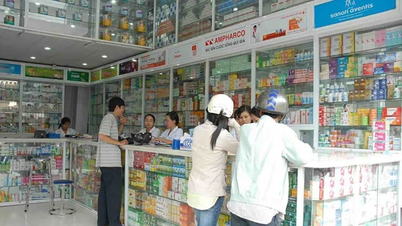
On social media and online shopping websites, weight-loss injection pens are widely advertised, with claims of rapid weight loss without dieting or exercise. These products have a compact design and are often presented as imported goods, making it difficult to determine their origin and quality.
Obesity is a chronic disease that requires monitoring and treatment according to a protocol; it is not a normal health problem. Dr. Hoang warns that buying products online without knowing their origin is extremely dangerous. These products may be counterfeit, of poor quality, contain unsafe ingredients, and pose a risk of allergies, anaphylactic shock, and many other complications.
Each person's overweight or obesity has different causes and health conditions, so proper testing and diagnosis are necessary to develop a personalized treatment plan. Self-medicating with weight-loss drugs without medical supervision can lead to many dangerous side effects, such as infections or other serious problems.
Dr. Hoang emphasized that all obesity medications require a doctor's prescription, as obesity can be caused by various factors. Self-medicating with weight-loss drugs without a doctor's prescription can be harmful to health. Treating obesity is a long-term process that requires a combination of proper nutrition, exercise, and appropriate medication. Patients need to consult a doctor, undergo clinical tests, and follow a scientific treatment plan for sustainable and effective weight loss.
Source: https://baodautu.vn/tin-moi-y-te-ngay-13-hieu-dung-ve-muc-do-nguy-hiem-cua-benh-beo-phi-d249985.html

































































































Comment (0)