

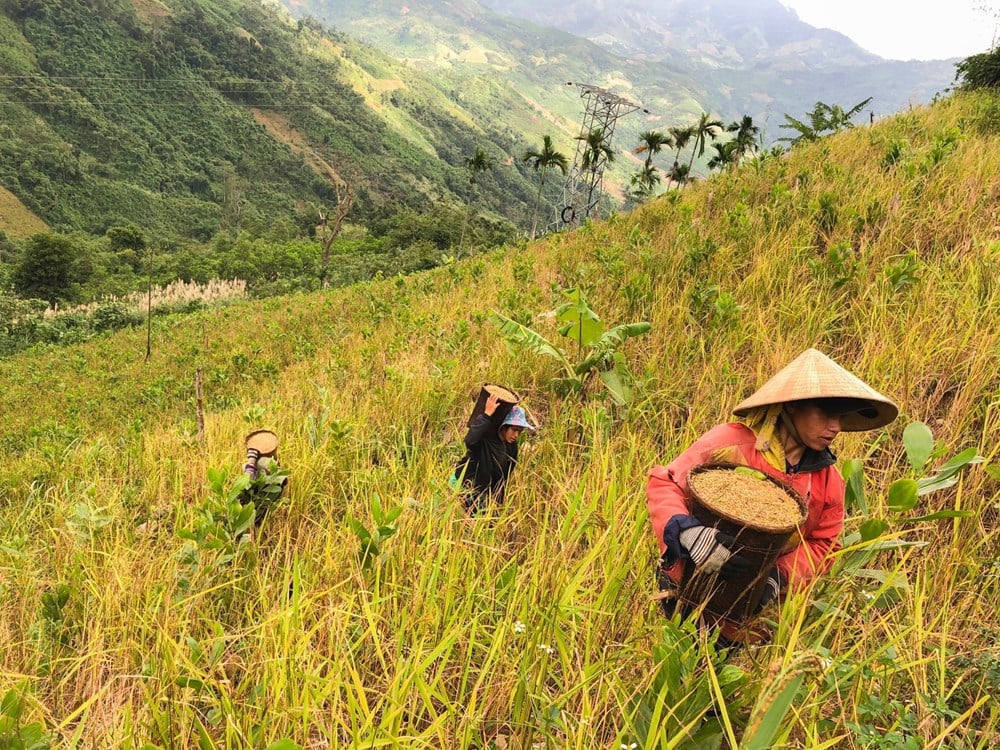
Nestled amidst the verdant hills of Son Tay commune, upland rice has silently sustained the Ca Dong people for generations. More than just a familiar staple food, upland rice carries within it cultural memories, farming practices, and the very breath of the forest.
However, for many years, this nutritious agricultural product has remained confined to a self-sufficient model, unable to become a marketable commodity that helps people improve their livelihoods.
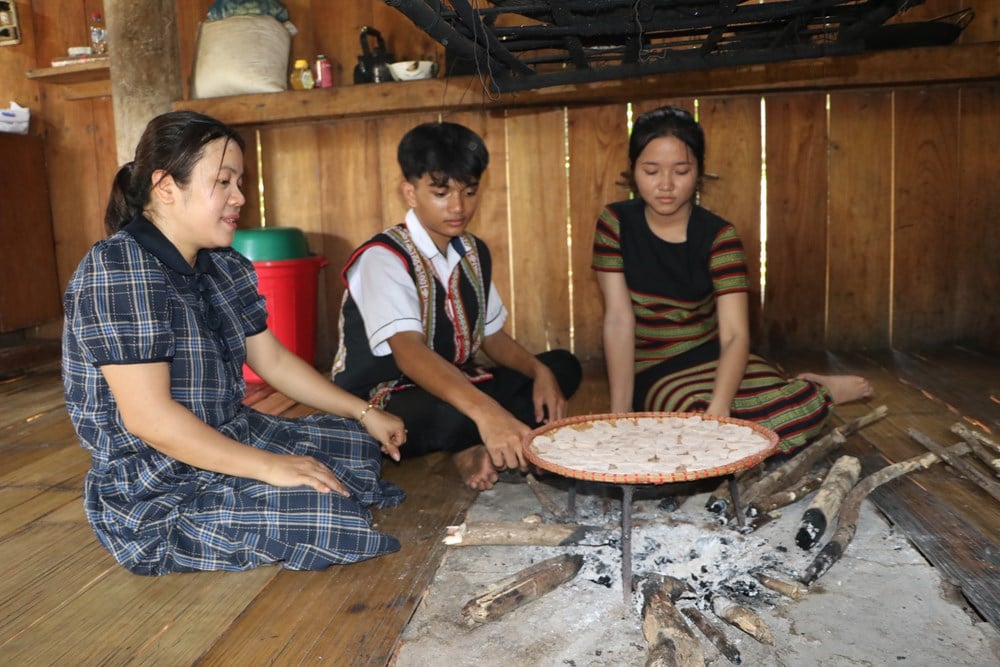
Based on that reality, two Ca Dong ethnic minority students at Son Tan Ethnic Boarding Primary and Secondary School boldly embarked on a journey to "awaken" the value of upland rice with creative ideas imbued with the spirit of youth.
Despite its low yield, upland rice is considered a clean, nutritious specialty of the mountainous region, possessing a unique and unmistakable flavor. Recognizing this potential, two students persistently researched and experimented with various advanced processing methods using this indigenous agricultural product.
After numerous setbacks, the first products, such as printed cakes, nutritional powder, and upland rice tea, were perfected, launched onto the market, and received positive feedback from consumers.
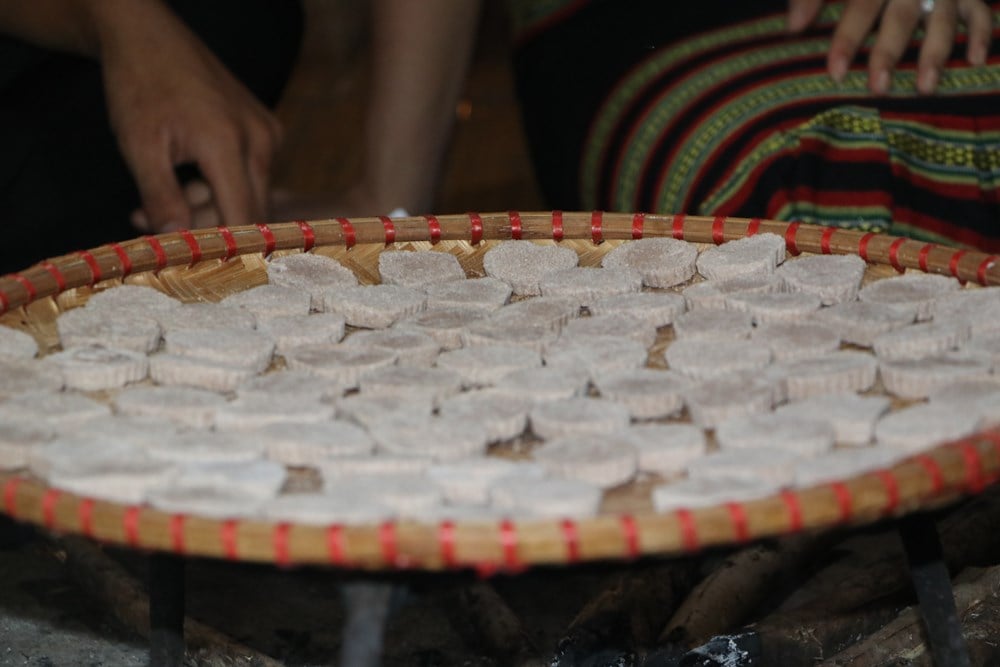
Dinh Thi Quynh Nhu, a student at Son Tan Ethnic Boarding Primary and Secondary School, shared: “Many people buy and order, but we are busy with school during the year so we haven't been able to make much. This summer we will dedicate more time to making cakes so that people will know about the products of our hometown.”
Drawing on the knowledge they gained in school, the students have initially succeeded in elevating familiar agricultural products into commercially valuable items. Not stopping there, the two students proactively promoted their products on social media as a way to tell the story of Ca Dong culture using language accessible to today's youth.
According to teacher Dinh Thi Hanh, a teacher at Son Tan Ethnic Boarding Primary and Secondary School, applying STEM to projects not only helps students develop their creativity but also awakens their love for their homeland's identity.
"Rice grown in upland fields is now very scarce, and we fear it will disappear. Through STEM, students recognize the cultural value of this distinctive regional product, thereby appreciating the precious grain of their locality even more," Ms. Hanh said.
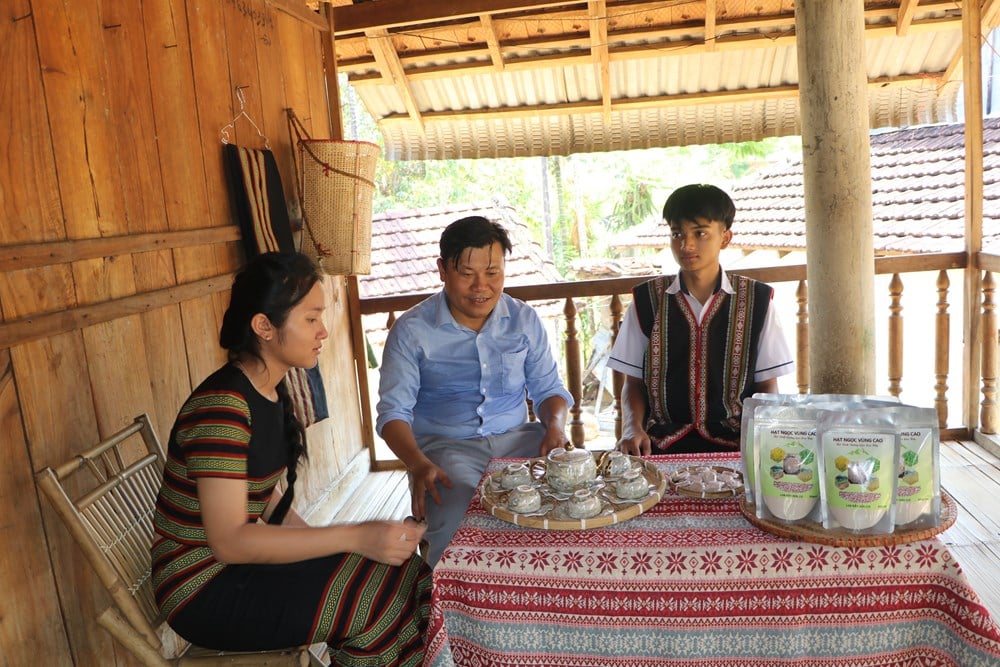
What is valuable about the project lies not only in the products created, but also in the way the Ca Dong students tell the story of their ethnic group using the most familiar things. The upland rice grain is now not just an agricultural product, but also a bridge bringing the culture of the highlands closer to the community.
Recognizing the feasibility and practical value of the idea, the school has partnered with the students to develop the project in an entrepreneurial direction. Longer-term plans are also being considered to expand the product's reach.
Mr. Huynh Van Thanh, Principal of Son Tan Ethnic Boarding Primary and Secondary School, said: “The school will seek support from higher authorities to have the product tested and certified, and if successful, we will aim to develop it into a local OCOP product in the near future.”
Although still on a small scale, the journey of these two Ca Dong students has opened up a new direction in enhancing the value of agricultural products in mountainous areas. More importantly, it is also a way for the younger generation to contribute to preserving traditional values that are facing the risk of disappearing amidst modern life.
Source: https://baovanhoa.vn/doi-song/hoc-sinh-dong-bao-ca-dong-danh-thuc-gia-tri-lua-ray-dai-ngan-232158.html

![[Photo] Standing Committee member of the Party Central Committee Tran Cam Tu working with the Central Inspection Committee](https://vphoto.vietnam.vn/thumb/1200x675/vietnam/resource/IMAGE/2026/05/28/1779969579668_ndo_br_bnd-2495-jpg.webp)











































































Comment (0)