

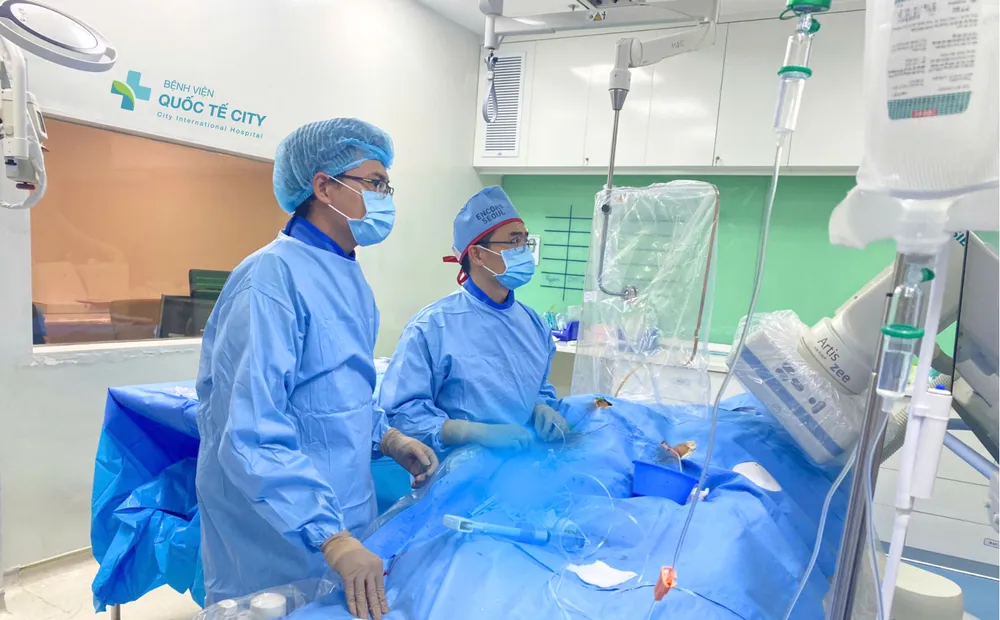
This is a high-risk, life-threatening case requiring urgent, precise management and the application of advanced interventional techniques to preserve the patient's heart and kidney function.
The patient was admitted to the hospital with recurrent shortness of breath, dangerous acute pulmonary edema, hemoptysis, and almost complete inability to perform daily activities. For five months, they were confined to hospital beds in numerous different hospitals.
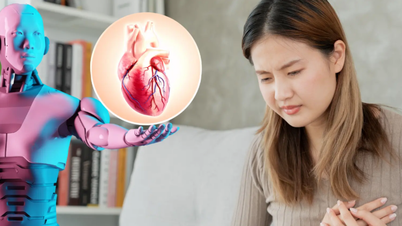
At City International Hospital, after examination and in-depth clinical tests, doctors determined that the cause of the recurring shortness of breath was a complex cardio-renal condition involving: severe bilateral renal artery stenosis causing stage 4 chronic kidney failure, and severe heart failure with obstruction of three coronary artery branches. This was considered a particularly dangerous case with the risk of developing acute heart failure, irreversible kidney damage, and life-threatening complications if not treated promptly.
Dr. Le Van Tuyen, a specialist in Interventional Cardiology at City International Hospital, stated that the main cause of acute pulmonary edema is severe heart failure due to narrowing of three coronary arteries combined with narrowing of both renal arteries, leading to hypertensive episodes and persistent shortness of breath.
The patient had previously undergone coronary artery bypass surgery 12 years ago, but all the bypass grafts are now completely blocked. The biggest challenge in this case lies in the patient's severely impaired kidney function and very low glomerular filtration rate. Using conventional contrast agents would increase the risk of progressive kidney failure, potentially leading to the need for dialysis.
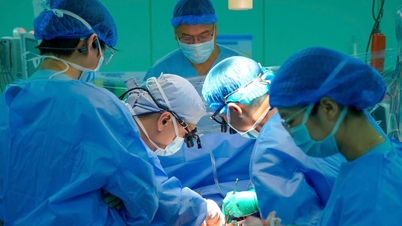
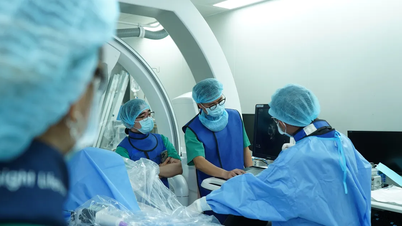
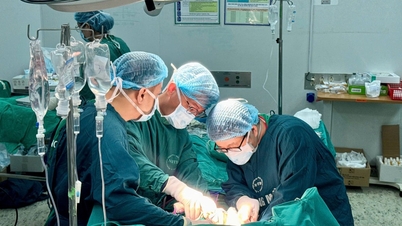
Faced with this complex situation, the doctors in the Interventional Cardiology Department applied CO₂ angiography as a replacement for contrast agents – a modern interventional method that eliminates the risk of kidney damage while ensuring high accuracy in the renal artery recanalization process. Subsequently, the doctors proceeded to recanalize the chronically obstructed coronary artery branch using an antegrade and retrograde intervention technique under IVUS guidance to minimize the amount of contrast agent used.
Thanks to the seamless coordination, swift response, and deep expertise of the medical team, the intervention was successful. Following treatment, the patient's shortness of breath improved significantly, hemodynamics stabilized, and motor function recovered positively.
Source: https://www.sggp.org.vn/hoi-phuc-chuc-nang-cho-benh-nhan-suy-tim-suy-than-nang-post854759.html



![[Photo] General Secretary and President To Lam presides over a meeting on preparations for the review of one year of operation of the three-tiered government system.](https://vphoto.vietnam.vn/thumb/1200x675/vietnam/resource/IMAGE/2026/06/02/1780391821195_a1-bnd-4595-9717-jpg.webp)

















![[Image] Affirming the aspirations and new standards of the Vietnamese real estate market in the new era.](https://vphoto.vietnam.vn/thumb/1200x675/vietnam/resource/IMAGE/2026/06/03/1780441948766_giai-thuong-bat-dong-san-2026-minh-duy-6-7364-jpg.webp)
















































Comment (0)