

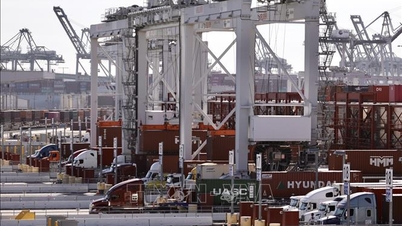
For decades, the Strait of Hormuz has been considered one of the world's most strategically important choke points. Approximately 20% of global oil is transported through this narrow waterway. Any disruption at Hormuz could quickly impact energy prices, inflation, and global economic growth.
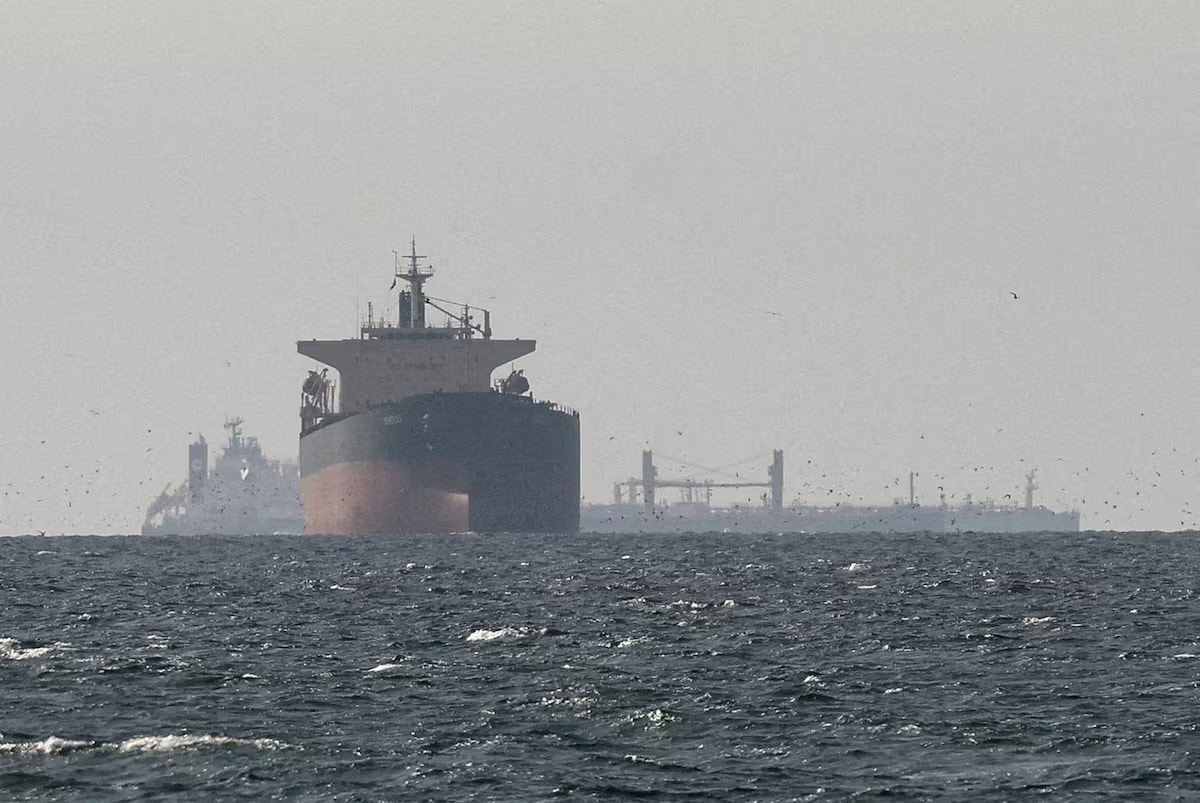
Therefore, the possibility of Iran using Hormuz as a retaliatory tool has never been a surprise to US policymakers.
According to many former U.S. officials, during wartime exercises at the Pentagon over the years, one assumption has almost always emerged: if Washington launched a large-scale attack on Iran, Tehran would seek to threaten or disrupt shipping through the Hormuz.
In other words, this is a scenario that has been predicted for a long time.
It is noteworthy that despite anticipating the risk, the US still faced difficulties when it actually materialized. This demonstrates that, strategically, knowing about a risk does not automatically mean it can be easily neutralized.
Part of the reason lies in how Washington assesses its adversaries.
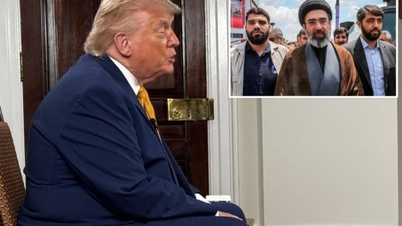
Many officials in President Donald Trump's administration reportedly believed that Iran was unlikely to harm its vital oil export route. According to this argument, blockading Hormuz would be tantamount to self-destructive economic action.
But the realities of the battlefield show that Tehran has opted for a more flexible approach.
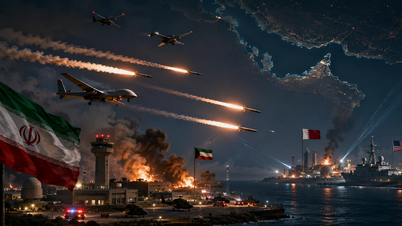
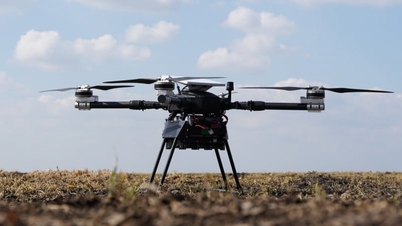
Instead of densely laying minefields to completely shut down shipping lanes, Iran is believed to be using a combination of coastal missiles, drones, and asymmetric warfare capabilities to create a level of risk significant enough to disrupt shipping operations.
This allows Tehran to exert pressure on the global energy market without having to accept the full economic cost of an absolute blockade.
This development reflects an increasingly clear reality in modern conflicts, where traditional military superiority no longer guarantees absolute control of the battlefield.
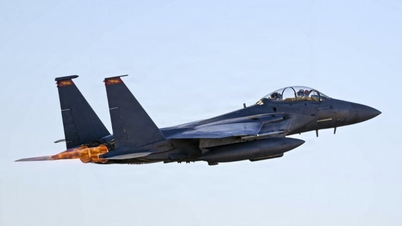
For decades after the Cold War, the United States relied on its superior aircraft carriers, air force, and military technology to maintain influence in many regions of the world . However, in recent years, Washington's rivals have increasingly exploited far less expensive technologies such as drones, guided missiles, and asymmetric warfare tactics to erode that advantage.
What happened in Hormuz bears many similarities to the Houthi attacks on shipping on the Red Sea. In both cases, relatively inexpensive means of transport were able to have a huge global economic impact.
Another factor that could lead Washington to miscalculate is its belief in the possibility of rapid changes in the political landscape of Iran.
Some analysts suggest that the White House expected military strikes to quickly weaken Tehran's leadership, thereby limiting Iran's ability to retaliate. However, Middle Eastern history has repeatedly shown that political change is often far more complex than military plans outlined on paper.
In fact, instead of quickly losing its ability to resist, Iran has taken advantage of its greatest asset, which is its geographical location.
Geography is a factor that even the most powerful military nations find difficult to change.
The U.S. possesses the world's leading naval force, but the Strait of Hormuz lies right next to Iran's coast. This means any military operation aimed at fully restoring freedom of navigation would face enormous costs, high risks, and the potential for escalating conflict.
This is also why Hormuz has long been considered one of Washington's most difficult strategic problems to solve in the Middle East.
More broadly, the Hormuz story illustrates a trend shaping the current international security environment. In an increasingly fragmented world, major powers still possess superior military strength but find it increasingly difficult to impose their desired outcomes.
Geographic bottlenecks, inexpensive warfare technologies, and the anti-access capabilities of middle-sized nations are creating new challenges to traditional power models.
Source: https://hanoimoi.vn/hormuz-va-nghich-ly-cua-suc-manh-1148071.html
![[Photo] First session of the 14th Congress of the Vietnam Trade Union](https://vphoto.vietnam.vn/thumb/1200x675/vietnam/resource/IMAGE/2026/06/03/1780465947883_ndo_br_img-3852-jpg.webp)
![[Photo] General Secretary and President To Lam presides over a meeting with the Central Organizing Committee.](https://vphoto.vietnam.vn/thumb/1200x675/vietnam/resource/IMAGE/2026/06/03/1780482764658_a1-bnd-4741-3342-jpg.webp)


![[Photo] Secretary of the National Assembly Party Committee, Chairman of the National Assembly presides over the meeting of the Standing Committee and Executive Committee of the National Assembly Party Committee.](https://vphoto.vietnam.vn/thumb/1200x675/vietnam/resource/IMAGE/2026/06/03/1780480353201_ndo_br_bnd-2585-jpg.webp)





































![[Video] Sunset at Lap An Lagoon – Where the sun sets over the fishing nets](https://vphoto.vietnam.vn/thumb/1200x675/vietnam/resource/IMAGE/2026/05/31/1780192137701_beach-landscape-sea-water-nature-grass-745871-pxhere-com.jpeg)

































Comment (0)