


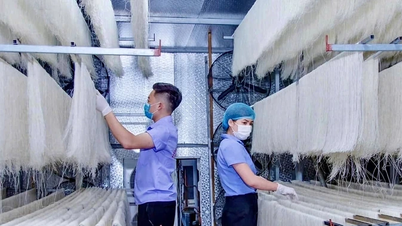
Rice processing for export at a business in Can Tho City.
Favorable premise
Over the years, Vietnam has ensured macroeconomic stability, controlled inflation, and maintained major economic balances. In 2025, despite facing many challenges, Vietnam is expected to continue achieving many outstanding and comprehensive achievements in socio-economic development. Accordingly, economic growth (GDP) is projected to be strongly boosted and is expected to exceed 8% for the whole year of 2025, placing it among the fastest-growing economies in the world. Average GDP growth for the period 2021-2025 is estimated at approximately 6.3%, higher than the previous term (6.2%). The size of the economy has increased from US$346 billion in 2020 to US$510 billion in 2025, a jump of 5 places to 32nd in the world.
The economic structure and growth quality have undergone many positive changes. All segments of the population have benefited from economic growth thanks to policies that care for living standards and ensure sustainable and comprehensive social security. This clearly demonstrates the Party's policies, the National Assembly's support, the synchronized, decisive, and effective direction of the Government and the Prime Minister, and the determination of all levels, ministries, and localities to implement tasks and achieve set goals. In particular, it reflects the outstanding efforts of the business community and the people. The breakthrough in economic growth in 2025 is an impressive achievement for the entire 2021-2025 period, evident across all sectors: industry, agriculture , services, investment, exports, and consumption. Vietnam's tourism industry is also projected to reach a record number of domestic and international tourists in 2025, with total revenue reaching approximately 1 trillion VND.
These achievements serve as a prerequisite and also as an important driving force and foundation for our country to enter a new era, an era of high growth and sustainable development. This will create conditions for our country to successfully achieve the socio-economic development goals for the 2026-2030 period. According to the Central Strategic Policy Committee, the draft political report of the 14th National Congress of the Party has set the goal of striving to achieve an average economic growth rate of 10% or higher for the 2026-2030 period.
Comprehensive solutions are needed.
To achieve rapid and sustainable economic development and realize double-digit growth targets for the 2026-2030 period, many experts and businesses believe that Vietnam needs to promptly implement a comprehensive set of solutions to mobilize and effectively utilize resources for socio-economic development. In particular, it is necessary to perfect the fundamental foundations of policy mechanisms, promptly establish strong policies to attract investment and effectively exploit human and natural resources while protecting the environment. Strengthening innovation, promoting green transformation and digital transformation, boosting exports, and applying the achievements of the Fourth Industrial Revolution are crucial for breakthroughs in development.
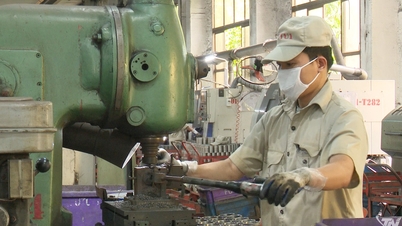
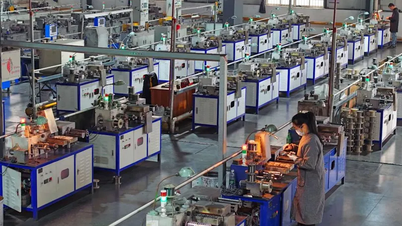
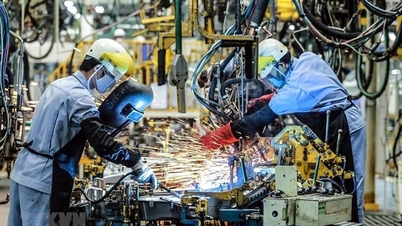
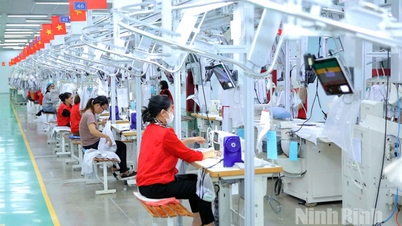
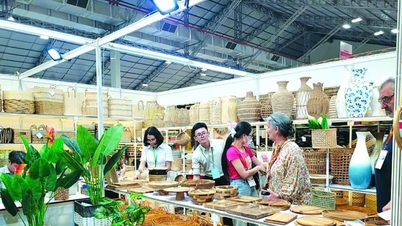
According to Mr. Le Tien Truong, Chairman of the Board of Directors of Vietnam Textile and Garment Group, many export sectors such as textiles and footwear are finding it difficult to achieve broad export growth due to slow global demand. Therefore, it is necessary to promote the growth of export surplus. The State needs to have preferential tax policies and simplify procedures to enable businesses to purchase domestic raw materials, enhancing their competitiveness compared to imported raw materials. Increasing wages for workers is also an important solution for economic growth. To achieve this, businesses must transform their models to automate and improve productivity. The State needs to have incentive schemes (such as partial reductions in corporate income tax...) to encourage businesses to increase wages for their workers.
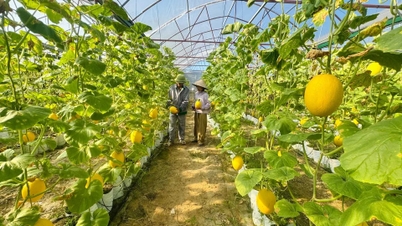
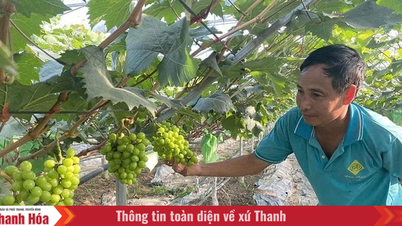
Agriculture is considered the "backbone" of the economy, helping to ensure national food security and providing a foundation for social stability. In the context of increasing impacts of climate change and the need to accelerate green and digital transformation, promoting rapid and sustainable development, the agricultural sector plays a crucial role in achieving the country's sustainable development goals and fulfilling international commitments.
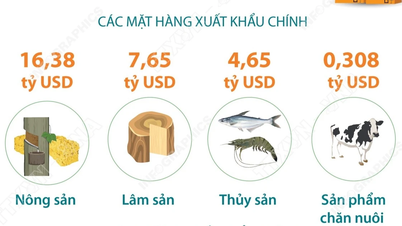
According to Mr. Tran Duc Thang, Minister of Agriculture and Environment, with goods penetrating the markets of nearly 200 countries and territories, Vietnam is one of the few leading producers and exporters of agricultural, forestry, and aquatic products in the world. It is estimated that by 2025, the export turnover of the sector will reach approximately 70 billion USD. However, the sector still faces many challenges. These include unstable growth, low added value, and the negative impacts of climate change, which have not improved the lives of people directly involved in agricultural production. Agricultural exports are also affected by geopolitical conflicts and increasing technical barriers in various markets. Therefore, Vietnam needs to change and increase transparency in production to ensure quantity, quality, and a greener, cleaner approach to meet export requirements.
During the 2026-2030 period, the agricultural sector aims for an annual growth rate of 3.5%. To achieve this goal, the sector will continue to ensure national food security and boost export growth, targeting $100 billion. This will be accompanied by a transformation of agricultural production towards a green, clean, and food-safe model, developing circular agriculture, and reducing emissions. The sector will strengthen the application of science and technology, promote deep processing, and further improve the productivity, quality, and added value of agricultural products. In addition, the sector will actively and proactively prevent and mitigate natural disasters, minimize their negative impacts on agricultural production; manage and utilize resources more effectively, and enhance resource monitoring and exploitation using digital technology, remote sensing, and artificial intelligence. Simultaneously, it will advise on and decisively implement solutions to address air pollution, develop a sustainable environment, and align with global trends…
Text and photos: KHANH TRUNG
Source: https://baocantho.com.vn/huong-den-nen-kinh-te-phat-trien-nhanh-va-ben-vung-a196406.html




![[Photo] First session of the 14th Congress of the Vietnam Trade Union](https://vphoto.vietnam.vn/thumb/1200x675/vietnam/resource/IMAGE/2026/06/03/1780465947883_ndo_br_img-3852-jpg.webp)




































































Comment (0)