

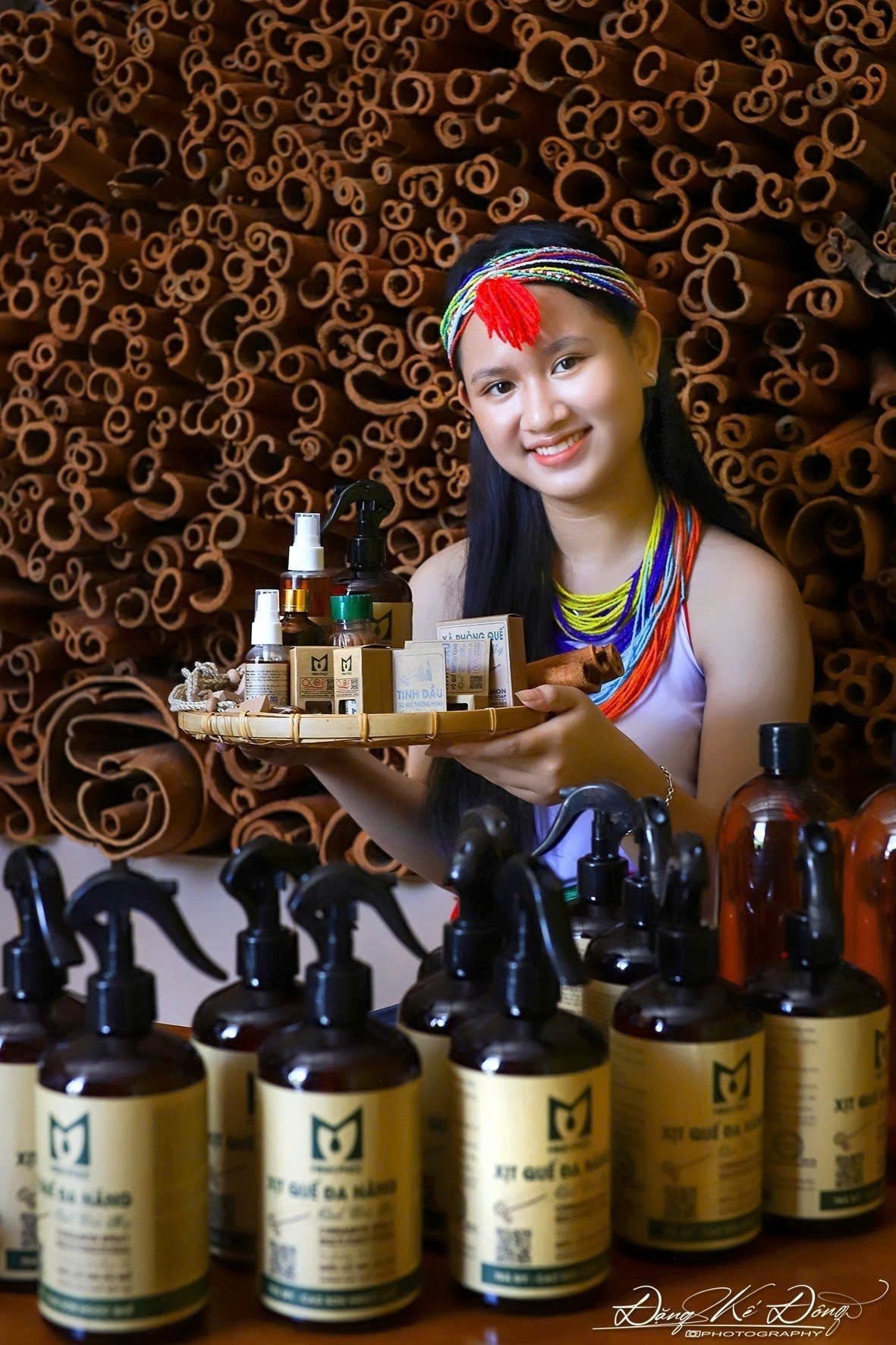
But now, that journey is changing. Along with the value of local agricultural products, cinnamon is being recognized as part of cultural memory, community livelihoods, and the hope for a tourism model based on local identity.
The journey of the cinnamon tree
For centuries, Tra My cinnamon has been an integral part of Central Vietnam's trade history. From the western forests of Quang Nam province, cinnamon traveled with merchants down to Hoi An, across the sea to many Asian and European markets. However, for a long time, cinnamon was primarily seen as a valuable forest product, a source of livelihood for mountain dwellers, rather than a cultural value capable of building a tourism brand.
According to numerous research documents, Tra My cinnamon was famous since the time of the Nguyen lords. Thanks to its high essential oil content and distinctive aroma, this type of cinnamon was considered a precious product used as tribute to the emperor, as a medicinal herb, and for trade. The trading boats that sailed up and down the Thu Bon River contributed to spreading the name of Tra My cinnamon beyond the mountainous region of Quang Nam province.
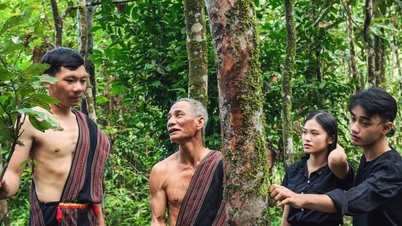
But behind that commercial value lies an entire cultural space of the indigenous people. For the Ca Dong, Xe Dang, and Bh'noong people, cinnamon is not just for sale. It is present in wedding ceremonies, in folk healing practices, in memories of farming seasons, and in the way people are connected to the forest.
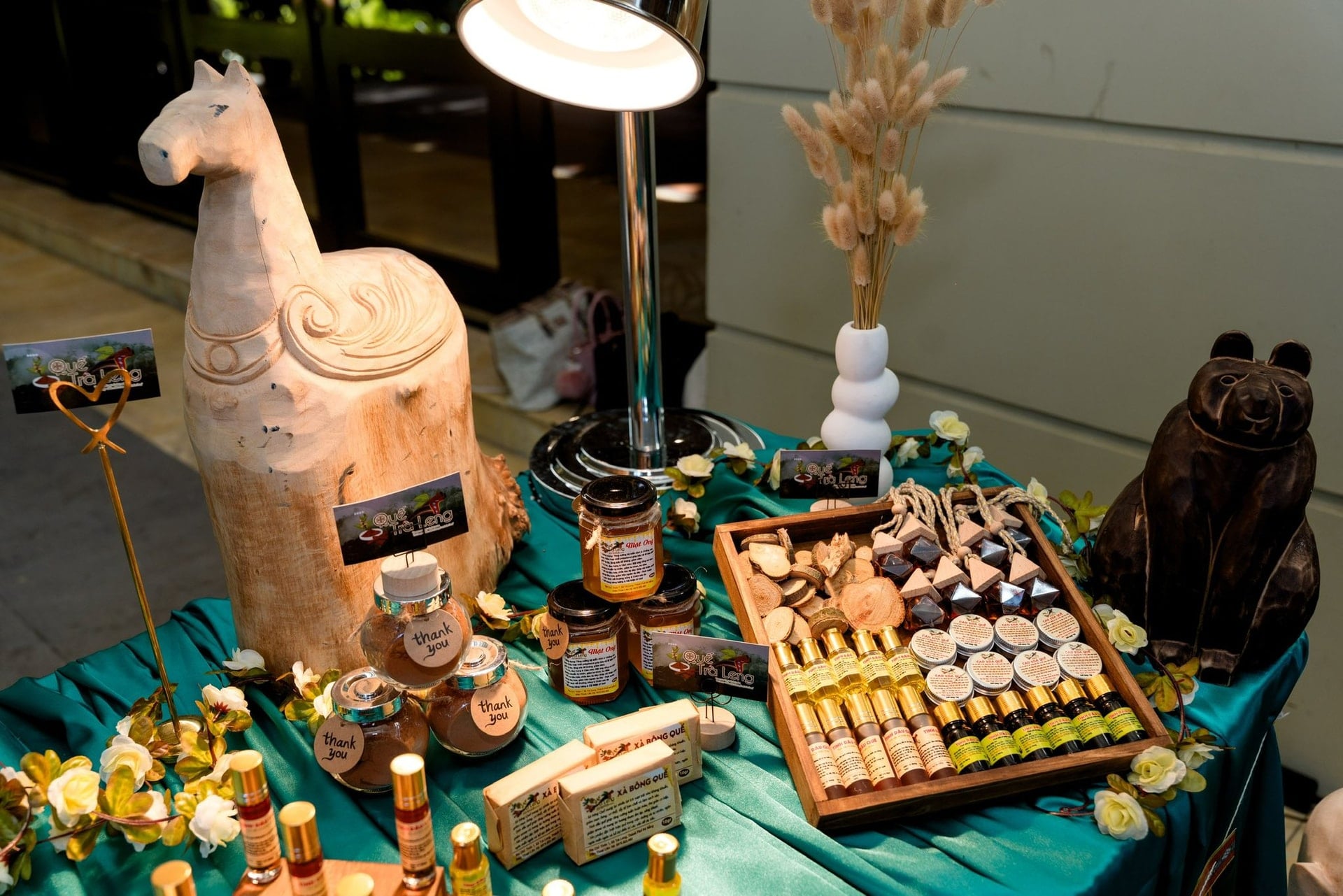
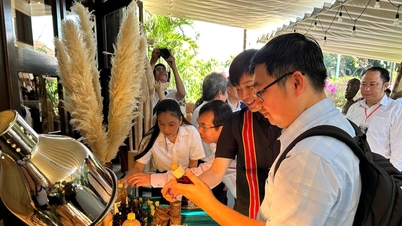
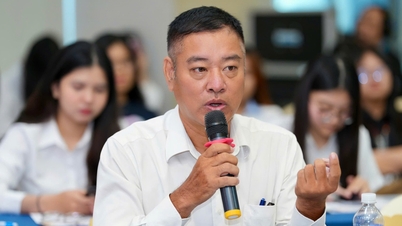
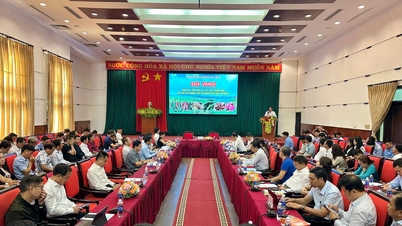
The workshop "The Tra My Cinnamon Journey - From Historical Value to Sustainable Development," recently held, addressed the question of how the scent of the forest can be transformed into a cultural experience compelling enough to attract tourists.
Trà My cinnamon has long been considered a type of cinnamon with a high essential oil content, a strong aroma, and significant medicinal value. But what attracts more attention from researchers lies in the cultural depth of this plant. Therefore, when cinnamon enters the tourism industry, the expectation is to transform a product into a "story."
According to the planning orientation, the Tra My cinnamon growing area aims to reach approximately 10,000 hectares by 2030, including stabilizing the raw material area at about 7,500 hectares and planting about 2,500 hectares of new trees. This is a sufficiently large scale to form a medicinal and aromatic plant growing area capable of competing if organized according to a synchronized value chain. Currently, the total cinnamon area in the region is about 3,000 hectares, only reaching about 30% of the planned scale. Nevertheless, initial results have been achieved in seed conservation through the recognition of superior trees, the conversion of seed forests, and the development of propagation models. Several cinnamon products such as cinnamon essential oil, cinnamon powder, and handicrafts have also been recognized under the OCOP program.
The scent of the forest
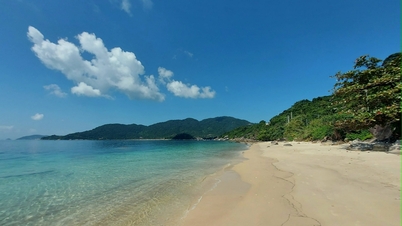
At a seaside resort in Da Nang, Tra My cinnamon has been used for nearly two decades as a "signature scent." Drops of cinnamon essential oil appear in the spa, guest rooms, and lounge areas, gradually becoming a part of the memories of international tourists when they recall their experiences in Central Vietnam.
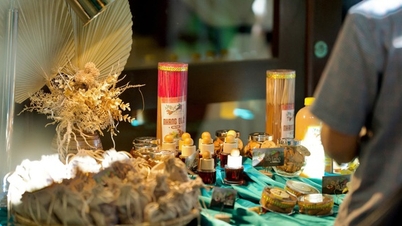
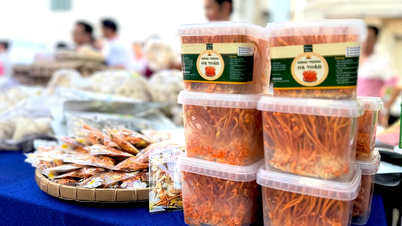
The noteworthy detail lies in how cinnamon is incorporated into the tourism experience. Not as a mass-produced souvenir, cinnamon is present in the form of cinnamon sticks instead of coffee stirrers, essential oils subtly permeating resort spaces, handcrafted soaps, wild honey, or health and wellness products imbued with the scent of the forest. There, cinnamon becomes a "story" being told in various ways. And when a product can tell the story of the land it originates from, its value begins to change.
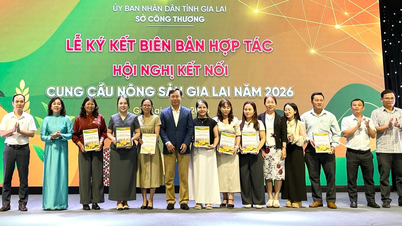
More notably, the journey of transforming cinnamon into a tourism product is no longer a one-size-fits-all approach. At the workshop "The Tra My Cinnamon Journey - From Historical Value to Sustainable Development," a collaborative model was formed to build a sustainable value chain for Tra My cinnamon.
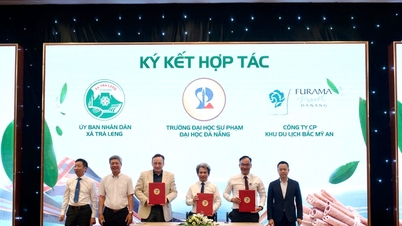
Accordingly, North My An Tourism Area Joint Stock Company (Furama Resort Da Nang), the People's Committee of Tra Leng Commune, the University of Education (Da Nang University), and the Da Nang Hotel Association are collaborating on a "three-party" model (state - local government; school - training and research institutions; and enterprise) to jointly develop products and support community livelihoods. Within the framework of cooperation, the parties commit to coordinating the development of raw material areas, providing technical support for cultivation and processing, developing brand identity, training local human resources, and expanding distribution channels and promoting products to domestic and international tourists.
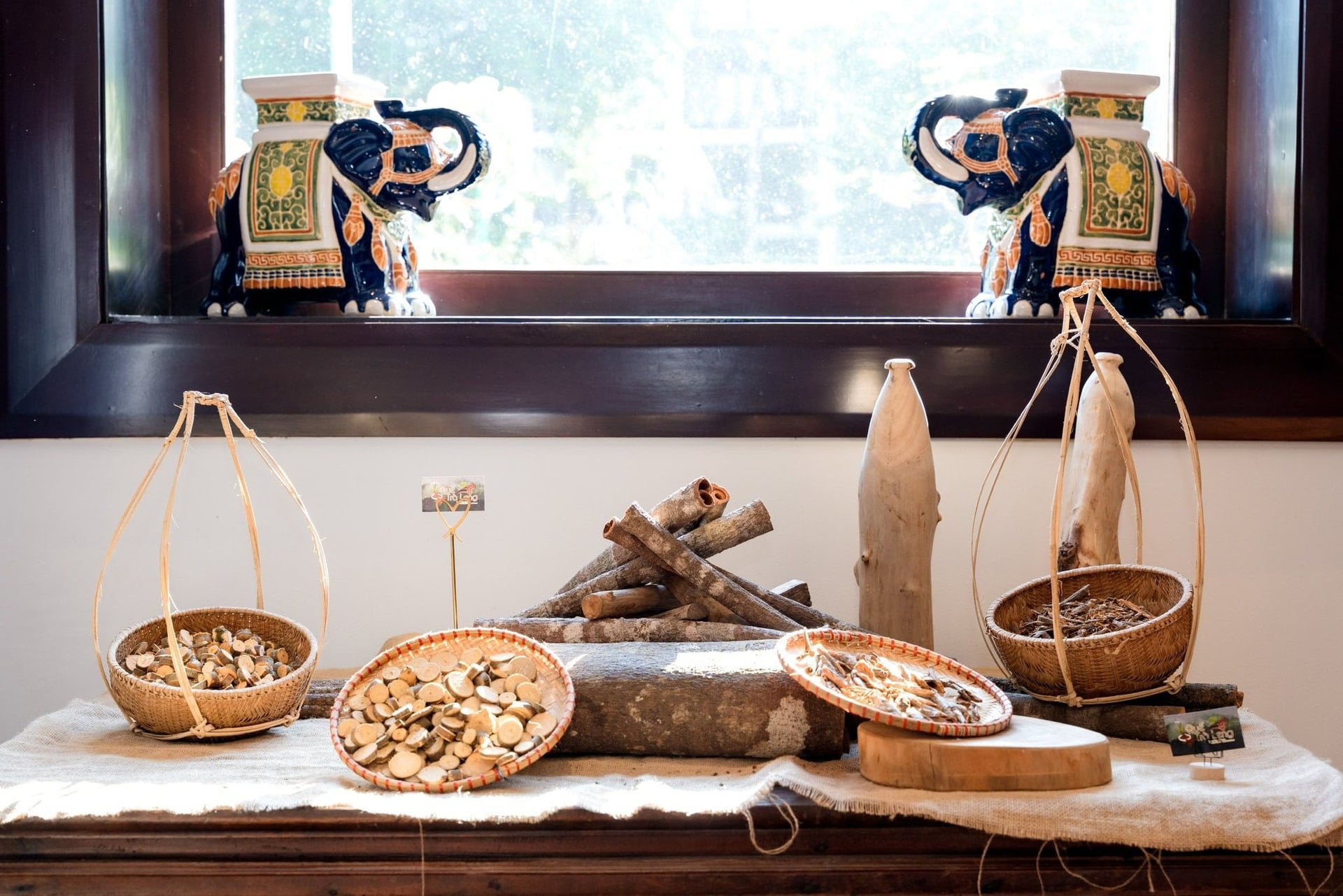
In conjunction with the program, Furama Resort Da Nang is committed to supporting the promotion and integration of Tra My cinnamon products into the resort's guest experience spaces; introducing handicrafts, cinnamon essential oil, cinnamon soap, scented candles, honey, and local agricultural products to domestic and international tourists. From a product of the mountains and forests, Tra My cinnamon now has the opportunity to enter the high-end tourism space of Furama Resort Da Nang, where every flavor and every local story can become part of a meaningful experiential journey.
The story of Tra My cinnamon illustrates a shift in the mindset regarding tourism development in Central Vietnam. Instead of simply exploiting the landscape, many localities are beginning to look at indigenous cultural resources as a long-term competitive advantage.
Source: https://baodanang.vn/huong-que-goi-ve-dai-ngan-3336992.html






















































![[INFOGRAPHICS] Strengthening the strategy for ethnic affairs work until 2030, with a vision to 2045](https://vphoto.vietnam.vn/thumb/402x226/vietnam/resource/IMAGE/2026/05/23/1779540129141_1779539919.webp)









Comment (0)