

Following the switch to titanium on the iPhone 15 Pro and iPhone 16 Pro, many sources suggest that Apple may return to aluminum on the iPhone 18 Pro and iPhone 18 Pro Max . However, not all leakers agree with that assessment.
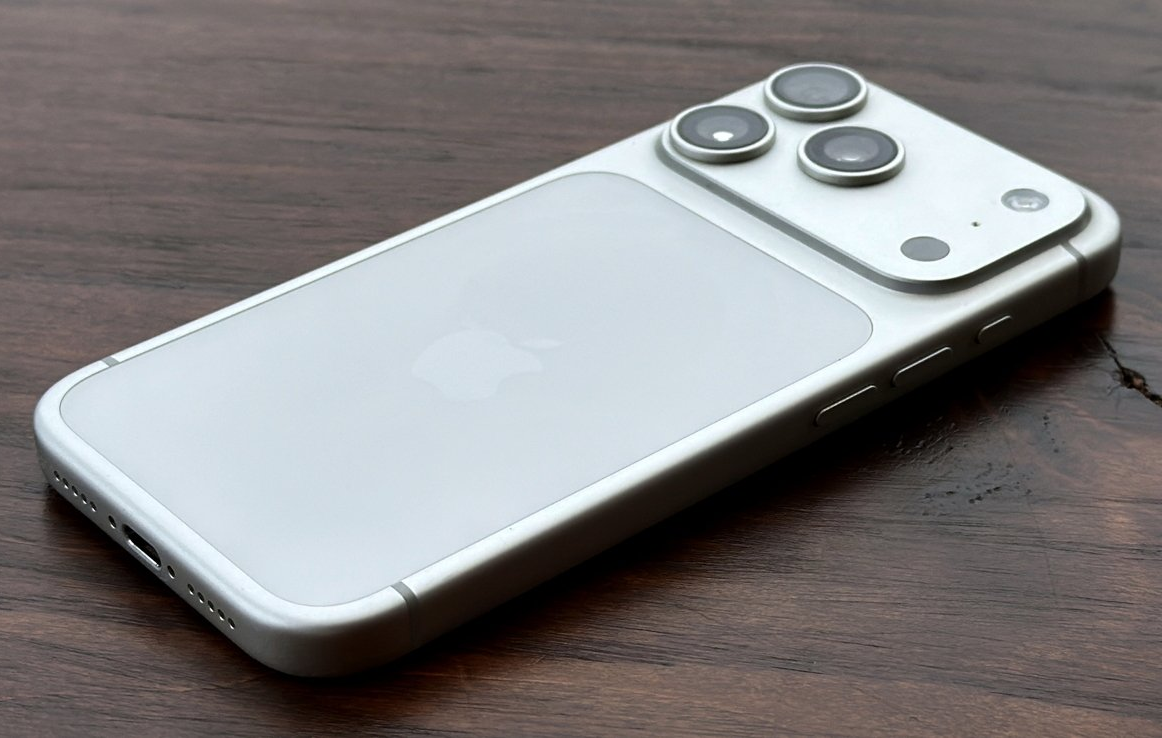
For many years, Apple has considered the materials used in the construction to be a core element in shaping the premium experience of the iPhone. Therefore, the question "Will the iPhone 18 Pro and iPhone 18 Pro Max use aluminum or titanium?" is becoming a hot topic of discussion in the tech community.
Apple may be saying goodbye to titanium.
In the latest wave of rumors, a well-known leaker on Weibo named Fixed Focus Digital stated that the likelihood of Apple returning to titanium for its high-end iPhone line is very low. According to this source, the company tends to continue prioritizing aluminum alloy due to its more efficient heat dissipation properties.
This argument is quite noteworthy in the context of Apple's push to advance its AI strategy on devices. As AI features increasingly demand greater processing power, temperature will become extremely important. A chassis with good heat dissipation capabilities will help the iPhone maintain stable performance over the long term, especially when running AI models directly on the device.

According to Fixed Focus Digital , this trend isn't limited to Apple but is also spreading to the Android market. Many smartphone manufacturers are reportedly considering prioritizing aluminum over titanium to improve heat dissipation for next-generation AI devices.
However, this leaker's accuracy is only average, similar to many other leak accounts on Weibo. Therefore, the above assessment may only reflect the general trend of the industry rather than definitive information about the iPhone 18 Pro .
Apple first introduced titanium to the iPhone with the iPhone 15 Pro series, replacing the stainless steel used in previous Pro generations. Upon its release, titanium was seen as a major breakthrough due to its ability to maintain high durability while significantly reducing the device's weight.
Compared to stainless steel, titanium is lighter but still strong enough to feel premium. This is why the iPhone 15 Pro and iPhone 16 Pro have received much praise for their solid feel in the hand, without being as heavy as previous generations.
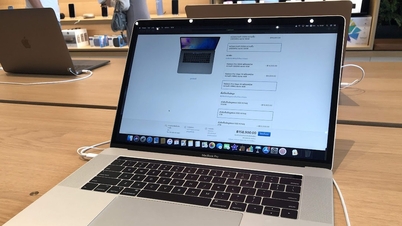
In fact, Apple has long been constantly changing materials to serve different technical goals. Previously, the company switched its MacBook line from plastic to aluminum to increase rigidity and improve build quality. Later, Apple used stainless steel for its high-end iPhone models because this material feels more luxurious and polished than aluminum.
Titanium continues to be a new step forward in that journey. But like all other materials, titanium also has its own weaknesses.
Why is Apple returning to aluminum?
Despite its premium appearance, titanium is far more difficult to machine than aluminum. The production costs are also higher, making manufacturing significantly more complex and expensive.
More importantly, titanium has poorer heat conductivity than aluminum. This is considered a significant issue in the context of increasingly powerful and power-hungry smartphones. Some previous reports suggested that the iPhone 15 Pro experienced overheating during heavy use, although Apple later released a software update to fix it.
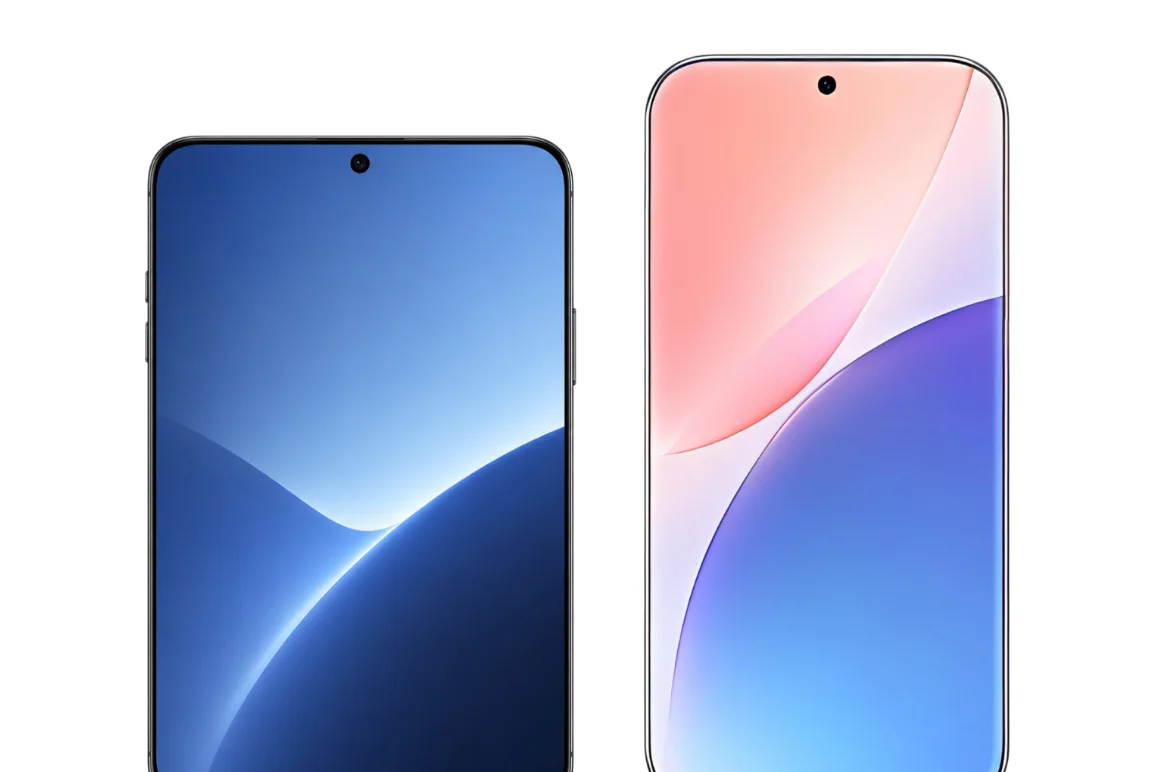
Meanwhile, aluminum offers significant advantages in terms of heat dissipation, light weight, and lower cost. This allows Apple to easily optimize a thin and light design while still ensuring stable performance.
If Apple truly wants to make AI central to future generations of iPhones, prioritizing a material that offers better thermal control makes perfect sense.
However, not all leakers believe that the titanium era is over. Earlier on May 17th, the Instant Digital account claimed that Apple was researching new titanium alloys for future iPhones.
This isn't too difficult to understand. Given Apple's enormous scale, the company consistently spends billions of dollars on research and development, including testing new materials. It's almost certain they're looking for ways to improve titanium to reduce production costs, increase heat dissipation, and optimize durability.
Apple rarely publicly announces plans to change materials before a product launch. However, history shows that the company always chooses materials based on technical goals and product strategy at each stage.
If Apple discovers a new titanium formula in the future that is lighter, cheaper, and has better heat dissipation, the possibility of this material returning to the iPhone is entirely plausible.
Currently, many signs indicate that aluminum is a more suitable option for Apple's development direction. As smartphones enter the AI era, the biggest priority may no longer be absolute luxury in appearance, but rather the ability to maintain performance, temperature, and battery life.
Titanium still holds strong symbolic value for the Pro line, but in the modern tech game, practicality is increasingly paramount. And at least for now, aluminum seems to be gaining the upper hand in the materials battle for the iPhone 18 Pro and iPhone 18 Pro Max .
(According to PhoneArena and MacRumors)
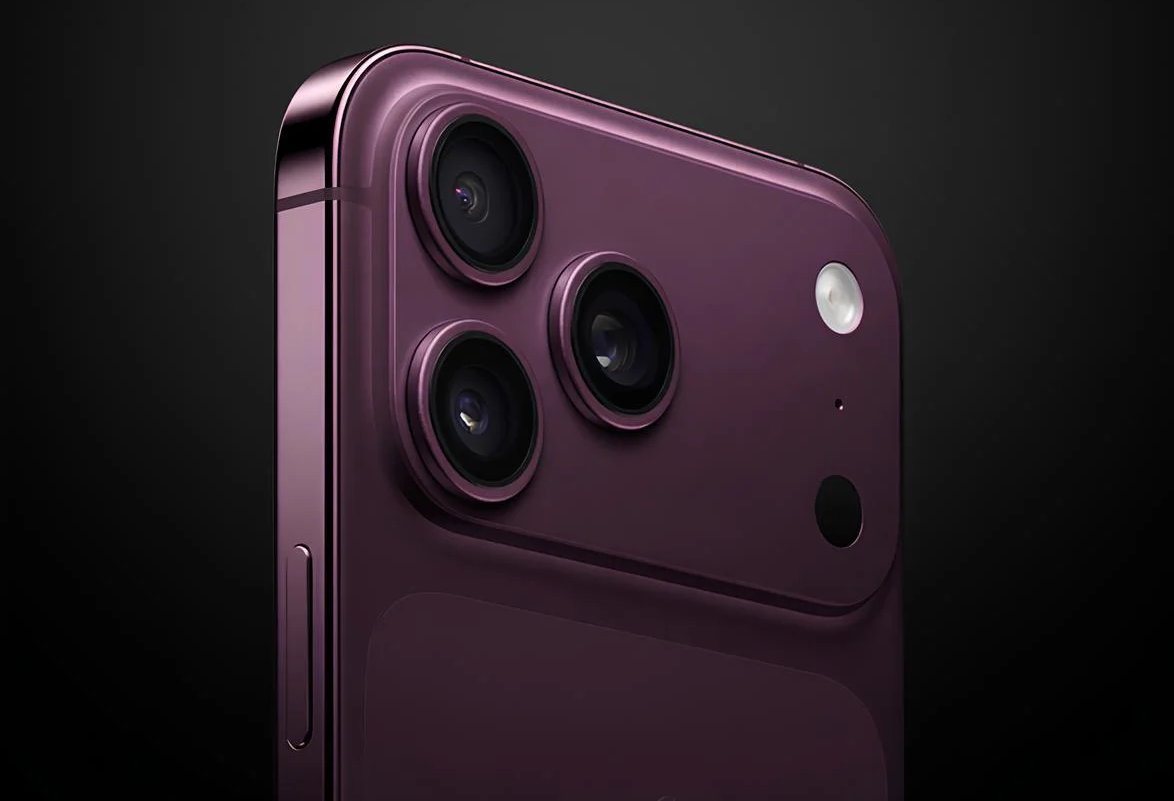
Source: https://vietnamnet.vn/iphone-18-pro-max-se-dung-khung-nhom-hay-titan-2519961.html




![[Photo] Standing Committee member of the Party Central Committee Tran Cam Tu working with the Central Inspection Committee](https://vphoto.vietnam.vn/thumb/1200x675/vietnam/resource/IMAGE/2026/05/28/1779969579668_ndo_br_bnd-2495-jpg.webp)
































































































Comment (0)