

 |
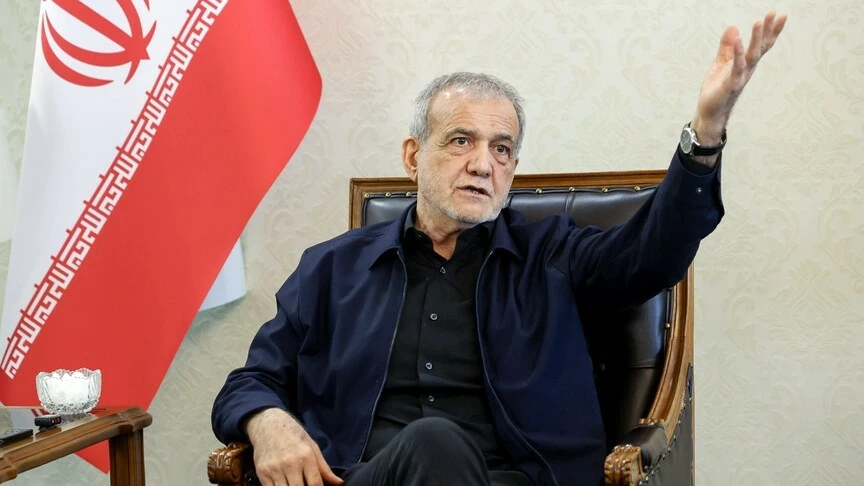
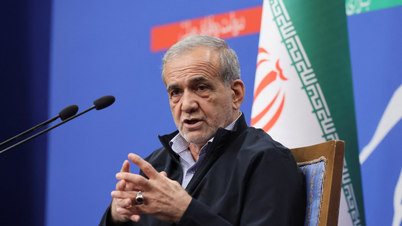
| Iranian President Masoud Pezeshkian. (Source: Anadolu) |
According to Anadolu News Agency, in a social media post, Mehdi Tabatabaei, Deputy Head of Communications of the Presidential Office, affirmed : "President Pezeshkian will not abandon his duty to serve the Iranian people," and emphasized that Tehran "will not retreat from the path of unity and solidarity."
The statement was issued after, on the same day, an opposition media outlet , Iran International , reported that President Masoud Pezeshkian had submitted his resignation to Supreme Leader Mojtaba Khamenei amid disagreements over governance and the distribution of power within the leadership. However, the Iranian government quickly denied this information.
According to Iran International, in his resignation letter, Pezeshkian expressed concern that the country's governance was gradually deviating from formal processes. The report also stated that the Iranian president was no longer fully involved in important decision-making and that power was increasingly concentrated in the military and security apparatus, particularly the Islamic Revolutionary Guard Corps (IRGC).
Conflicting reports emerged as Iran was conducting indirect negotiations with the US aimed at reaching an agreement to end the conflict. Iranian Foreign Minister Abbas Araghchi said that exchanges between the two sides were continuing, while warning against paying too much attention to speculative information regarding the negotiation process.
Regarding the progress of negotiations, Iranian media reported on May 31 that Tehran is preparing to propose amendments to the draft agreement being discussed with the US, after US President Donald Trump reportedly requested adjustments to some key provisions in the text.
The Tasnim news agency, citing sources familiar with the negotiation process, reported that the exchange of draft documents between the two sides is still ongoing and Iran does not consider the amendments proposed by the US side as the final text. The source emphasized that Tehran will make its own revisions and will only accept a document that meets Iran's interests and requirements.
The source also confirmed that Iran has prepared for all scenarios, including the possibility of negotiations failing and conflict reigniting. According to Tasnim , Tehran believes it is in a position to respond if necessary agreements with Washington are not reached.
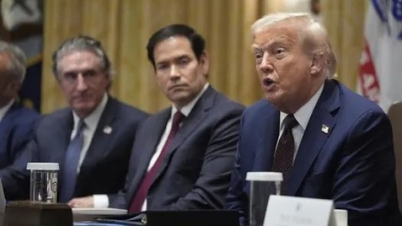
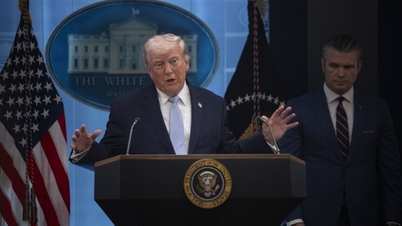
These statements were made after President Trump declared in an interview that the US was close to reaching an agreement with Iran, but left open the possibility of using military force if negotiations did not yield the desired results.
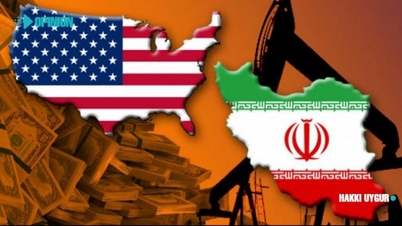
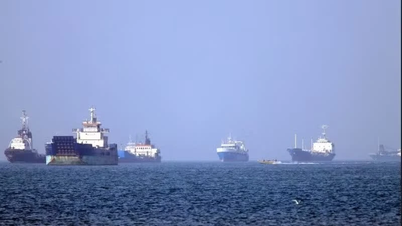
According to US and Israeli media sources, the two sides have recently come close to reaching a memorandum aimed at ending the conflict and extending the current ceasefire. The draft reportedly includes reopening the Strait of Hormuz, gradually lifting the blockade on Iranian ports, and partially easing sanctions.
However, several key disagreements remain unresolved. Prominent among these are the US demand for specific commitments regarding Iran's nuclear program, particularly the handling of existing enriched uranium, as well as Tehran's demand for the immediate release of approximately $12 billion in frozen assets following the signing of the agreement.
According to several sources, President Trump has requested revisions to the terms regarding the transfer of enriched uranium and the mechanism for reopening maritime traffic in the Strait of Hormuz. These adjustments are believed to have complicated the negotiation process, given that Tehran has yet to provide an official response.
Neither the US nor Iran has yet confirmed the specific contents of the draft agreement currently under negotiation. However, observers believe the coming days will be crucial for the prospects of reaching an agreement to end tensions between the two sides after months of conflict and military confrontation.
Source: https://baoquocte.vn/iran-noi-gi-ve-tin-don-tong-thong-tu-chuc-400425.html



![[Photo] General Secretary and President To Lam and the President of the Philippines hold talks.](https://vphoto.vietnam.vn/thumb/1200x675/vietnam/resource/IMAGE/2026/06/01/1780283481955_vna-potal-tong-bi-thu-chu-tich-nuoc-to-lam-va-tong-thong-philippines-hoi-dam-8797519-1429-jpg.webp)













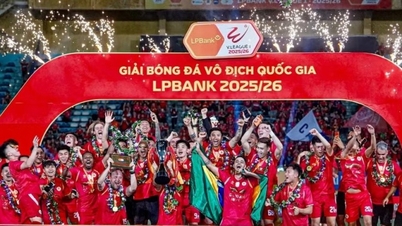
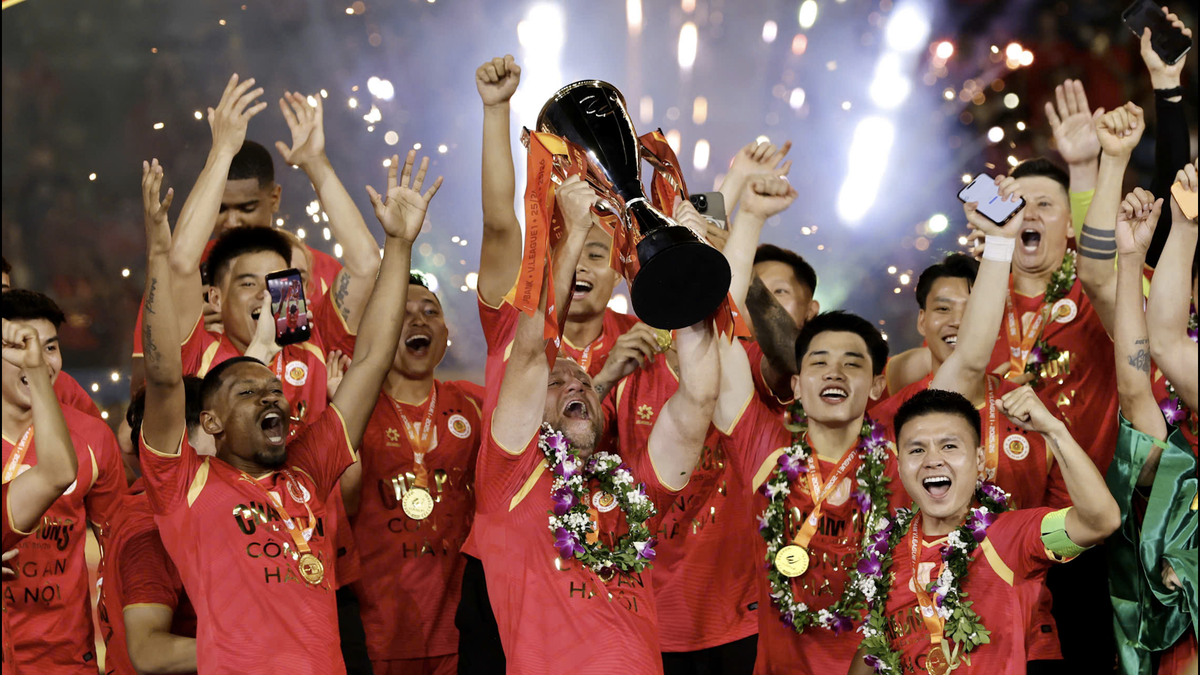
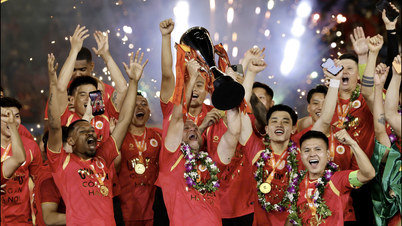
![[Image] Hanoi Police officially crowned champions of V-League 2025/2026](https://vphoto.vietnam.vn/thumb/1200x675/vietnam/resource/IMAGE/2026/05/31/1780244769054_ndo_br_039d561b692be875b13a-jpg.webp)
![[Photo] The General Secretary, President and his wife begin their state visit to the Philippines.](https://vphoto.vietnam.vn/thumb/1200x675/vietnam/resource/IMAGE/2026/05/31/1780230559452_anh-man-hinh-2026-05-31-luc-19-28-11.png)










































Comment (0)