

 |
Mobile phones in Vietnam have reached a new price level and are expected to continue rising in the near future. |
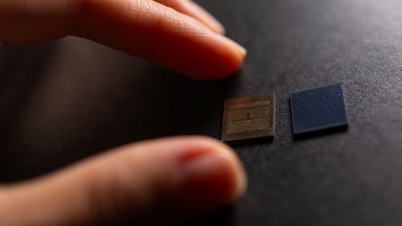
Since mid-2025, experts and market reports have mentioned that rising memory chip prices will impact end-user products. However, existing inventory and pre-planned production have kept the smartphone market in Vietnam relatively stable. Many computer components such as RAM and SSDs have already seen price increases.
However, at the beginning of this year, with the release of new models, users gradually saw the impact of the memory chip crisis. Experts believe that the previously competitive segments are no longer viable. The market will continue to adjust upwards to more expensive price points in the near future. Therefore, waiting for phone prices to drop is not a wise choice.
The era of cheap prices is over.
Since the beginning of the year, users who don't closely follow the market may be surprised by the prices of Android devices launched domestically. The highest level of volatility is seen in Chinese brands like Vivo and Oppo. These companies adjust prices across a wide range and with very large margins.
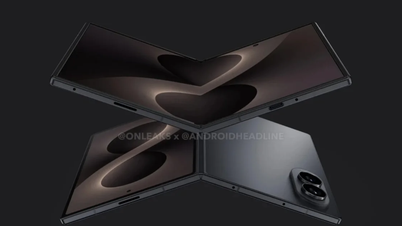
Flagship models like the Xiaomi 17 Ultra, Find X9 Ultra, and X300 Ultra have reached prices of 40-50 million VND. Notably, the foldable model Find N6 has seen a 40% increase compared to its predecessor, reaching 65 million VND.
"In fact, the upward price trend started earlier when Apple raised the price of the iPhone 17 Pro Max to 38 million VND in September 2025, an increase of about 10% compared to the stable price of the previous three years."
"By early 2026, major brands were all adjusting prices. The Galaxy S26 Ultra increased by nearly 10%, and the 1TB version increased by almost 17%. Chinese brands like Xiaomi, Oppo, and Vivo also increased prices from 4% to over 20% depending on the product code," Mr. Nguyen Lac Huy, media representative of CellphoneS system, told Tri Thuc - Znews.
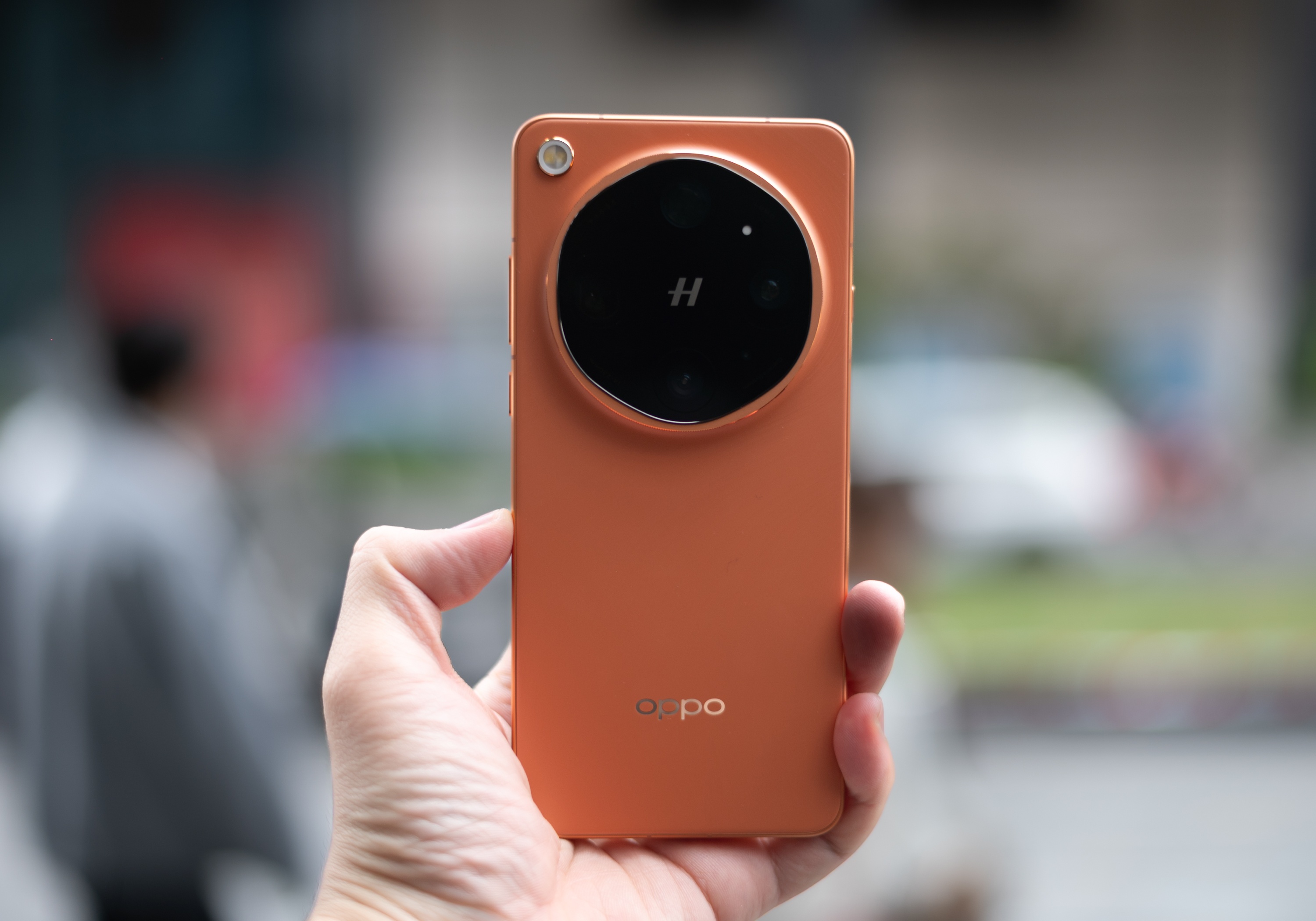 |
High-end smartphones are reaching the 50 million VND mark, like the Oppo Find X9 Ultra model that was launched in early May. |
Besides being clearly visible through the listed price, price increases also occur subtly in ways that customers rarely notice. Specifically, older products at the end of their lifecycle are often adjusted to clear inventory and attract buyers. However, the Vietnamese market is doing the opposite, with some older models not seeing any price reductions. Some manufacturers even release new versions, maintaining the same listed price but cutting down on specifications compared to the previous model.
New normal
Speaking to Tri Thức - Znews , Mr. Ly Trung Dung, Director of the Mobile Telecommunications and Accessories Division atFPT Shop, stated that smartphone prices have increased, but a new price level has not yet been established. The next trend is for prices to continue rising until the supply of memory chips stabilizes again.
According to forecasts, the nearest timeframe to achieve this is 2027. Some more "pessimistic" studies suggest the issue could extend to 2030. Therefore, a return to pre-2026 phone prices is unlikely in the short term.
At the product launch event on May 21st, Xiaomi's CEO issued a blunt warning to consumers. "If you plan to upgrade your phone next year, do it as soon as possible," Lei Jun said. This is a rare instance of a CEO publicly advising consumers to buy a product just before its price increases.
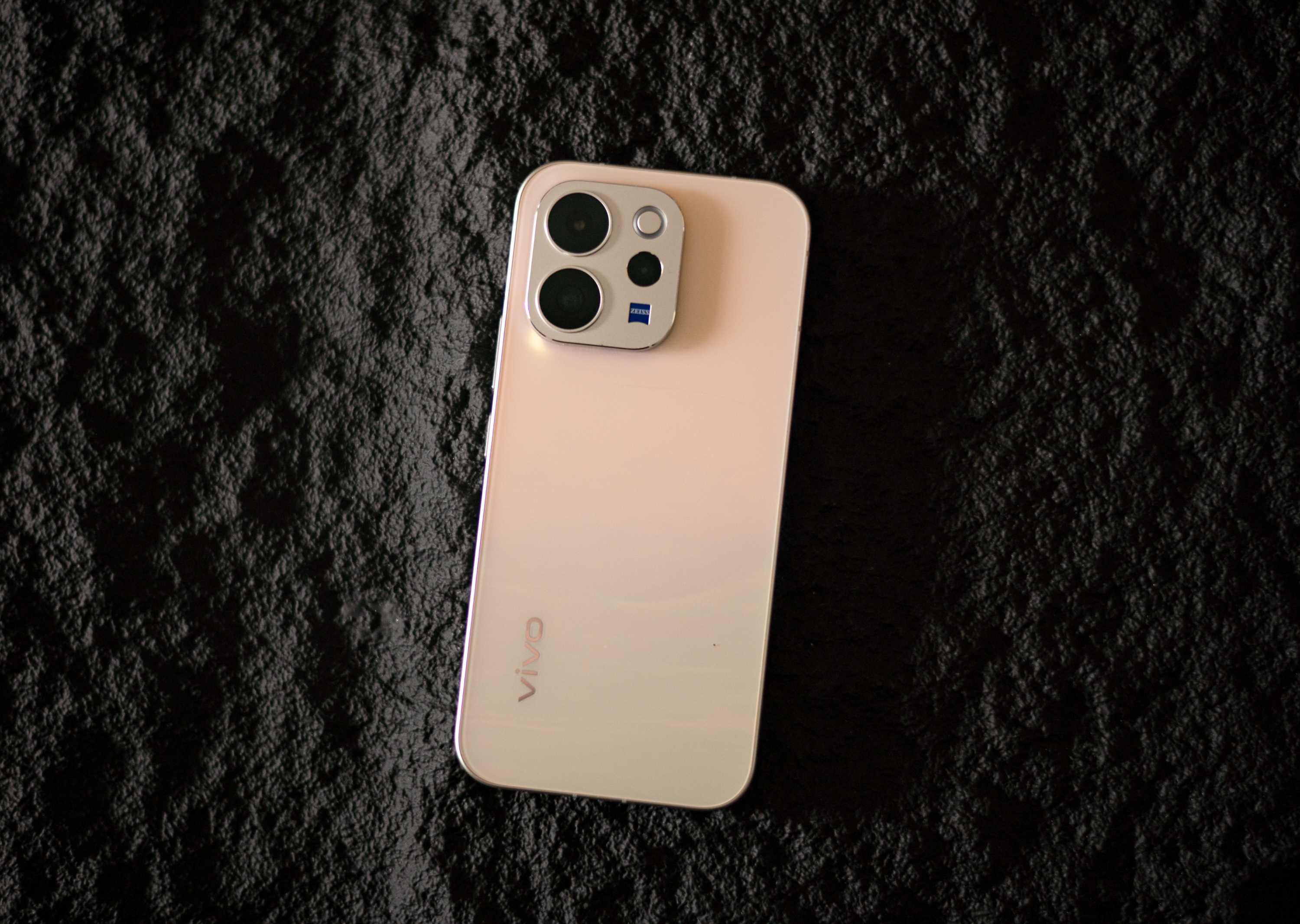 |
Mid-range products like the Oppo Reno, Vivo V, or Xiaomi T series will be upgraded to near-premium price points. |
It's not just Lei Jun; other high-ranking Xiaomi executives have also repeatedly signaled the company's difficulties. Lu Weibing, President of the REDMI brand, frankly admitted that the starting price of 2,999 yuan ( US$440 ) for the REDMI K90 Max sold domestically resulted in significant losses for the company. He predicted that from the second half of this year, some high-end smartphones in China would surpass the 10,000 yuan (approximately US$1,470 ) mark.
In Vietnam, Xiaomi's pricing strategy may need to change. The Xiaomi T Series, a line of mid-range devices, will follow the Xiaomi 17 series, filling the segment above 20 million VND. This is also the approach competitors like Vivo are taking with the V70 or Oppo's Reno model.
Due to market fluctuations in components, distribution plans have also been adjusted. The new trend favors shorter product lifecycles rather than prolonged shelf life that puts pressure on inventory. Sales and promotional programs are now focused on the initial launch phase.
Source: https://znews.vn/khach-viet-dung-mong-dien-thoai-giam-gia-post1654249.html



![[Photo] General Secretary and President To Lam presides over the meeting to approve the draft report on the results of the second inspection by the Politburo of the Standing Committee of the Hanoi City Party Committee.](https://vphoto.vietnam.vn/thumb/1200x675/vietnam/resource/IMAGE/2026/05/26/1779789811432_a2-bnd-4430-9620-jpg.webp)














































































Comment (0)