

Investors prioritize tangible exploitation value.
From the beginning of 2026 until now, Vietnam's tourism industry has experienced a significant surge in development. According to data from the Ministry of Culture, Sports and Tourism , in the first four months of 2026, the country welcomed approximately 8.79 million international visitors, a 14.6% increase compared to the same period last year and achieving about 35% of the year's target – the highest number ever recorded by the tourism industry during this period. Domestic visitors also reached approximately 40 million, equivalent to about 30% of the year's target.
The resurgence of the tourism industry has led to a positive recovery in the resort real estate segment. Data from the Ministry of Construction shows that in the first quarter of 2026, the country approved investment in 8 new projects, with a total investment of approximately VND 24,057 billion. Three new construction projects were licensed (300% compared to the fourth quarter of 2025). Currently, 30 projects are under construction nationwide, comprising approximately 3,318 tourist apartments and 491 tourist villas.
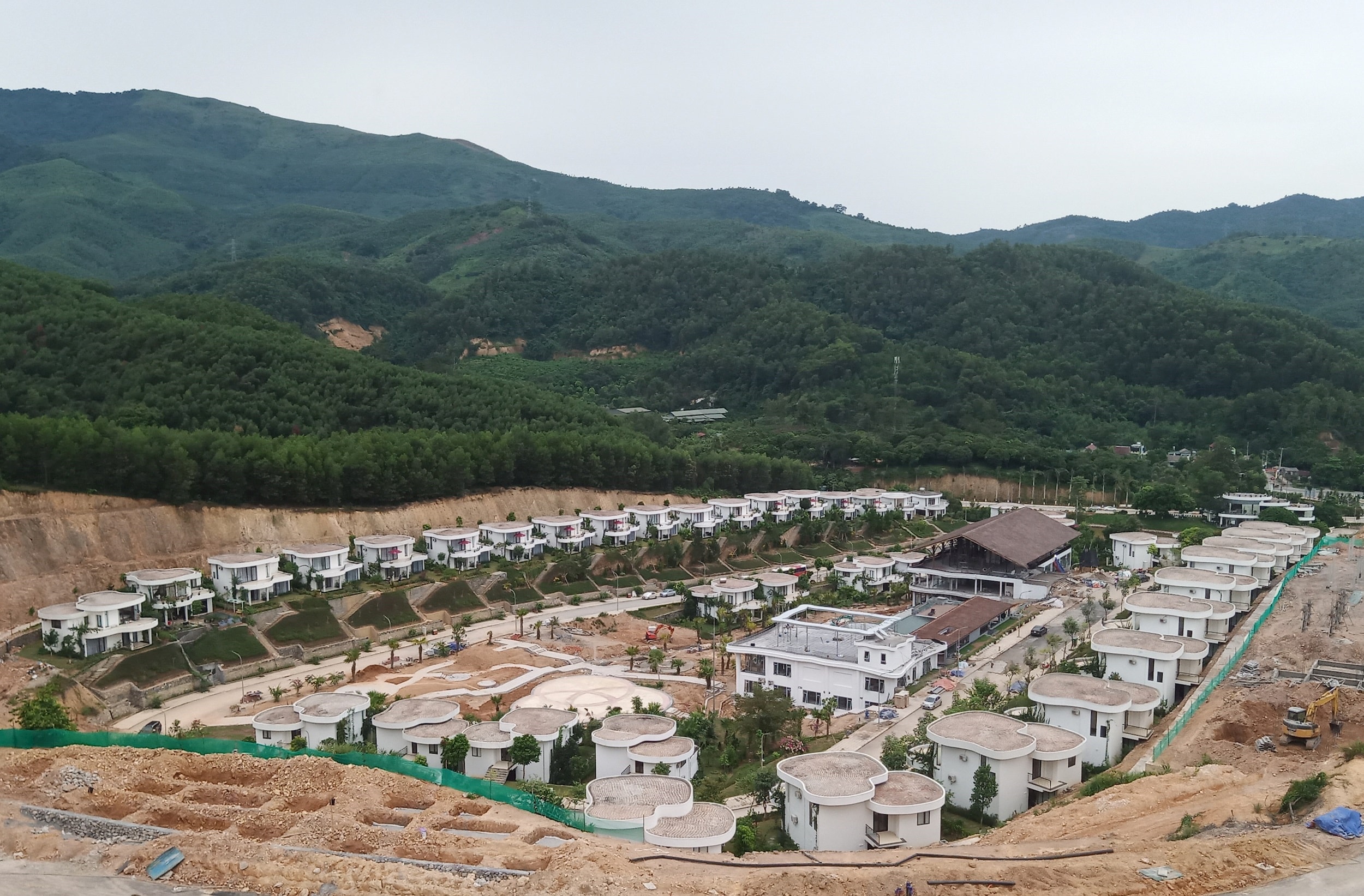
According to experts, previous periods of strong market growth saw a wave of investment in resort real estate based primarily on expectations of asset appreciation. However, after many fluctuations, investor sentiment has changed significantly; instead of chasing expectations of rapid price increases, many investors are now paying more attention to the practical exploitation potential of the assets.
This shift reflects the maturation of the market; investors are no longer as focused on fixed profit guarantees as before, but are more interested in actual operational capacity, the service ecosystem, and the ability to create experiences for tourists. Many resort projects that were once heavily promoted but lacked amenities and had low occupancy rates have gradually lost their appeal.
Meanwhile, integrated resort complexes with multiple amenities, capable of serving diverse customer groups and operating year-round, are recording more positive occupancy rates. Resort real estate is no longer simply a "second home," but is becoming a comprehensive service-based economic model. The value of the asset lies not only in ownership rights, but also in its ability to generate cash flow and enhance the user experience.
Operational efficiency has become a core element.
In the context of increasing competition, investors are also forced to change their project development strategies. Previously, many projects prioritized expansion and quick sales, but now long-term operational considerations are paramount. A successful resort project needs to meet many criteria simultaneously: a convenient location, good infrastructure connectivity, a diverse ecosystem of amenities, a professional management company, and the ability to adapt to new tourism trends.
Operational factors are becoming the top priority; a project that can attract guests year-round (all season) and generate stable revenue will be valued more highly than projects that only possess a prime location but lack sustainable exploitation capabilities. Instead of relying on seasonality as before, many projects are now being developed with a multi-functional approach to maintain a stable flow of guests throughout all four seasons.
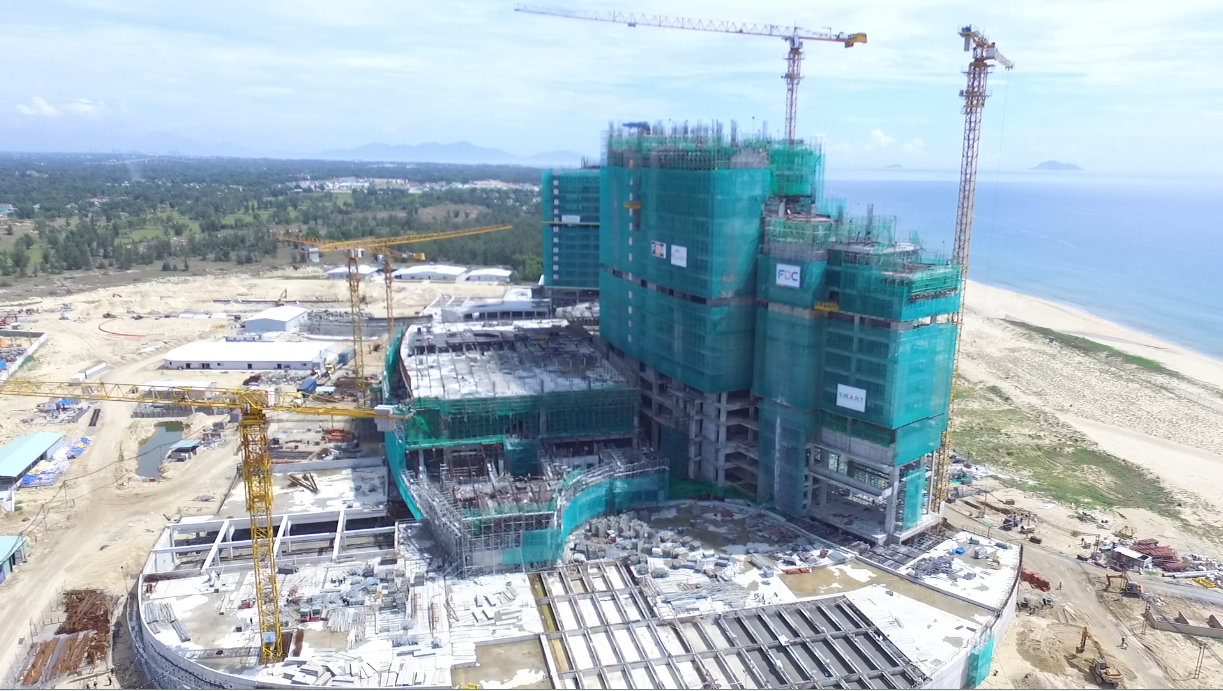
“Operational management capabilities are also considered a key factor in determining the effectiveness of a project. A project with a prime location but unprofessional operation will struggle to maintain stable occupancy rates and revenue. The market is currently entering a period of strong consolidation, and developers with a long-term vision, focusing on service quality and building a sustainable ecosystem will have more advantages in this new competition,” observed Dr. Tran Xuan Luong, Deputy Director of the Vietnam Real Estate Market Research Institute.
According to assessments, Vietnam's resort real estate market still has significant growth potential thanks to its tourism potential and rapid infrastructure improvements. However, for sustainable market development, it is necessary to shift from a product-selling mindset to developing a service ecosystem and creating real value. In this regard, businesses need to focus on researching customer needs, investing systematically in operations, and improving the quality of the customer experience. Simultaneously, they need to build long-term development strategies instead of focusing solely on short-term profits.
Experts also believe that the resort market will continue to be highly differentiated in the coming period. Projects with good locations, efficient operation, a stable flow of customers, and that meet new tourism trends will continue to maintain their attractiveness. Conversely, projects lacking amenities, relying on asset appreciation, or failing to generate real exploitation value will face many difficulties in attracting investors.
For the sustainable development of the resort real estate market, in addition to businesses paying more attention to operation and management, the government also needs to continue to improve the legal framework towards transparency and synchronized planning; localities need to focus on investing in tourism infrastructure, diversifying experiential products and developing the night-time economy... in order to increase the attractiveness of destinations.
“Vietnam’s resort real estate still has significant growth potential thanks to its abundant tourism resources and the increasing demand for leisure from the middle class, but it cannot develop in isolation from the tourism ecosystem. In this new phase, operation is no longer the ‘final step’ after investment, but must become a central element right from the project development process. This is the foundation for resort real estate to create sustainable value and enhance competitiveness in the market,” stated economist Dr. Vo Tri Thanh.
Source: https://hanoimoi.vn/khi-nang-luc-van-hanh-and-gia-tri-su-dung-len-ngoi-750754.html


![[Image] Close-up view of the interchange connecting the two expressways and Long Thanh Airport.](https://vphoto.vietnam.vn/thumb/1200x675/vietnam/resource/IMAGE/2026/05/25/1779703378210_ndo_br_z7863716673926-224453a31600126cce10622af6290afd-4549-jpg.webp)


![[Image] Hanoi's urban life under the challenge of a "scorching hot" environment](https://vphoto.vietnam.vn/thumb/1200x675/vietnam/resource/IMAGE/2026/05/25/1779706979265_nang-nong-t5-2026-minh-duy-7-4636-jpg.webp)



































































Comment (0)