

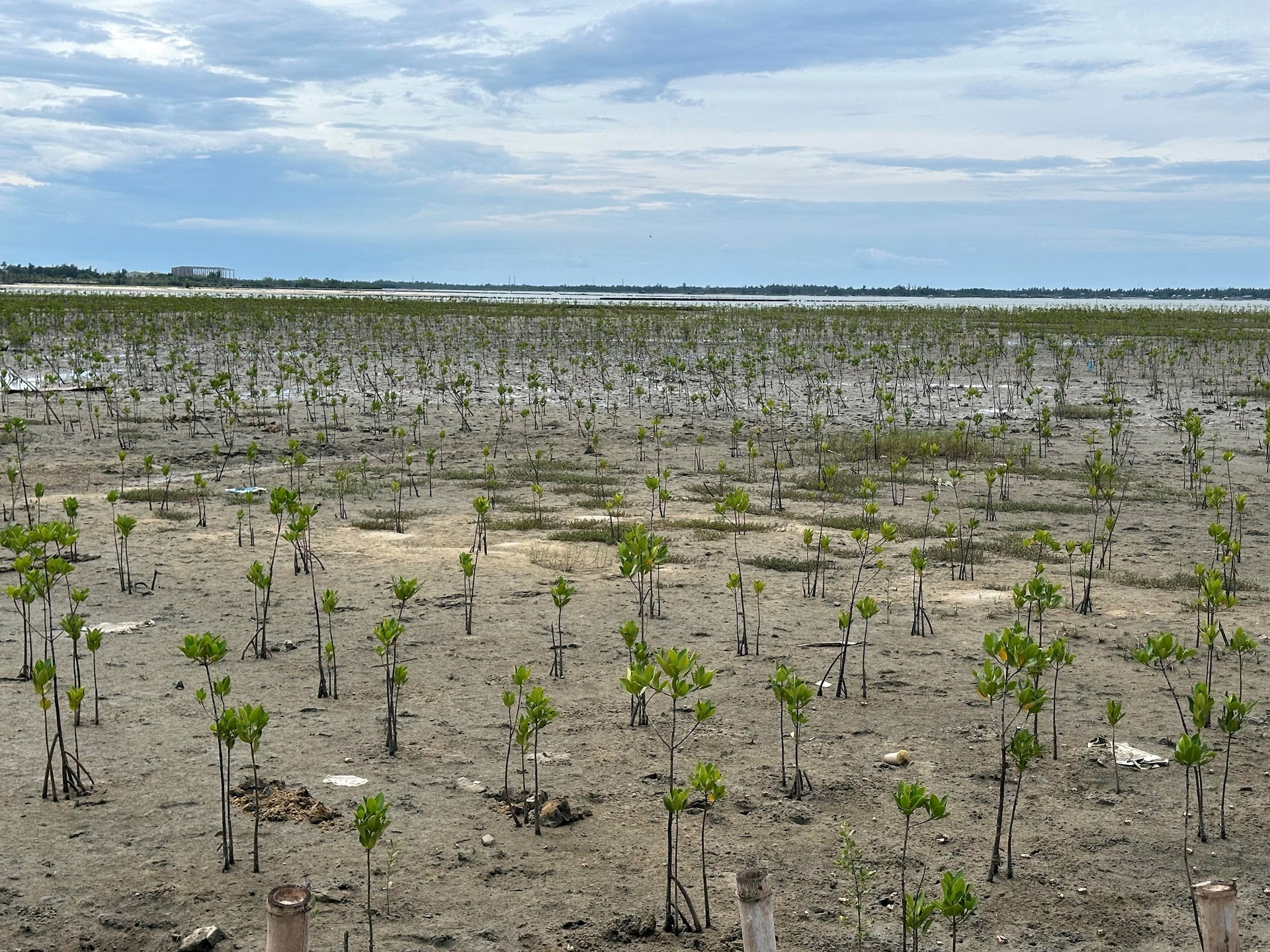
This means that every tree planted, every act of environmental protection... contributes to nurturing and creating a green living space.
Tree roots, water sources
These days, the "Loving Quang Land" Club is constantly busy. Members are working hard to finalize all preparations to mobilize students and residents in Nui Thanh commune to... plant trees in the sea. According to the club's leadership, this activity is in response to the "For a Green Vietnam" program and the policy of planting mangrove forests, developing a green dike to protect the sea and the ecological environment in Nui Thanh commune...
Forest planting is essential for land conservation. Mangrove forests are one of the key elements in preserving both water resources and land along the coastal areas. According to Mr. Tu Van Khanh, Deputy Head of the Da Nang City Forest Protection Department, the city currently has a total planned mangrove forest protection area of 304.52 hectares. National action programs on climate change adaptation in coastal areas consistently prioritize the protection and replanting of mangrove forests.
A green commitment is being formed as Da Nang plans to implement the project "Developing coastal tree species adapted to climate change in the period 2026-2030," which includes planting an additional 50 hectares of mangrove forests and developing 100 hectares of sand dune forests. This work requires the joint efforts of coastal reforestation communities with specific tasks, from planting and nurturing to restoration.
However, to maintain this "green lifeline," we need the combined efforts of people from all regions.
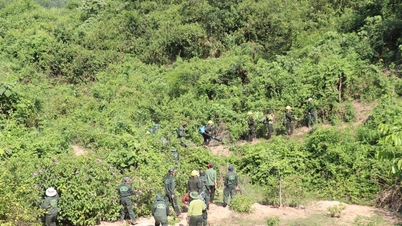
In Ta Lang - Gian Bi (Hai Van ward), many households involved in community tourism understand the value of the headwater forest very well. Mr. Truong Van My, a local resident who has participated in community tourism here for 6 years, said that in the past, many people viewed the forest only as a source of timber exploitation. But in recent years, as more tourists have come to experience nature, people have begun to see the forest and natural landscape in a different way. Each small effort, coupled with a growing awareness of the village's living environment, has preserved Ta Lang - Gian Bi as a special space.
According to Da Nang city's new direction, environmental awareness campaigns will be intensified directly in residential areas, schools, markets, religious establishments, and cultural neighborhoods; and will be combined with online platforms to create a more genuine impact instead of just short-term campaigns.
Cultivate green living habits.
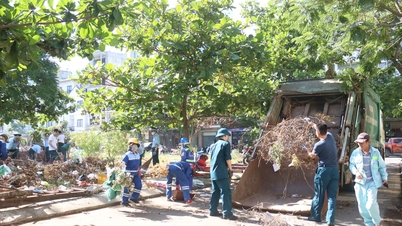
Not only in mountainous areas, but many urban residential areas are also developing small-scale initiatives to preserve the living environment. In some coastal areas of Son Tra ward, neighborhood groups are encouraging residents to reduce single-use plastic waste in daily life and during community ceremonies. Many roads are being replanted with native trees instead of short-lived trees that are only used for landscaping.
Ms. Tran Thi Hoa, a resident of An Hai Bac, believes the biggest change lies in community awareness. “Before, many people thought throwing a few plastic cups or plastic bags down the drain was harmless. But now everyone sees that every heavy rain washes the streets full of trash, clogs the drains, and causes flooding. Therefore, we have to change starting with small things,” Ms. Hoa said.
According to environmental experts, modern cities need not only large parks but also "small habitats" interspersed within residential areas.
These could be green spaces, small lakes, natural riverbanks, or areas that still retain their native ecosystems. These spaces help regulate temperature, retain rainwater, and provide habitats for birds, insects, and many small organisms. In the context of rapid urbanization, these small natural landscapes are most likely to be leveled or replaced by concrete.
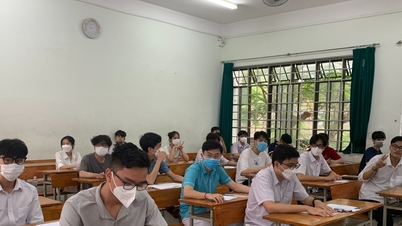
Instilling a green lifestyle also means organizing practical environmental education for students. Students participate in caring for the school garden, sorting waste, or learning about the local ecosystem through experiential activities.
Ms. Nguyen Thi Huong, a teacher at Le Hong Phong Secondary School (Tam Ky Ward), believes that children only truly develop an awareness of protecting nature when they have direct contact with their surrounding environment. "If we only teach theory, it's very difficult for them to imagine what biodiversity is. But when they plant trees themselves, take care of a small garden corner, or observe birds in the schoolyard, they will have a stronger sense of responsibility and awareness for preserving nature," Ms. Huong said.
Many schools are now also beginning to restrict the use of single-use plastic bottles, encouraging students to bring their own water bottles and organizing activities to exchange waste for plants. According to local education authorities, the inclusion of biodiversity conservation content in extracurricular activities will continue to expand in the future, linking it with experiences in nature reserves, rivers, streams, and suburban ecological areas.
From consumer behavior to participation in environmental protection activities, day by day, we will form green living habits to create a green Vietnam.
Source: https://baodanang.vn/khong-gian-song-xanh-3337826.html

![[Photo] General Secretary and President To Lam presides over the meeting to approve the draft report on the results of the second inspection by the Politburo of the Standing Committee of the Hanoi City Party Committee.](https://vphoto.vietnam.vn/thumb/1200x675/vietnam/resource/IMAGE/2026/05/26/1779789811432_a2-bnd-4430-9620-jpg.webp)


















































































Comment (0)