

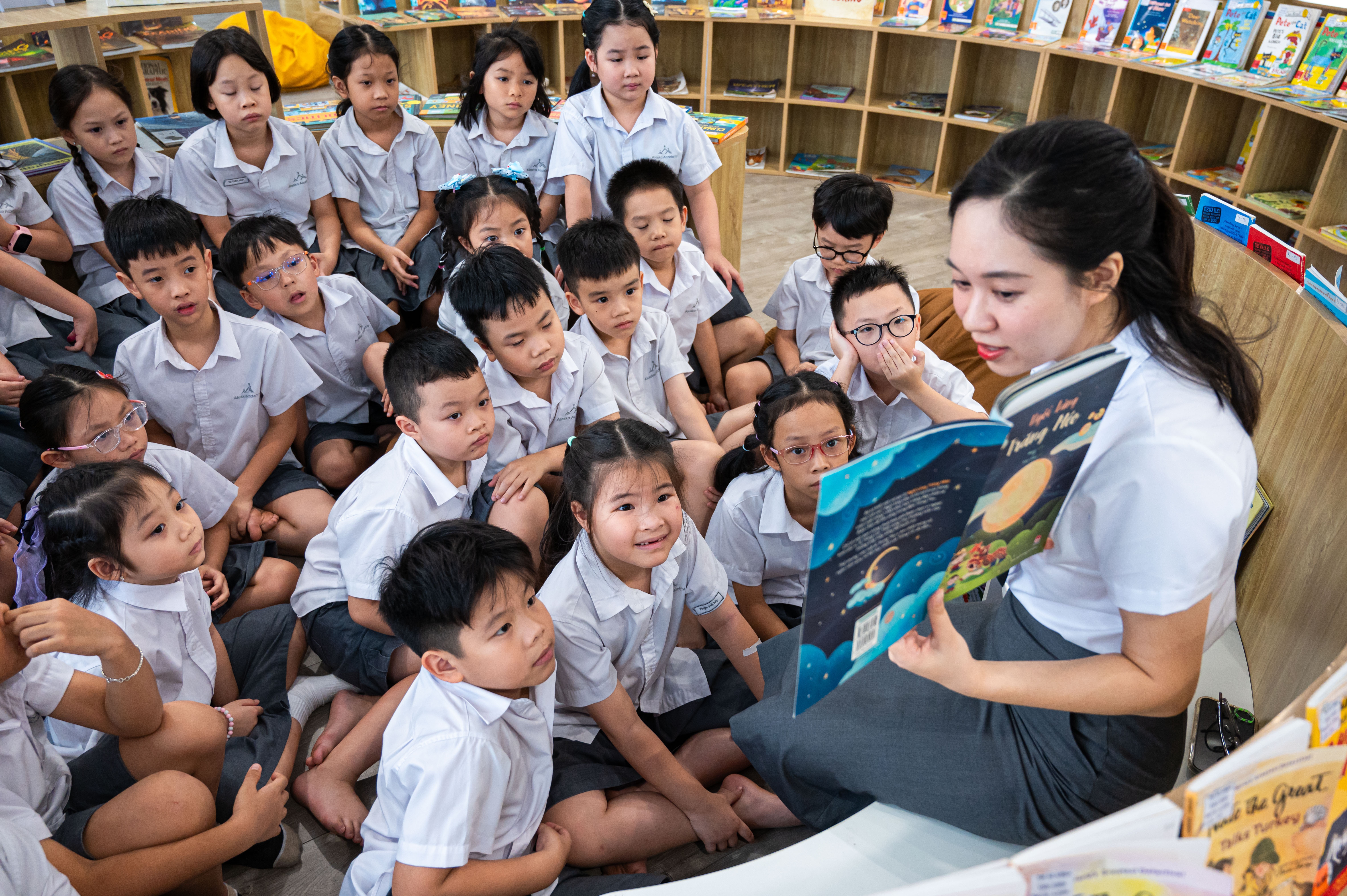
"Some of the goals of education are to develop well-rounded individuals (body, mind, spirit, intellect, morality, physical fitness, aesthetics, being a good person, a good citizen, a good professional…), helping people to continuously develop and mature. Reading is one of the most effective ways for each person to self-liberate themselves," affirmed educator and Doctor Gian Tu Trung, Director of the IRED Institute of Education.
Reading is a journey of self-liberation.
According to him, to escape the situation of "producing many books but few buyers," publishing industry development policies need to start with people and their actual needs so that reading becomes a journey of self-liberation.
Sharing the same view, Dr. Nguyen Thi Ngoc Minh ( Hanoi Pedagogical University) emphasized that in a turbulent era, reading skills are essentially a "weapon" for survival, helping each individual master knowledge and maintain the ability to learn throughout life.
Experts expect that the spirit of promoting a reading culture as outlined in Directive 04-CT/TW will continue to be concretized in upcoming policies, especially in the process of amending the 2012 Publishing Law, in order to create a legal foundation for the development of a reading and learning ecosystem in society.
In a context where the best knowledge and up-to-date information are primarily found in books, failing to maintain a reading habit will limit individuals' and nations' opportunities to access knowledge.
Experts believe that the most sustainable purpose of reading is learning, and support for the book industry must be aligned with the goal of creating holistic human values. If separated from the aspiration to raise public awareness and the need for learning, reading promotion policies will easily become merely superficial, producing many books but few people accessing them.
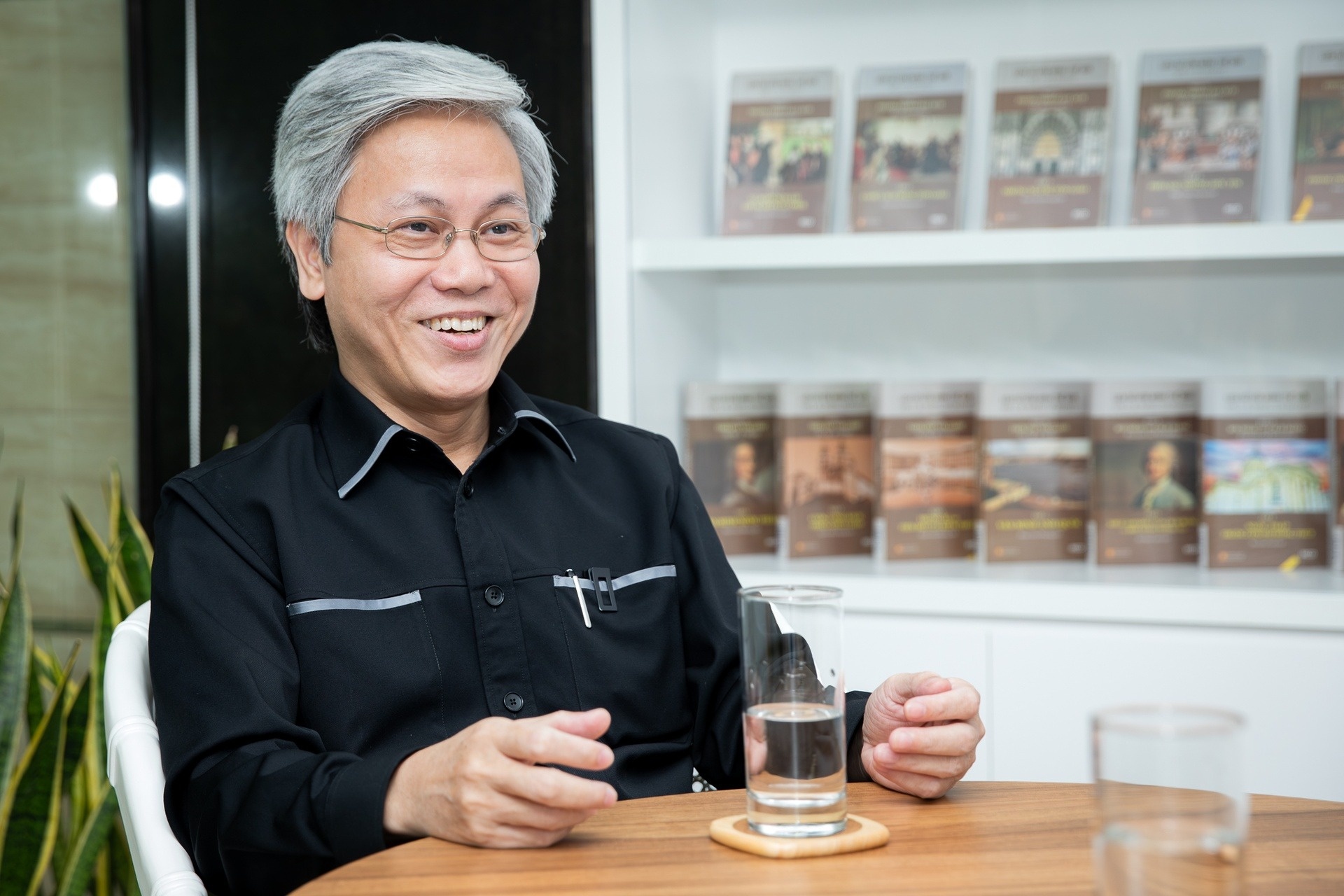 |
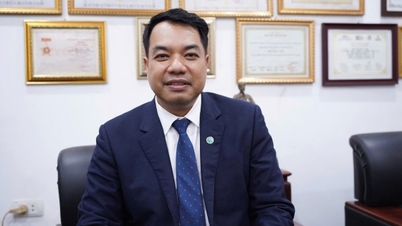
Educator and Doctor Gian Tu Trung emphasized that "promoting reading should be linked to promoting learning." Photo: IPL . |
Dr. Gian Tu Trung emphasized the organic relationship between reading and individual growth: "Promoting reading should be linked to promoting learning, and promoting learning should be linked to the aspiration for intellectual development, business acumen, and educational knowledge. Because if it's separated from promoting learning, promoting reading will lose much of its meaning; and if reading promotion is limited, even if many books are produced, few people will buy them."
Sharing the view that reading is key to education, Dr. Nguyen Thi Ngoc Minh believes that in a turbulent era, self-learning has become a survival skill. However, reality shows that students today do not lack books, but rather lack the skills to grasp the true value from the pages. Introducing reading sessions into the school system is expected to address this "bottleneck," helping readers master reading strategies to sharpen their thinking abilities.
"No school can teach us everything we need for life, and no teacher can accompany us throughout our entire lives, but with good reading skills, we can absolutely learn everything on our own," she shared.
Building a network of connections and knowledge infrastructure.
To promote a reading culture that permeates daily life, experts recommend a shift in approach to future policies. Establishing legal status for modern cultural institutions such as book streets, open libraries, and community reading spaces will facilitate the natural dissemination of knowledge based on real needs, rather than through imposition. This is the foundation for building a lifelong learning society.
Dr. Gian Tu Trung argues that for reading to truly become part of education, the approach needs to shift towards focusing on people, their work, and their actual learning needs, rather than starting with books. According to him, reading is not the starting point but the result of a conscious learning process.
“For many years in education, I have often shared a very simple model called the ‘5-Step’ Reading Promotion Model, which is: (1) Position to be held; (2) Work to be done; (3) Required competencies; (4) Knowledge to be learned; (5) Books to be read,” he said.
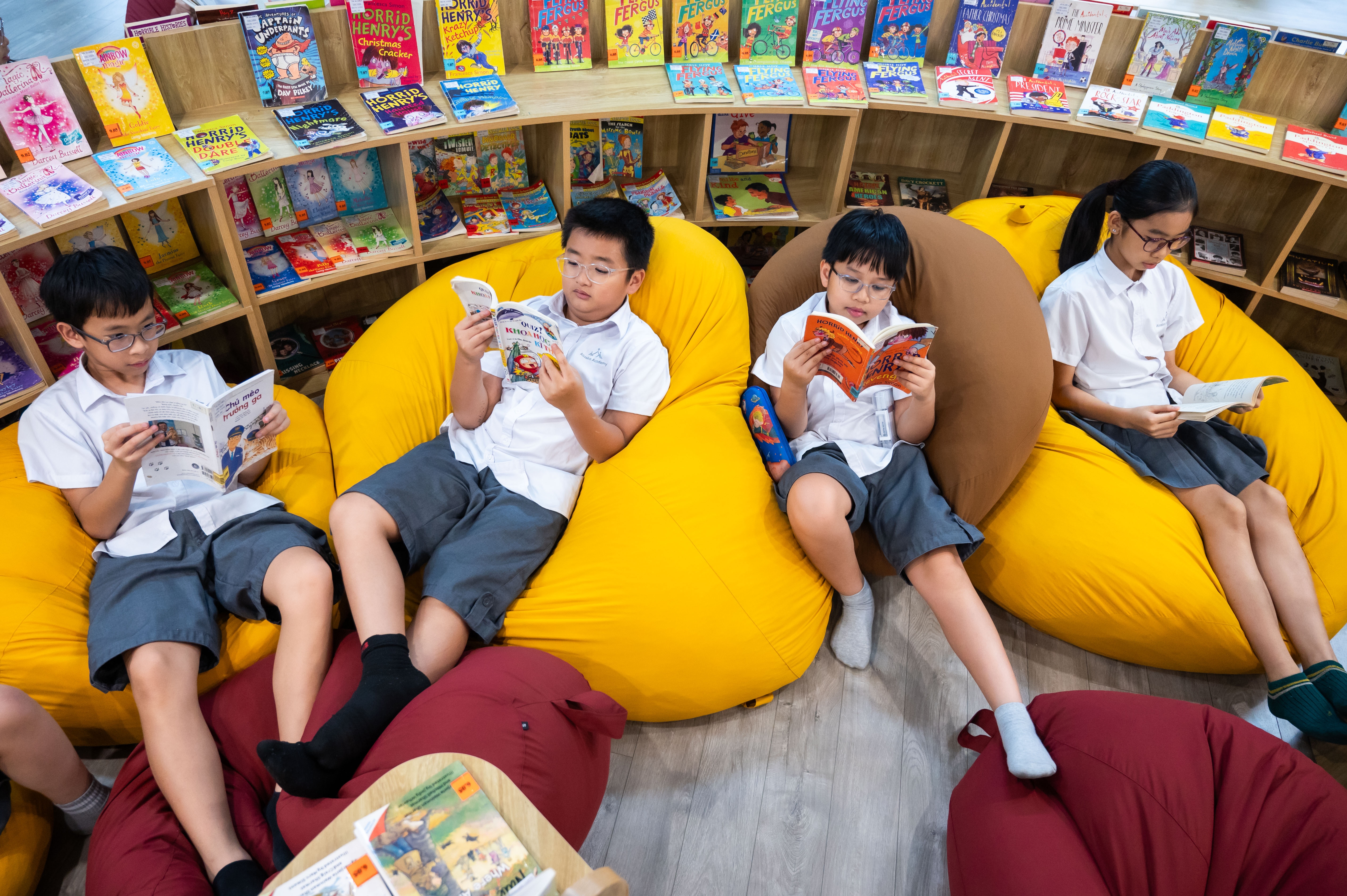 |
| Educator Gian Tu Trung believes that promoting reading should begin with the learners themselves, considering their roles, jobs, and the skills they need to develop. Photo: Dinh Ha. |
Educators believe that to encourage reading in someone, we first need to clearly identify their position and profession. What tasks do they perform in that position? What skills do they need to perform those tasks correctly, effectively, and well? What do they need to learn and acquire to acquire those skills? And to learn and acquire that knowledge, what do they need to read? What books should they read?
Thus, reading becomes a destination for conscious learning needs. Following this logic, reading becomes a natural need; learners will ask themselves, "What do I need to read to do my job better?" instead of wondering "What should I read?" as before.
Furthermore, according to Dr. Nguyen Thi Ngoc Minh, building a strong network of linkages between the "four stakeholders" (publishers, bookstores, public libraries, and schools) is essential. Given the intense competition from passive forms of entertainment on digital platforms, the book industry needs policies to support translation, promotion, and the formation of a professional team of "teacher-librarians" to guide students to the world of knowledge. This linkage not only protects copyright but also acts as a "cultural filter" to encourage the distribution of valuable books.
She emphasized: "Given the intense competition from the entertainment world and electronic devices, which are increasingly drawing children into passive information consumption habits, we need to do more, delve deeper, and connect more closely with each other."
Two education experts agree that repositioning the role of publishing in relation to reading culture in the upcoming revised Publishing Law is not just an administrative matter, but a strategic step to leverage national strength. When recommendations on reading skills and networking are flexibly codified into law, Vietnam will possess a solid knowledge base for deeper integration with the world.
Source: https://znews.vn/khuyen-doc-phai-gan-voi-khuyen-hoc-post1653803.html





![[Photo] General Secretary and President To Lam presides over the meeting to approve the draft report on the results of the second inspection by the Politburo of the Standing Committee of the Hanoi City Party Committee.](https://vphoto.vietnam.vn/thumb/1200x675/vietnam/resource/IMAGE/2026/05/26/1779789811432_a2-bnd-4430-9620-jpg.webp)













































































Comment (0)