

Connecting academic knowledge with local practice through the "three-party" model and digital technology is a groundbreaking approach in training cultural human resources at universities in the Central and Central Highlands regions . This method not only helps students master practical skills but also affirms the role of the university in preserving and promoting the value of national heritage in the new era .
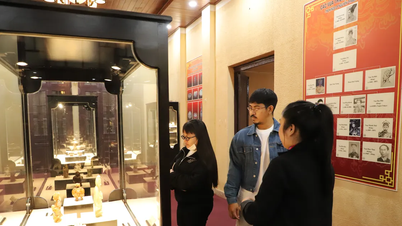
Engaging teaching materials based on real-world examples.
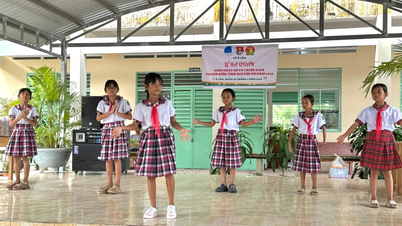
Human resource training for the cultural sector is being rewritten by higher education institutions right on heritage routes, in remote villages, and even in the digital space. The key to this change is the "three-party" linkage model: School - Government - Community, extending the classroom to the core of cultural values. In this ecosystem, the school plays the role of equipping students with knowledge; the local government provides support mechanisms; and the community is the "living resource" that helps students apply their knowledge to practice.
The cooperation agreement between the University of Education - Da Nang University and the Management Board of the Cu Lao Cham - Hoi An World Biosphere Reserve opens up a multi-dimensional space for collaboration in training and research. The cooperation focuses on environmental resource research, ecosystem assessment, biodiversity conservation, and community education. Through workshops and scientific publications, research results are translated into practice, contributing to bringing knowledge closer to society.
The highlight of this collaboration is the internship and experiential programs for students in Cu Lao Cham - Hoi An, considered an "open classroom," where learners directly participate in surveys and learn about conservation activities and community tourism operations. Knowledge is therefore not limited to theory but is verified through experience. Students gradually develop skills in working with the community, understand how a biosphere reserve operates, and the relationship between conservation and development. Professional competence and practical thinking are thus more clearly formed.
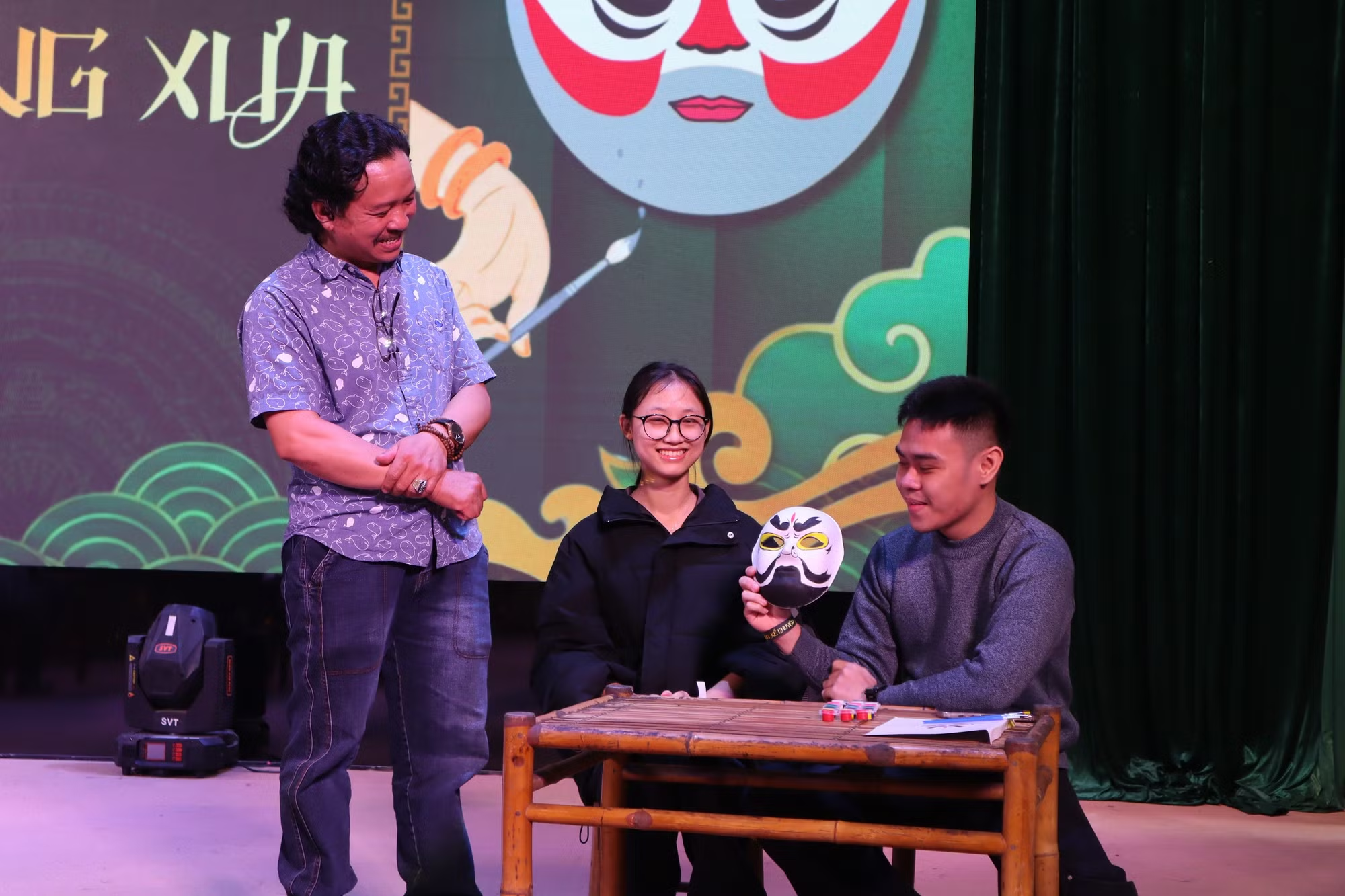
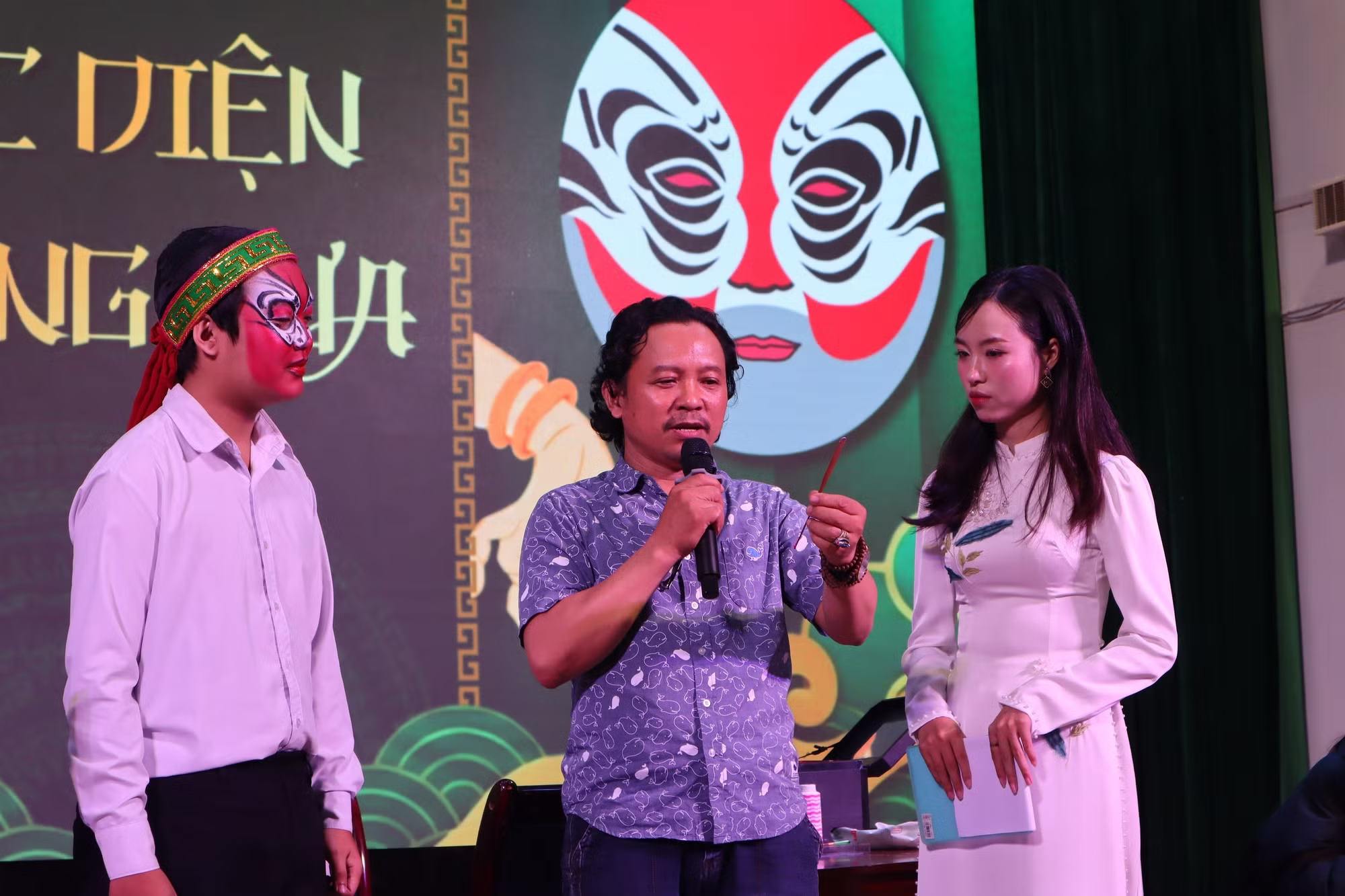
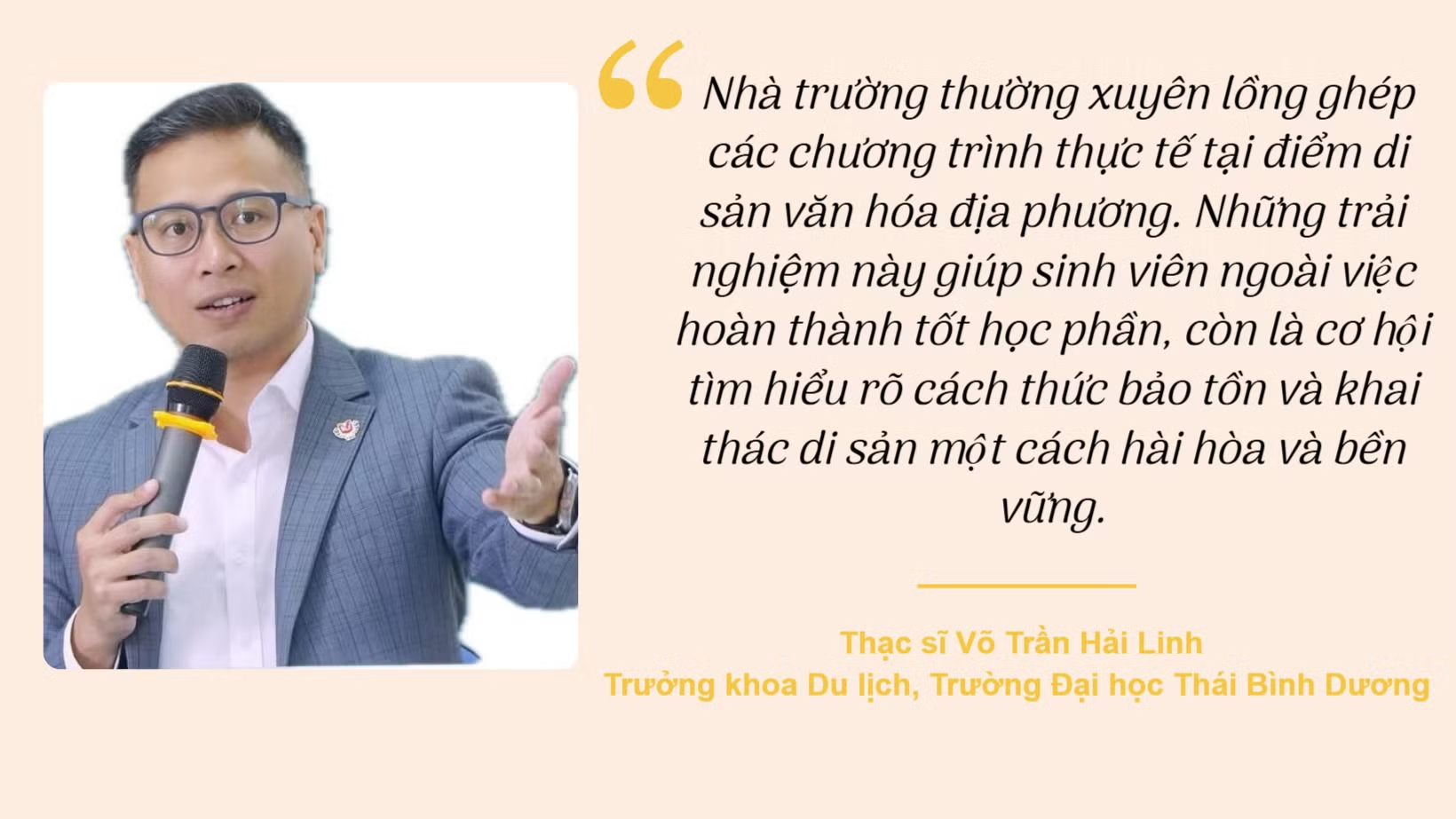
According to Ms. Vo Tran Hai Linh, Head of the Tourism Department at Pacific University (Khanh Hoa), incorporating practical experiences into the training program helps students directly appreciate cultural values and creates a bridge for applying academic knowledge to practice. Local cultural values are not only preserved and promoted but also become a resource for socio-economic development, especially in the fields of tourism, creativity, art, and cultural management.
“For tourism students, the subject of Tourism Heritage is always a central focus of the training program. The school regularly integrates practical programs at local cultural heritage sites. These experiences not only help students successfully complete the course but also provide an opportunity to understand how to preserve and exploit heritage in a harmonious and sustainable way. In addition, interacting with different communities helps students further appreciate the diversity of Vietnamese culture,” Mr. Linh added.
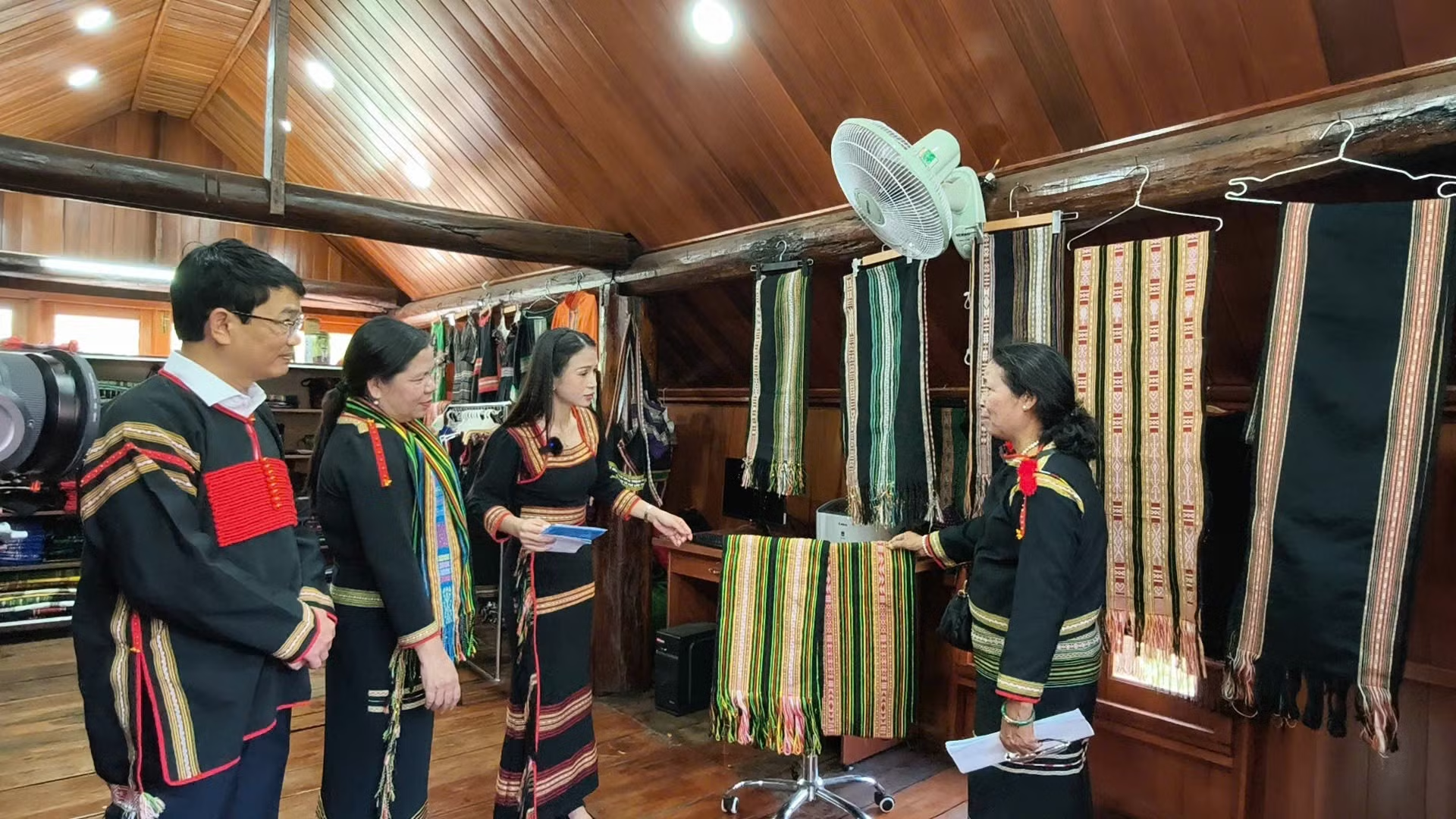
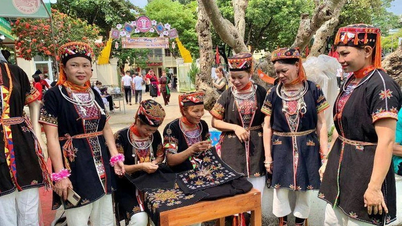
Participating in traditional brocade cultural activities in Ea Kao ward (Dak Lak province), Le Hong Huong, a tourism student, shared: “Directly participating in community activities helps us understand local culture more deeply, thereby developing more practical and effective ideas and projects.”
Digital capabilities and the story of digitizing heritage.
Digital technology is becoming a crucial pillar in training human resources for culture and tourism. Many universities are proactively incorporating digital tools into their teaching, encouraging students to create media products about heritage.
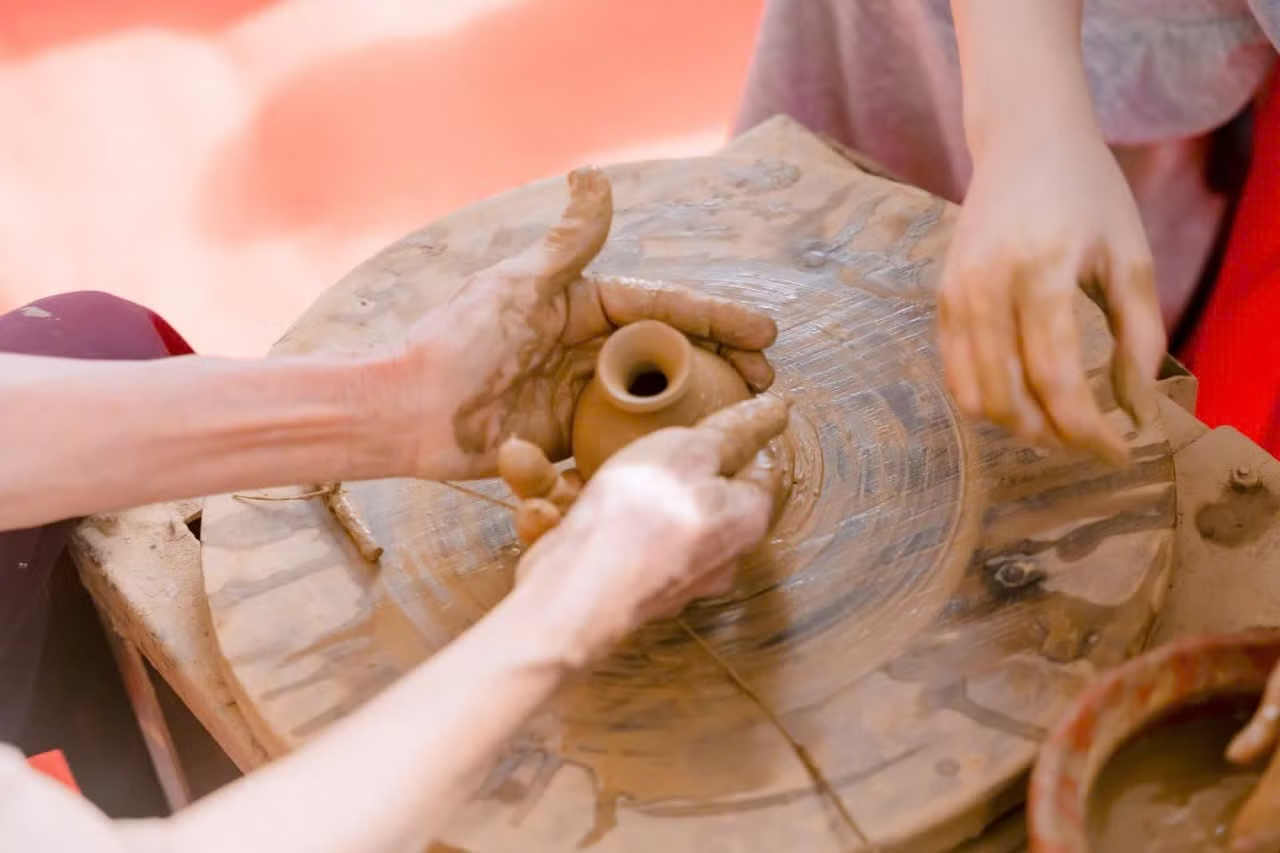
From an elective course on Vietnamese Villages in History, students of class 22SLS - History Education major, University of Education - Da Nang University, implemented a learning project on Quang Nam pottery with a series of large-scale activities attracting approximately 1,000 participants, including exhibitions, workshops, and seminars. Students and visitors experienced pottery making directly with artisans, while also accessing AR/VR technology, 3D models, and digital heritage maps. This combination helped bring the heritage from a "static" state to life, making it more vibrant and accessible. Through the talk show, students exchanged ideas with artisans and researchers on issues such as the reasons for the decline of traditional crafts, conservation solutions, and the potential for connecting heritage with digital transformation, contributing to the development of deeper cultural management thinking among the students.
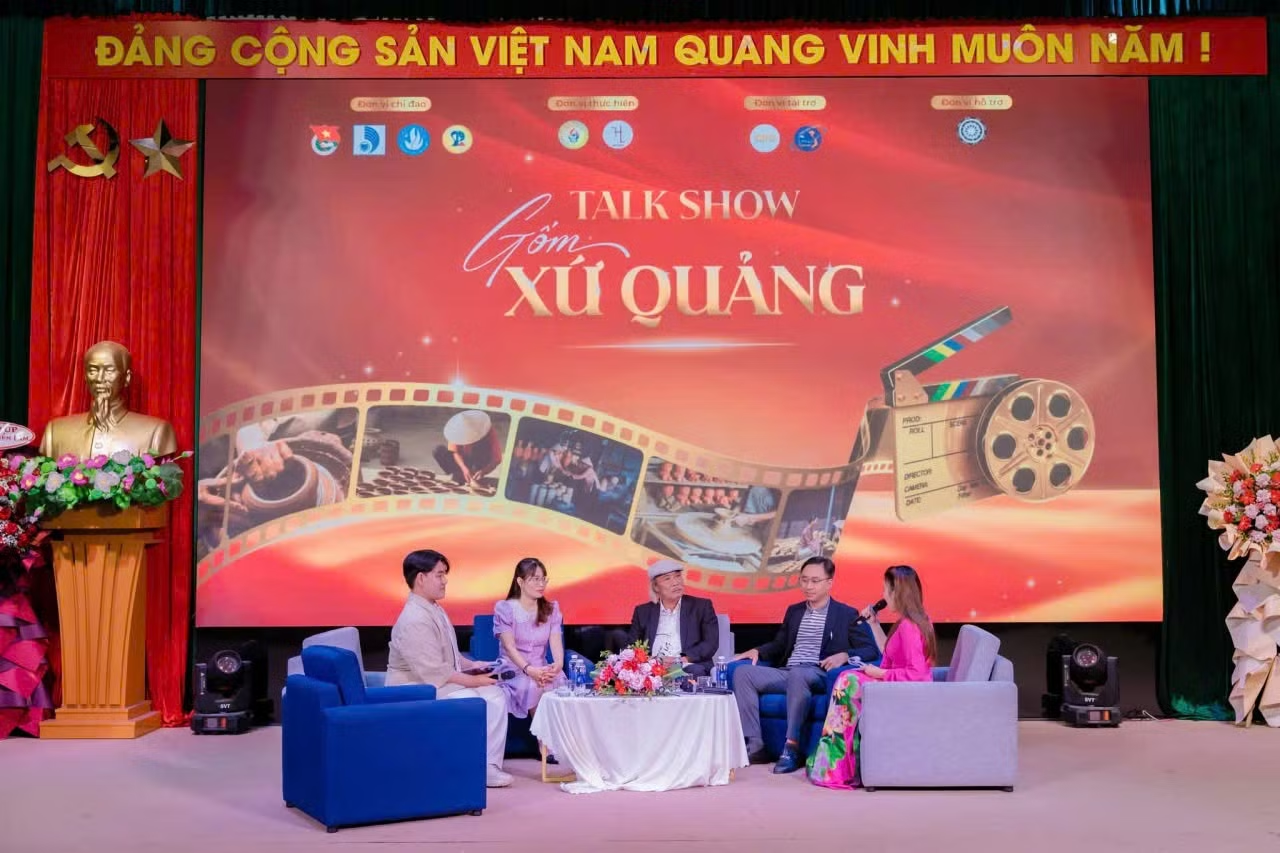
The digital project on preserving and promoting Thanh Ha pottery, created by a group of students from the University of Education - Da Nang University, won first prize in the 2025 competition for creating media products introducing traditional craft villages. The authors used artificial intelligence (AI) and modern graphic techniques to transform a traditional pottery product into a narrator. Through the story told by this "pottery character," the historical journey and the exquisite crafting process of Hoi An pottery village are presented in a fresh, relatable, and captivating way.
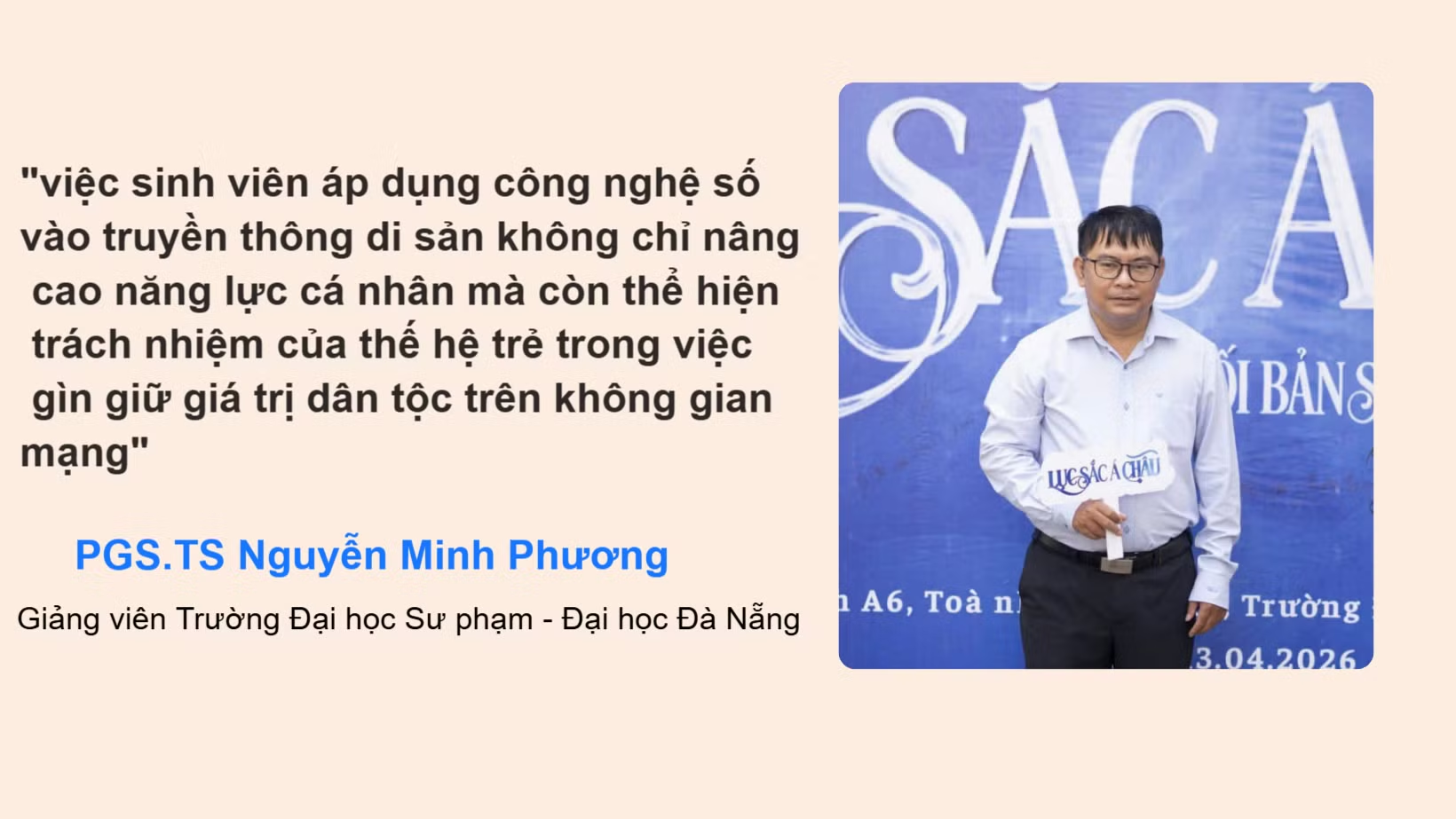
According to Associate Professor Dr. Nguyen Minh Phuong, lecturer in the Department of History - Geography - Politics, University of Education - Da Nang University, students' application of digital technology to heritage communication not only enhances their personal capabilities but also demonstrates the responsibility of the younger generation in preserving national values in cyberspace.
In the context of digital transformation and identity-based development, human resources in culture and tourism require not only strong professional skills but also local knowledge, technological proficiency, and adaptability. This is also the direction in which universities are gradually asserting their role, contributing to the formation of a high-quality workforce that meets the requirements of sustainable development. The combination of local knowledge, support from local authorities, and digital technology is creating a new face for the training of cultural human resources.
The development of cultural industries, tourism, and heritage management creates a significant demand for high-quality human resources in the Central and Central Highlands regions. In this context, universities not only fulfill their training responsibilities but also participate in research, policy consultation, and support local efforts to promote cultural values.
Collaboration between schools, government, and the community not only helps improve the quality of education but also contributes to making local cultural values a resource for development.
Part 1: Unlocking Soft Resources
Part 2: Respecting and Preserving Identity
Part 3: Drivers of Regional Development
Source: https://giaoducthoidai.vn/ky-4-giang-duong-noi-nhip-cung-di-san-post778340.html


![[Image] Nearly 125,000 Hanoi students completed the Literature exam for the 10th grade entrance exam.](https://vphoto.vietnam.vn/thumb/1200x675/vietnam/resource/IMAGE/2026/05/30/1780117233041_ndo_br_thiet-ke-chua-co-ten-2-png.webp)

















![[Photo] Admire the coral "masterpiece" amidst the million-year-old heritage of Dak Lak province.](https://vphoto.vietnam.vn/thumb/1200x675/vietnam/resource/IMAGE/2026/05/30/1780107638639_y25-jpg.webp)














































Comment (0)