

* Dr. Pho Duc Tung, expert in Urban Planning and Development:
Changing the mindset and methodology of planning.
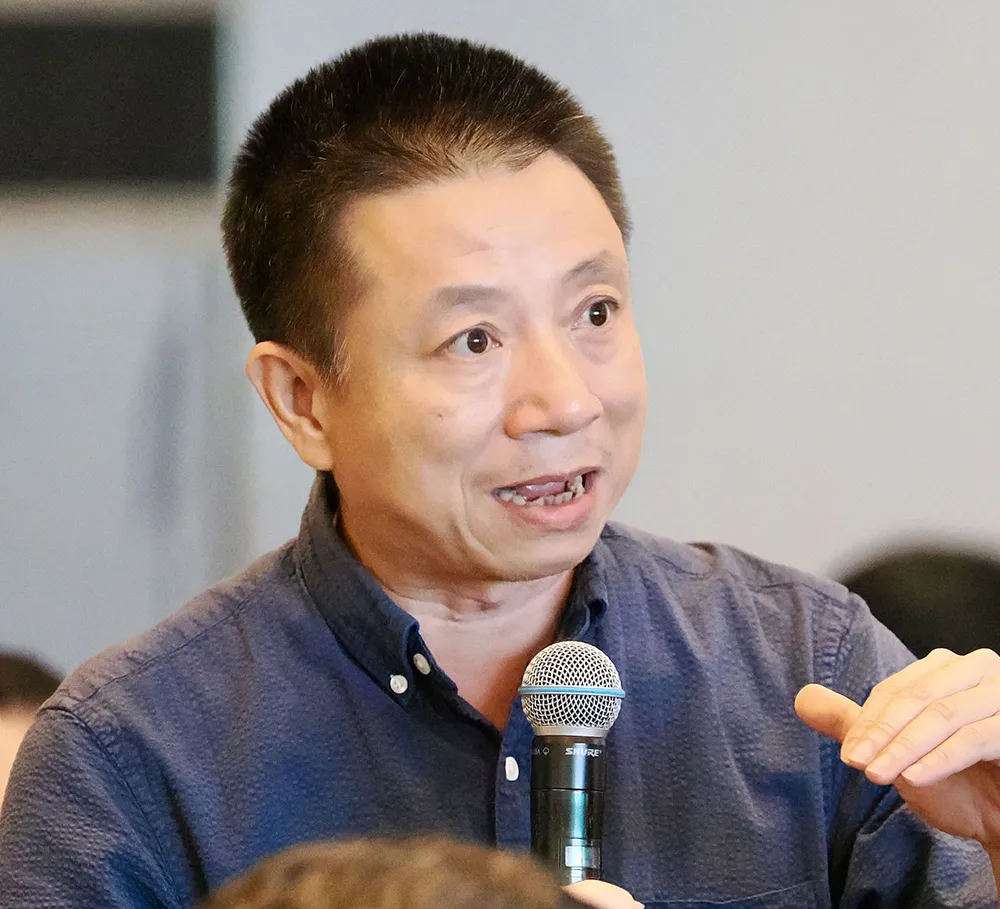
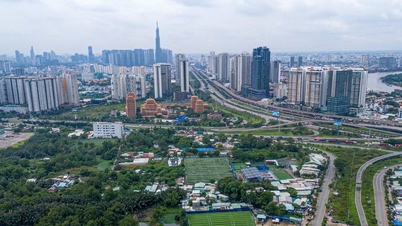
A centenary vision plan cannot be a 10-year socio-economic plan that looks beyond 100 years; it requires a change in mindset and planning methodology. We can learn from the experience of the Netherlands, where they plan an area by dividing it into three layers:
The bottom layer, the natural foundation (topography, water network, ecology), must be given top priority with a vision of over 100 years to ensure sustainability for future generations.
Level 2 is the basic technical infrastructure, with a vision of only 50 years, and must be built on the foundation of maximizing the potential of the lower levels.
The top layer is an urban space that must ensure perfect harmony with the two foundational layers below.
* Professor Nguyen Van Phuoc, Chairman of the Union of Science and Technology Associations of Ho Chi Minh City:
Water security and solid waste management are fundamental elements.
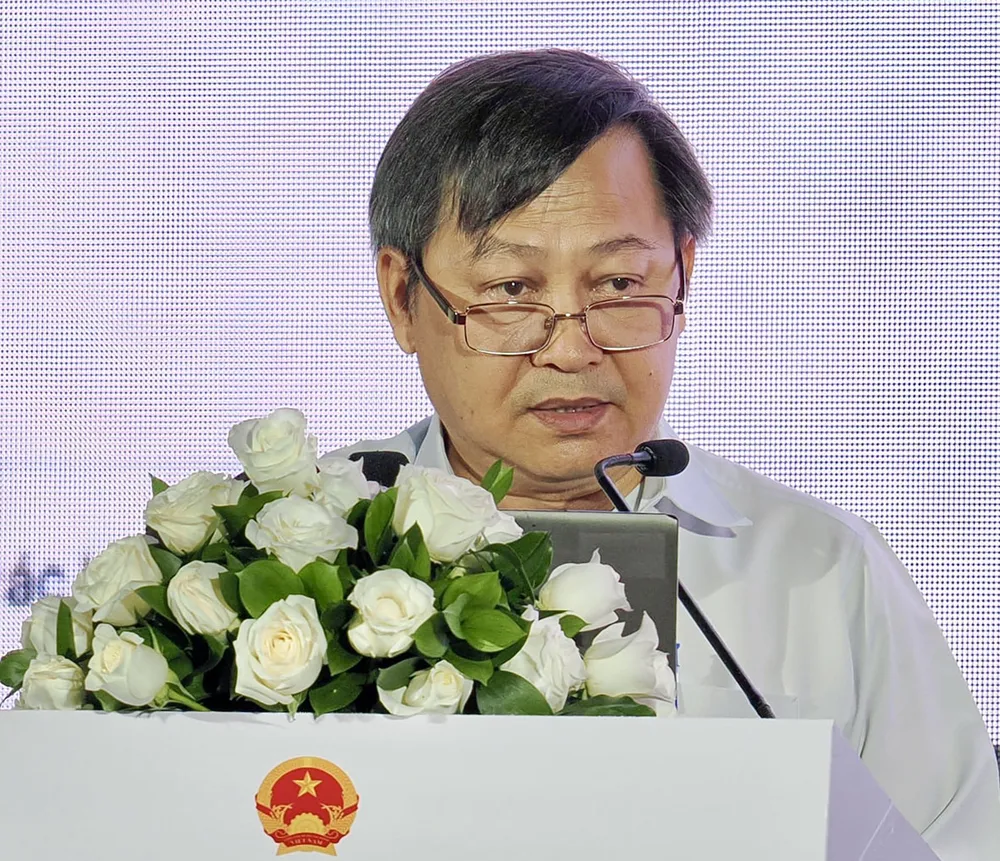
After the merger, Ho Chi Minh City will have an area of approximately 6,772 km2, with a projected population of 20-22 million by 2050; it will also serve as the country's international financial center, logistics hub, seaport, innovation center, and high-tech center. In this context, the core question is whether there will be sufficient water resources to support the development of this megacity for the next 100 years.
Based on the experiences of many cities around the world , the 21st century is an era where water security determines growth potential. Therefore, Ho Chi Minh City needs to shift from traditional planning thinking to proactive planning, using the carrying capacity of water resources as a foundation before allocating development spaces.
The city needs to be planned based on three principles: respecting natural hydrological patterns; developing a circular urban model to reduce groundwater extraction and reuse water; and strengthening regional linkages in the management, exploitation, and protection of water resources.
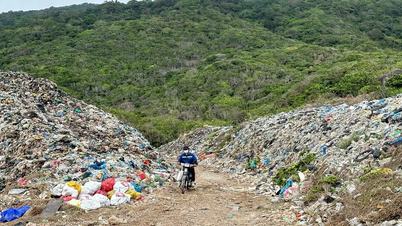
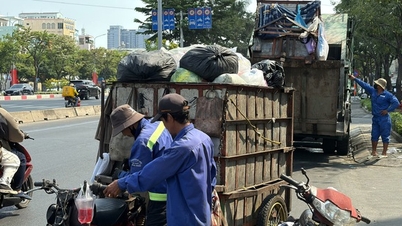
Regarding solid waste, the proposal suggests shifting from a waste management mindset to urban resource management, developing a circular economy, high-tech recycling, and forming an urban resource recovery industry as a new growth driver for the city.
* Mr. Tran Ba Duong, Chairman of THACO:
Using the digital economy as a new engine for growth.
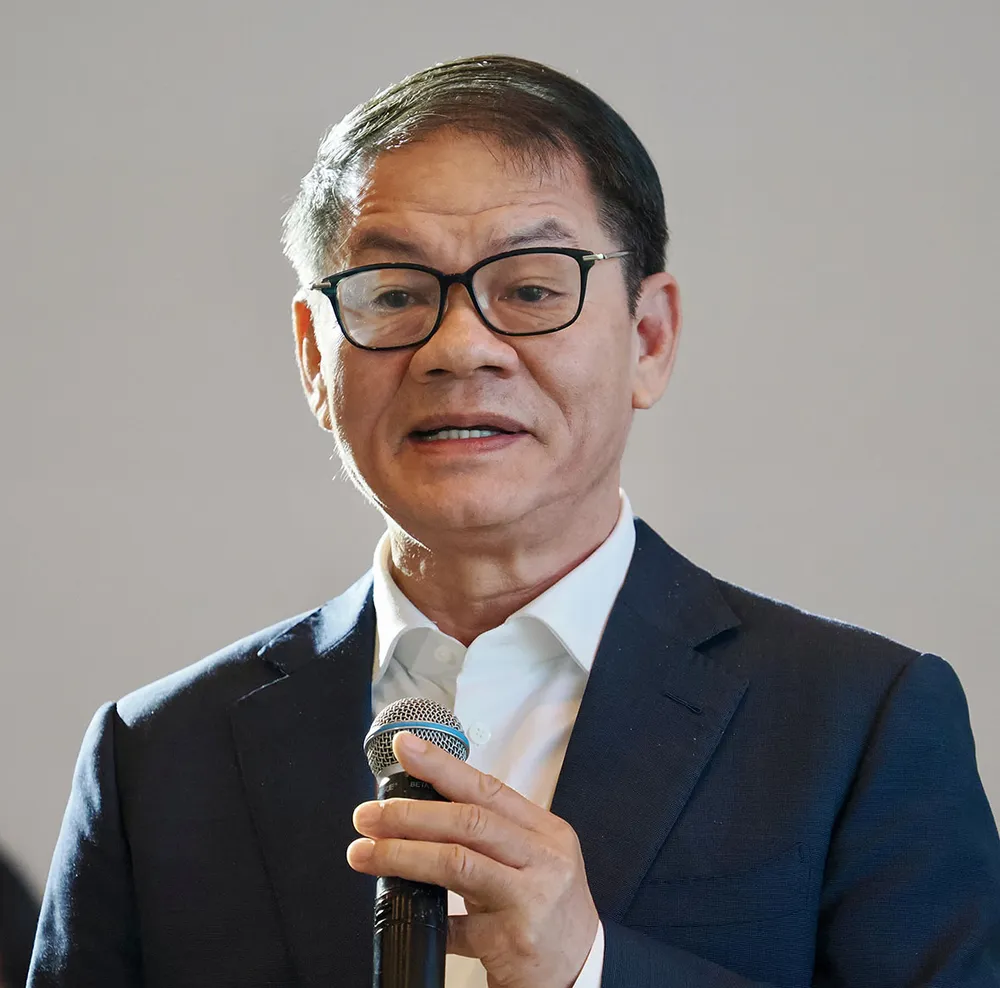
For the plan to be feasible, it requires the participation of citizens and businesses, as well as enhanced communication to create social consensus. Economically, the plan needs to closely adhere to national development orientations, using the digital economy as a new growth engine.
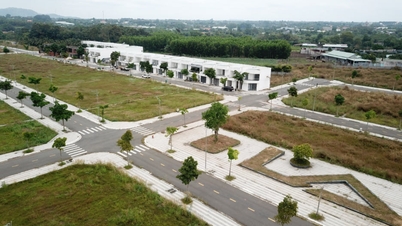
Regarding transportation and urban development, it is necessary to accurately assess the current situation, as the rate of urbanization is exceeding the capacity of the infrastructure. Therefore, planning must propose specific solutions to address congestion and enhance transportation connectivity within the region as well as with neighboring areas.
In the industrial sector, industrial parks need to develop in an integrated manner, linking domestic businesses with FDI enterprises to enhance production capacity and participate in global value chains.
* Mr. Le Hoang Chau, Chairman of HoREA:
A superior incentive mechanism is needed.
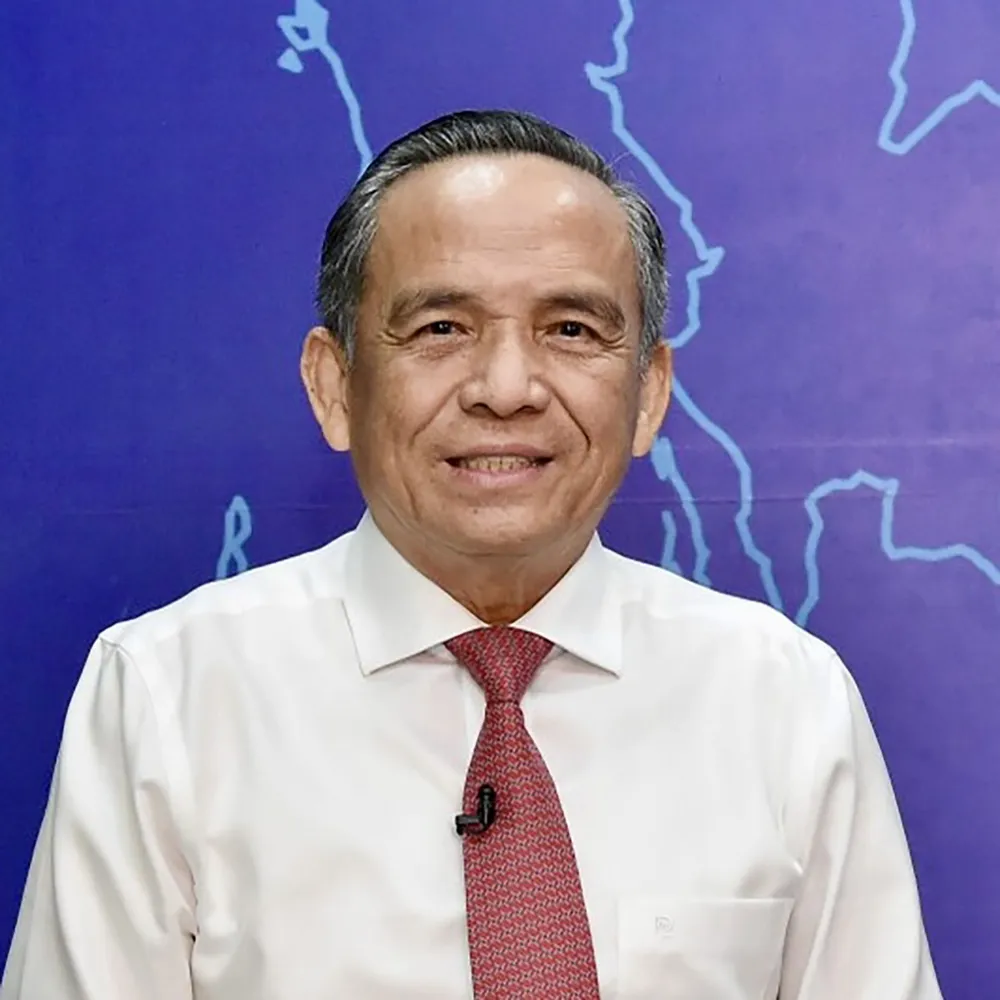
Regarding development space, HoREA proposes clearly defining the expanded "Ho Chi Minh City Region," strengthening linkages with neighboring localities to form a unified socio-economic space. The planning should focus on developing the marine economy, logistics, an international financial center, high-tech agriculture, and strategic economic corridors connecting the Southeast region, the Mekong Delta, and the international community.
In parallel, HoREA proposed supplementing the planning for rural development, housing, especially social housing and rental housing; fully assessing issues of flooding, subsidence, and climate change; and clearly defining the role of the private sector in economic development. At the same time, there is a need for superior incentive mechanisms to attract talented individuals, leading experts, and high-quality human resources, contributing to building Ho Chi Minh City into a rapidly developing, sustainable, modern, and globally competitive city.
Source: https://www.sggp.org.vn/ky-vong-thay-doi-tu-duy-lam-quy-hoach-post855683.html


![[Photo] First session of the 14th Congress of the Vietnam Trade Union](https://vphoto.vietnam.vn/thumb/1200x675/vietnam/resource/IMAGE/2026/06/03/1780465947883_ndo_br_img-3852-jpg.webp)
















![[Photo] Delegation attending the 14th Congress of the Vietnam Trade Union visits the Mausoleum of President Ho Chi Minh.](https://vphoto.vietnam.vn/thumb/1200x675/vietnam/resource/IMAGE/2026/06/03/1780451842301_ndo_br_img-3824-jpg.webp)





































Comment (0)