


From footprints traversing the forest
Amidst the transformation of the forestry industry, today's forests are gradually being "monitored" using satellite data, digital maps, and remote warning systems. But behind these technological signals lies the memory of a time when forest rangers protected the forests entirely through experience, through long patrols lasting many days in the vast Bidoup - Nui Ba mountain range.
Standing in front of the forest fire warning data display screen at Liêng Ka Forest Ranger Station, Mr. Cao Minh Trí, who has been involved in forestry for many years, still clearly remembers the time when forest protection relied almost entirely on footwork and field experience.
Back then, a forest ranger's equipment consisted only of an old backpack, a notebook, a faded silver-colored paper map, and a compass always carried with them. Whenever they received a report of deforestation or forest fires, they had to walk for hours through the deep forest, climbing slopes and crossing streams in harsh weather conditions to reach the scene.

Forest rangers tackle a wildfire in the middle of the forest, preventing the risk of the fire spreading.
"There were days when we traveled from morning until night to get there. To detect a forest fire, we had to wait to see a column of smoke rising from the mountains, and to pinpoint the location of the violation, we had to check each point on a paper map," Mr. Tri recalled.
Not only was it arduous work, but all information about forest conditions at that time depended almost entirely on field experience and information from local people. In many cases, by the time forest rangers reached the scene, the evidence had been almost completely erased. In the vast forest, forest keepers had to practically "know the forest" by memory, from every slope and stream to the routes they patrolled through the night.
Nights spent in hammocks by the stream, multi-day treks through the jungle, and encounters with jungle rain, leeches, and the threat of retaliation from illegal loggers have become unforgettable memories for many generations of forest rangers.
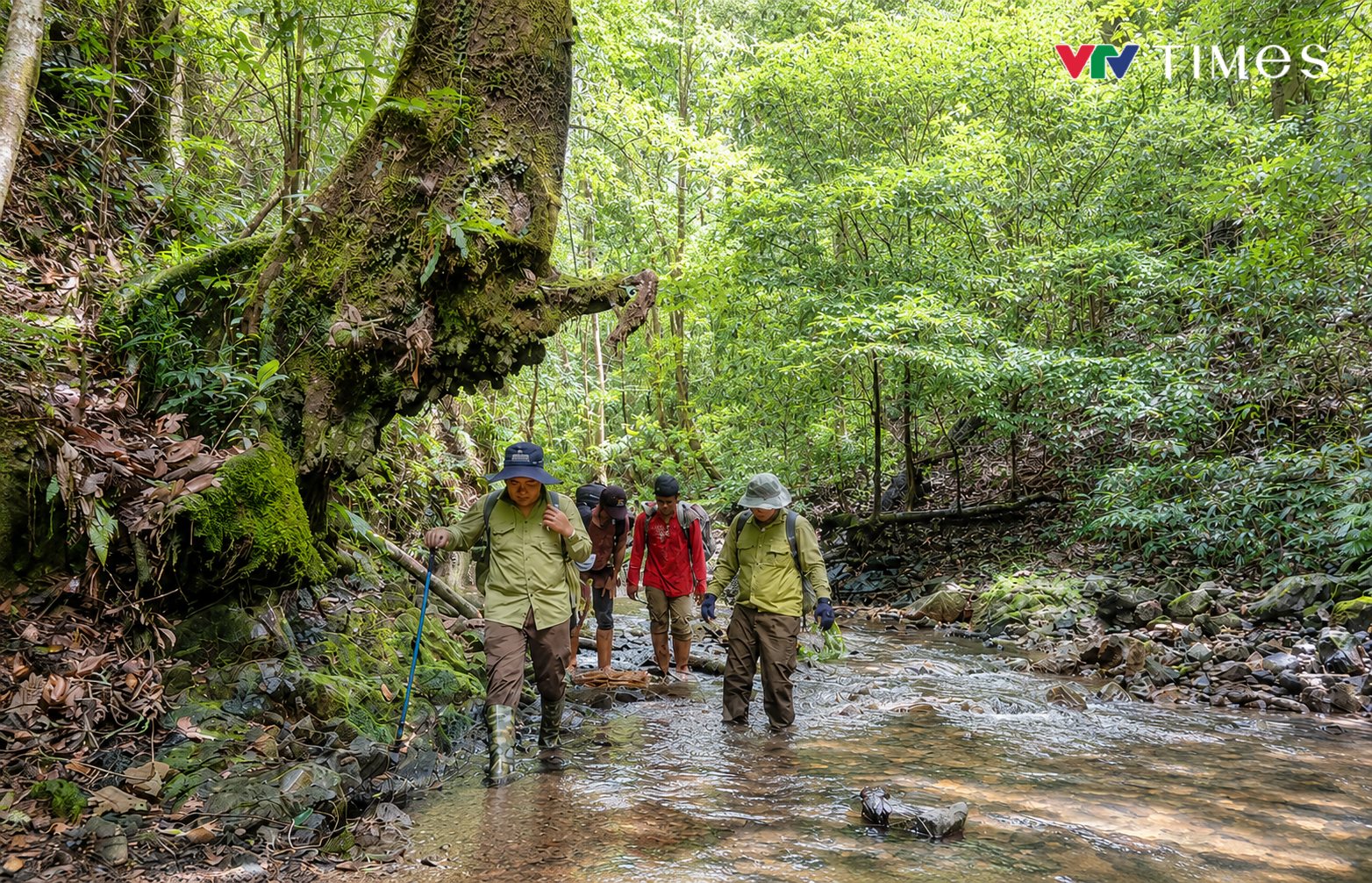
Forest rangers in Lam Dong province are applying digital technology and drones in forest management and protection.
More than half a century has passed since the establishment of the Vietnam Forest Protection Force, and the journey of forest conservation has undergone many changes. While in the past, forest rangers relied primarily on experience and field footprints, today digital data, satellite maps, and technological platforms are gradually becoming an "extended arm" in the vast forests.
At the Bidoup - Nui Ba Forest Ranger Station, forest data has been digitized by sub-area, plot, and lot; patrol routes and suspected violation points are updated on an electronic platform to serve forest management and protection. Remote sensing data platforms, GIS, forest fire warning systems, and SMART software are also being gradually applied in practice.
During the 2025-2026 dry season alone, through the forest change warning system and satellite data, the Bidoup - Nui Ba forest rangers detected and prevented 19 fires in a timely manner, avoiding any damage to forest resources.
...to "the digital shield in the middle of the vast forest"
Amidst the digital transformation of the forestry sector, today's young forest rangers are becoming quick to adapt to new technologies.
According to Mr. Pham Xuan Dam, a forest ranger working at the Bidoup - Nui Ba Forest Ranger Station, current warning data helps forest rangers be more proactive in accessing the scene, especially during the dry season.
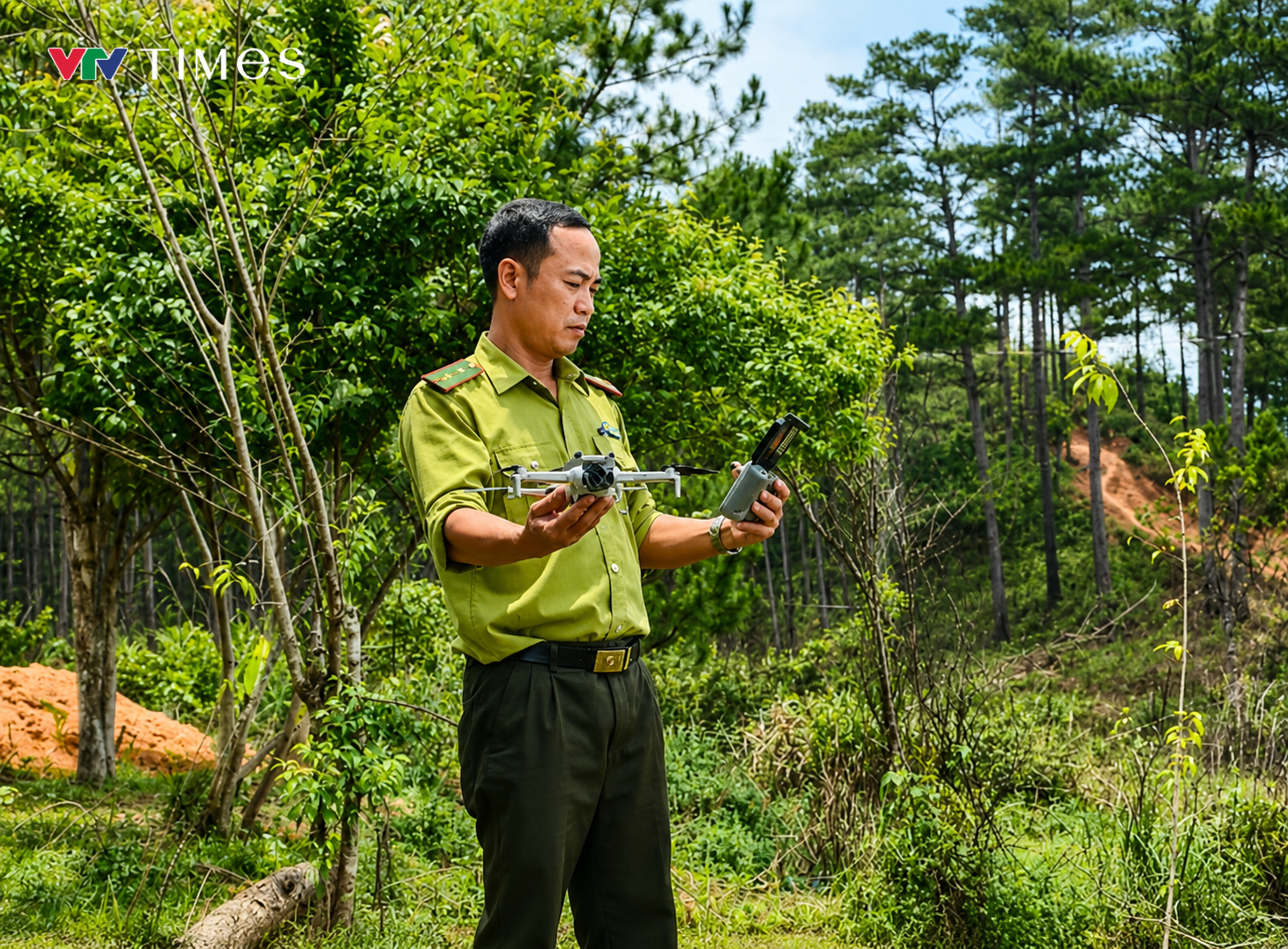
Forest rangers are using digital devices and location tracking to assist in forest management and protection.
"There are days when we're on patrol and we receive alerts about suspected forest fires or forest disturbances. We have to change direction immediately to reach the scene. In some cases, it's just people burning undergrowth, but sometimes, a delay of just a few hours can cause the fire to spread very quickly," he shared.
According to Mr. Dam, technology greatly assists forest rangers, but data is only the first step. "Ultimately, there still needs to be someone directly going into the forest to conduct on-site inspections. In some areas, there is a complete loss of phone signal, and all communication depends on walkie-talkies," he said.
Not only are they under pressure from harsh weather conditions, but today's forest rangers also have to adapt to new demands in forest management. From those who specialized in field patrols, they are gradually becoming familiar with digital data, electronic maps, GPS devices, and online warning platforms.
However, the digital transformation journey in the heart of the mountains still faces many challenges. Bidoup - Nui Ba is an area with rugged terrain, many places almost completely isolated from cell phone and internet signals. Long patrols lasting many days quickly drain device batteries, and GPS signals become unstable; data updates often still have to be done manually after returning to the station.

Forest rangers operate unmanned aerial vehicles (drones) to monitor forest resources.
According to Mr. Nguyen Hoang Ha, Head of the Bidoup - Nui Ba Forest Ranger Station, many pieces of equipment for digital transformation, such as drones, handheld GPS devices, forest surveillance cameras, data storage systems, and warning software, are still lacking or have not been invested in comprehensively.
"Digital transformation in the forestry sector is not just about equipping with machinery, but also about changing management thinking in the context of the unique conditions of mountainous forests. To effectively apply technology, we need the right infrastructure, equipment, and human resources," Mr. Ha said.
Currently, many new technological applications only provide initial support for forest management and protection. Numerous remote forest areas still lack monitoring equipment, specialized vehicles, or the necessary conditions to operate digital platforms synchronously. Meanwhile, many older forest rangers still face difficulties in adopting new technologies.
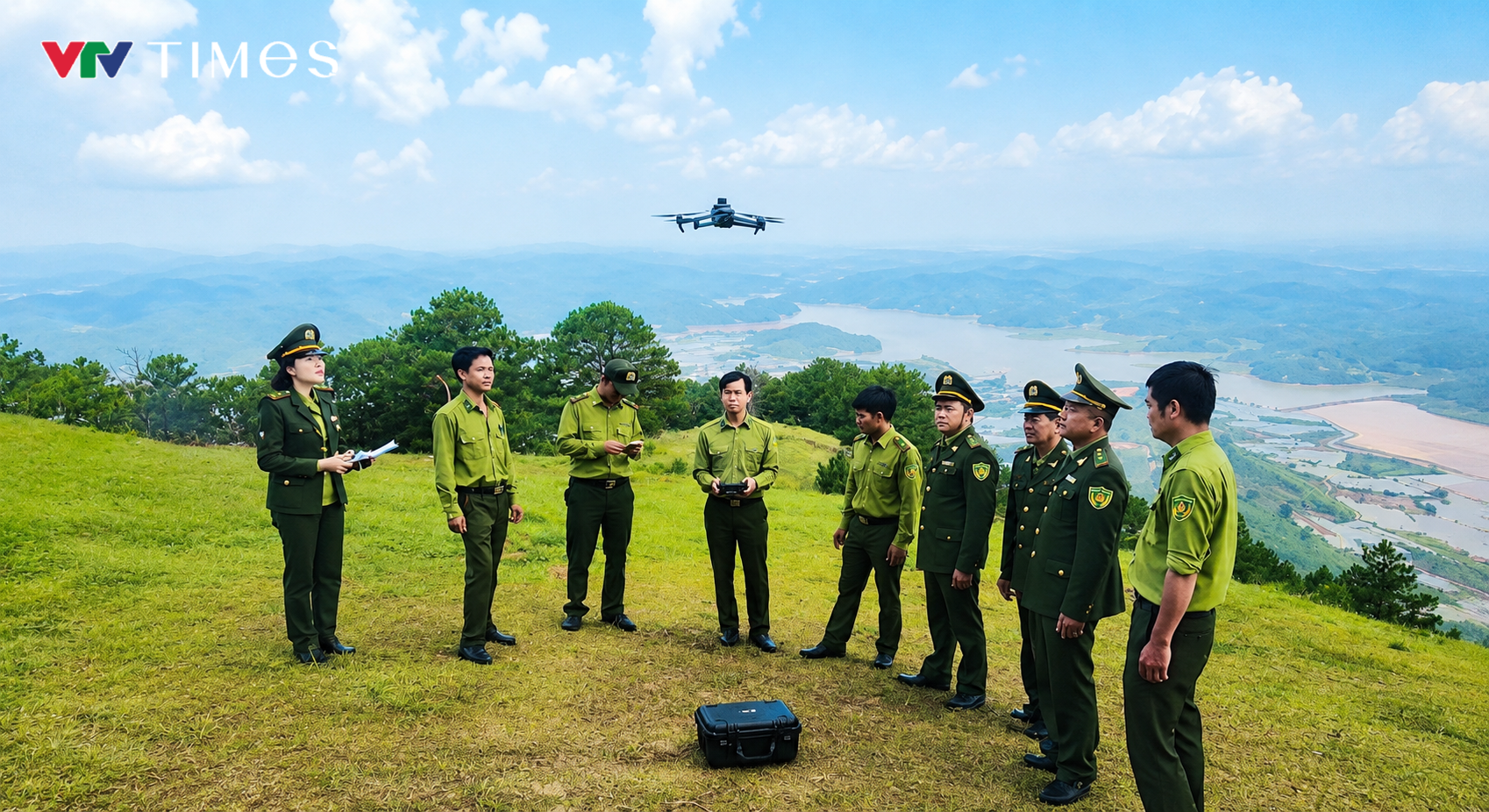
Forest rangers in Lam Dong province are applying digital technology and drones in forest management and protection.
Late in the afternoon, mist gradually enveloped the forests of Bidoup - Nui Ba. Looking towards the deep green mountains and forests, Mr. Cao Minh Tri slowly said:
"Technology is much more advanced now. We have satellites, wildfire warning systems, and digital data to help us detect fires faster than before. But machines only help us see the forest from afar. To know the reality, we still need people to directly trek through the forest, climb mountains, and inspect the scene. Ultimately, protecting the forest still depends on people."
Source: https://vtv.vn/la-chan-so-giua-dai-ngan-100260520144200055.htm
![[Photo] National Assembly Chairman Tran Thanh Man working with the Standing Committee of the Law and Justice Committee](https://vphoto.vietnam.vn/thumb/1200x675/vietnam/resource/IMAGE/2026/05/21/1779378929214_ndo_br_1-4610-jpg.webp)
![[Photo] General Secretary and President To Lam presides over a working session with the Central Policy and Strategy Committee on the development of the materials industry.](https://vphoto.vietnam.vn/thumb/1200x675/vietnam/resource/IMAGE/2026/05/21/1779359935432_a3-bnd-3129-1412-jpg.webp)


























































































Comment (0)