

The merger of the three provinces of Lam Dong, Dak Nong, and Binh Thuan into the new Lam Dong province is not merely a reorganization of administrative units, but more importantly, it opens the door to comprehensive development for this region. With its outstanding strengths in mineral resources, high-tech agriculture , and high-end tourism, the new Lam Dong province will become a new growth pole, positioning itself as a nationally significant entity in the sustainable development strategy.
Developing a national bauxite-aluminum center.
In the economic landscape of the newly established Lam Dong province, the bauxite-aluminum mining and processing industry plays a strategic pillar role. The new Lam Dong province currently holds over 99% of the country's bauxite reserves, with a total reserve of up to 5.4 billion tons of raw ore, of which Dak Nong alone accounts for approximately 3.2 billion tons. With this advantage, the new Lam Dong province affirms its leading position in the strategic mineral mining and processing chain and aims to soon become the bauxite-aluminum center of Vietnam.
-f11004743691943e667b0292ca6dda7c.jpg)
Currently, the two large alumina complexes in Tan Rai ( Lam Dong province ) and Nhan Co (Dak Nong province) produce millions of tons of alumina annually, generating billions of dong in state revenue and providing stable employment for over 2,000 workers, mainly local residents. The Nhan Co alumina complex has contributed a cumulative 4,438 billion dong to the state budget by the end of 2024. The Tan Rai alumina complex in Lam Dong province has a designed capacity of 650,000 tons of alumina per year with a total investment of 15,414 billion dong. This complex began commercial operation on October 1, 2013. As of March 31, 2024, the Tan Rai complex had produced 7.47 million tons of alumina (converted equivalent), contributing over 5,300 billion dong to the state budget. At the same time, it has created jobs for over 1,000 workers, with current income exceeding 16 million VND per person per month.
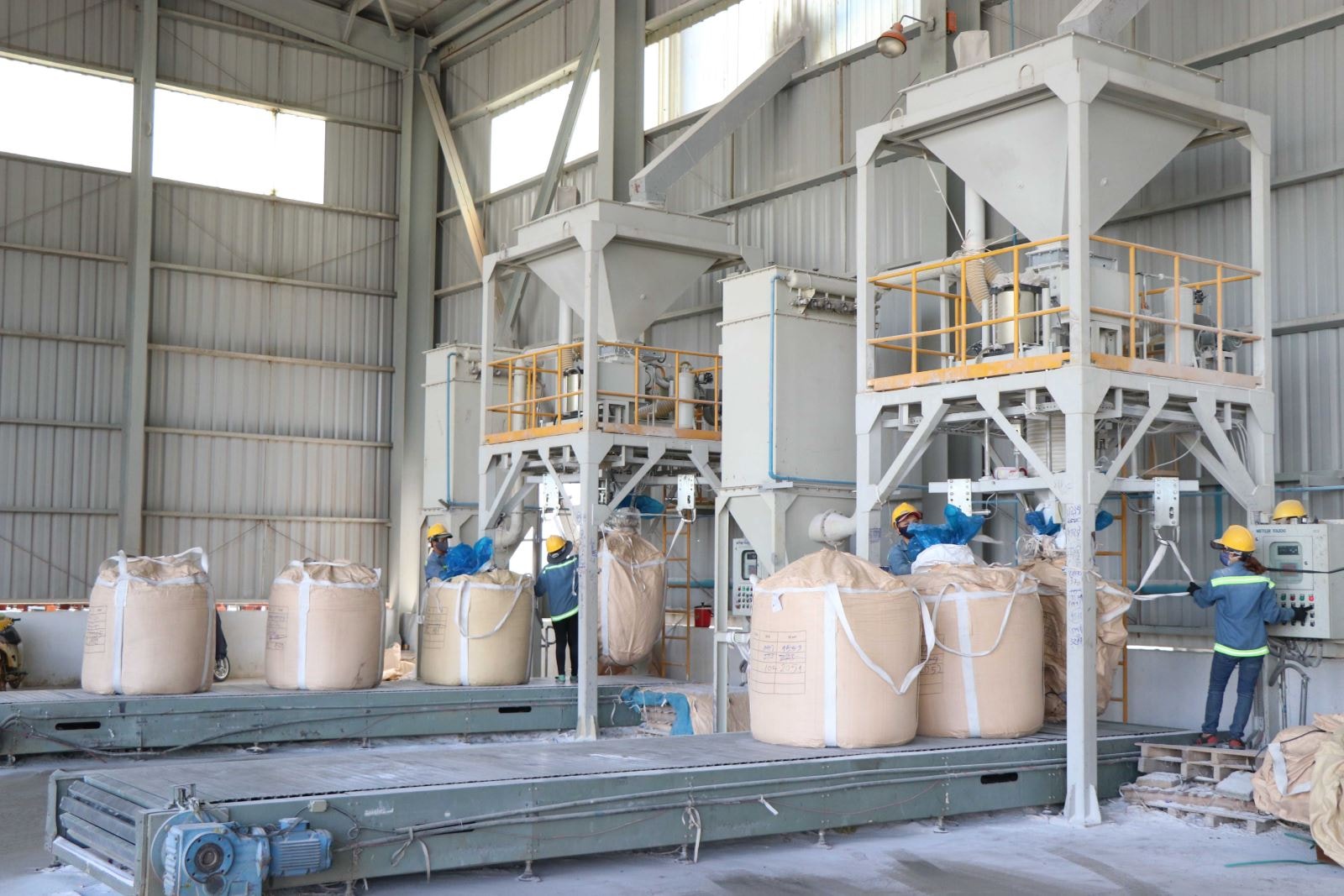
The positive developments extend beyond primary extraction and processing; the industrial structure is undergoing a strong shift towards value-added stages: aluminum smelting, and the production of intermediate and finished products within the supply chain.
One of the most significant steps towards realizing aluminum production in the province is the Dak Nong Aluminum Electrolysis Plant Project, invested by Tran Hong Quan Metallurgical Co., Ltd. The plant is being built in the Nhan Co Industrial Park, Dak R'lap district, covering an area of 129.42 hectares and with a total designed capacity of up to 450,000 tons of aluminum per year, divided into three phases. Currently, the plant has completed the construction of the office area, housing for experts, and workshops... Phase 1 is expected to begin production in the second quarter of 2026 with a capacity of 150,000 tons of aluminum per year. This project is a crucial step towards producing aluminum metal locally and marks a milestone in Dak Nong's official entry into the complete aluminum production chain, from bauxite mining – alumina processing – aluminum smelting – industrial products. According to calculations, when commercially operational, the Dak Nong Aluminum Electrolysis Plant Project will contribute approximately US$900 million per year to Dak Nong province's GDP; contribute an average of approximately US$70 million per year to the state budget; and create jobs for about 950 direct employees.
In addition, the Vietnam Coal and Mineral Industry Group (TKV) has proposed and is preparing to implement the Dak Nong 2 bauxite-alumina-aluminum complex, with a capacity of up to 2 million tons of alumina and 0.5-1 million tons of aluminum per year. This is one of the largest aluminum industrial complexes in Vietnam to date, with a total estimated investment for the entire related project system of over 182,000 billion VND. Producing aluminum right in Dak Nong is a crucial step that helps enhance the value of the resource, reduce dependence on raw material exports, and open up the possibility of building a sustainable aluminum industrial value chain.
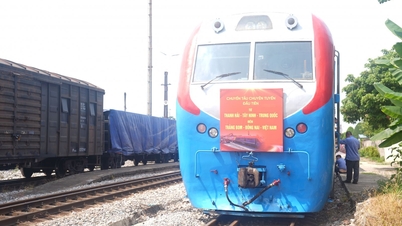
Beyond increasing production capacity, this project also paves the way for the formation of supporting industries such as metallurgy, chemical processing, light industrial materials, and specialized logistics. Thanks to the road connection from the Central Highlands to Ke Ga Port (Binh Thuan), goods will have a shorter transportation cycle, reduced costs, increased profits, and enhanced international competitiveness. Therefore, the newly established Lam Dong province will rise to become the largest aluminum smelting industrial center in the country.
High-tech agriculture asserts its position.
Besides mining, high-tech agriculture is the second pillar shaping the future development of the new Lam Dong. Meanwhile, the old Lam Dong was already renowned as the "high-tech agricultural capital" of the country, with the Da Lat vegetable and flower region standing out on the agricultural map.
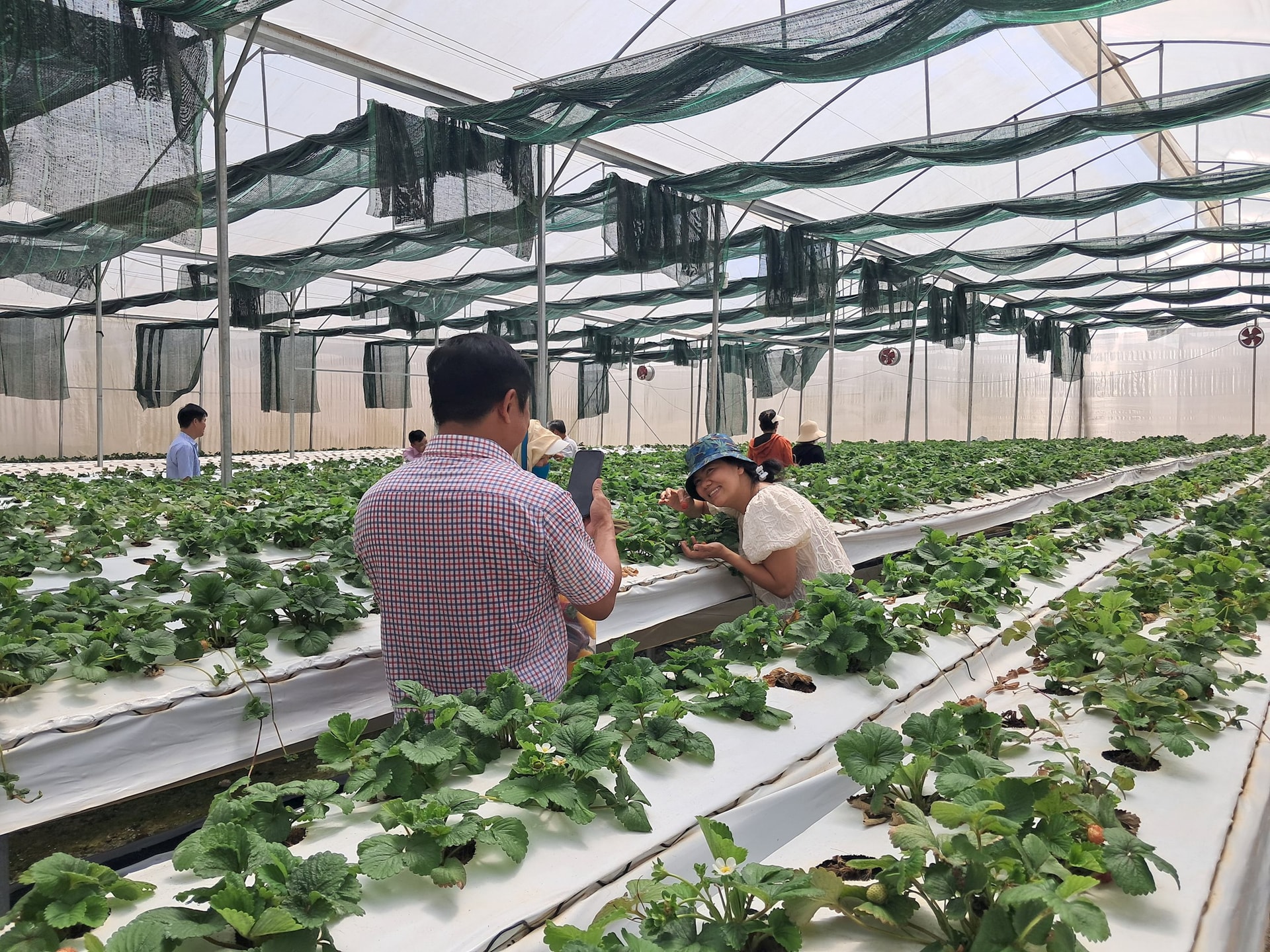
Lam Dong province currently has over 69,600 hectares of high-tech agricultural cultivation, accounting for more than 21.2% of the total production area. Revenue ranges from 3-8 billion VND/hectare/year, with high-end flowers potentially reaching 15-24 billion VND/hectare/year. This locality is pioneering the application of biotechnology, IoT, big data, and digital transformation into production processes, thereby not only increasing productivity but also ensuring quality, safety, and traceability.
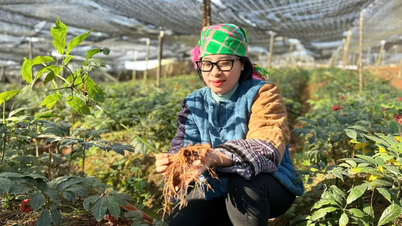
Dak Nong, a locality where over 58% of the land is agricultural, is gradually shifting from traditional production to green, circular agriculture, applying high technology. Key products such as coffee, pepper, cashew nuts, and rubber are being produced according to value chains, linked to processing and export.
Meanwhile, Binh Thuan is the largest dragon fruit producing area in the country, with over 30,000 hectares, and is also strongly developing smart farming models, water-saving irrigation, and organic farming. Many organic dragon fruit farming models serving exports to 20 countries worldwide are demonstrating outstanding economic efficiency.
The merger of the three provinces of Lam Dong, Dak Nong, and Binh Thuan into the new Lam Dong province helps expand production space, form large-scale specialized farming areas, and link raw material production, processing, logistics, and consumption. This is the foundation for the new Lam Dong not only to maintain its role as the high-tech agricultural capital of the Central Highlands, but also to rise to become a leading agricultural center nationwide.
Developing high-end tourism from the highlands to the coast.
Before the merger, Da Lat city – the economic and cultural center of the former Lam Dong province – was already one of the country's top tourist destinations. With its picturesque landscapes, cool climate year-round, and fresh air, Da Lat served as the "highland resort capital," attracting millions of visitors annually. However, its hilly terrain and limited transportation links restricted its development potential. Therefore, after the merger, the tourism space of the new Lam Dong province will be expanded to meet new development demands.
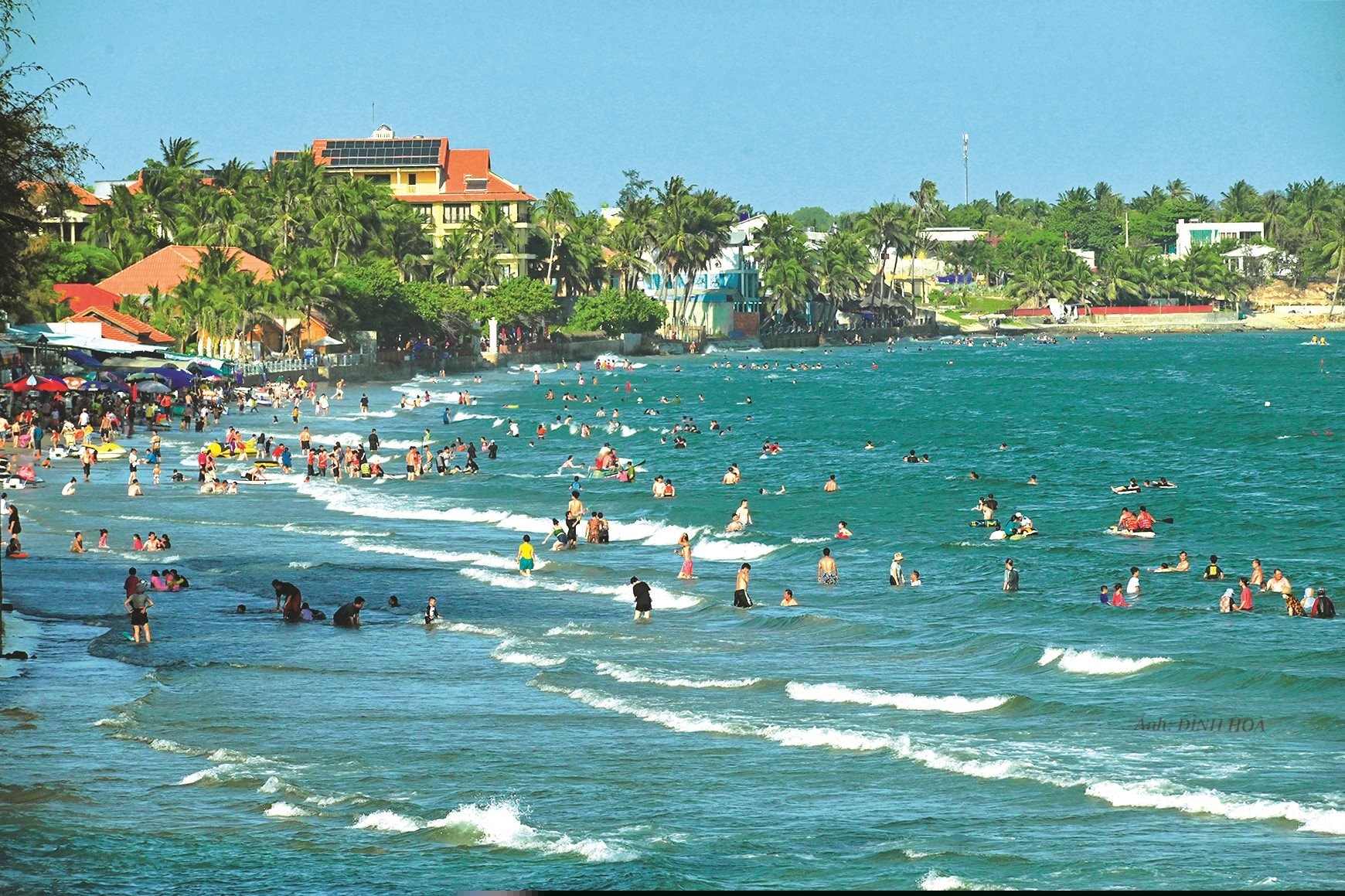
Morning cloud hunting in Da Lat, afternoon boating on Ta Dung Lake, exploring volcanic caves in the UNESCO Dak Nong Global Geopark, and evening watching the sunset over the sea in Phan Thiet – this "three spaces in one day" travel experience will be the highlight shaping this new tourism product.
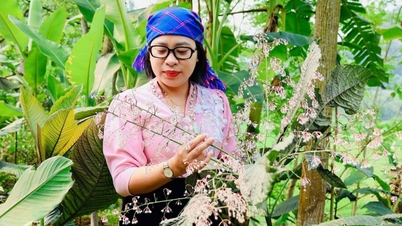
Furthermore, Lam Dong province also possesses a unique identity with its indigenous ethnic groups such as the K'ho, M'nong, and Cham, creating favorable conditions for the development of cultural tourism and community-based tourism combined with local products such as coffee, dragon fruit, Da Lat flowers, rice wine, and brocade weaving. In particular, by combining high-tech agriculture with the indigenous culture of the K'ho, M'nong, and Cham people, Lam Dong's tourism industry can develop in a distinctive, attractive, and irreplaceable direction within the national tourism ecosystem.
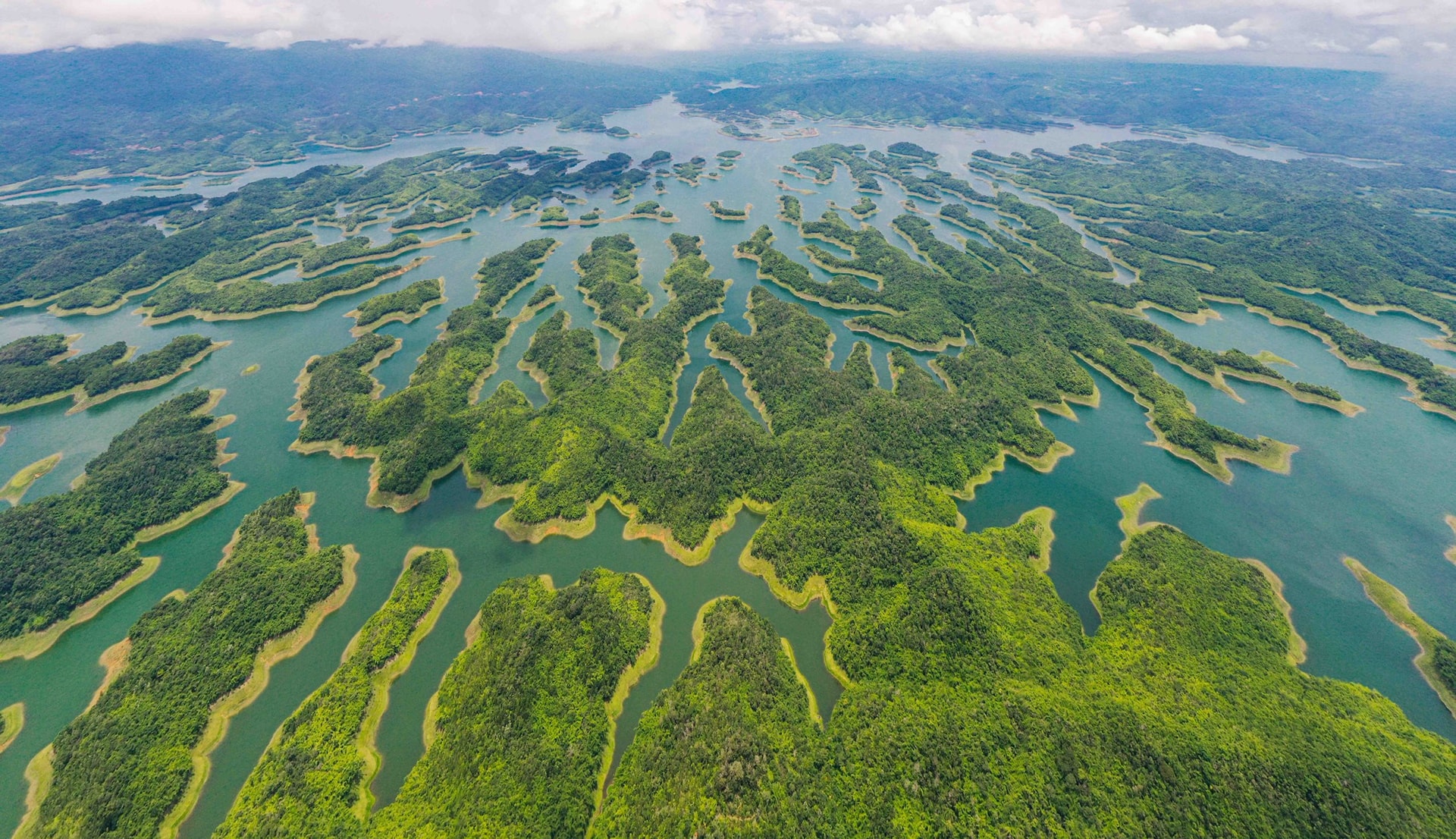
It can be affirmed that, based on the three pillars of bauxite mining and processing, aluminum, agriculture, and tourism, Lam Dong province possesses distinct strengths for interdisciplinary and inter-regional economic development. This is the foundation for building a new development hub in the South, acting as an intermediary connecting the Central Highlands with the South Central and Southeast coastal regions, especially in the context of the Southern key economic region needing to expand its development momentum.
Source: https://baolamdong.vn/lam-dong-moi-but-pha-tu-cac-the-manh-kinh-te-chu-luc-257260.html
![[Photo] First session of the 14th Congress of the Vietnam Trade Union](https://vphoto.vietnam.vn/thumb/1200x675/vietnam/resource/IMAGE/2026/06/03/1780465947883_ndo_br_img-3852-jpg.webp)
![[Photo] General Secretary and President To Lam presides over a meeting with the Central Organizing Committee.](https://vphoto.vietnam.vn/thumb/1200x675/vietnam/resource/IMAGE/2026/06/03/1780482764658_a1-bnd-4741-3342-jpg.webp)
![[Photo] Secretary of the National Assembly Party Committee, Chairman of the National Assembly presides over the meeting of the Standing Committee and Executive Committee of the National Assembly Party Committee.](https://vphoto.vietnam.vn/thumb/1200x675/vietnam/resource/IMAGE/2026/06/03/1780480353201_ndo_br_bnd-2585-jpg.webp)










































![[Video] Sunset at Lap An Lagoon – Where the sun sets over the fishing nets](https://vphoto.vietnam.vn/thumb/1200x675/vietnam/resource/IMAGE/2026/05/31/1780192137701_beach-landscape-sea-water-nature-grass-745871-pxhere-com.jpeg)




























Comment (0)