

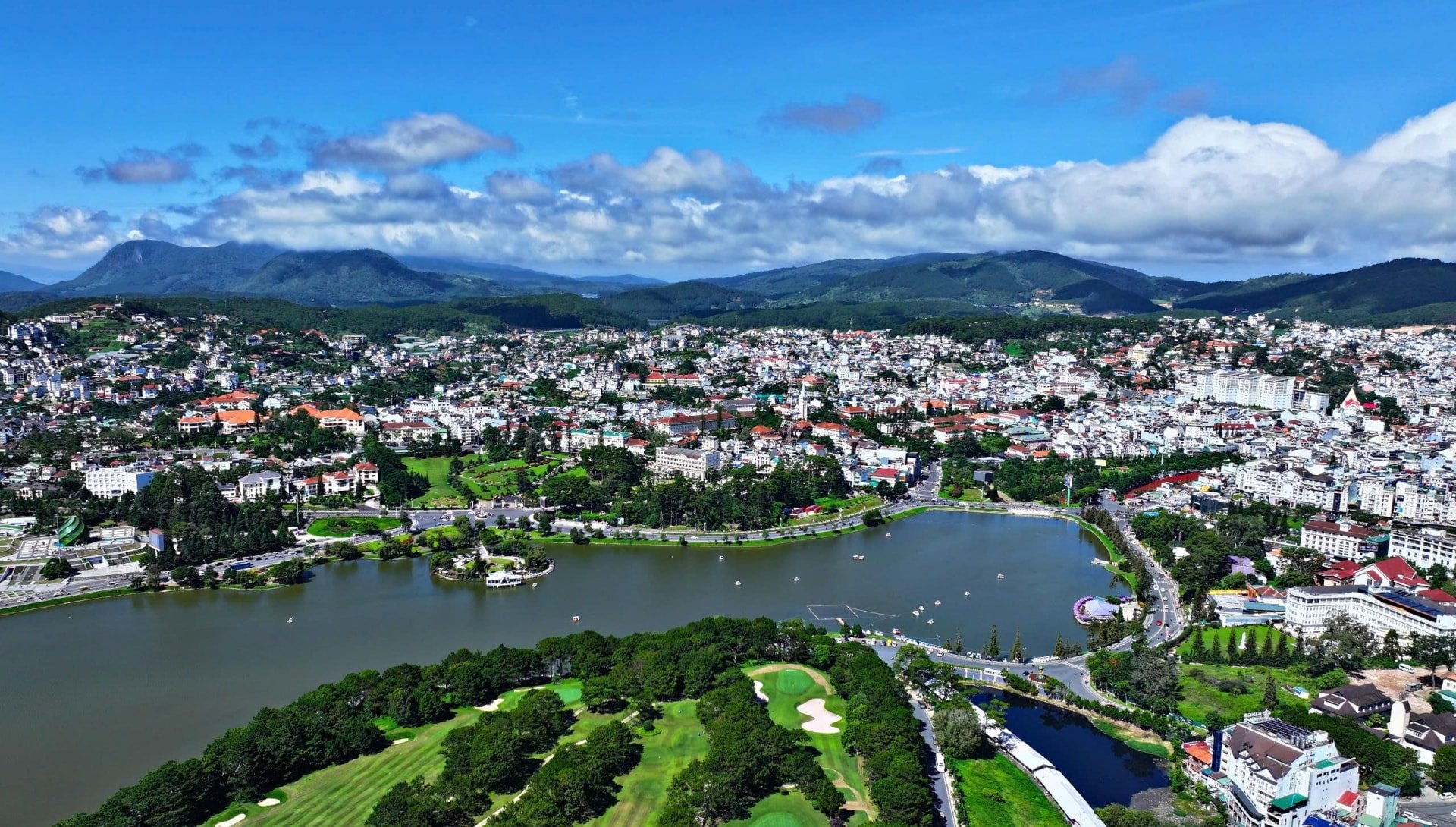
A corner of Lam Dong province .
Preparations are underway for the formation of a new Lam Dong province.
On the morning of April 16th, the National Conference to disseminate and implement the Resolution of the 11th Plenum of the 13th Central Committee of the Communist Party of Vietnam was held in a hybrid format combining in-person and online participation; among the solutions for the reorganization of administrative units in 2025.
Through research into Lam Dong's future, it can be seen that Lam Dong has great potential for sustainable development. If it continues to make breakthroughs in science , technology, innovation, creativity, and national digital transformation, Lam Dong will confidently enter a new era alongside the country.
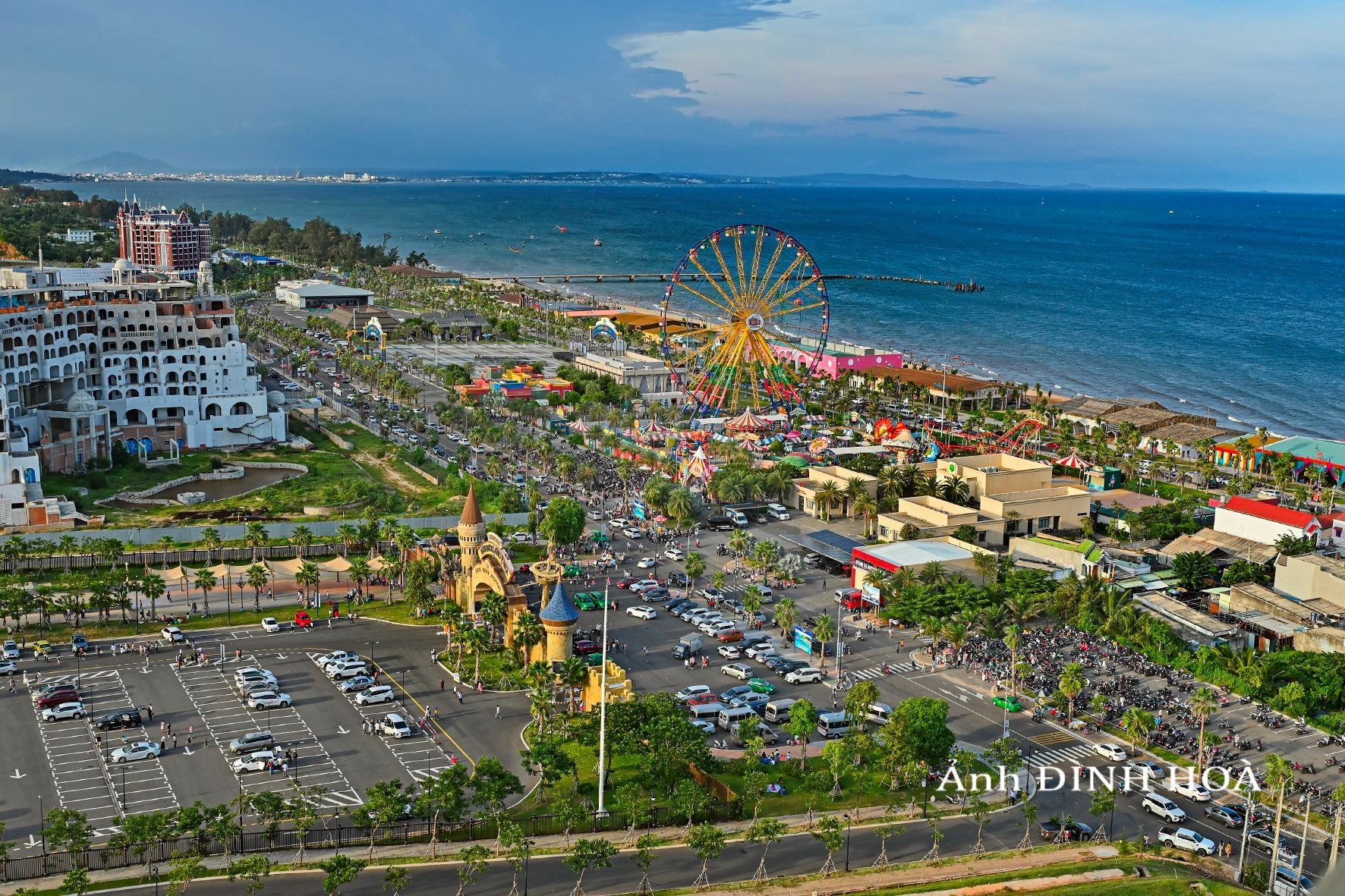
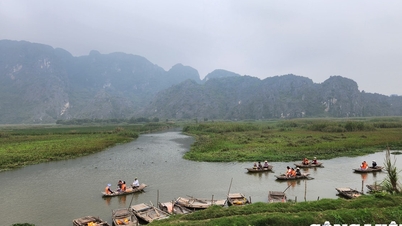
A corner of Binh Thuan .
Currently, Lam Dong province is focusing on implementing the policies and guidelines of the Party and State to perfect the province in the future based on: Resolution No. 60-NQ/TW dated April 12, 2025, of the 11th Conference of the Central Committee of the 13th Party Congress; Resolution 76/2025/UBTVQH15 of the Standing Committee of the National Assembly on the rearrangement of administrative units in 2025; Decision 759/QD-TTg, merging Dak Nong province, Binh Thuan province, and Lam Dong province into a new province called Lam Dong, with its administrative and political center located in Da Lat city, Lam Dong province. The province has a natural area of 24,233.1 km2 (ranked 1st nationwide); a population of 3,324,400 people (ranked 13th nationwide); and a GRDP of 329,871 billion VND (ranked 8th nationwide).
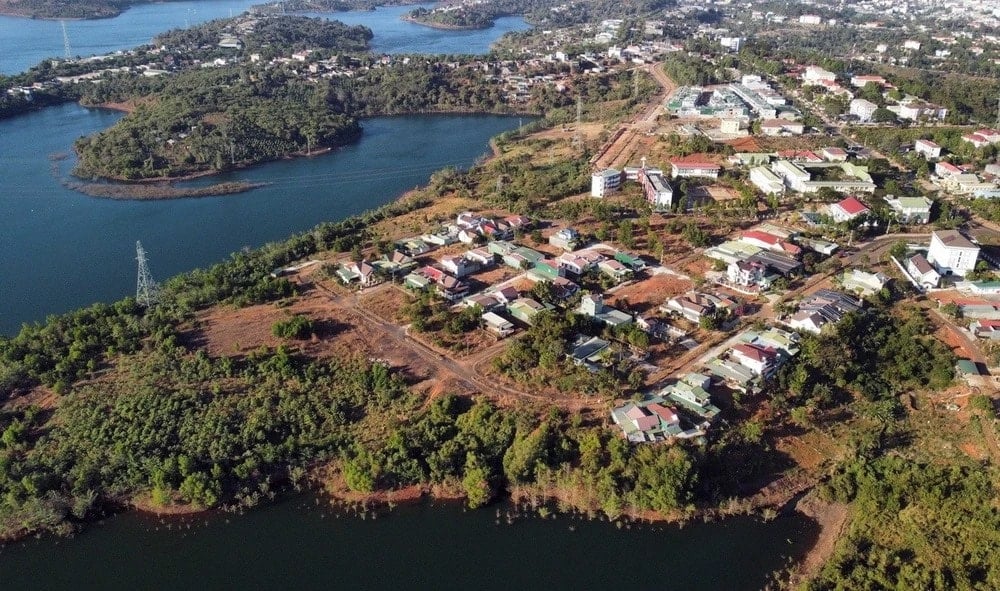
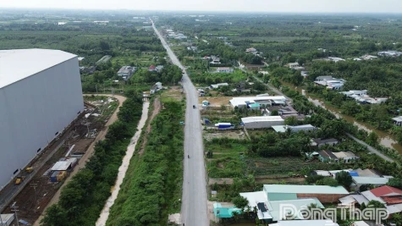
A view of Dak Nong.
Comparative advantages
Developing high-tech agriculture:
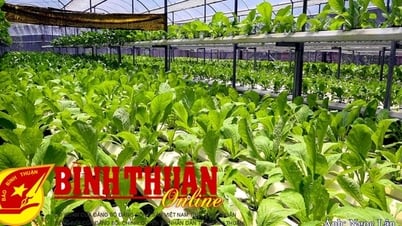
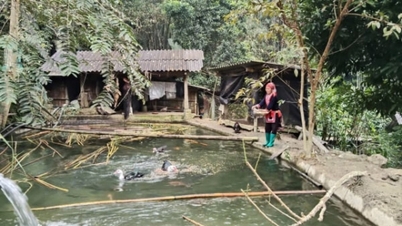
High-tech agriculture is one of Lam Dong's leading advantages. As a province with one of the largest agricultural land areas in the country, it covers over 1,054,000 hectares (Dak Nong has approximately 378,000 hectares, Lam Dong approximately 320,000 hectares, and Binh Thuan approximately 356,000 hectares). The altitude of agricultural land varies greatly, from 2 meters (Binh Thuan) to 1,600 meters (Lam Dong); encompassing the agricultural ecosystems of the Southeast and Central Highlands regions. Therefore, Lam Dong province has the conditions to develop high-tech agriculture with the most diverse range of crops and livestock in the country (long-term industrial crops, fruit trees, vegetables and flowers, large-scale livestock farming, and aquaculture).
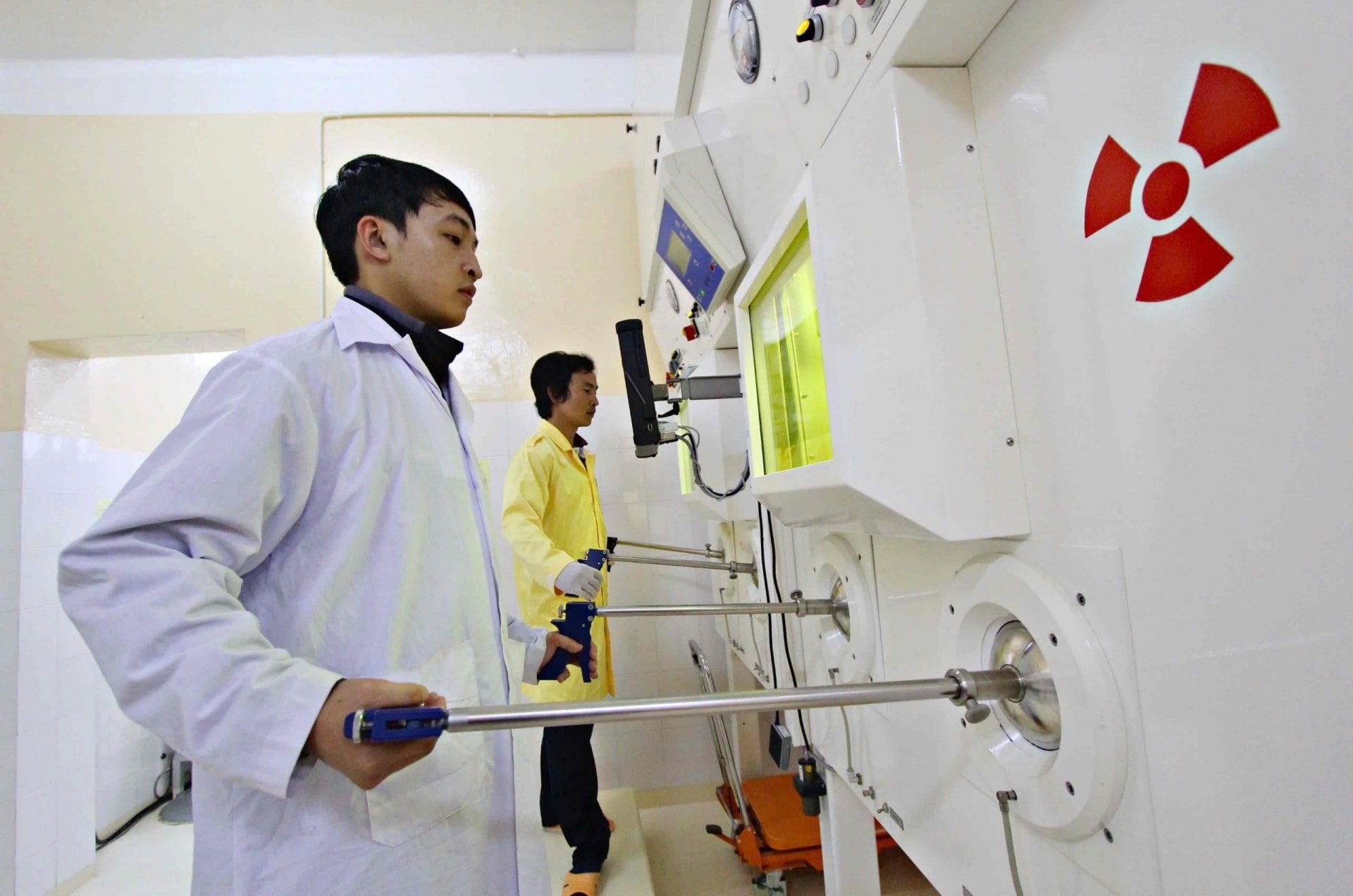 |
| Students from Da Lat University practice on a nuclear reactor simulator with Korean experts. |
Potential for developing green tourism:
Lam Dong province possesses exceptional tourism potential due to its harmonious blend of forests and seas: it boasts numerous iconic landmarks like Da Lat; it is steeped in mysterious love stories, particularly the legendary love story of Lang Biang; Tuyen Lam Lake is the first national tourist area in Vietnam; the lakes of Xuan Huong, Tuyen Lam, Than Tho, and Da Thien are as beautiful as ink paintings; and the Cau Dat and Bao Loc tea hills offer countless beautiful scenes close to nature, often shrouded in fog for months of the year, creating a sense of harmony between heaven and earth.
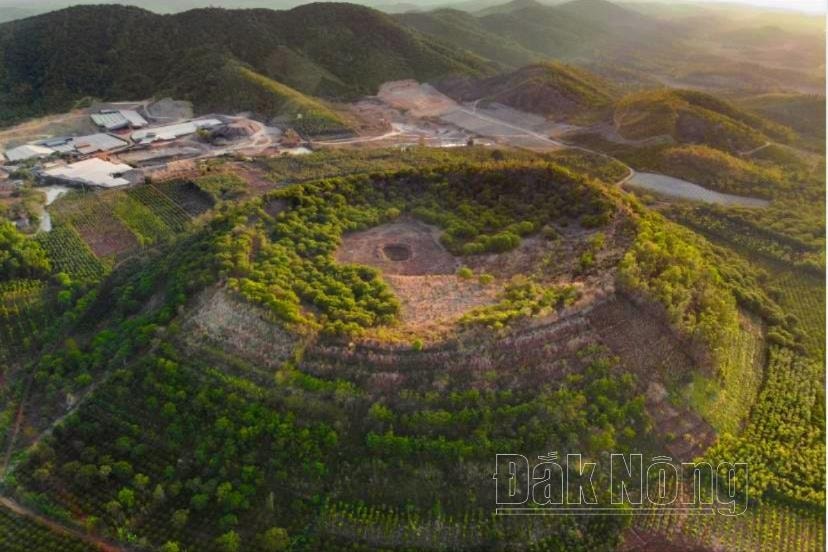 |
| Bang Mo Volcano (Dak Nong) is classified as a provincial-level historical site. |
Dak Nong Geopark spans an area of 4,760 km² , boasting approximately 65 geological and geomorphological heritage sites, including a system of nearly 50 caves with a total length of over 10,000 m, volcanic craters, and waterfalls that create natural masterpieces, constantly drawing tourists to explore; Ta Dung Lake, with a surface area of nearly 6,000 hectares, is likened to Ha Long Bay in the Central Highlands and has great potential for developing eco-tourism.
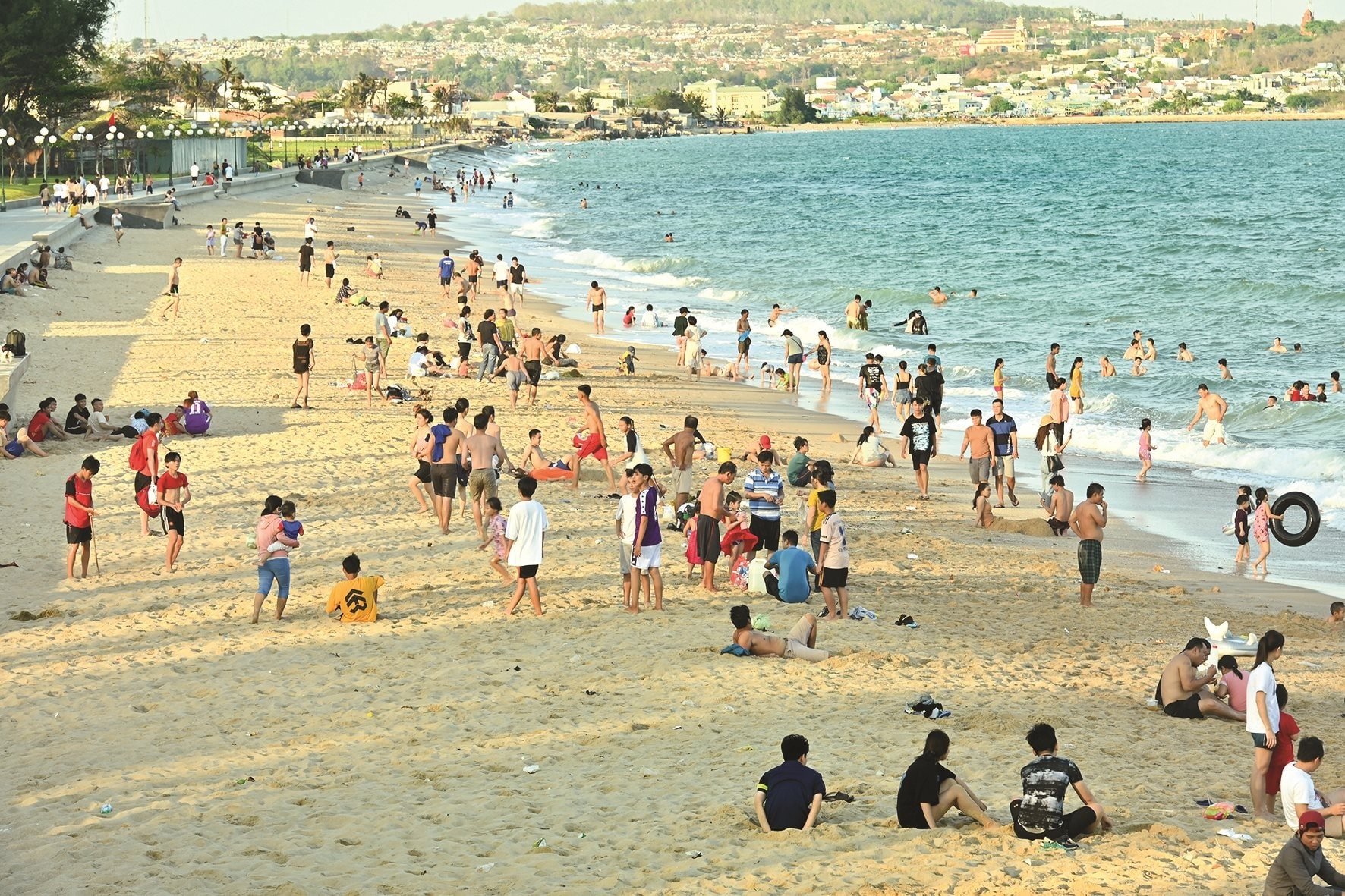 |
Phan Thiet, with its diverse ecosystem of tourist attractions, always captivates sea-loving visitors, such as Doi Duong Beach Park and Ong Hoang Palace; Mui Ne, with its dozens of famous resort brands, still retains pristine fishing villages with traditional culture and boasts many unspoiled islands, especially Phu Quy Island… and many other attractive destinations that Lam Dong possesses, consistently chosen by domestic and international magazines as appealing destinations for tourists from all over the world. All these tourism potentials enable Lam Dong to develop green tourism, following global trends.
Forest resources and high biodiversity:
Lam Dong province has approximately 1,128,689 hectares of forest land, the largest in the country (Dak Nong has about 248,000 hectares of forest, Lam Dong has about 538,741 hectares, and Binh Thuan has about 342,128 hectares); Lam Dong possesses the Lang Biang World Biosphere Reserve, a portion of the forest belonging to Cat Tien National Park - the first Green List title in Vietnam; Ta Dung Nature Reserve, Ta Kou Nature Reserve and Nui Ong Nature Reserve.
Therefore, Lam Dong has abundant forest resources and high biodiversity, resulting in a rich flora and fauna; many of which are listed in the Red Book of Vietnam and the world. Lam Dong's forest resources have great potential for developing ecotourism and creative tourism, contributing to climate regulation, adaptation to climate change, and serving as an upstream water source for the provinces in the Southeast region.
 |
Mineral resources of national and international significance:
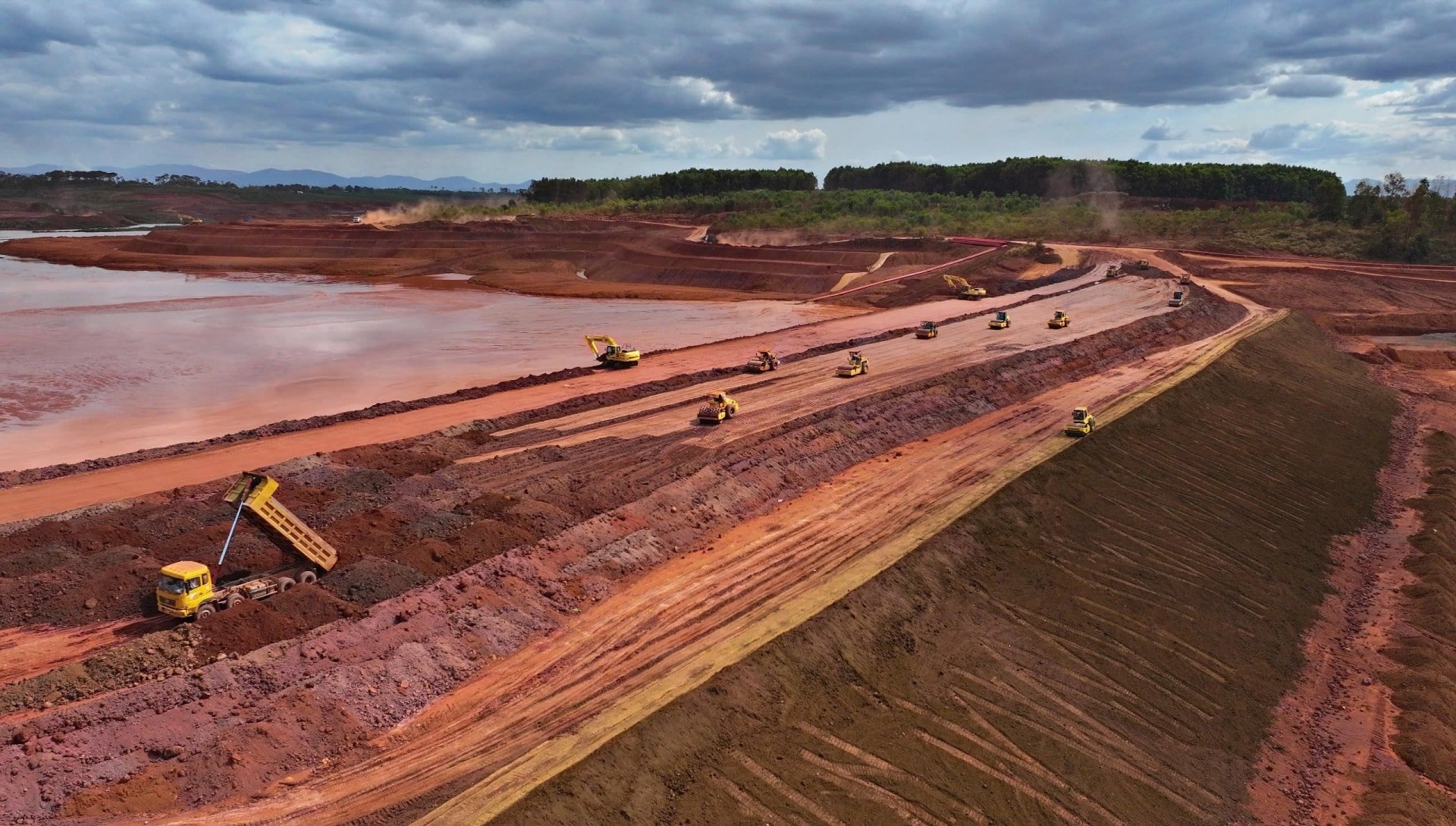
According to statistics, Lam Dong province has over 30 types of minerals, most notably bauxite, titanium, and other minerals such as kaolin, diatomite, bentonite, granite, and peat. Of these, bauxite reserves exceed 5.4 billion tons (Dak Nong province has approximately 4.2 billion tons, accounting for 47% of the country's bauxite reserves, while Lam Dong has about 1.234 billion tons). Lam Dong has the potential to become a bauxite-alumina-aluminum industrial center for Vietnam and the world.
Lam Dong province has reserves of over 599 million tons of titanium ore, accounting for 92% of the country's titanium ore reserves, and has been planned to become the national center for titanium ore mining and processing.
The maritime economy has great potential but has not been exploited to its full potential:
Lam Dong province has a 192 km long coastline and a fishing ground covering 52,000 km2. Currently, surveys and classifications are being conducted on islands such as Hon Cau, Hon Nghe, Hon Lao, Ke Ga Lighthouse, Hon Ba, and the Phu Quy island cluster, which is famous for Phu Quy Island, a paradise for island and sea enthusiasts. The structure of industries is undergoing significant changes to reflect its potential.
There is great potential for the development of the cultural industry:
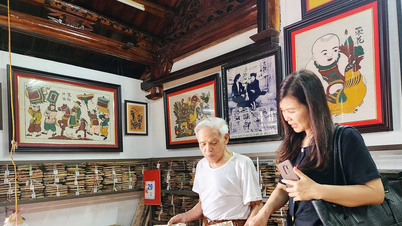
Lam Dong province boasts numerous UNESCO-recognized cultural and natural heritage sites, including: the Central Highlands Gong Culture; the Nguyen Dynasty Woodblocks; the Lang Biang World Biosphere Reserve; the Dak Nong Global Geopark; Da Lat, a UNESCO Global Creative City in the field of music; and the Cham pottery art, listed as an intangible cultural heritage in need of urgent safeguarding. In addition, there is the Cat Tien historical site and many other famous scenic spots in Lam Dong. Lam Dong also possesses many centuries-old architectural works, including Da Lat College, which is among the 1,000 unique architectural works of the 20th century.
 |
Lam Dong province is particularly home to many ethnic groups from all over the country, creating a unique cultural landscape; all these cultural elements, natural scenery, and architectural features constitute an invaluable asset with enormous potential for developing the cultural industry.
Breakthrough solutions from science and technology:
To harness its potential and advantages, Lam Dong province has implemented a comprehensive and decisive approach, focusing on effectively carrying out the tasks outlined in Resolution No. 57-NQ/TW of the Politburo on breakthroughs in national science, technology, innovation, and digital transformation, concentrating on the following basic solutions:
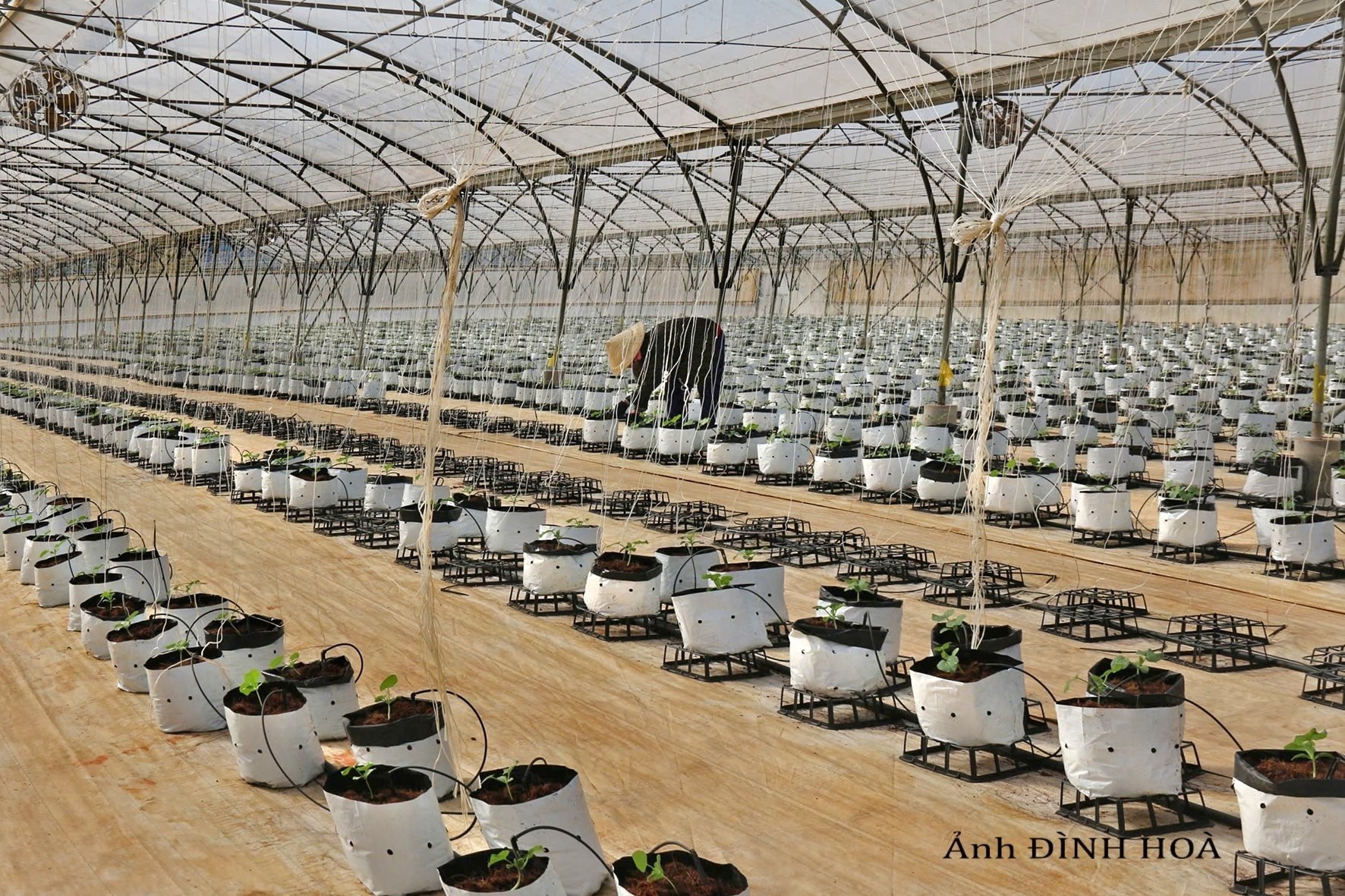
Applying smart technologies in agriculture, such as IoT, smart farm management systems, and drones for crop monitoring, will minimize damage from natural disasters or diseases. Developing a comprehensive agricultural sector encompassing high-tech agriculture, circular agriculture, organic farming, and eco-industry is crucial in the context of international integration and adaptation to climate change. Promoting linkages between businesses and farmers through collaborative models will help disseminate new technologies and create stable markets for agricultural products.
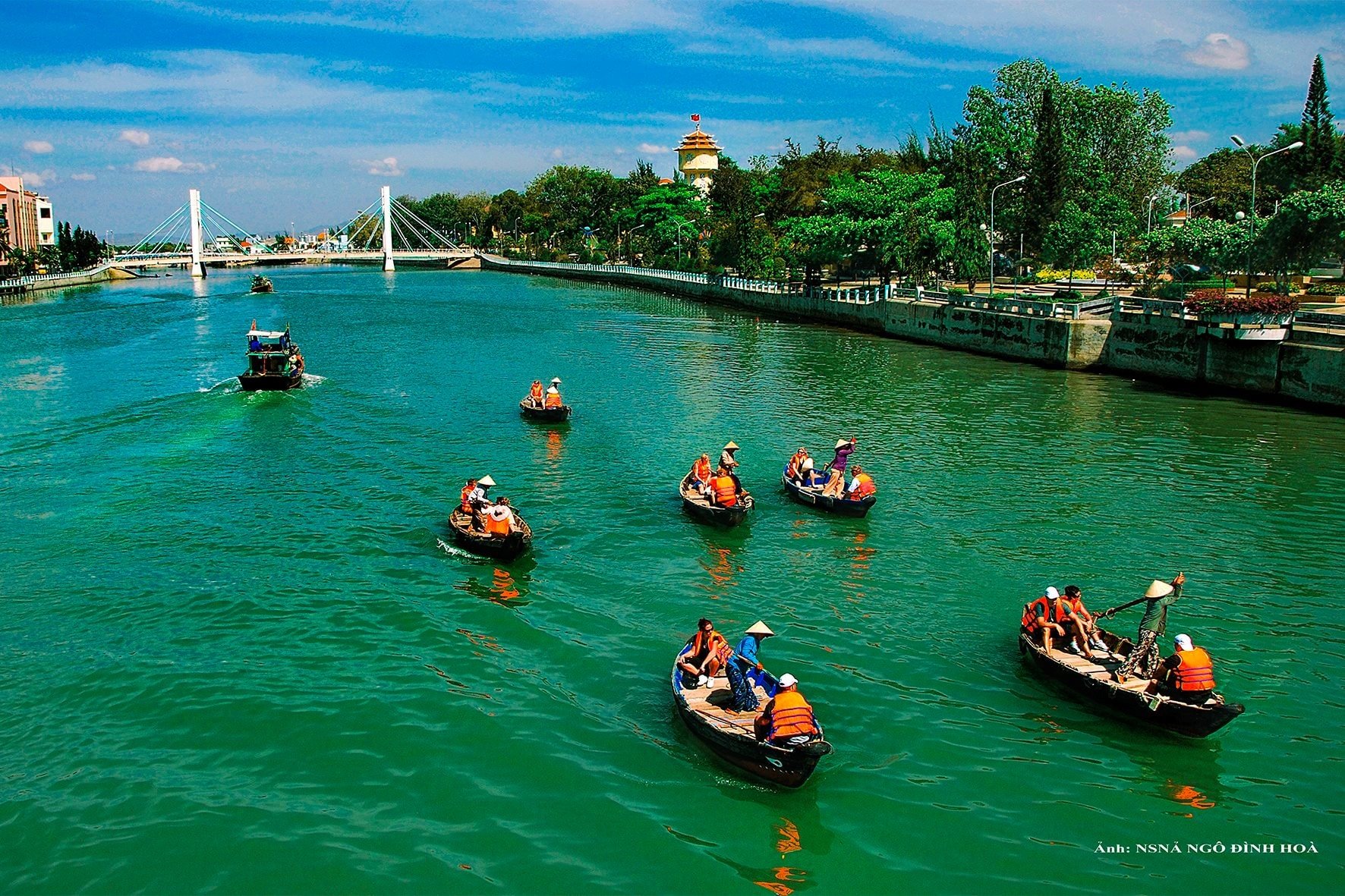
There is a comprehensive solution with a long-term vision for developing green tourism, attracting strategic investors with ESG-based management technologies to exploit the potential of comparative advantages in tourism;
Leveraging biodiversity in scientific research and international publications to attract international resources. Developing green tourism, creative tourism, and comprehensive solutions to adapt to climate change.
Research into advanced processing methods for bauxite mining, attracting strategic investors for bauxite processing, and implementing synchronized, scientific solutions between economic development and environmental protection are crucial for Lam Dong to become a national and international-level bauxite industry.
Investing in new technologies to develop the marine economy based on modern technology and engineering, such as oil and gas exploration, offshore fishing, maritime transport, and marine and island tourism, aims to maximize the unique potential advantages of Lam Dong's marine economy.
There are solutions for training human resources in the cultural industry, as this is a new field that has not received much research investment before; integrating advanced technologies and attracting investment to exploit the potential of the cultural industry in the future.
Strengthening cooperation with research institutes and universities both domestically and internationally is crucial for the comprehensive development of Lam Dong province's comparatively advantageous sectors, thereby enhancing product value and increasing competitiveness in the process of international integration.
One of the key factors determining success in innovation is human resources. Therefore, it is necessary to strengthen the teaching of science and technology-related subjects, especially in high schools and colleges. Students should be encouraged to participate in practical research and startup projects. The education system should not only focus on providing knowledge but also on developing creative and entrepreneurial skills for the younger generation, who will be the effective implementers of future potential values. Courses on new technologies and practical skills should be provided to workers in the province, especially in sectors with potential advantages.
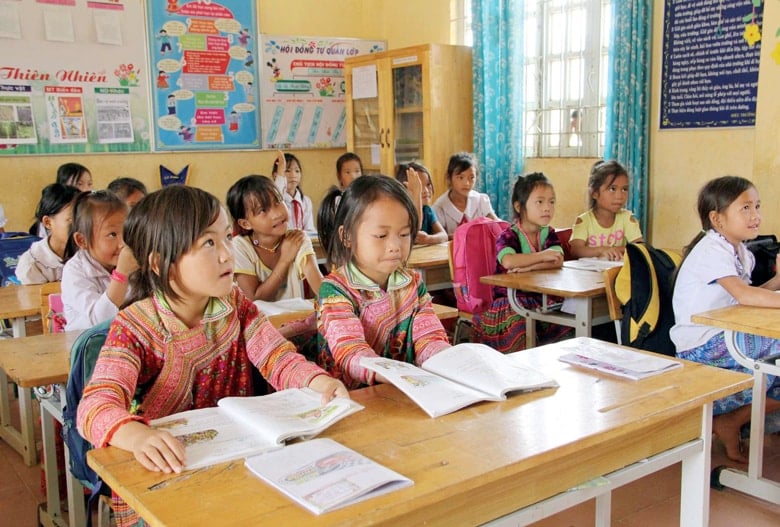
Encouraging innovation in education: Implementing entrepreneurship competitions for students to ignite a passion for creativity and entrepreneurship among young people. Facilitating the implementation of plans and developing appropriate support policies for innovative businesses, creating a scientific basis for many successful startups, focusing on high-tech fields, contributing to the creation of millions of jobs and local economic development. Adjusting taxes and providing financial support for businesses investing in new technologies and innovation. Creating a favorable environment for startups, including providing support funds, consulting, and training for young entrepreneurs. Establishing an Innovation Fund to financially support innovative startup ideas, scientific research, and technology.

Digital transformation is an inevitable trend in today's technological era. Lam Dong province needs to focus on developing the digital economy to enhance competitiveness, boost production, and provide services. Investing in telecommunications infrastructure, broadband internet, and implementing comprehensive digital transformation from public administrative services to rural areas will help people easily access information technology.
Establishing international partnerships: Creating links with international organizations to access resources, technology, and expertise in the development of science and technology, innovation, and digital transformation across all socio-economic sectors.
The newly established Lam Dong province will be a crucial turning point in its new development journey. To turn dreams and aspirations into reality, we need the joint efforts of all sectors of society – from the government and businesses to every citizen. This is not just the responsibility of one individual or organization, but of the entire community, creating a sustainable and prosperous development environment for future generations.
Dr. Pham S - Former Vice Chairman of the People's Committee of Lam Dong Province
Source: https://baobinhthuan.com.vn/lam-dong-trong-tuong-lai-129819.html
![[Image] Central Party Office summarizes work in 2025](/_next/image?url=https%3A%2F%2Fvphoto.vietnam.vn%2Fthumb%2F1200x675%2Fvietnam%2Fresource%2FIMAGE%2F2025%2F12%2F18%2F1766065572073_vptw-hoi-nghi-tong-ket-89-1204-jpg.webp&w=3840&q=75)



































































Comment (0)