

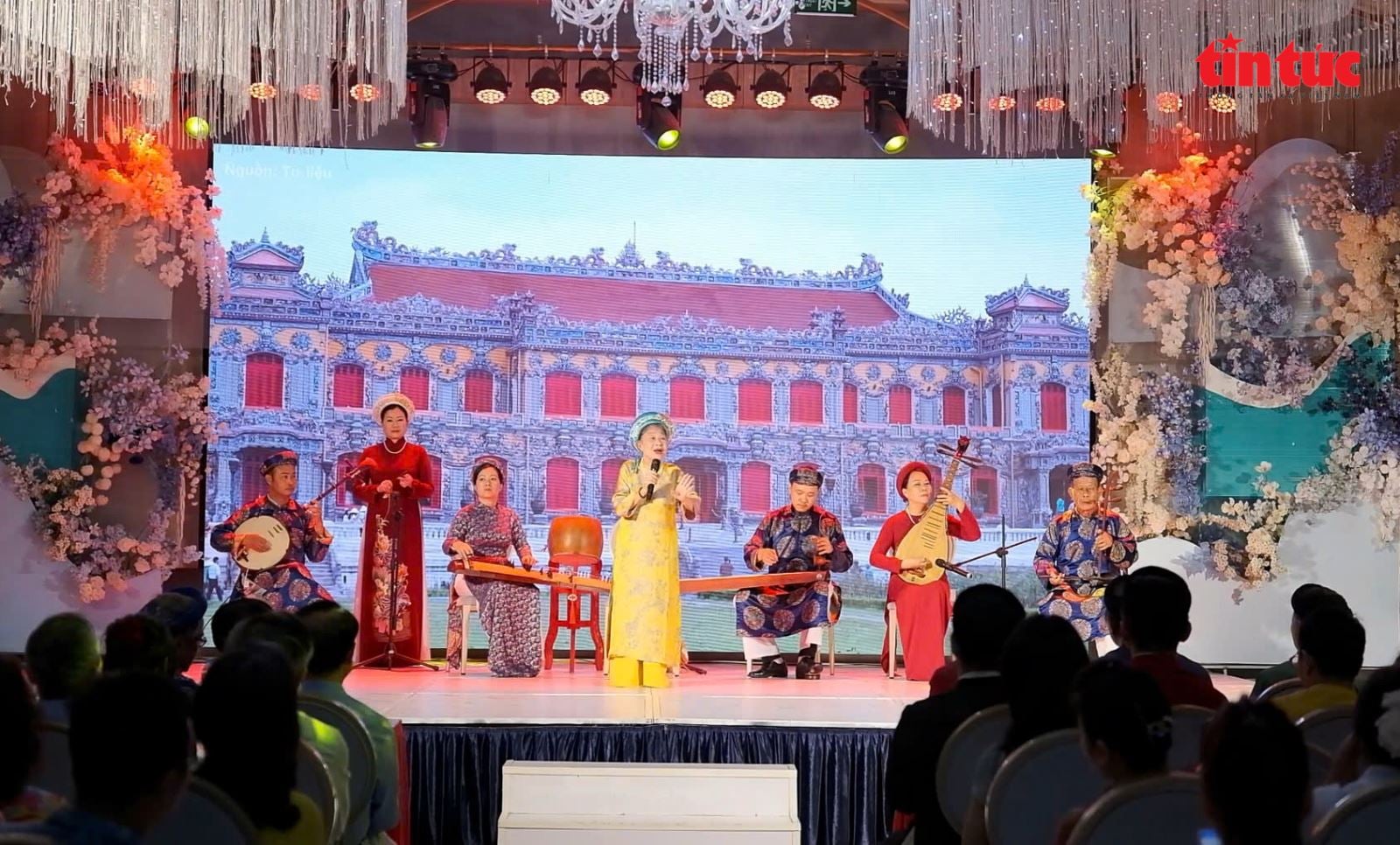
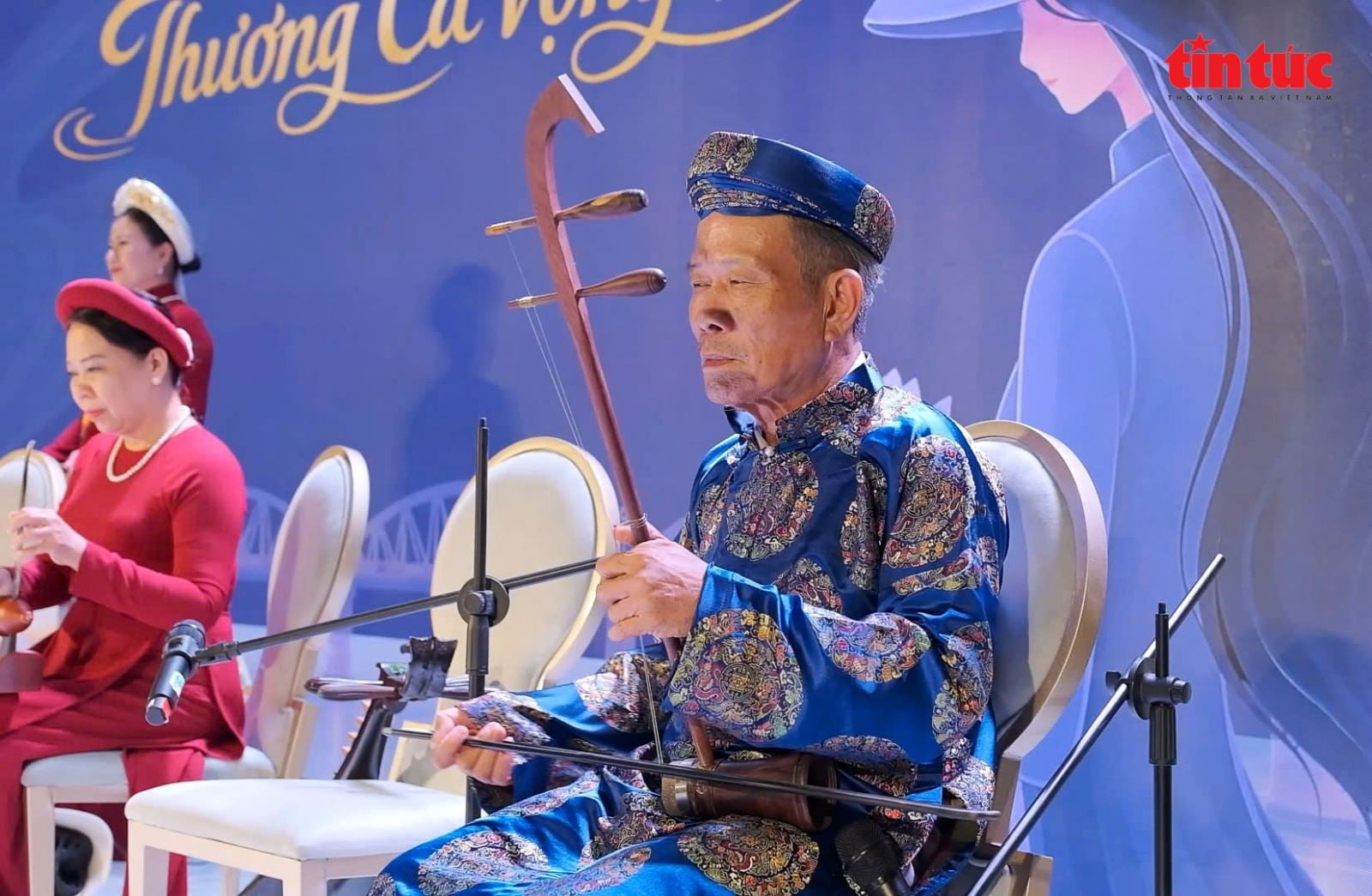
"Hue's Melodies" is an art project combining heritage music performances and a talk show. The program is structured as an artistic journey, bringing audiences closer to the cultural flow of the ancient capital, especially the subtle values of Hue folk songs in modern life.
Through songs, traditional costumes, and cultural and historical stories shared by artists and guests, the program aims to create an elegant and poetic space for art appreciation. At the same time, it is also an effort by young people to inspire love for heritage, raise awareness of preserving and spreading traditional cultural values to the community, especially the public in Hanoi.
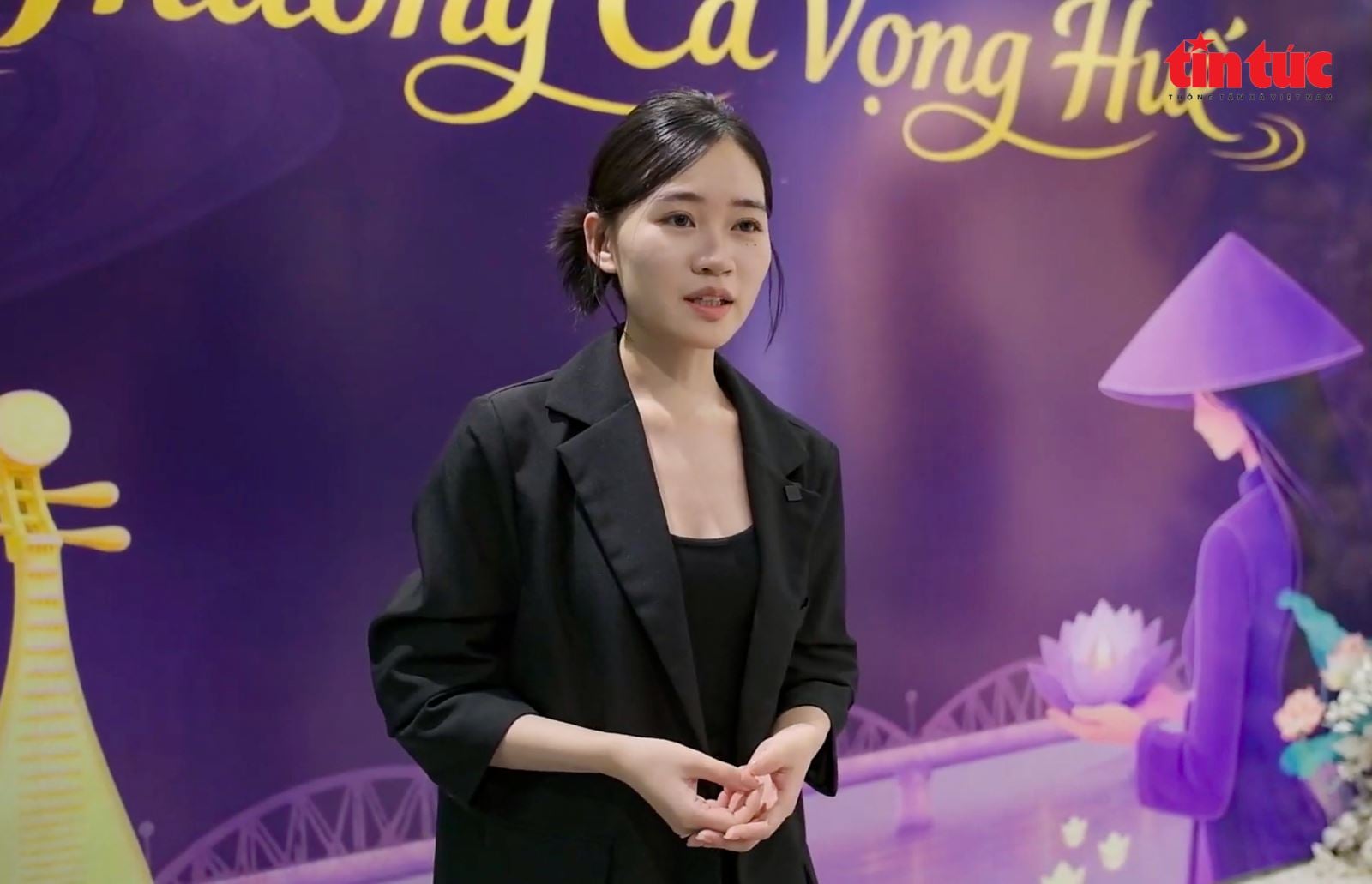
Sharing about the journey of implementing the program, Ms. Dinh Tu Quyen, Head of the Organizing Committee of "Hue's Melodies," said that during the process of researching and engaging with the Hue folk singing heritage, the group members increasingly felt the special appeal of this art form and wanted to introduce it to audiences in the North.
"A cultural heritage with its own unique beauty and enduring value is not limited by geographical space. When approached correctly, heritage will surely touch the emotions and receive the love of the public everywhere," Tu Quyen shared.
However, conducting in-depth research on Hue folk singing presented numerous challenges, especially since this art form is not yet widely popular or promoted in the northern region. The group proactively sought out materials, connected with artists and experts to receive professional advice and insights into cultural content.
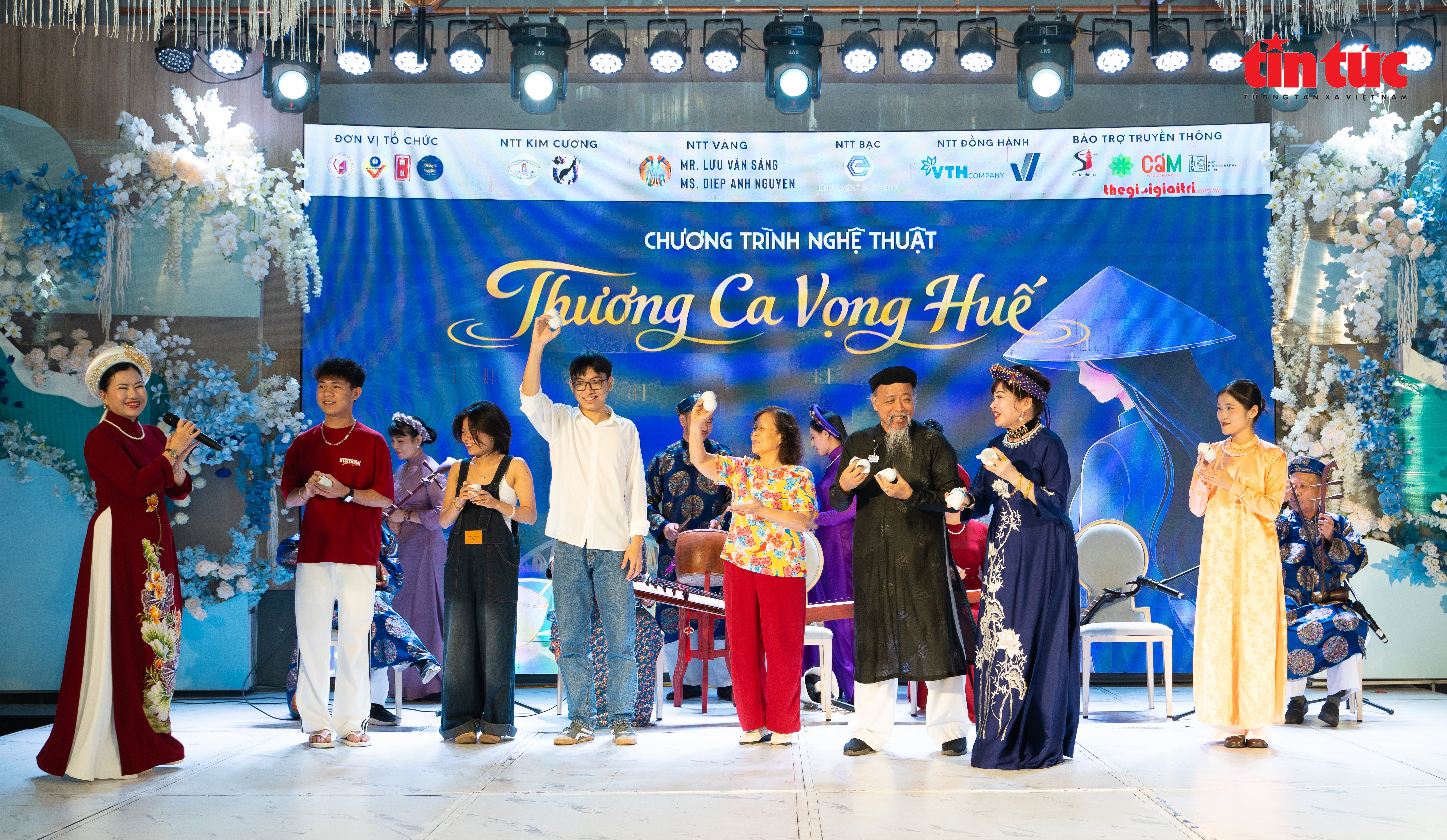
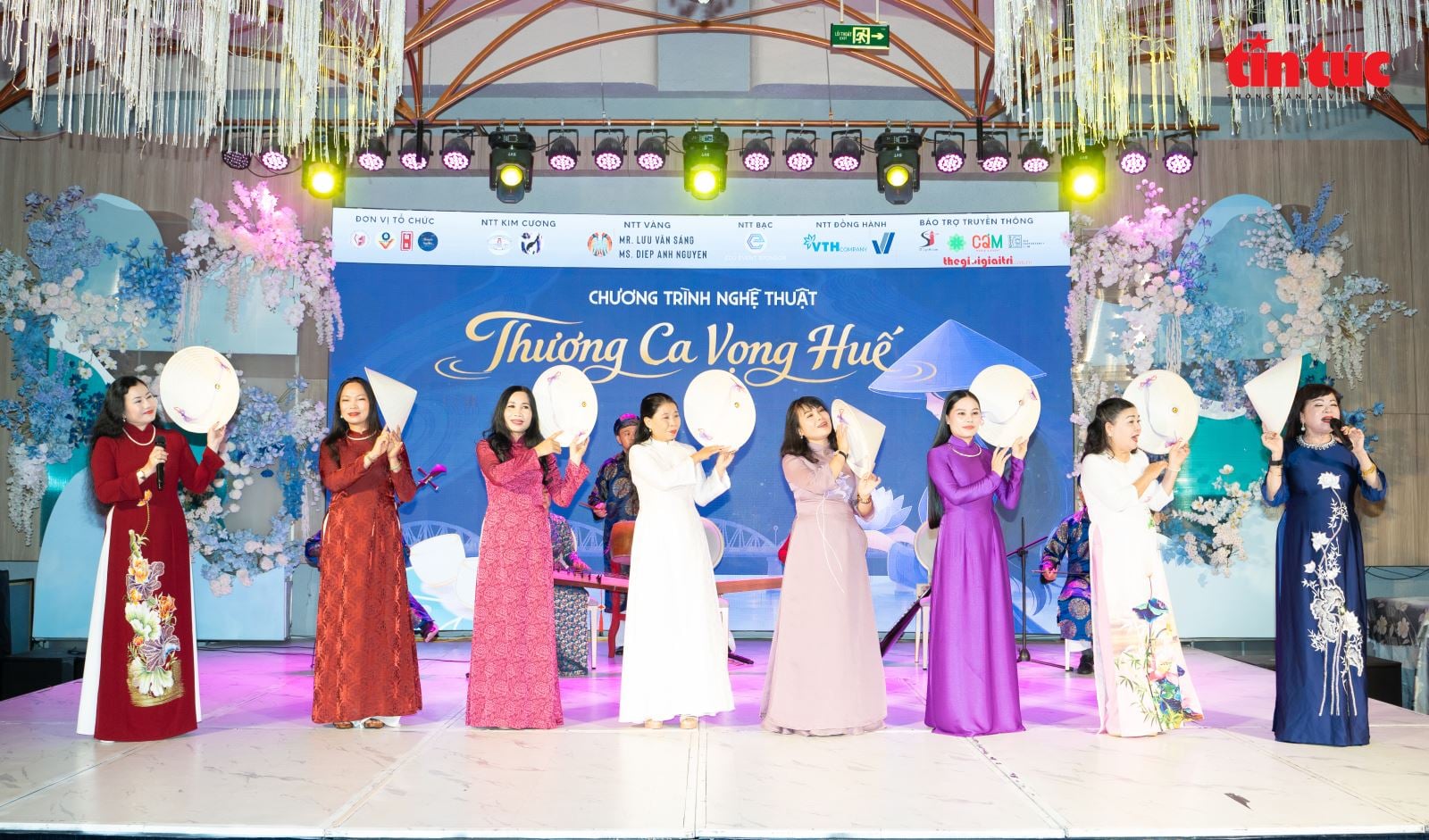
"Despite facing many obstacles, it was our love for heritage that helped us persevere in pursuing the project, and we received invaluable support from teachers, artists, and many other organizations," the Head of the Organizing Committee further shared.
As the program concluded successfully, what remained for the young people was not only the joy of completing a meaningful project but also the emotion and gratitude after their shared efforts. The group of young people hopes that "Hue's Melodies" will not only become a beautiful memory for the audience but also contribute in a small way to spreading the subtle, profound beauty and unique identity of Hue folk songs, the distinctive musical heritage of the ancient capital, closer to today's public.
As someone born and raised in Hue, Thien Phuoc, Deputy Head of the Organizing Committee of the program, shared: "My love for Hue folk songs has been formed from very early memories. Since I was little, I have been exposed to Hue folk songs. Every time I went with my family to the city center, and went down to the Perfume River to listen to Hue folk songs on the dragon boats along the river, I clearly felt the very unique characteristics of Hue culture in each melody," Thien Phuoc said.
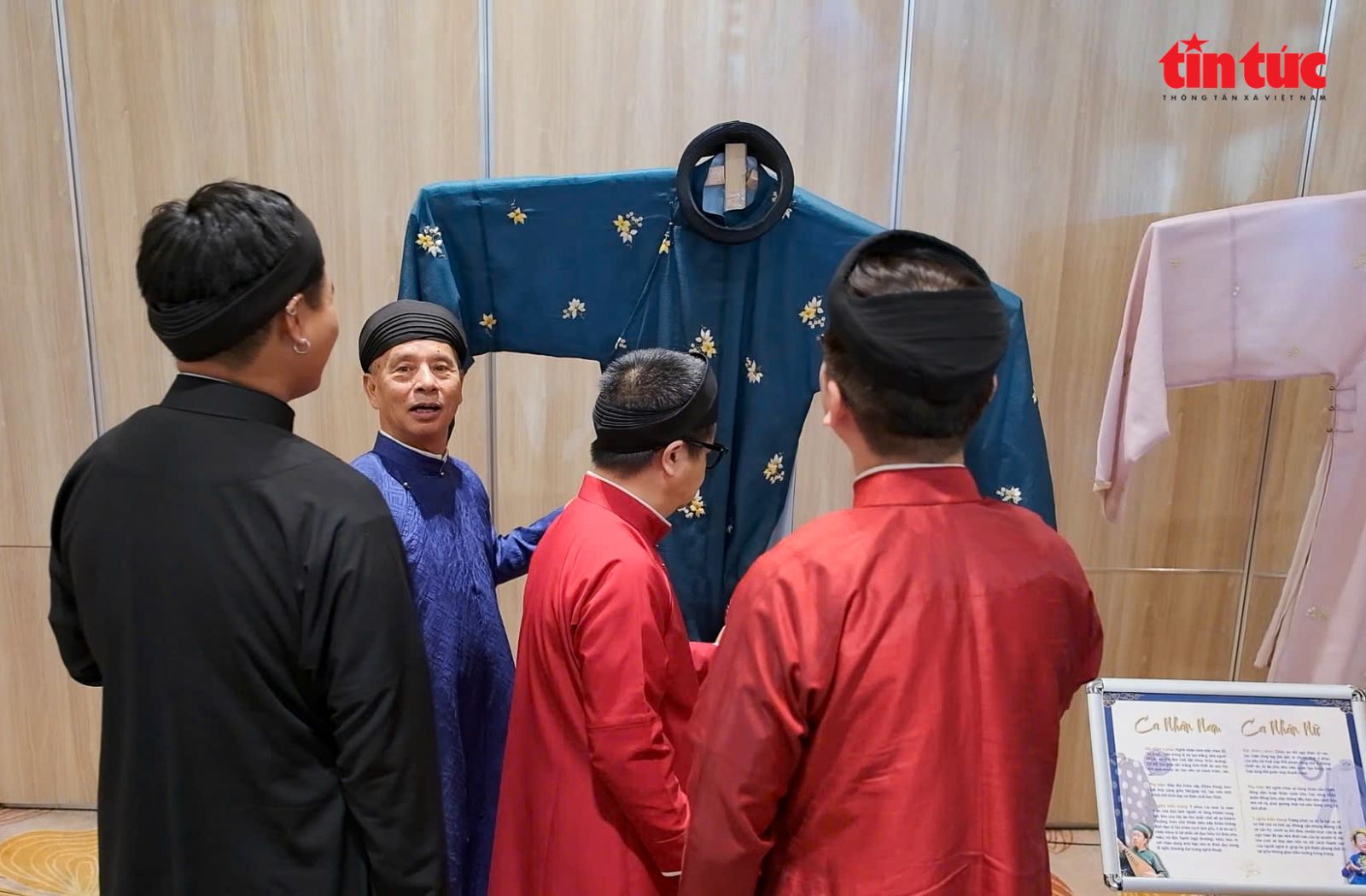

According to Thien Phuoc, in contemporary life, Hue folk singing is still being preserved quite well thanks to the local government's cultural and tourism development policies. Hue folk singing tours on the Perfume River have become a familiar tourist product, widely promoted to visitors. In addition, the Hue Festivals, held every two years, also play an important role in honoring and spreading the value of this traditional art form.
Beyond tourism, many artisans and Hue folk singing clubs continue to diligently preserve their craft, including the artists invited to perform at this event.
Sharing his thoughts on bringing Hue folk singing to the public in the North, Thien Phuoc said that the most important thing is to preserve the original identity of the heritage. When bringing culture to another region, the first thing to do is to preserve the traditional spirit and essence of that art form. Only by maintaining the core values can the public deeply understand and fully appreciate the culture where the art originated...
Thien Phuoc also believes that, not only the group performing "Hue's Song of Love," but increasingly more young people are showing love and interest in traditional art forms. This love will become a driving force for the younger generation to continue spreading the original and enduring values of the national heritage.
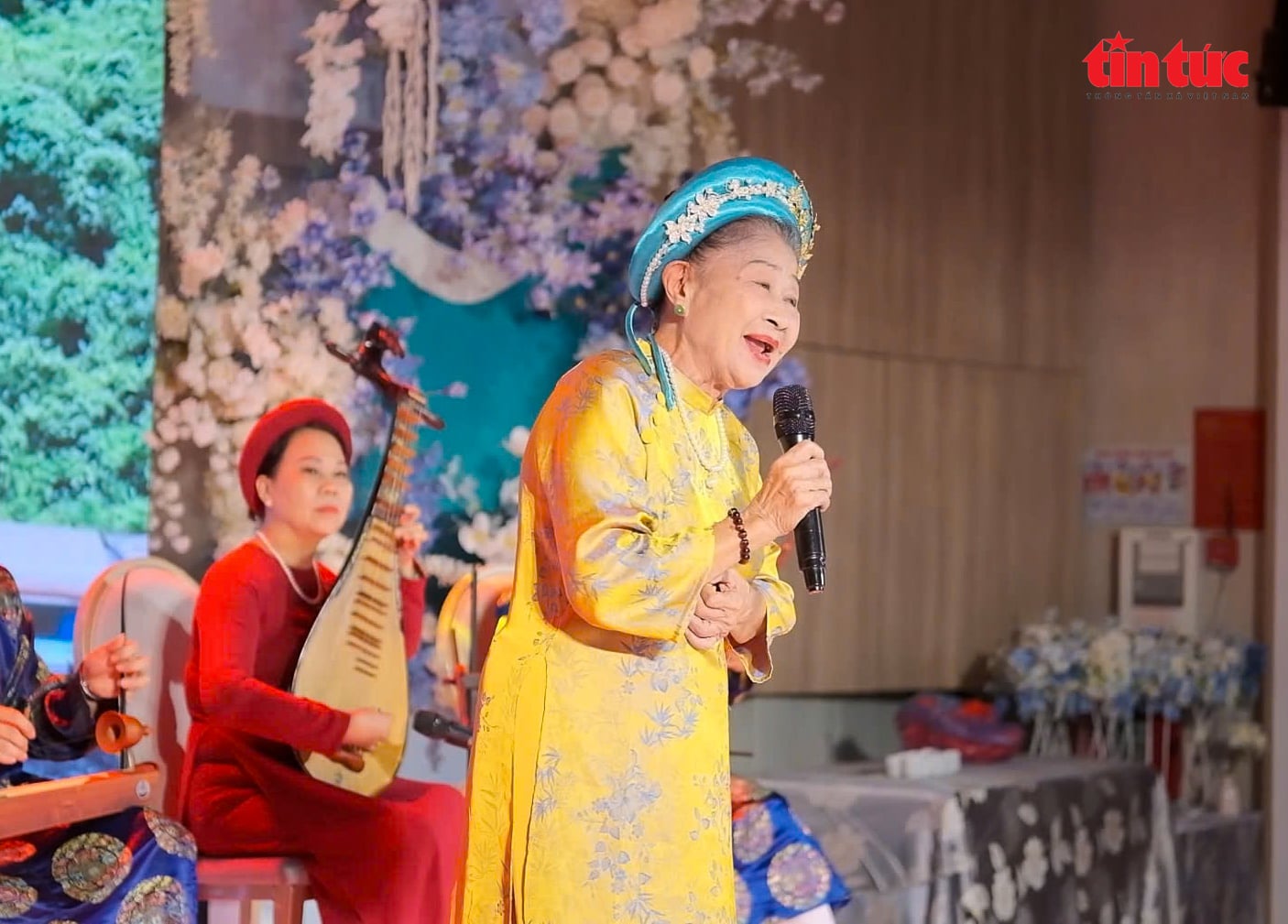
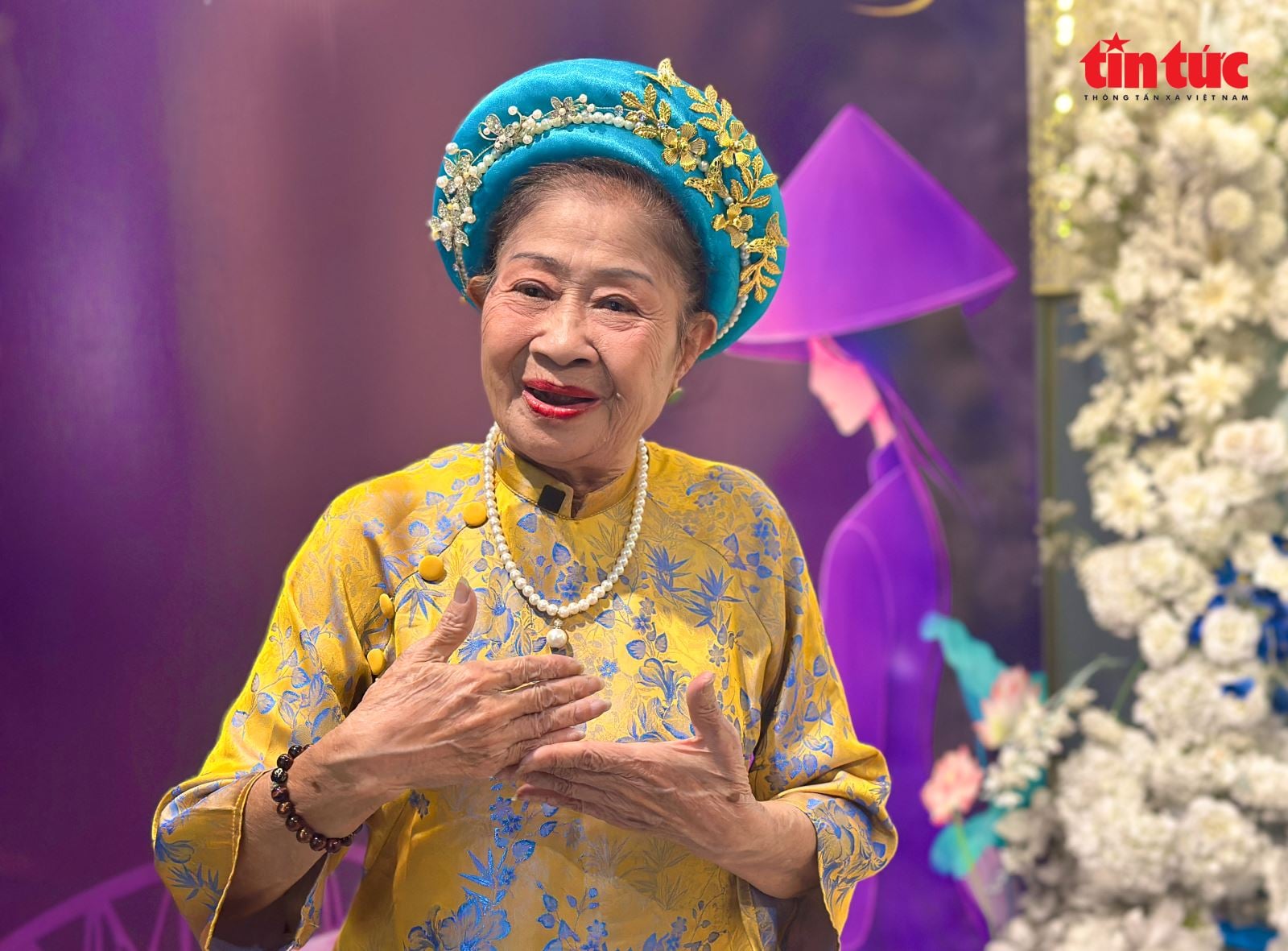
Accompanying young people in programs about culture and heritage, Meritorious Artist Kim Vàng expressed her emotion at the connection between artists and today's young audience. According to the female artist, the most valuable thing in performing arts is interaction. An artist only truly flourishes when they receive empathy and support from the audience, especially the younger generation. When young people care, listen, and accompany artists, it is a great source of motivation for artists to continue preserving and contributing to the arts.
Having taught at the Hue Academy of Music for over 20 years, Meritorious Artist Kim Vang has always been concerned about the future of Hue folk singing. Without preservation and transmission, this art form risks fading away over time. Creating performance, learning, and experiential spaces for young people is a way to "rekindle" the vitality of this heritage. Previous generations of artists have a responsibility to pass on and widely disseminate this knowledge so that more and more people understand, love, and continue the traditional folk songs of the nation.
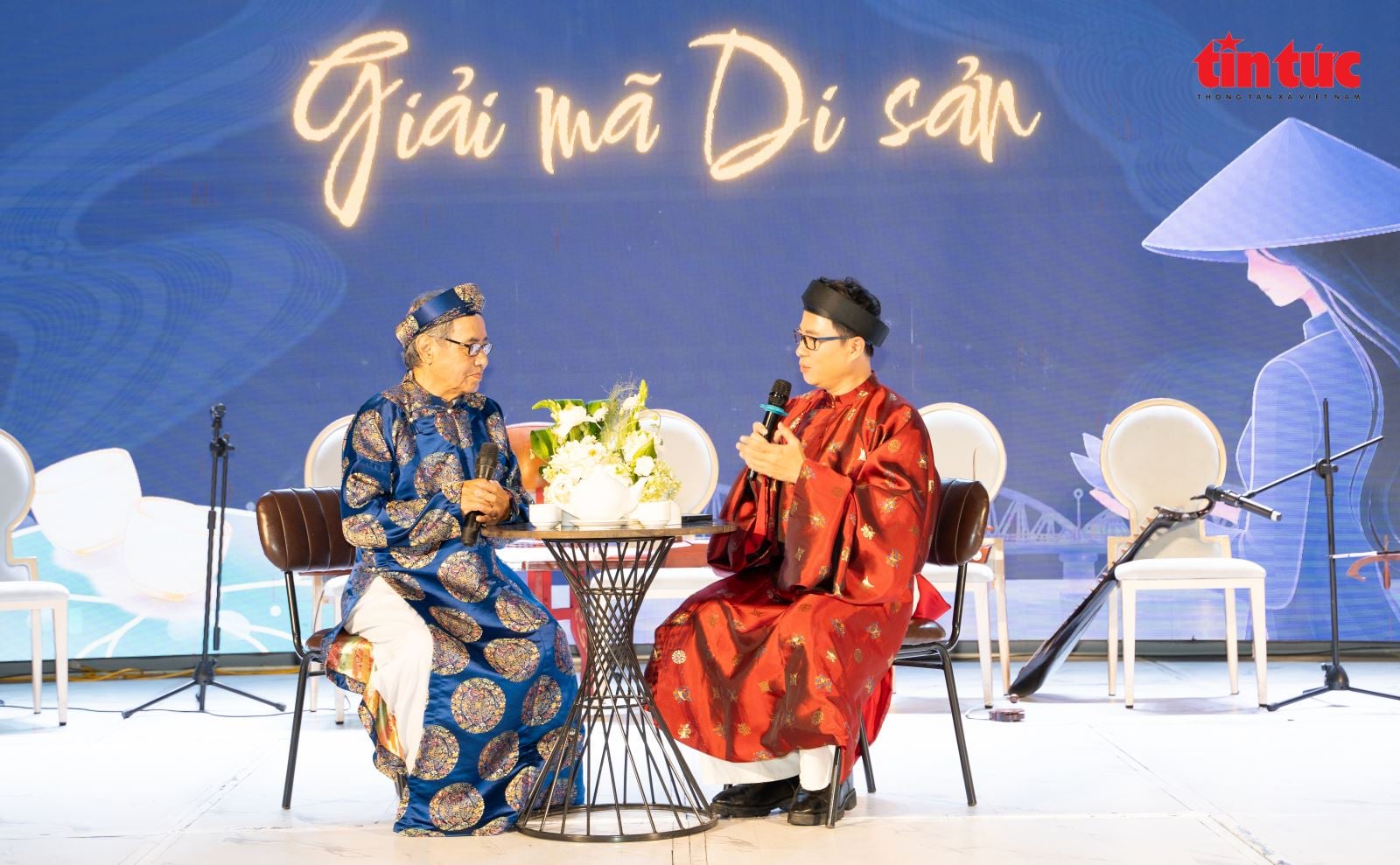
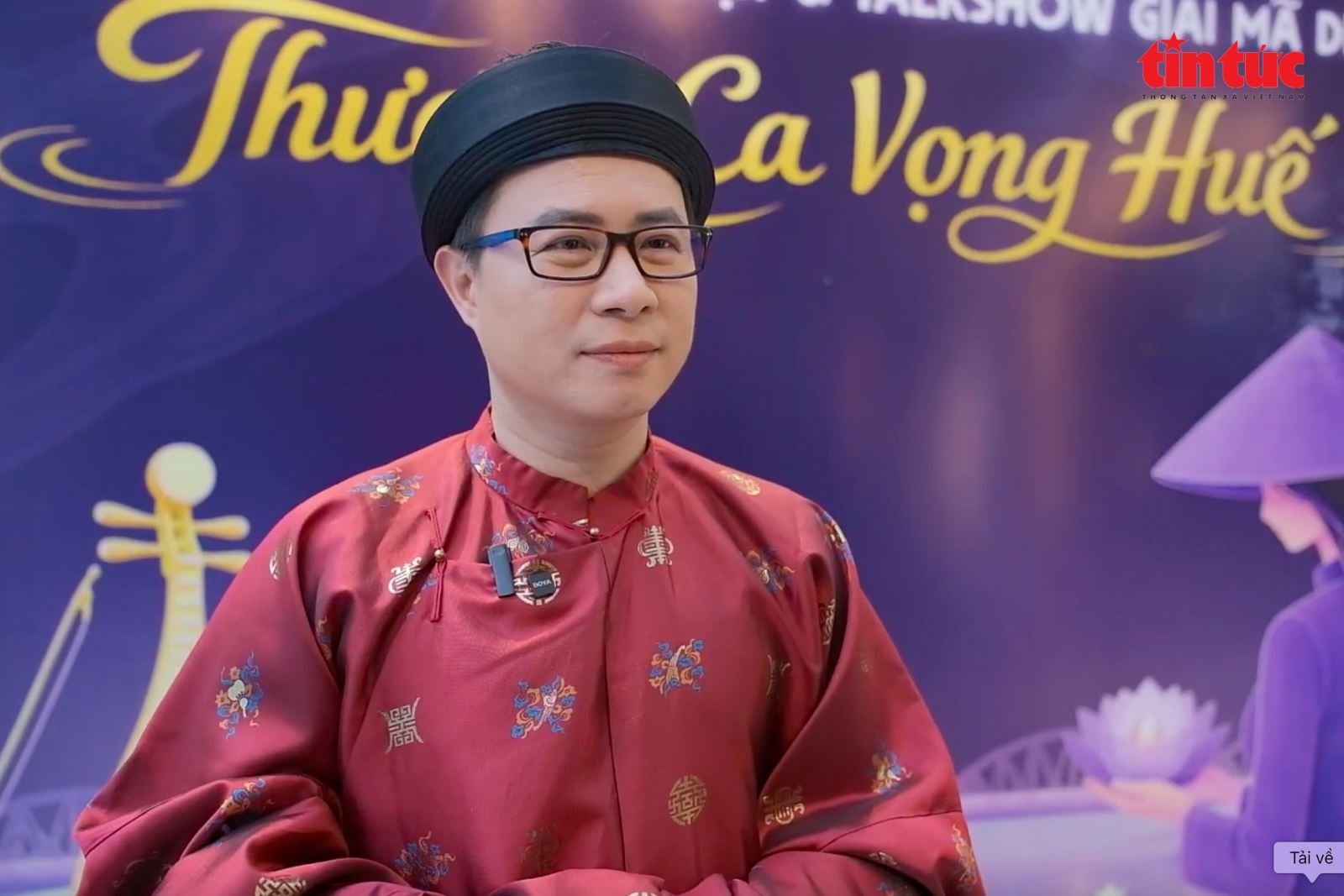
Commenting on the significance of the program, Dr. Trinh Le Anh, a lecturer at Hanoi University of Culture, said that Hue folk singing is an art form that deeply reflects the spiritual life and soul of the people of Hue, a dreamy land where many unique cultural values of the Vietnamese nation are embodied.
“The valuable aspect of this program is that young people have created an opportunity for Hue folk singing to be ‘reawakened’ in the heart of Hanoi. We are accustomed to enjoying Hue folk singing in its birthplace, but inviting artisans and artists from Hue to perform in their original form in the capital helps the public better understand what authentic Hue folk singing is,” shared Dr. Trinh Le Anh.
Although the performance space is set in a new context, the revival of Hue folk singing in Hanoi still holds special significance, as it is one of the few programs that brings this art form closer to audiences in the North.
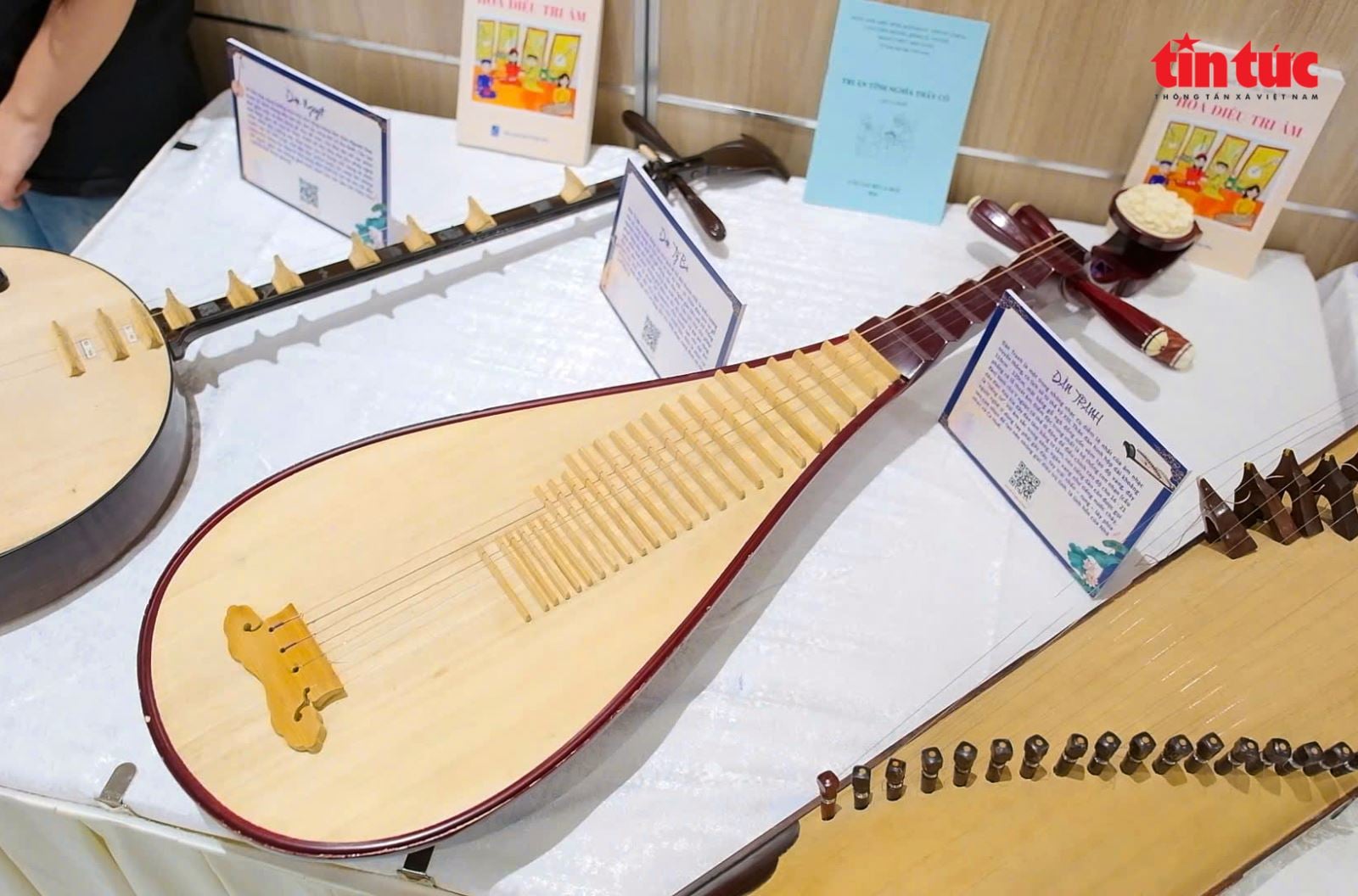
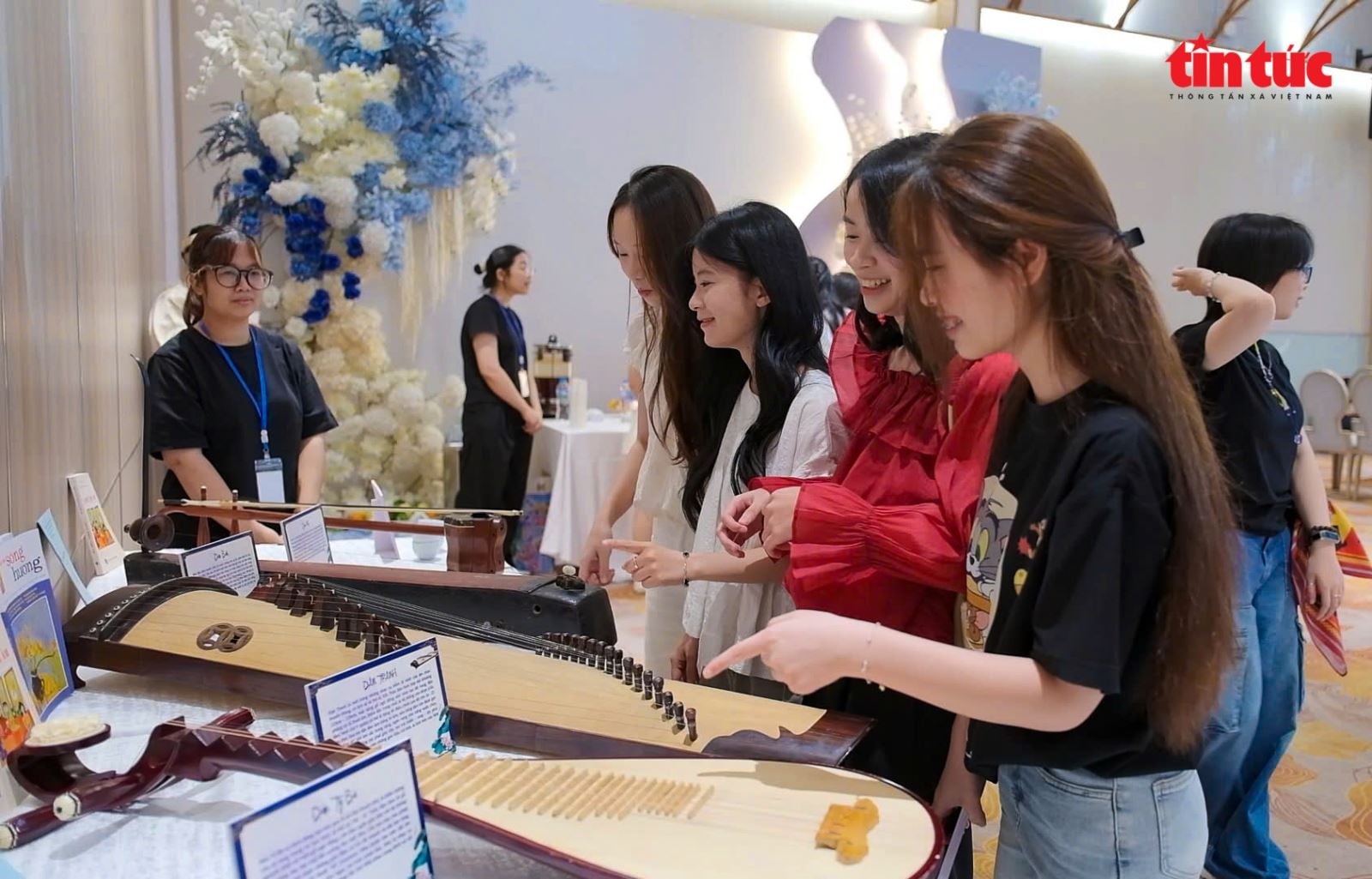
Beyond simply preserving its original form, the program also explores creative experiments by combining Hue folk singing with contemporary fashion and artistic language of young people. According to Dr. Trinh Le Anh, these explorations raise a crucial question: Can Hue folk singing reach the younger generation through new forms of expression while still retaining its traditional identity?
Recently, many forms of folk art such as Xam singing, Cheo opera, Cai Luong opera, and Hat Van singing have received positive reception from young audiences thanks to their innovative approaches. Therefore, Hue folk singing has the potential to become one of the art forms favored by young people if a suitable performance space is found.
"Not all young people have the opportunity to visit Hue, take a boat trip on the Perfume River, or step into the ancient royal palace spaces to enjoy Hue folk songs. Therefore, bringing Hue folk songs out of familiar spaces is a way to broaden the accessibility of this heritage," emphasized Dr. Le Anh.
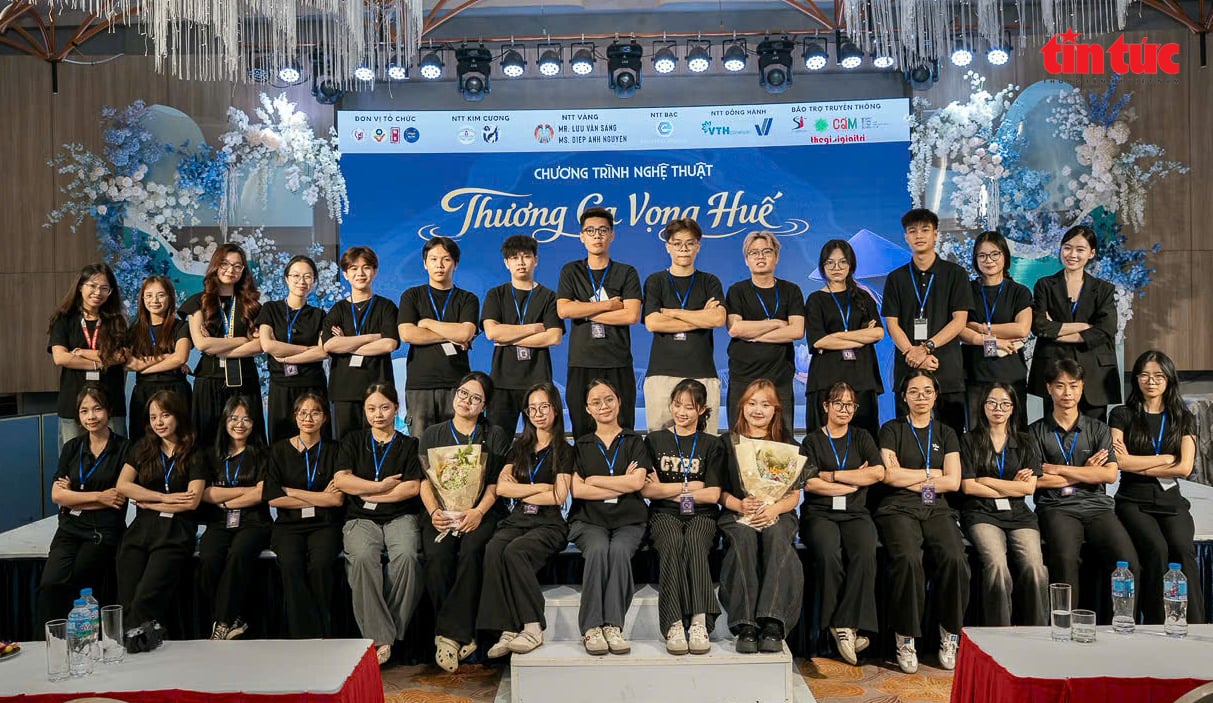
According to Dr. Trinh Le Anh, the most important thing is not for the older generation to perform Hue folk songs for the younger generation, but to give young people the opportunity to become the main organizers and creators. When they participate directly, they will breathe new expressive language into the heritage, thereby helping Hue folk songs continue to live in contemporary life with the energy of today's generation.
Nguyen Xuan Long, a student at Hanoi University of Culture, expressed his first experience with Hue folk singing, saying that the program left a deep impression on him after he had the chance to enjoy it firsthand.
“When I hear the artists sing Hue folk songs, I clearly feel that this is a very beautiful form of music that is deeply rooted in Vietnamese culture. The melodies, both profound and emotionally rich, help me understand more about the spiritual life and traditional beauty of the Vietnamese people,” Xuan Long shared.
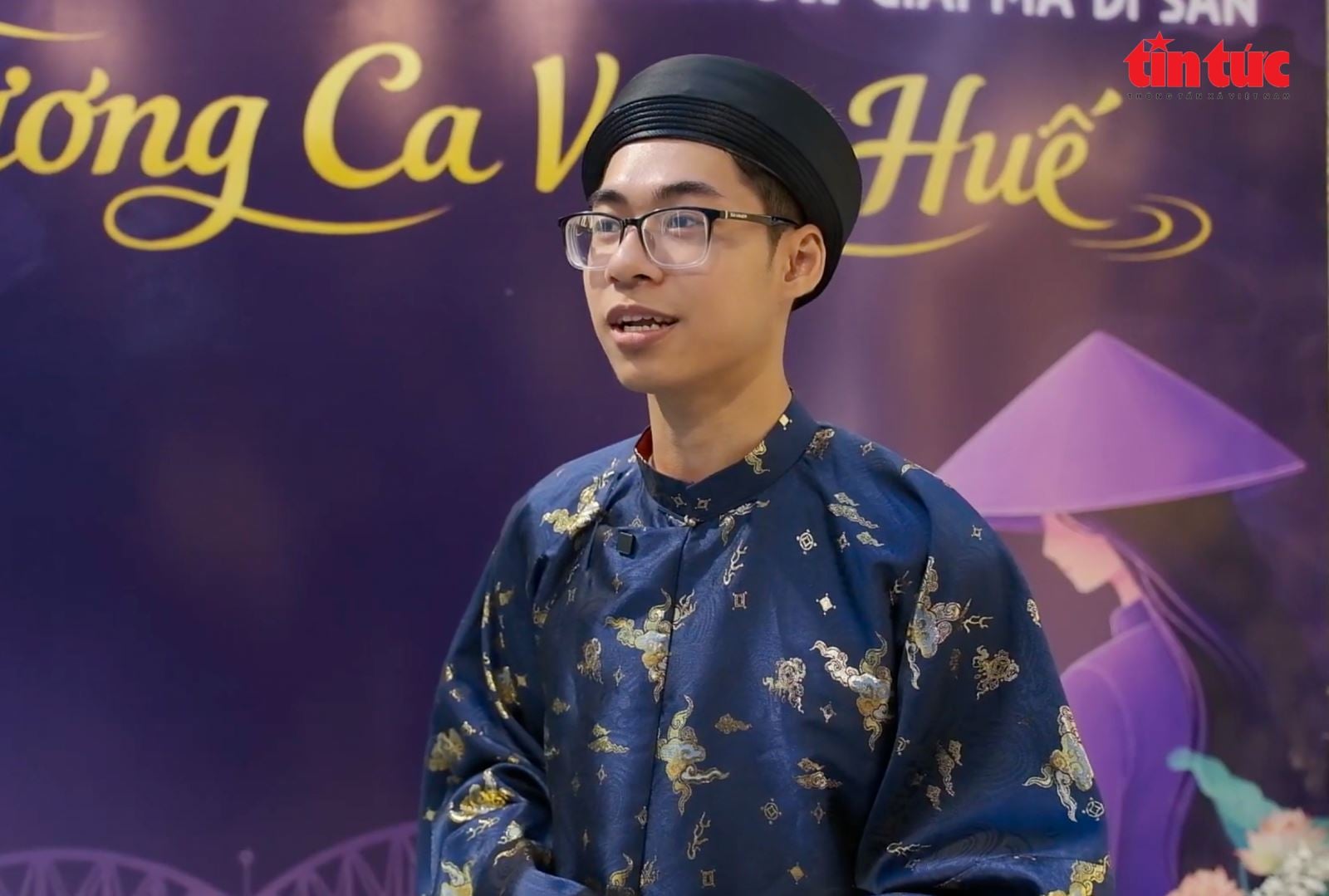
According to the male student, it's not just the lyrics, but also the harmonious blend of traditional musical instruments and the artists' performance style that makes it easy for young audiences to access and fully appreciate the artistic value of Hue folk songs.
Xuan Long expressed his hope that more similar programs would be organized in the future, thereby contributing to spreading the beauty of the culture and artistic values of Hue in particular, as well as the national cultural heritage in general, to a wider audience, especially today's young generation.
Thanks to the efforts of artists and researchers, as well as the enthusiastic participation of young people, Hue folk singing is gradually moving beyond the familiar confines of the Perfume River to find new life amidst the rhythm of contemporary life.
Source: https://baotintuc.vn/van-hoa/lan-toa-ca-hue-qua-ngon-ngu-nghe-thuat-duong-dai-20260517152154531.htm



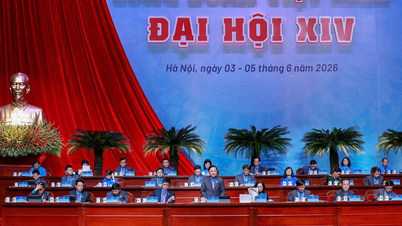
![[Photo] First session of the 14th Congress of the Vietnam Trade Union](https://vphoto.vietnam.vn/thumb/1200x675/vietnam/resource/IMAGE/2026/06/03/1780465947883_ndo_br_img-3852-jpg.webp)







































![[Video] Sunset at Lap An Lagoon – Where the sun sets over the fishing nets](https://vphoto.vietnam.vn/thumb/1200x675/vietnam/resource/IMAGE/2026/05/31/1780192137701_beach-landscape-sea-water-nature-grass-745871-pxhere-com.jpeg)


























Comment (0)