

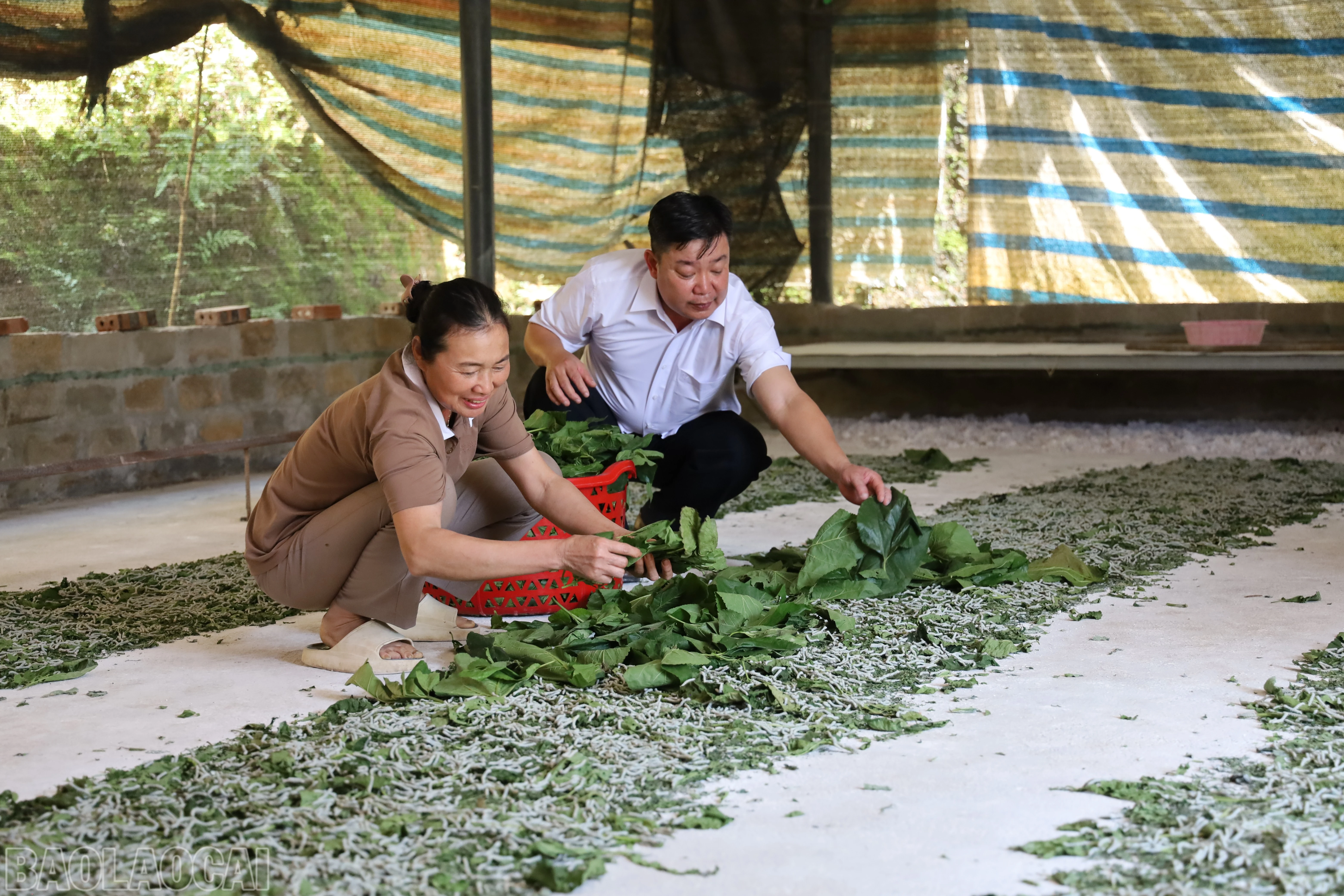
Three years ago, the family of Ms. Nguyen Thi Luy, in Dong Man village, Chan Thinh commune, boldly converted nearly 6,000 square meters of rice paddy land to mulberry cultivation for silkworm farming. In the beginning, everything was new. From cutting mulberry leaves on time and maintaining a stable temperature in the silkworm house to cleaning the silkworm trays, everything required meticulous care. After learning from experience and receiving guidance from commune officials, she gradually mastered the technique.
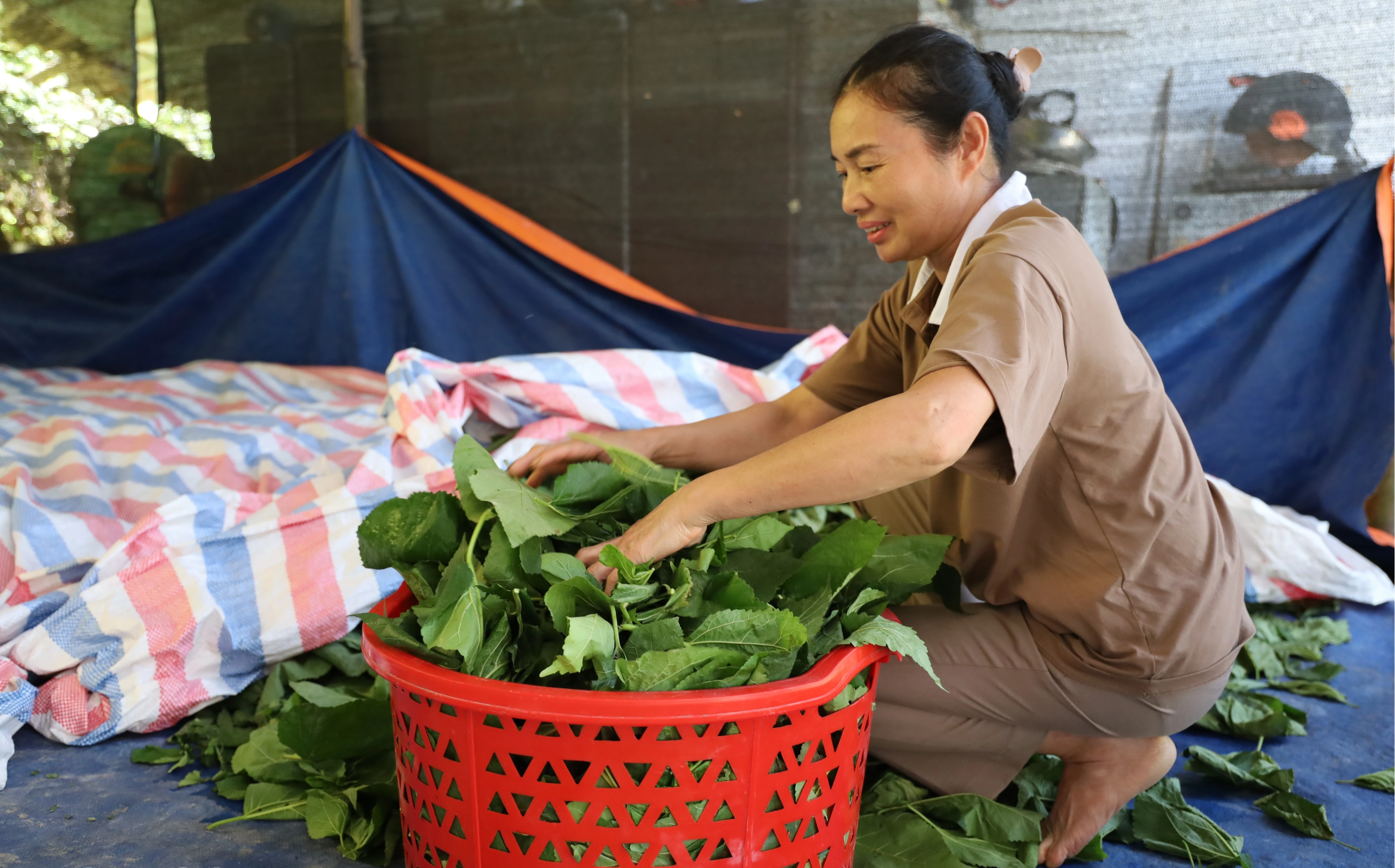
To date, on average, each batch of silkworms raised by her family consists of 6 trays, yielding about 80 kg of cocoons and bringing in nearly 18 million VND in income. Raising two batches a month, the family can earn nearly 40 million VND.
"Compared to growing rice or corn in the past, the economic efficiency from mulberry cultivation and silkworm rearing is significantly higher. The family plans to continue expanding the area for mulberry cultivation in the future," said Mrs. Luy.
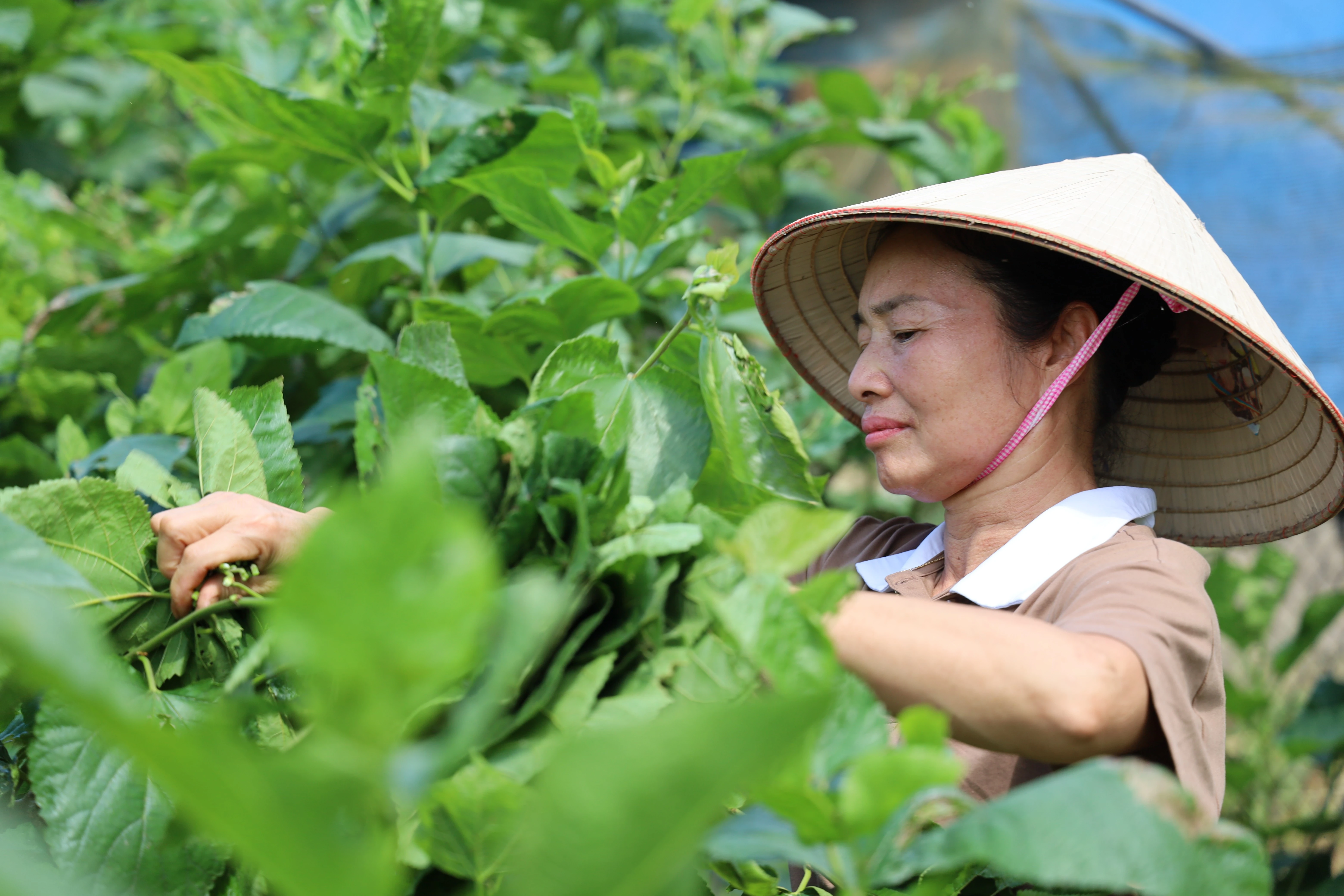
Not only Mrs. Luy's family, but many households in Chan Thinh are also gradually improving their lives thanks to the development of mulberry cultivation and silkworm farming. Previously abandoned or poorly cultivated alluvial land is now being utilized for mulberry cultivation. From a relatively new occupation, mulberry cultivation and silkworm farming is gradually becoming a popular economic development direction for many households.
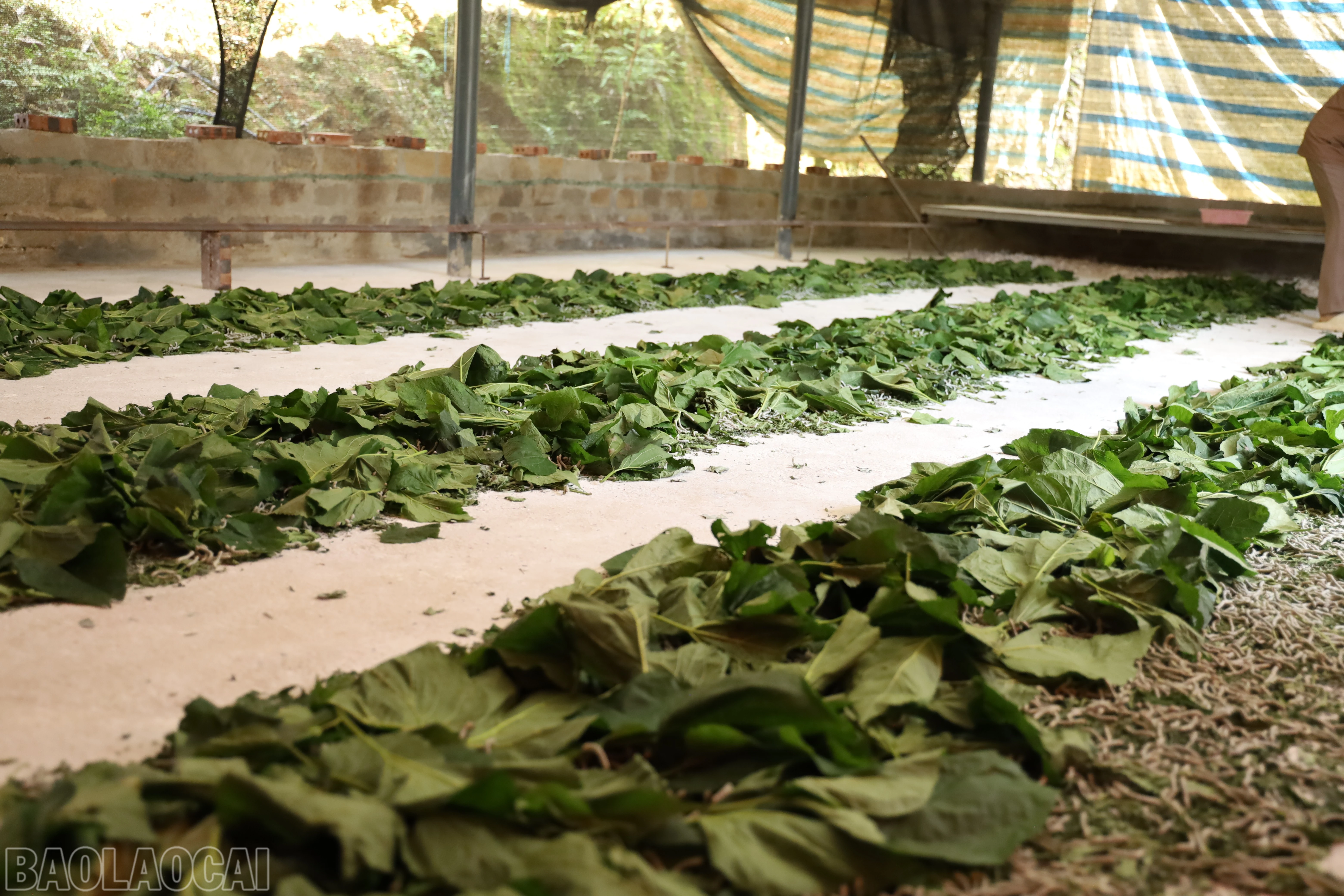
According to Mr. Nguyen Dang Hai, an official from the Economic Department of Chan Thinh commune, the commune currently has about 47 households engaged in mulberry cultivation and silkworm rearing, covering nearly 80 hectares of mulberry trees. Of this, over 50 hectares are planted in concentrated areas and are yielding stable harvests, while the remainder consists of scattered plantings and newly expanded areas.
The average silkworm cocoon yield is approximately 42-48 kg/batch/1,000m², equivalent to 84-96 kg per month. With selling prices ranging from 175,000 to 185,000 VND/kg, many households earn an average income of 16-28 million VND per month.
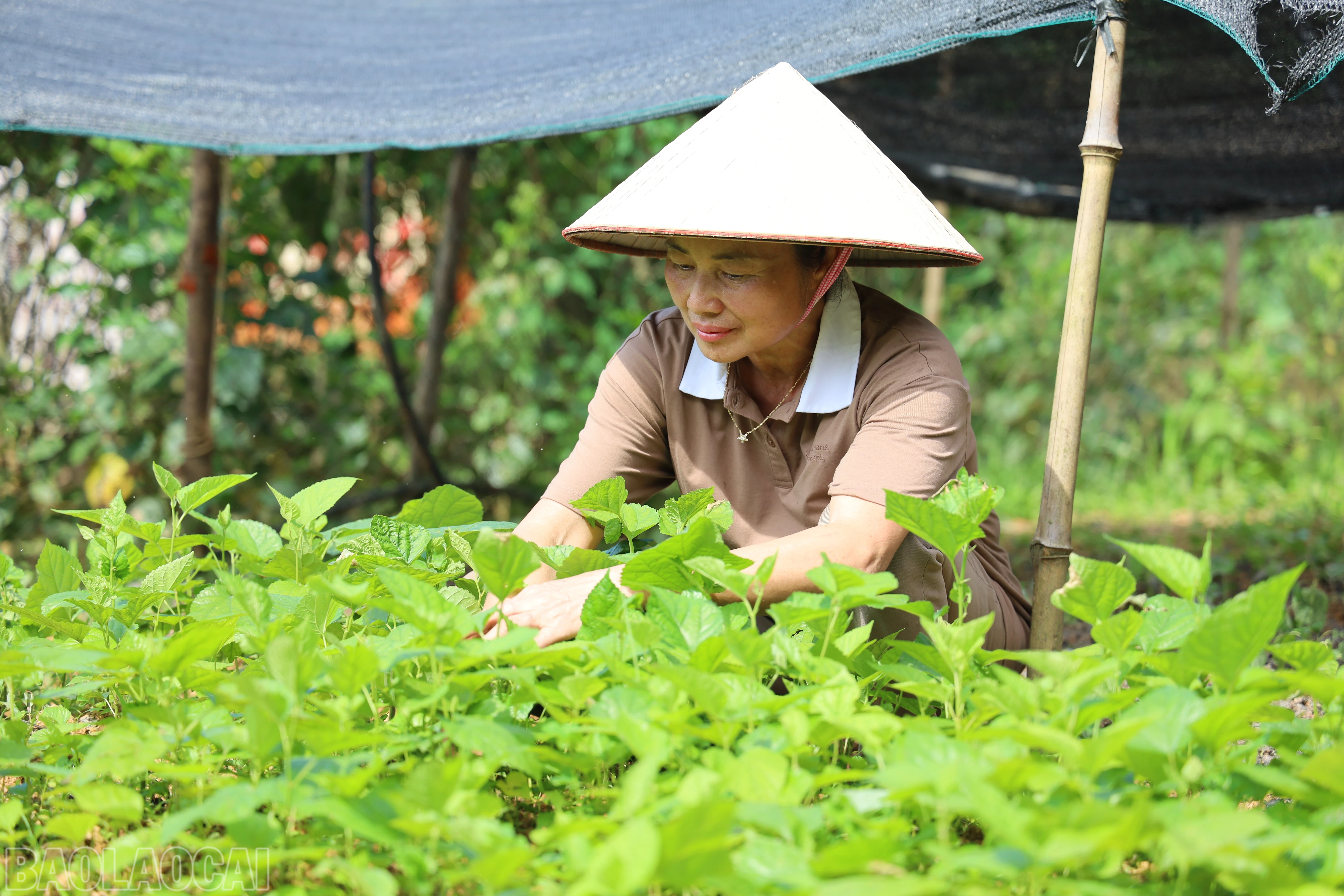
However, to achieve the results it has today, Chan Thinh commune has overcome many difficulties in the early stages of developing mulberry cultivation and silkworm farming.
Efforts to encourage people to change their crop structure face many obstacles. Many households still have reservations and are not yet confident in converting rice fields to mulberry cultivation due to concerns about impacting food security or a lack of understanding of production techniques.

Mr. Nguyen Dang Hai stated that, unlike localities with a long tradition of mulberry cultivation and silkworm rearing such as Tran Yen or Quy Mong, the people of Chan Thinh almost started from scratch. Therefore, local officials regularly visit the grassroots level to provide technical guidance and support the people throughout the production process. In addition, the locality promotes awareness campaigns and organizes visits to successful models to learn from experience and gradually change perceptions about new production methods.
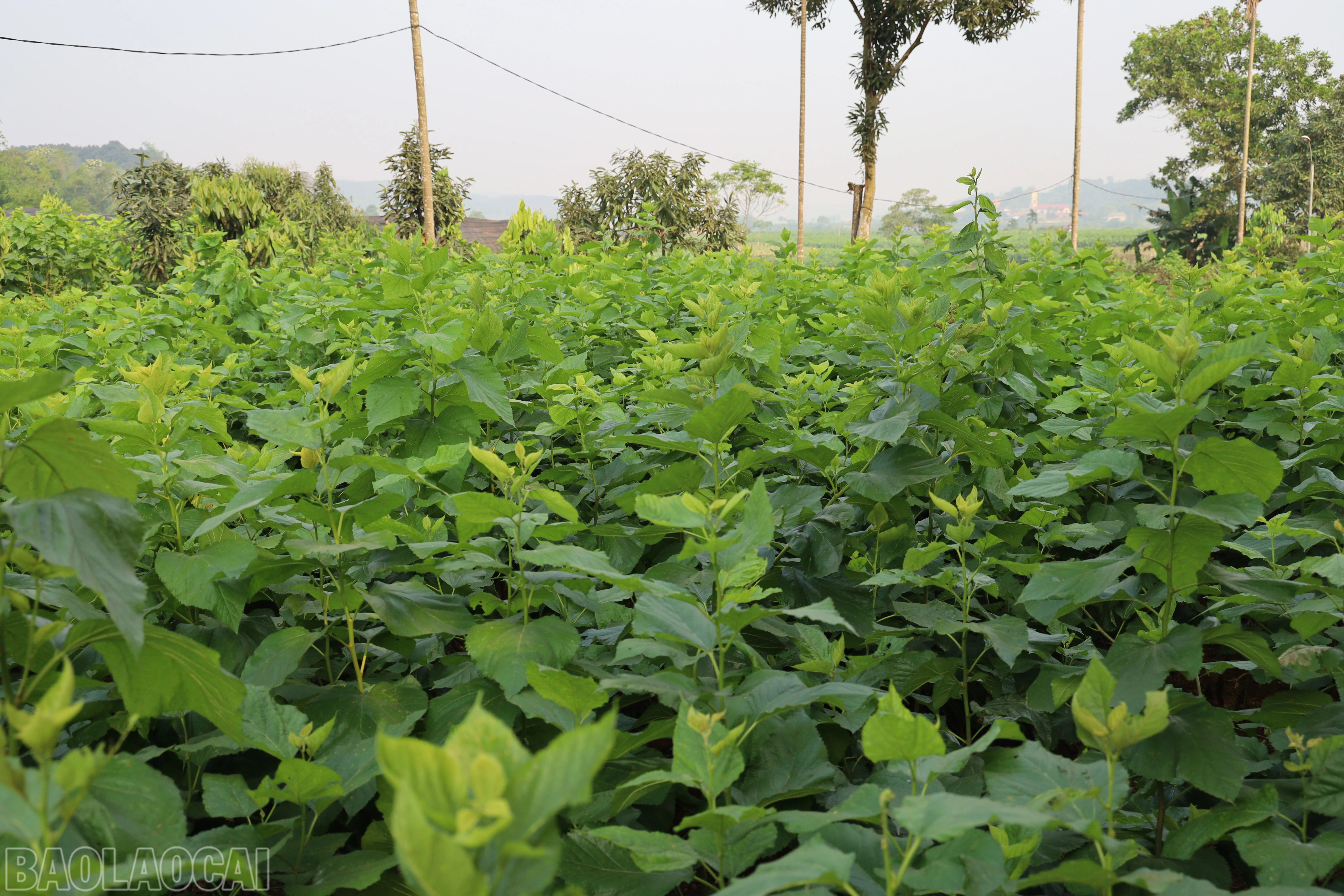
Mulberry trees belonging to local households.
Thanks to comprehensive solutions, the area of mulberry cultivation in the commune has continuously expanded in recent years.
Based on the practical effectiveness of the model, many households continue to register to expand their mulberry cultivation area. In the long term, mulberry trees will become one of the key crops of the locality, gradually replacing rice and corn fields with low economic efficiency.
Chấn Thịnh commune aims to increase the mulberry cultivation area to approximately 100 hectares by the end of 2026. Currently, the locality is continuing to plan for additional concentrated cultivation areas in several villages to form large-scale specialized farming zones. For the period 2026-2030, the commune aims to increase the mulberry cultivation area to approximately 250 hectares and strive to reach 400-500 hectares by 2050.
Not only in Chấn Thịnh, but the development of mulberry cultivation is becoming one of the major orientations of Lào Cai province. According to Plan 186 issued by the Provincial People's Committee on April 24, 2026, for the period 2026-2030, the mulberry and silk industry will continue to be identified as the province's key industry. Development will focus on alluvial areas along rivers and streams, low hills, and linked with processing facilities.
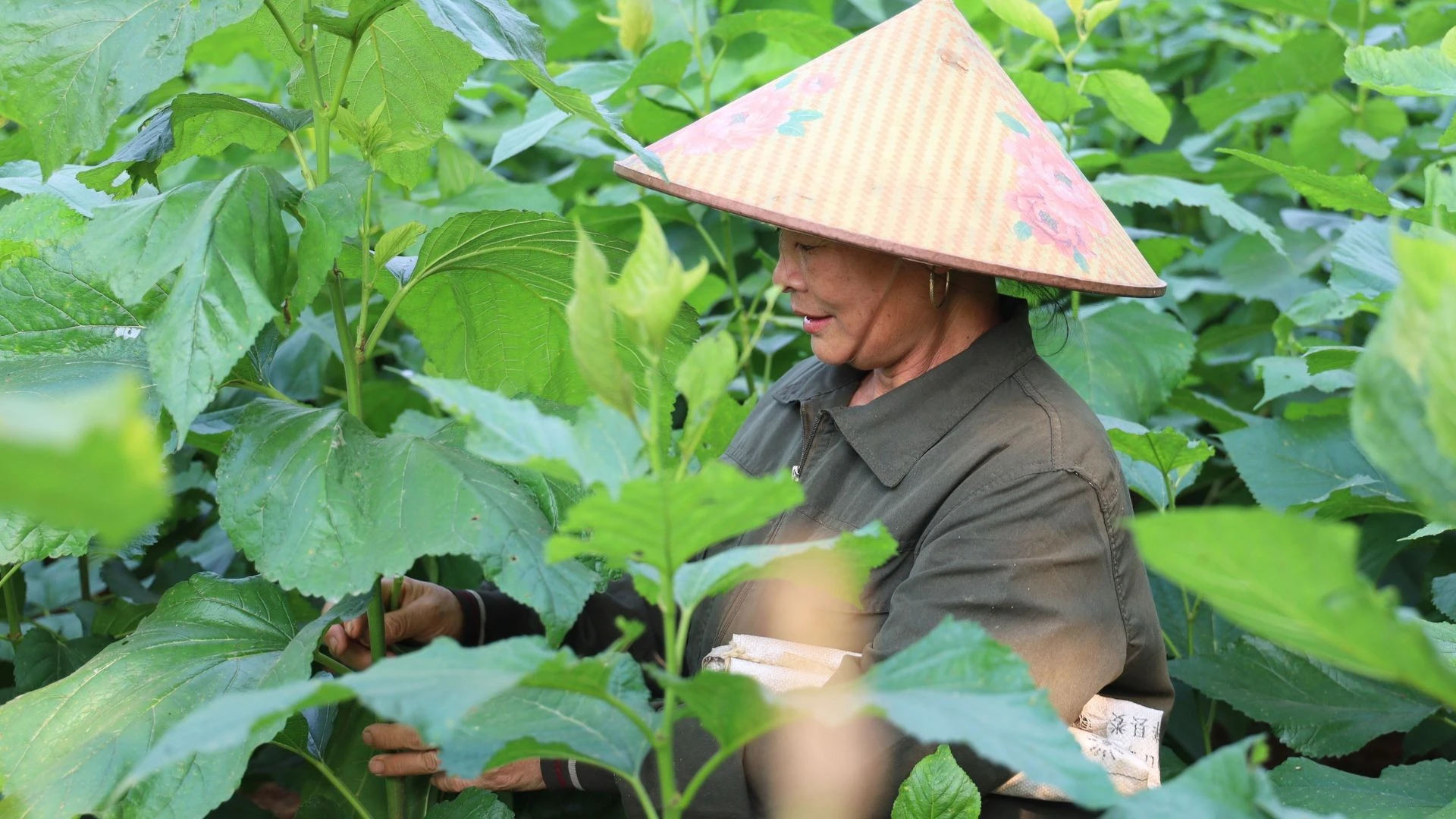
According to Plan 186, by 2030, the entire province aims to achieve over 2,000 hectares of mulberry trees with a mulberry leaf production of approximately 46,000 tons. Specifically for 2026, the province aims to maintain and expand the mulberry cultivation area to 1,700 hectares, including stabilizing the existing 1,457 hectares and planting an additional 243 hectares. The province's total silkworm cocoon production is expected to reach approximately 2,300 tons, with a production value exceeding 460 billion VND.
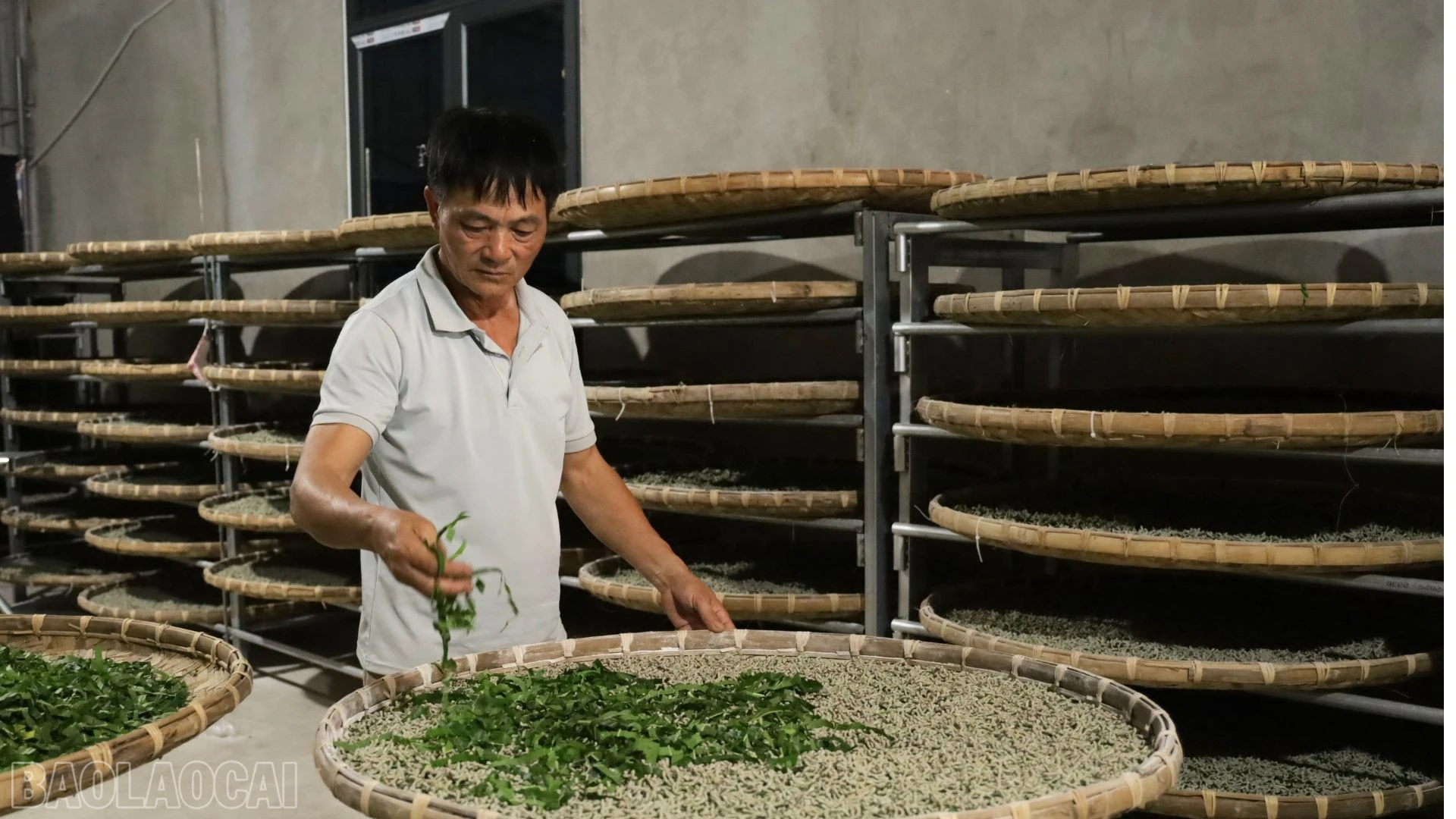
To realize this goal, many solutions are being implemented simultaneously. Local authorities are reviewing and planning concentrated cultivation areas, while also promoting the conversion of low-efficiency crop areas to mulberry cultivation. Alongside this, they are building a supply chain from production to consumption, encouraging the establishment of cooperatives and production groups to connect farmers with businesses and ensure a stable market for silkworm cocoons.
In addition to traditional production areas such as Tran Yen, Quy Mong, Xuan Ai, and Mau A, the province also aims to expand mulberry cultivation to many other localities such as Van Chan, Thuong Bang La, Nam Cuong, Vo Lao, Khanh Yen, and Chieng Keng.
In the field of science and technology, many high-yield mulberry varieties have been introduced into production. High-quality silkworm varieties are also encouraged to improve cocoon yield. Several new technical advancements have been applied, such as raising silkworms on sliding trays, feeding them with mulberry branches, or constructing silkworm houses with air conditioning and environmental monitoring systems to minimize disease risks.
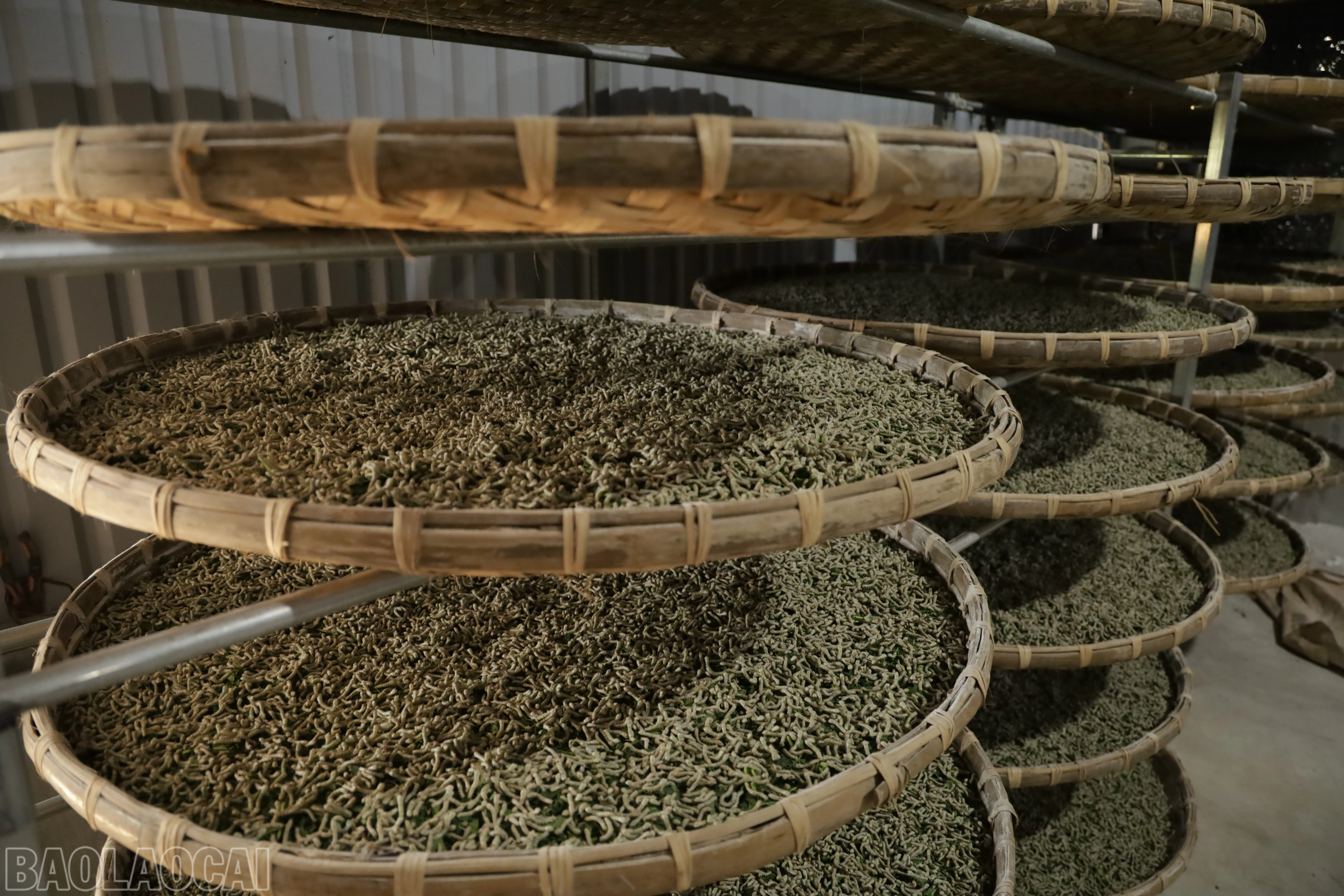
to increase cocoon yield.
Besides technical and organizational solutions, many provincial support policies are creating further impetus for people to develop mulberry cultivation and silkworm rearing. Resolution No. 21 of the Provincial People's Council dated December 9, 2025, on policies to encourage and support the development of agricultural, forestry, and fisheries production, has allocated many support mechanisms for this sector.
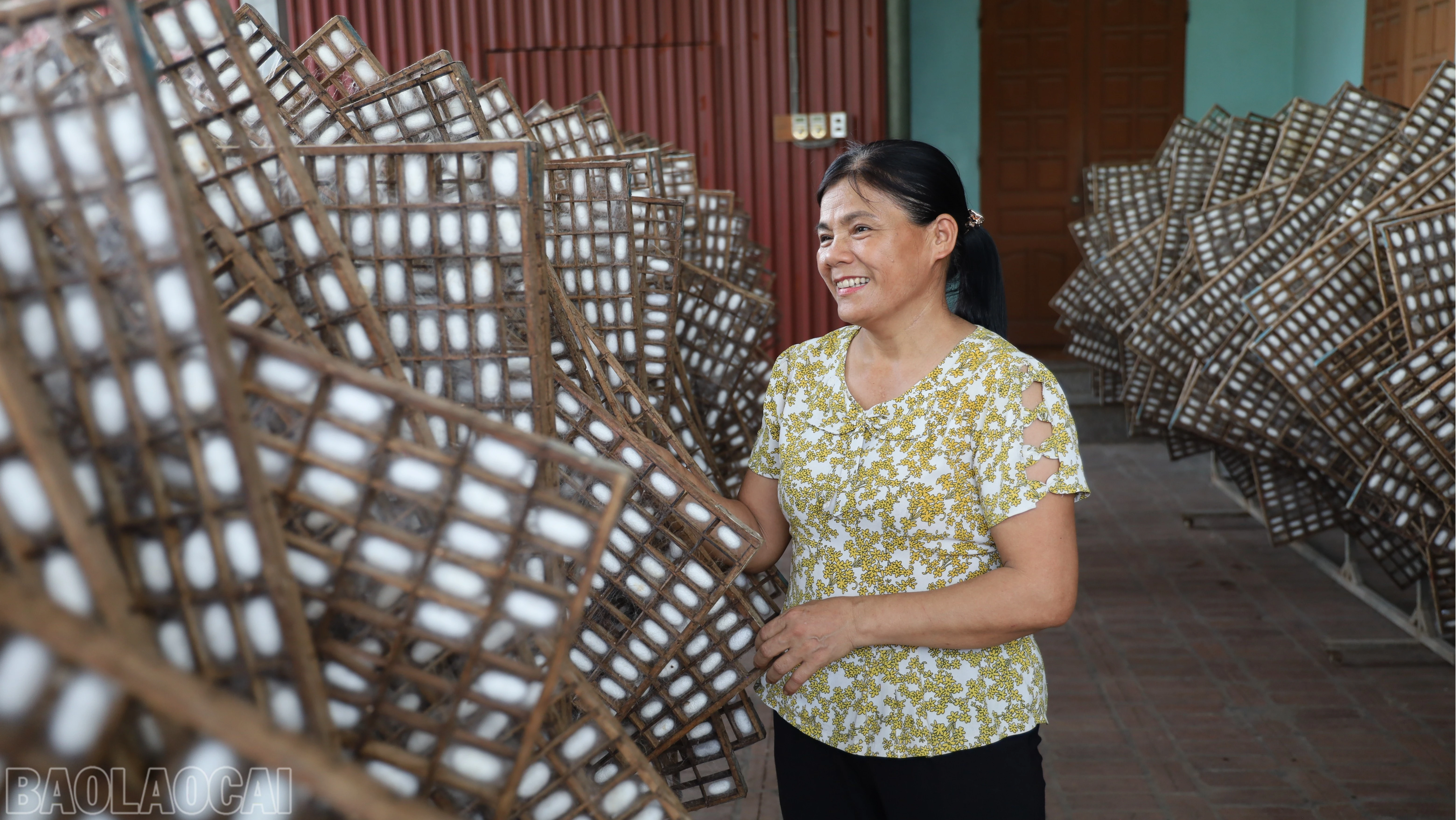
Accordingly, businesses, cooperatives, households, and individuals will receive support covering 50% of the cost of purchasing seedlings or cuttings for new planting or replacement of mulberry raw material areas; support of 50 million VND per newly built concentrated silkworm rearing house of 150 m² or more; and support for the cost of purchasing new square silkworm rearing frames and sliding silkworm rearing trays made of galvanized steel... These policies create favorable conditions for people and localities to invest in and expand production.
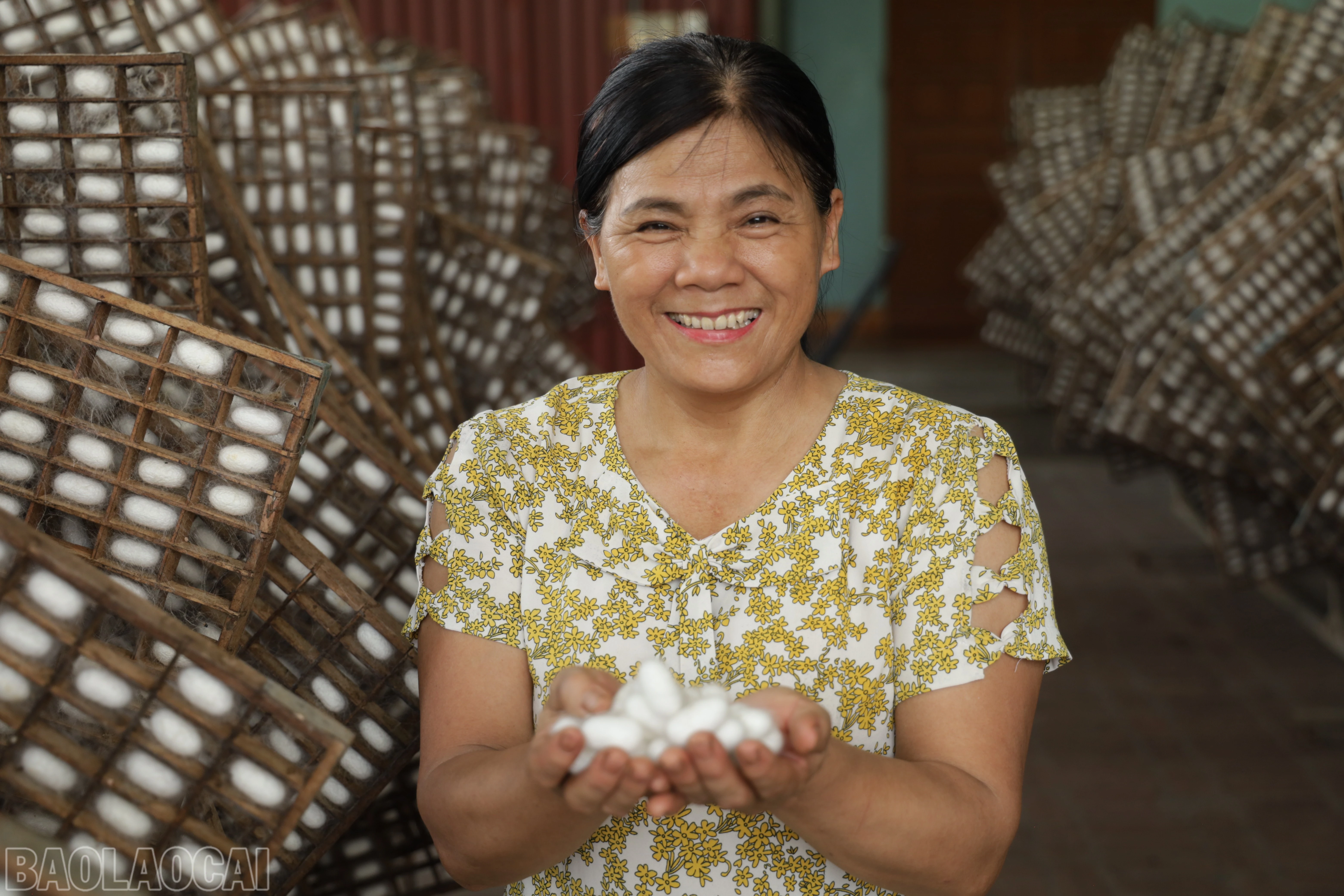
The expansion of mulberry cultivation in Lao Cai not only contributes to the formation of concentrated production areas but also opens up a sustainable agricultural development direction for the people. From the pristine white cocoons to the lush green mulberry fields, many households are hoping for a more stable life and opportunities for economic development right in their homeland.
Source: https://baolaocai.vn/lao-cai-mo-rong-dien-tich-dau-tam-post900319.html




![[Photo] Standing Committee member of the Party Central Committee Tran Cam Tu working with the Central Inspection Committee](https://vphoto.vietnam.vn/thumb/1200x675/vietnam/resource/IMAGE/2026/05/28/1779969579668_ndo_br_bnd-2495-jpg.webp)



















































































Comment (0)