

Herbal teas have offered numerous health benefits for centuries. Some teas have even been specifically studied for their properties and ingredients, which can help treat insomnia, relieve stress, and calm the mind. Below are some suggestions for herbal drinks that can improve sleep quality:
Green tea
According to a 2020 study by the National Library of Health (USA), cited by VnExpress, drinking low-caffeine green tea helps improve sleep quality and reduce stress. Elderly people who drink diluted, low-caffeine green tea also sleep better and experience reduced stress levels.

You should try lavender tea.
Lavender tea
Lavender tea is made by steeping lavender buds in hot water, resulting in a purple beverage with a distinctive aroma. It's often consumed before bed to promote relaxation and improve sleep quality.
According to a study in Iran involving older adults, lavender tea reduced symptoms of depression and anxiety—two factors that contribute to insomnia.
Lavender essential oil also reduces anxiety, improves sleep and breathing, and is often chosen for aromatherapy in bedrooms.
Perilla, a plant belonging to the mint family, has a slightly sweet and citrusy flavor. According to the Sleep Foundation (USA), drinking a cup of perilla tea in the evening can help alleviate insomnia symptoms, soothe emotions, reduce stress, and promote restful sleep.
A study comparing the effects of perilla showed that people who consumed 500 mg of perilla experienced significant improvements in quality of life and rest compared to those who did not use it.
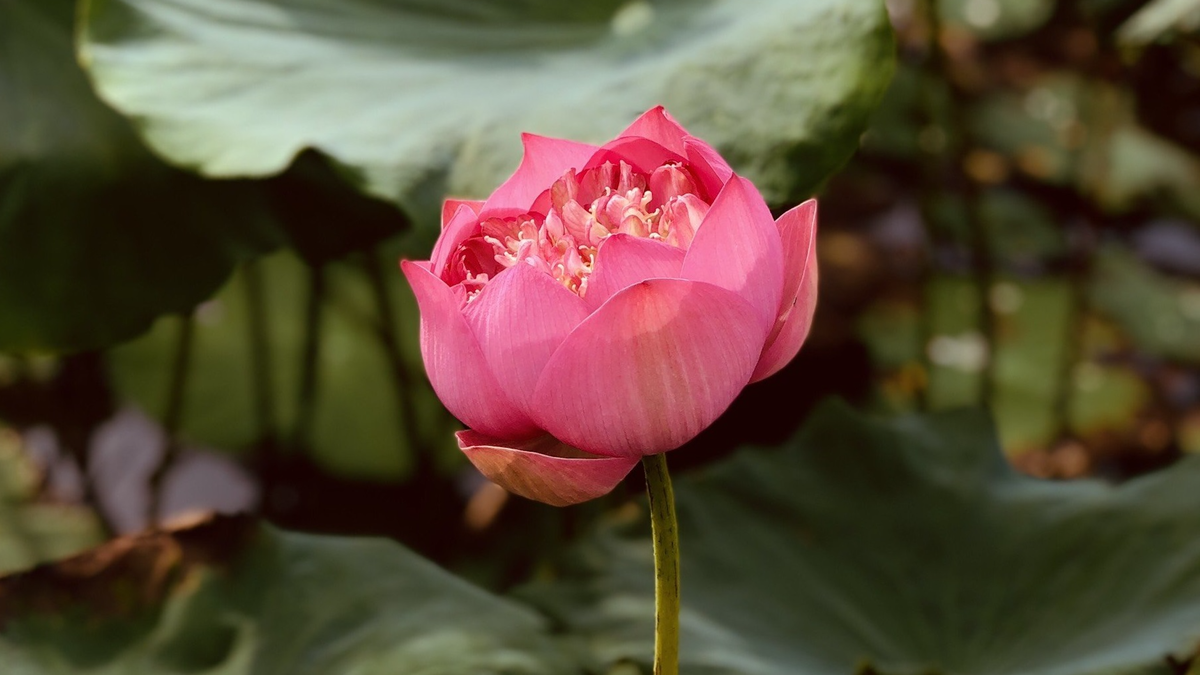
Magnolia flower tea
According to research in China, magnolia flower tea is commonly used in folk medicine and traditional medicine as a sleep aid. The plant contains compounds with sedative effects.
New mothers who drank magnolia flower tea for 3 weeks showed significant improvement in postpartum depression and better sleep quality compared to mothers who did not consume it. Older women who took one magnesium tablet and 60 mg of magnolia flower extract also experienced reduced sleep disturbances. You can consult your doctor about the appropriate amount of this beverage to incorporate into your daily routine.
Drinking a cup of tea before bed not only forms a good habit but is also a safe and easy option for those who have trouble sleeping. This habit can help the brain recognize relaxation signals, thereby establishing a sleep rhythm.
In cases of chronic insomnia, drinking herbal teas and flower teas is usually not effective in providing long-term treatment and improvement. You should seek medical help and treatment, and restore a healthy lifestyle as soon as possible.

Chamomile tea is very good for sleep.
Valerian root tea
According to a Healthline article published in the Lao Dong newspaper, valerian root has been used for centuries to treat headaches, stress, and insomnia. This herb is often prepared in pill or liquid form.
Specifically, valerian root can increase levels of a neurotransmitter called gamma-aminobutyric acid (GABA). Not only does it induce drowsiness, but valerian root tea can also shorten the time it takes to fall asleep and reduce nighttime awakenings.
Chamomile tea
Chamomile tea is used as a natural remedy to reduce inflammation, calm nerves, and treat insomnia. Chamomile tea contains apigenin, an antioxidant that has a very effective calming effect.
Apigenin binds to receptors in the brain, reducing anxiety and inducing drowsiness, thereby improving sleep quality.
In addition, chamomile tea offers many other health benefits such as cooling the body, detoxifying, relieving headaches, dizziness, and stress.
Source


![[Photo] Delegation attending the 14th Congress of the Vietnam Trade Union visits the Mausoleum of President Ho Chi Minh.](https://vphoto.vietnam.vn/thumb/1200x675/vietnam/resource/IMAGE/2026/06/03/1780451842301_ndo_br_img-3824-jpg.webp)







































































































Comment (0)